How to Style and Layer a Squirrel Necklace Perfectly
Master the cottagecore aesthetic with our step-by-step guide to styling, layering, and caring for your favorite squirrel necklace.

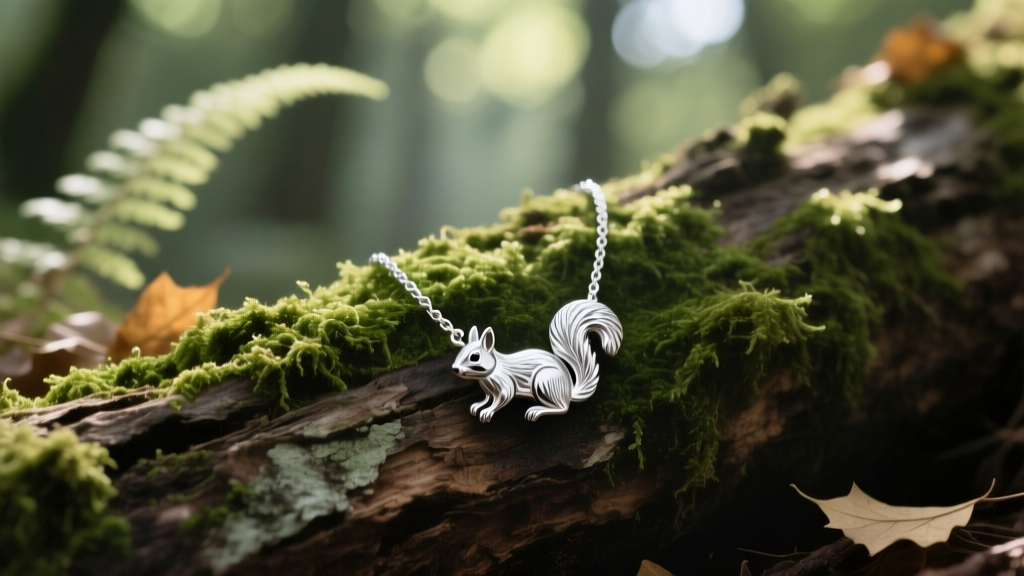
The Rise of Woodland Jewelry: Mastering the Squirrel Necklace
Nature-inspired jewelry has firmly cemented its place in modern accessorizing, with the squirrel necklace emerging as a quintessential piece for lovers of the cottagecore and woodland aesthetics. Whether cast in intricate 925 sterling silver, molded in rich bronze, or preserved in crystal-clear epoxy resin, these pendants offer a whimsical yet sophisticated nod to the natural world. However, styling a highly specific motif requires a deliberate approach to chain selection, layering, and garment pairing. This comprehensive, step-by-step guide will teach you how to elevate your squirrel pendant from a simple novelty item to a cornerstone of your everyday jewelry wardrobe.
Step 1: Selecting the Right Pendant Material
The foundation of any great necklace is its material composition. Squirrel pendants are typically crafted from three primary materials, each with distinct physical properties, weight profiles, and maintenance requirements. Understanding these differences is crucial for long-term wearability and skin safety.
Sterling Silver vs. Bronze vs. Epoxy Resin
According to the Gemological Institute of America (GIA), 925 sterling silver contains 92.5% pure silver and 7.5% alloy (usually copper), providing the necessary tensile strength for delicate animal motifs. Bronze offers a warmer, earthier tone that develops a natural patina over time, while epoxy resin allows for hyper-realistic, multi-colored inclusions but is highly susceptible to UV degradation.
| Material | Durability & Weight | Average Price Range | Maintenance Level |
|---|---|---|---|
| 925 Sterling Silver | High durability, medium weight | $45 - $120 | Moderate (requires polishing) |
| Solid Bronze | Very high durability, heavy | $30 - $85 | Low (patina is desirable) |
| Epoxy Resin | Low scratch resistance, lightweight | $20 - $60 | High (avoid UV & chemicals) |
Step 2: Matching the Chain Gauge and Style
A common failure point in woodland jewelry is pairing a heavy, detailed pendant with an inadequate chain. Squirrel pendants, particularly solid bronze or thick silver casts, can weigh between 8 and 15 grams. Using a chain that is too thin will result in accelerated wear at the bail loop and eventual snapping.
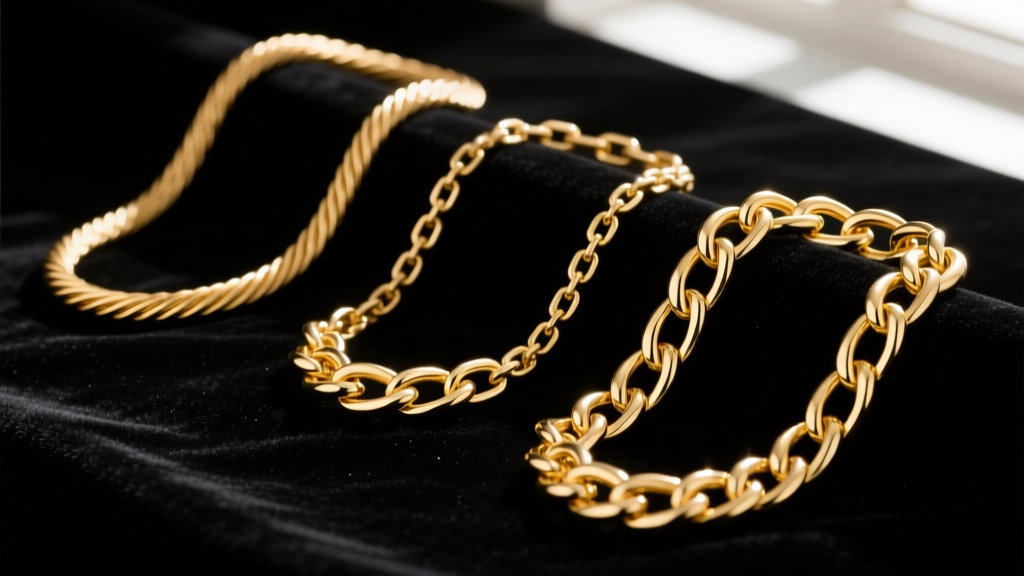
Optimal Chain Specifications
- Gauge Size: For pendants weighing under 10 grams, a 1.2mm to 1.5mm chain is ideal. For heavier bronze casts, upgrade to a 1.8mm or 2.0mm gauge to ensure structural integrity.
- Chain Style: A classic cable chain complements the rustic nature of a squirrel motif without competing for visual attention. Rope chains offer superior tensile strength due to their twisted link structure, making them excellent for heavier pieces.
- Clasp Type: Always opt for a lobster clasp over a spring ring. Lobster clasps feature a stronger internal spring mechanism and a wider opening, making them significantly more secure for daily wear.
Step 3: The Cottagecore Layering Formula
Layering is where a squirrel necklace truly shines. The goal is to create a cascading visual effect that frames the collarbone while allowing the woodland motif to act as the focal point. Follow this three-tier formula for a balanced, professional look.
- The Base Layer (14 to 16 inches): Start with a delicate, minimalist chain or a small freshwater pearl choker. This layer sits high on the neck and provides a textural contrast to the metal pendant.
- The Focal Layer (18 inches): This is where your squirrel necklace belongs. An 18-inch chain ensures the pendant rests perfectly in the hollow of the collarbone, catching the light and drawing the eye.
- The Anchor Layer (22 to 24 inches): Finish with a longer, heavier chain featuring a simple geometric pendant (like a raw crystal point or a plain gold bar) to elongate the torso and ground the composition.
Pro Tip: When layering mixed metals, use your squirrel pendant as the bridge. If your squirrel is sterling silver, pair it with a white gold base layer and a platinum-toned anchor layer to maintain a cohesive cool-toned palette.
Step 4: Neckline Pairings for Optimal Display
The neckline of your garment dictates how much of your jewelry is visible and how the pendant interacts with the fabric. Because squirrel pendants often feature intricate details like bushy tails or tiny paws, they require adequate negative space to be appreciated.
Best Necklines for Squirrel Pendants
- Sweetheart and Scoop Necks: These provide a wide, open canvas that perfectly frames an 18-inch squirrel pendant without the metal snagging on fabric seams.
- V-Necks: The downward angle of a V-neck naturally guides the eye toward the pendant, amplifying the elongating effect of the layering formula mentioned above.
- Turtlenecks (Winter Styling): For darker, heavier winter knits, switch your squirrel necklace to a 22-inch or 24-inch chain. Wearing a detailed silver or bronze squirrel over a dark green or charcoal turtleneck creates a striking, academic-woodland aesthetic.
Step 5: Advanced Care and Troubleshooting
Nature-inspired jewelry often features deep crevices—such as the textured fur on a squirrel's tail—which can trap oils, lotions, and environmental debris. Proper maintenance is critical to preserving the piece's lifespan.
Cleaning Protocols by Material
The Jewelers of America strongly advises against using ultrasonic cleaners on jewelry with oxidized finishes or organic inclusions. For a sterling silver squirrel pendant with intentional blackened patina in the fur detailing, an ultrasonic machine will strip the oxidation, leaving the piece looking flat and overly polished. Instead, use a treated silver polishing cloth (like a Sunshine cloth) and gently buff only the raised, high-polish areas of the pendant.
Troubleshooting Common Failure Modes
- Bail Loop Wear: The bail (the loop connecting the pendant to the chain) is a high-friction area. If you notice the metal thinning at the base of the bail, take it to a jeweler for a micro-soldering reinforcement before it snaps.
- Resin Yellowing: If you own an epoxy resin squirrel necklace, prolonged exposure to direct UV light will cause the resin to yellow and become brittle. Store these pieces in a dark, velvet-lined jewelry box when not in use.
- Bronze Patina Management: Bronze reacts with the natural acids in human sweat, sometimes leaving a harmless green tint on the skin. To prevent this, apply a thin coat of clear nail polish to the back of the bronze pendant where it touches your chest, or remove the necklace during high-exertion activities.
By carefully selecting your materials, matching the correct chain gauge, and adhering to a structured layering formula, your squirrel necklace will transcend seasonal trends and become a masterclass in personalized, nature-inspired styling.


