How to Style the MAN. Mini Bas Relief Orb Pendant Necklace
Master the art of wearing the MAN. mini bas relief orb pendant necklace. Our step-by-step styling guide covers layering, metals, and neckline pairings.

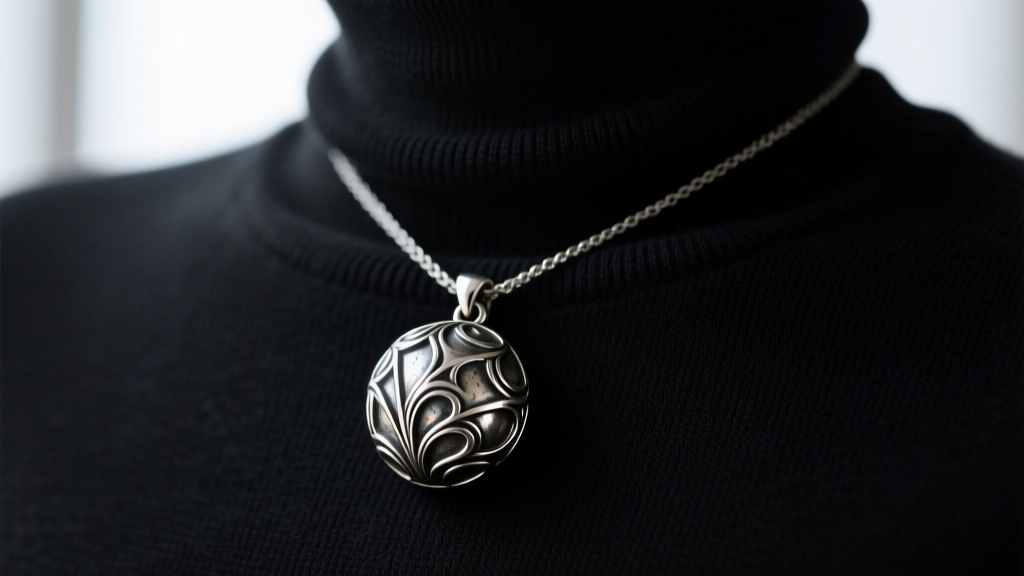
In the evolving landscape of 2026 avant-garde and sculptural jewelry, few pieces capture the intersection of classical artistry and modern brutalism quite like the MAN. mini bas relief orb pendant necklace. This specific silhouette—characterized by its intricate, low-profile carved motifs wrapping around a spherical form—demands a deliberate approach to styling. Unlike flat-stamped pendants or high-polish geometric shapes, a bas relief orb interacts dynamically with light and shadow, making it a wearable piece of micro-sculpture. Whether you are acquiring this piece as a standalone statement or integrating it into an established jewelry wardrobe, understanding its metallurgical nuances and proportional requirements is essential. This comprehensive, step-by-step guide will walk you through the exact methodologies for selecting chains, layering effectively, pairing with garments, and maintaining the delicate patina of your pendant.
Understanding the Sculptural Appeal of Bas Relief
Before diving into styling mechanics, it is crucial to understand what makes the bas relief (or basso-relievo) technique so unique in jewelry design. Originating from classical stone carving, bas relief involves sculpting figures and patterns that project only slightly from the background surface. When translated into metalwork via the cire perdue (lost-wax) casting process, this technique allows artisans to embed profound narrative and textural depth into a compact surface area. The "mini" orb variant typically measures between 12mm and 16mm in diameter. Despite its small footprint, the 360-degree carved surface means the pendant never looks identical from two different angles. Because the design relies heavily on the interplay of raised polished elements and recessed oxidized shadows, styling this necklace requires an environment that enhances, rather than obscures, its three-dimensional topography.
Step 1: Selecting the Right Chain Gauge and Length
The most common styling error with miniature sculptural pendants is pairing them with disproportionately heavy chains. A 14mm bas relief orb typically weighs between 4 and 7 grams, depending on whether it is cast in solid 925 sterling silver, bronze, or brass. To maintain visual harmony, the chain must act as a subtle conduit rather than a competing focal point. Furthermore, the inner diameter of the pendant's bail (the loop through which the chain passes) on these specific mini orbs is usually restricted to 3.5mm x 4.5mm, instantly eliminating thick curb or Cuban link chains from consideration.
Chain Gauge Compatibility Framework
| Chain Type | Recommended Gauge | Visual Weight | Best For |
|---|---|---|---|
| Standard Cable | 1.2mm - 1.5mm | Ultra-Light | Minimalist, hidden-chain aesthetics |
| Rolo Chain | 1.5mm - 1.8mm | Light-Medium | Textural synergy with bas relief motifs |
| Wheat (Spiga) | 1.2mm - 1.5mm | Medium | Adding directional flow and high tensile strength |
| Box Chain | 1.0mm - 1.2mm | Light | Modern, geometric contrast to organic carvings |
For an oxidized silver orb, a 1.5mm oxidized rolo chain is the gold standard. The circular links of the rolo chain subtly echo the spherical geometry of the orb without overpowering it. According to the Gemological Institute of America (GIA), matching the oxidation level of your chain to the recessed patina of your pendant creates a cohesive, intentional aesthetic that elevates the entire piece.
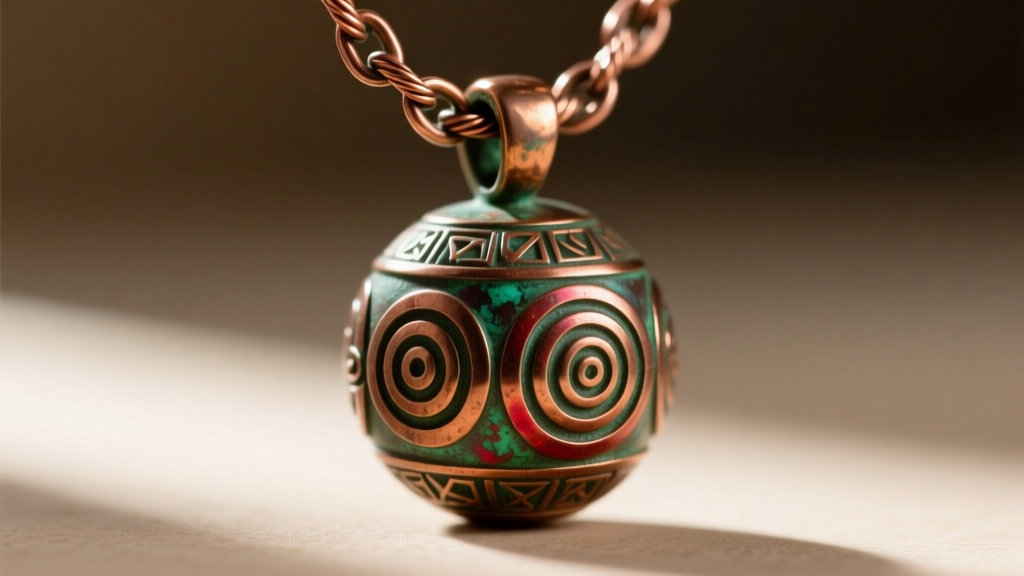
Step 2: Layering Techniques for Textured Orbs
Layering a highly textured, spherical pendant requires a strategic approach to prevent tangling and visual clutter. The golden rule for 2026 necklace layering is the "Rule of Thirds," which dictates a minimum 4-inch drop between each subsequent chain to ensure every piece occupies its own distinct visual zone on the chest.
- The Anchor (16-18 inches): Start with a lightweight, non-textured chain. A 1.0mm snake chain or a simple, darkened silver choker sits close to the collarbone and provides a framing element without competing for attention.
- The Focal Point (20-22 inches): This is where your MAN. mini bas relief orb pendant necklace resides. A 20-inch length allows the orb to rest precisely on the upper sternum, an area that naturally catches ambient light and highlights the carved relief work.
- The Terminator (26-28 inches): Finish with a longer, heavier element to ground the stack. A matte black onyx bead necklace or a thick, unadorned 3mm oxidized cable chain draws the eye downward, creating a slimming, elongating effect while allowing the mini orb to remain the undisputed centerpiece.
Pro Tip: When layering spherical pendants with flat elements, always place the orb on the longest or middle chain. Flat pendants tend to flip and tangle when layered beneath spherical weights.
Step 3: Matching Necklines to Sculptural Pendants
The bas relief orb is a tactile object; it invites touch and close inspection. Therefore, the neckline of your garment must act as a complementary canvas. High-contrast fabrics and structured collars work best to frame the pendant.
Optimal Neckline Pairings
1. The Dark Turtleneck: A charcoal or black merino wool turtleneck provides a matte, light-absorbing backdrop that makes the polished ridges of an oxidized silver or bronze orb pop brilliantly. The high collar naturally frames the 20-inch chain drop, directing the viewer's eye straight to the pendant.
2. The Unbuttoned Camp Collar: For warmer months or relaxed evening wear, a linen camp collar shirt unbuttoned to the mid-chest creates a deep V-shape. The mini orb resting at the apex of this V-shape acts as a visual anchor, balancing the negative space of the exposed skin.
3. The Heavyweight Crewneck: When wearing a thick cotton crewneck, opt for a shorter 18-inch chain so the orb rests just below the ribbed collar. Avoid wearing the pendant over graphic tees or busy patterns, as the visual noise will completely obliterate the fine details of the bas relief carving.
Step 4: Patina Maintenance and Cleaning Protocols
The most critical aspect of owning a bas relief piece is preserving the intentional oxidation (patina) that gives the carving its depth. The darkened recesses are what create the contrast necessary for the raised motifs to be visible. Standard jewelry cleaning methods will ruin this effect.
Never Use Ultrasonic Cleaners: Ultrasonic waves and harsh chemical dips (like silver dip solutions) will strip the oxidation from the deep crevices of the orb, leaving the piece looking flat, washed out, and uniformly bright. The Victoria & Albert Museum's conservation guidelines explicitly warn against abrasive or chemical stripping of historical and sculptural patinas, a rule that applies equally to contemporary artisan jewelry.
The Renaissance Wax Protocol
To protect the high-relief areas from tarnishing while preserving the dark recesses, follow this exact maintenance routine every three to four months:
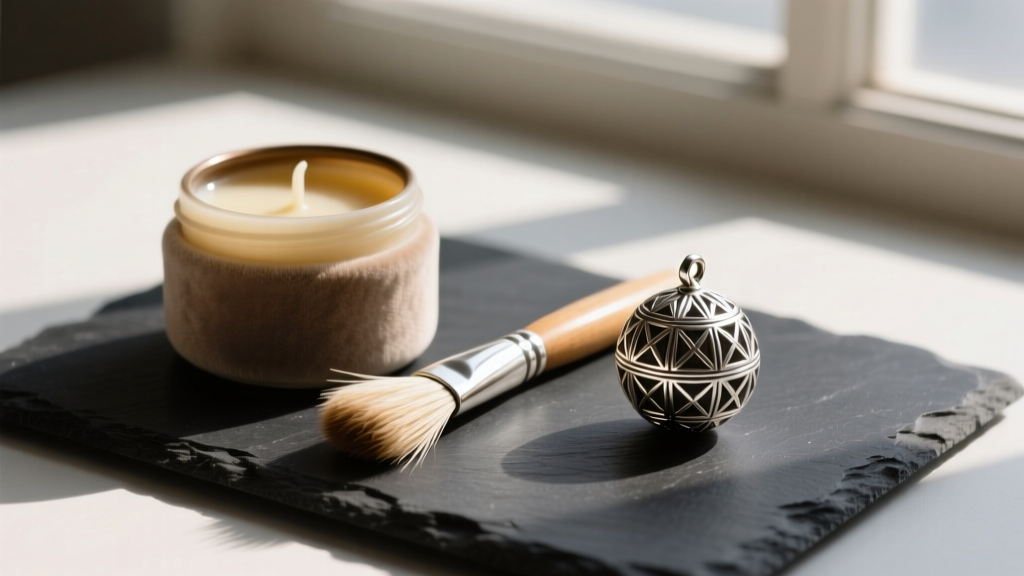
- Dry Dusting: Use a clean, dry horsehair detailing brush to gently sweep out dust, skin cells, and lint from the deep crevices of the orb. Do not use wet cloths at this stage.
- Targeted Polishing: Take a microfiber cloth and gently buff only the raised, high-relief areas of the orb. Avoid pressing hard into the grooves.
- Wax Application: Apply a minuscule amount of Renaissance Wax (a micro-crystalline wax used by museum conservators) to a soft cotton swab. Lightly dab it over the entire surface of the orb.
- Curing and Buffing: Allow the wax to dry and haze for exactly 10 minutes. Finally, use a clean horsehair brush to briskly buff the orb, which removes excess wax from the crevices while leaving a protective, moisture-resistant seal over the raised silver or bronze.
Final Thoughts on Avant-Garde Styling
Styling the MAN. mini bas relief orb pendant necklace is an exercise in intentional restraint. By respecting the physical proportions of the mini orb, selecting a chain gauge that complements rather than competes, and rigorously protecting the shadow-play of the bas relief carving, you elevate the piece from a simple accessory to a curated artifact. As sculptural jewelry continues to dominate the 2026 style radar, mastering these nuanced, step-by-step maintenance and layering techniques ensures your pendant remains as striking and dynamic as the day it was cast.


