How to Style a Prince Symbol Necklace: The Ultimate Guide
Learn how to source, customize, and style a Prince symbol necklace. Our step-by-step guide covers chain pairings, metal grades, and layering.

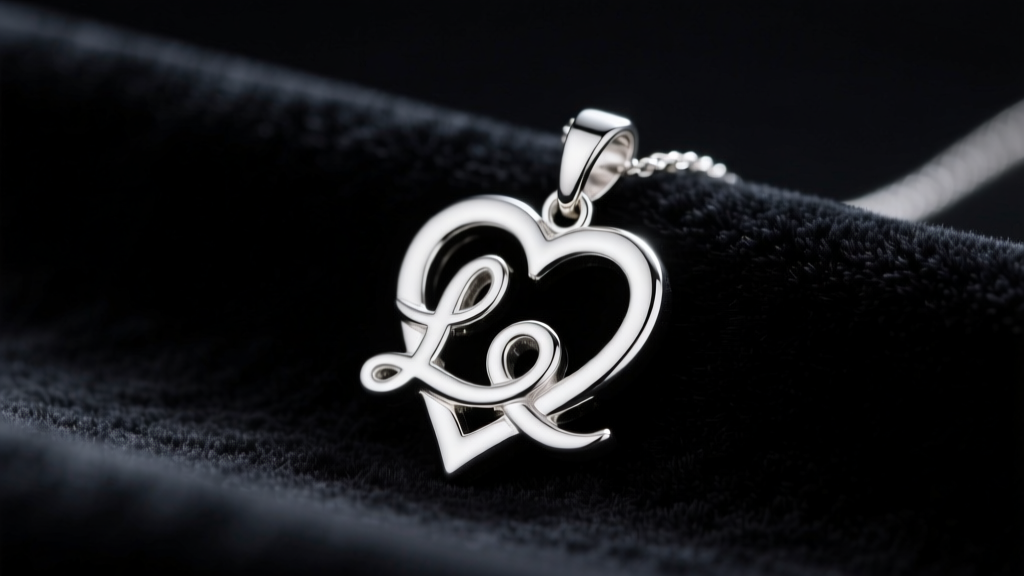
The Prince symbol necklace is more than just a piece of pop culture memorabilia; it is a masterclass in asymmetrical jewelry design and a testament to musical rebellion. Originally created in 1993 as a fusion of the male and female gender signs, the "Love Symbol" became an iconic emblem of artistic independence. Today, wearing a Prince symbol pendant requires a nuanced understanding of weight distribution, chain mechanics, and styling to ensure the piece sits perfectly on the chest.
Whether you are sourcing an official estate-licensed piece, hunting for vintage 1990s tour merchandise, or commissioning a custom tribute, this step-by-step guide will walk you through the metallurgy, mechanics, and styling of the ultimate Prince symbol necklace.
The Legacy and Anatomy of the Love Symbol Pendant
Before diving into styling, it is crucial to understand the physical anatomy of the pendant. The Love Symbol is inherently top-heavy and asymmetrical. The upper loop (representing the male gender symbol) is slightly offset from the visual center of gravity of the bottom curves (the female symbol).
Because of this unique geometry, a standard jump ring attachment will cause the pendant to tilt awkwardly to one side when worn. To achieve a flawless, centered drape, the pendant requires a custom-soldered European bail or a hidden tubular bail that shifts the suspension point to balance the 3D weight distribution. When evaluating a Prince symbol necklace, always inspect the bail construction first.
Step 1: Sourcing and Material Selection
The longevity and aesthetic of your necklace depend entirely on the metal grade. While cheap brass alloys flood the novelty market, serious collectors and style enthusiasts should focus on precious metals. Below is a breakdown of the most common materials used for Prince symbol pendants.
| Metal Grade | Durability & Tarnish | Average Price Range | Best For |
|---|---|---|---|
| Brass / Base Metal | Low; turns skin green, oxidizes rapidly | $15 - $35 | Costumes, temporary wear |
| Sterling Silver (925) | High; requires occasional polishing, may tarnish | $60 - $120 | Everyday wear, vintage authenticity |
| 14k Yellow Gold | Excellent; highly resistant to corrosion | $350 - $800 | Premium statements, heirloom pieces |
| Black Rhodium Silver | Moderate; rhodium plating eventually wears off | $80 - $150 | Edgy, modern streetwear aesthetics |
According to the Gemological Institute of America (GIA), sterling silver contains 92.5% pure silver and 7.5% copper. The copper provides the necessary tensile strength for a pendant of this size, but it is also what causes tarnish. If you opt for sterling silver, look for pieces with a flash of rhodium plating to delay oxidation.
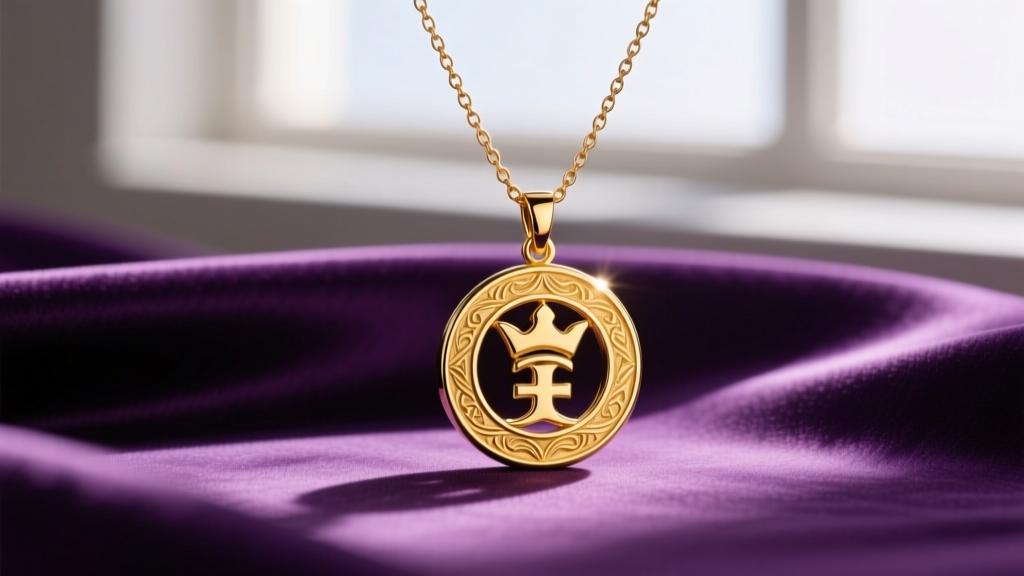
Step 2: Choosing the Right Chain and Bail
A common mistake when styling statement pendants is pairing them with chains that are either too flimsy or overwhelmingly thick. The Prince symbol pendant typically weighs between 8 and 14 grams, depending on the dimensions (usually 25mm to 30mm in height).
Chain Width vs. Pendant Weight
- 1.0mm - 1.2mm (Cable or Box Chain): Too fragile. A 12-gram pendant will snap a 1.0mm chain at the clasp over time due to kinetic stress.
- 1.5mm - 2.0mm (Box or Rope Chain): The sweet spot. A 1.5mm box chain offers a clean, modern backdrop that allows the intricate curves of the Love Symbol to stand out without competing for attention.
- 3.0mm+ (Cuban or Figaro): Too bulky. Thick chains visually overpower the delicate gender-symbol fusion and make the necklace look bottom-heavy.
The Bail Mechanics
As mentioned, avoid pendants where the chain simply threads through a narrow hole at the top of the male symbol loop. Look for a fixed European bail—a separate metal loop soldered to the back or top of the pendant. This allows the chain to slide freely while keeping the symbol perfectly upright against the sternum.
Step 3: Styling and Layering Techniques
Styling a Prince symbol necklace requires balancing its bold, cultural weight with your wardrobe. Here is a step-by-step framework for integrating it into your daily rotation.
The Solo Statement (18 to 20 Inches)
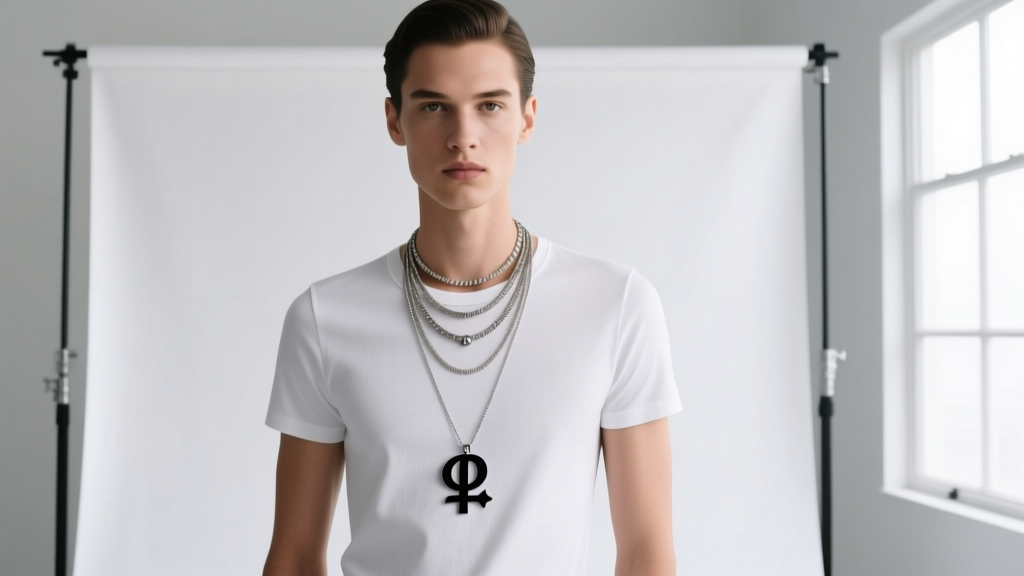
For a classic, unisex look, wear the pendant solo on an 18-inch (collarbone) or 20-inch (upper chest) chain. This length ensures the symbol rests in the visible neckline of both crewneck t-shirts and unbuttoned dress shirts. Pair a polished silver or gold piece with monochromatic outfits—think all-black streetwear or crisp white linen—to let the metal catch the light.
The Layered Stack (Rule of Thirds)
If you prefer a layered aesthetic, the Prince symbol necklace should always serve as the anchor piece (the longest chain in the stack). Follow this structural formula:
- Layer 1 (16 inches): A simple, thin 1.5mm silver herringbone chain sitting tight on the collarbone.
- Layer 2 (18 inches): A subtle textured chain or a small, minimalist geometric pendant (like a single diamond or onyx bead).
- Layer 3 (22 to 24 inches): Your Prince symbol necklace on a 2.0mm rope chain. This creates a cascading visual effect that draws the eye downward and prevents the chains from tangling.
Step 4: Navigating Copyright for Custom Pieces
One of the most complex aspects of acquiring a Prince symbol necklace is intellectual property. The Love Symbol is a registered trademark of Paisley Park Enterprises and NPG Records. Following the artist's passing in 2016, the Prince Estate has aggressively protected its intellectual property.
According to the United States Patent and Trademark Office (USPTO), trademark protection extends to jewelry designs and brand identifiers. This means that commercial jewelers cannot legally mass-produce and sell Prince symbol pendants without an official licensing agreement.
How to source legally:
- Official Estate Merchandise: Purchase directly from the official Prince store or licensed partners like Paisley Park.
- Vintage 1990s Tour Merch: Original pieces from the 1993-1999 "Love Symbol" tours are highly sought after on secondary markets like Etsy or specialized vintage dealers. These are protected under the first-sale doctrine.
- Custom 1-of-1 Tributes: While some fans commission private jewelers to 3D-model and cast a single piece for personal use, selling or commercially distributing these custom casts is a direct infringement of the Estate's rights.
For a deeper dive into the history of the symbol's creation and its impact on music copyright, Billboard's retrospective on the Love Symbol provides excellent historical context on why this shape became a global phenomenon.
Care and Maintenance
To keep your Prince symbol necklace looking pristine, you must account for the deep grooves and intersecting curves of the design, which are prone to trapping skin oils and environmental dust.
- Weekly Cleaning: Use a soft-bristled baby toothbrush and a few drops of mild dish soap in warm water. Gently scrub the intersection where the male and female symbols meet.
- Polishing: For sterling silver pieces, use a treated silver polishing cloth. Avoid liquid silver dips, as they can strip the rhodium plating and leave a chalky residue in the crevices of the symbol.
- Storage: Store the necklace flat in an anti-tarnish ziplock bag. Hanging heavy pendants on a jewelry tree for long periods can warp the chain links over time.
By understanding the unique geometry, material requirements, and styling mechanics of the Prince symbol necklace, you can wear this iconic piece of music history with the respect and sartorial elegance it deserves.


