How to Style a Rhinestone Lariat Necklace: A Beginner Guide
Learn how to tie, style, and choose the perfect rhinestone lariat necklace. Our beginner guide covers materials, neckline pairings, and tying techniques.

What Exactly is a Rhinestone Lariat Necklace?
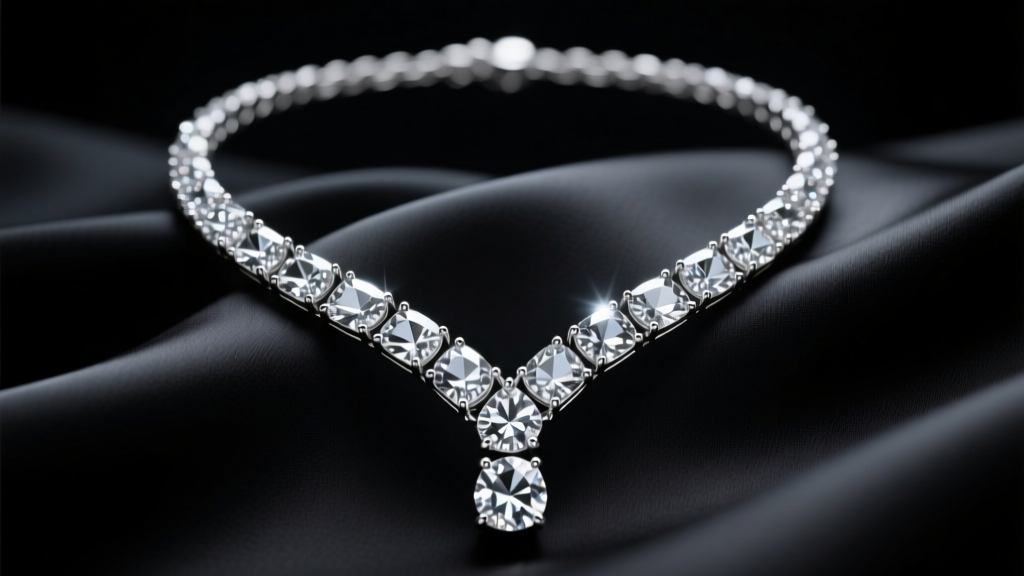
The claspless architecture of a lariat necklace offers unparalleled versatility, but its open-ended design often leaves beginners unsure of how to secure it. Unlike traditional chain necklaces that fasten at the nape of the neck, a lariat relies on gravity, friction, and strategic wrapping to stay in place. When you introduce the sparkle of a rhinestone lariat necklace into the mix, you elevate a simple strand into a dynamic, light-catching statement piece.
Anatomically, a standard lariat consists of three parts: the main chain (or cord), the slide (a decorative loop or ring that the chain threads through), and the drop (the weighted, often rhinestone-encrusted tail that hangs down). Understanding this anatomy is the first step to mastering the art of the lariat.
Decoding Rhinestone Quality: Crystal vs. Acrylic
Not all rhinestones are created equal. When shopping for a rhinestone lariat necklace, the material of the stones will dictate both the price point and the longevity of the piece. According to the Gemological Institute of America (GIA), the refractive index (RI) of a material determines its brilliance. Here is how the two main categories compare:
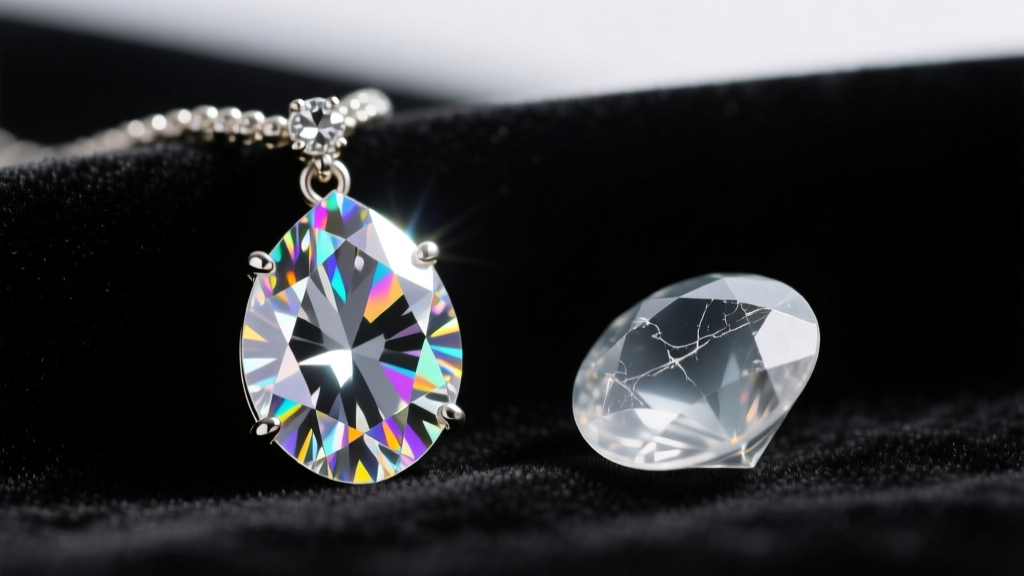
- Advanced Crystal (e.g., Preciosa or Swarovski): These are lead-free, high-grade glass crystals with an RI of roughly 1.5 to 1.7. They feature precision-cut facets that mimic diamonds and are often finished with an Aurora Borealis (AB) coating for iridescent color shifts. Expect to pay between $80 and $250 for a high-quality crystal lariat.
- Acrylic and Standard Glass: Acrylic stones have a lower RI (around 1.49) and are prone to scratching and yellowing over time. Standard glass rhinestones often rely on a painted foil backing to create sparkle. If this foil gets wet or degrades, the stone turns black or cloudy. These are budget-friendly ($15–$40) but require careful maintenance.
4 Foolproof Ways to Tie a Lariat Necklace
The most common beginner mistake is simply dropping the chain through the slide and hoping for the best. To achieve a secure, intentional look, try one of these four foundational tying techniques:
1. The Classic Y-Drop
Thread one end of the chain through the slide loop until the drop hangs at your desired length (usually sternum-level). Pull the opposite end of the chain to tighten the loop around your neck, leaving a small gap for comfort. This creates a symmetrical, elongating Y-shape.
2. The Choker Wrap
Wrap the entire length of the necklace around your neck twice. Let the two ends hang down in the front, and thread one end through the slide, pulling it tight against the base of your throat. This works best with lariats that are at least 36 inches long and features a smaller, more delicate rhinestone drop.
3. The Asymmetrical Side-Drape
Instead of centering the slide at the front of your collarbone, shift it to the left or right side. Let the shorter end rest on your shoulder while the longer rhinestone drop cascades down your chest. This is a highly editorial, modern styling technique that pairs beautifully with one-shoulder tops.
4. The Double-Loop Layered Illusion
Fold the necklace in half, drape it around your neck, and pull both loose ends through the slide loop. This creates the illusion of a layered, multi-strand necklace while keeping the sparkling rhinestone drop centered. It is incredibly secure and prevents the chain from slipping throughout the day.
Neckline Pairing Matrix
Matching your lariat style to your garment's neckline is crucial for a cohesive look. Use this quick-reference matrix to guide your styling:
| Neckline | Best Lariat Style | Why It Works |
|---|---|---|
| V-Neck | Classic Y-Drop | Mirrors the garment's natural geometry, elongating the torso without competing with the fabric. |
| Scoop Neck | Choker Wrap or Short Y | Fills the negative space of a wide scoop neck, drawing the eye upward toward the face. |
| Strapless | Asymmetrical Drape | Adds vertical interest to bare shoulders and collarbones, breaking up horizontal lines. |
| Turtleneck | Long, Sweeping Y-Drop | Sits cleanly over the dense fabric; the rhinestone drop provides a necessary focal point against the solid textile. |

Chain Materials and Skin Sensitivities
Because a lariat necklace constantly slides against your skin and clothing, the base metal of the chain is just as important as the rhinestones. If you have sensitive skin or nickel allergies, pay close attention to these material grades:
- Sterling Silver (925): The gold standard for durable, hypoallergenic silver chains. It contains 92.5% pure silver and is usually alloyed with copper. It will tarnish over time but is easily polished.
- Gold Vermeil: Not to be confused with standard gold plating. By US standards, vermeil must have a sterling silver base and a gold layer that is at least 2.5 microns thick. It is highly durable and safe for sensitive skin, typically priced between $60 and $150.
- Brass with Flash Plating: Often found in fast-fashion lariats under $20. The thin gold or silver plating will wear off quickly, exposing the brass underneath, which can oxidize and turn your skin green due to the copper content.
Common Beginner Mistakes to Avoid
Even with the right materials, improper handling can ruin a delicate piece of jewelry. Avoid these three critical errors:
- Forcing the Chain Through a Tight Slide: If the slide loop is too small for the chain's gauge, do not yank it. Friction will weaken the metal links, eventually causing the chain to snap. Ensure the chain gauge (usually 1.0mm to 1.5mm for lariats) glides smoothly through the slide.
- Using Ultrasonic Cleaners: While ultrasonic cleaners are great for solid gold or plain silver, they will destroy the foil backing on standard glass rhinestones and can strip the AB coating off crystals.
- Storing Without Untangling: Because lariats lack a clasp, they are notorious for knotting. Always store your rhinestone lariat necklace hanging on a jewelry stand or laid perfectly flat in a lined box.
Care and Maintenance for Maximum Sparkle
To keep your rhinestones refracting light beautifully, they require specific cleaning methods. The Jewelers of America recommends gentle, non-chemical approaches for delicate gemstone simulants. Mix a few drops of mild dish soap into a bowl of lukewarm water. Dip a soft-bristled baby toothbrush into the solution and gently brush the rhinestones and the chain. Rinse quickly under a low stream of water, ensuring you do not soak the piece, and immediately pat it dry with a microfiber cloth. Never use silver polish directly on the rhinestones, as the harsh abrasives will cloud the facets.
Final Thoughts
Mastering the rhinestone lariat necklace is all about understanding the mechanics of the slide, respecting the quality of the crystals, and matching the drape to your outfit's architecture. By investing in high-grade crystal or glass, choosing hypoallergenic chain metals like sterling silver or vermeil, and practicing the four core tying techniques, you can transform this intimidating accessory into your most versatile wardrobe staple.


