The Beginner's Guide to Styling a Carolee Pearl Necklace
Discover how to identify, style, and care for a Carolee pearl necklace. Our beginner guide covers vintage marks, pricing, and modern layering tips.

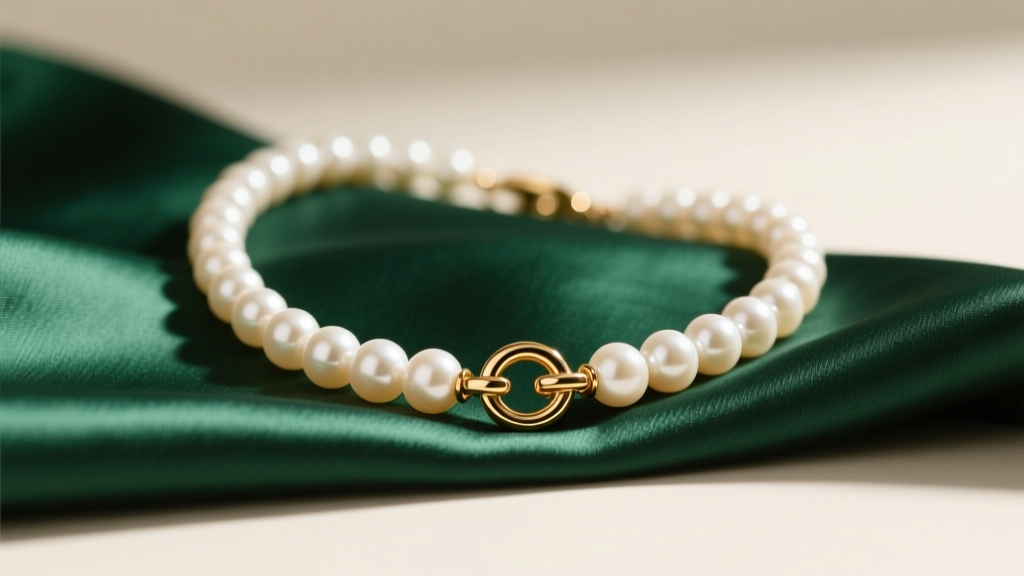
The Enduring Appeal of Carolee Pearls
When building a foundational jewelry wardrobe, few pieces offer the immediate elegance and versatility of a classic pearl strand. For beginners navigating the intersection of vintage charm and accessible luxury, a Carolee pearl necklace is often the perfect starting point. Founded in the 1970s, Carolee built its reputation on delivering high-quality fashion jewelry that mirrored the opulence of fine jewelry counterparts, making sophisticated designs accessible to a broader audience. Whether you have inherited a multi-strand masterpiece from the 1980s or are hunting for a vintage single-strand on an estate resale site, understanding the nuances of this iconic brand will elevate your styling and purchasing confidence.
Unlike fine jewelry brands that deal exclusively in solid gold and natural saltwater pearls, Carolee mastered the art of gold-tone plating and high-end simulated pearls. This beginner-friendly explainer will decode the materials, authentication markers, and modern styling frameworks you need to wear your Carolee pieces with contemporary flair.
Simulated vs. Freshwater: Understanding the Materials
One of the most common points of confusion for new collectors is identifying exactly what kind of pearls Carolee uses. The brand is most famous for its simulated pearls, though they have also released collections featuring genuine freshwater pearls over the decades. Carolee's proprietary simulated pearls are not simple plastic beads; they are typically crafted from a solid glass core that is dipped multiple times in a specialized pearlescent lacquer. This process yields a heavy, cool-to-the-touch bead with a deep, mirror-like luster that closely mimics high-grade Akoya pearls.
Understanding the difference between these two material lines is critical for determining value, care requirements, and styling applications.
| Feature | Carolee Simulated Pearls | Carolee Freshwater Pearls |
|---|---|---|
| Core Material | Weighted glass bead | Organic nacre (mussel) |
| Surface Luster | Flawless, mirror-like, uniform | Subtle variations, natural blemishes |
| Weight & Drape | Heavier, structured drape | Lighter, fluid drape |
| Vintage Pricing | $25 - $85 (Single strand) | $60 - $150+ (Single strand) |
| Durability | Prone to chipping if dropped | Prone to etching from acids/sweat |
If you are purchasing a Carolee pearl necklace for everyday wear, the simulated glass options offer incredible durability against sweat and cosmetics, provided you do not drop them on hard tile surfaces, which can chip the lacquer coating.
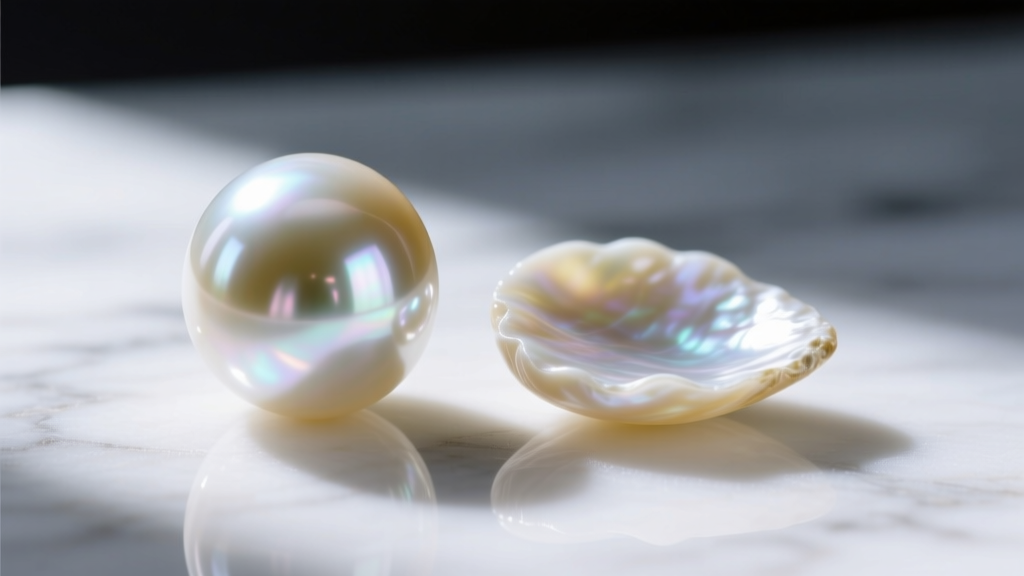
Authenticating Vintage Carolee Clasps and Markings
The vintage jewelry market is flooded with unbranded pearl strands, so knowing how to authenticate a genuine Carolee piece is an essential skill. According to the authentication guides at Lang Antiques, maker's marks are the primary way to date and verify fashion jewelry. Carolee's markings have evolved, but they consistently appear on the clasp hardware or a small metal hangtag attached near the clasp.
Key Authentication Markers
- The Clasp Stamp: Look for the word 'Carolee' stamped in a clean, serif or sans-serif font directly onto the fold-over clasp or lobster claw. On older 1980s pieces, the stamp may be accompanied by a copyright symbol (©).
- Figure-8 Safety Catches: Vintage multi-strand Carolee necklaces often feature heavy gold-tone fold-over clasps equipped with a 'figure-8' wire safety catch. This secondary wire snaps over the clasp hinge to prevent the necklace from falling off if the primary latch fails.
- Metal Base: Carolee primarily used brass or pewter as a base metal, plated in 14k or 18k gold-tone finishes. If a magnet sticks strongly to the clasp, it is likely a later reproduction or a different brand, as brass and pewter are non-magnetic.
- Hangtags: Many pieces from the 1990s and 2000s feature a small, oval metal hangtag engraved with the brand name, attached to the first link next to the clasp.
Modern Styling Frameworks for Classic Strands
The traditional perception of a pearl necklace is often tied to conservative, formal wear. However, in 2026, the styling paradigm has shifted toward juxtaposition—mixing the refined luster of pearls with casual, textured, or edgy garments. A Carolee pearl necklace is the ultimate tool for this high-low styling approach.
Pairing with Necklines
The length of your Carolee strand dictates its ideal neckline pairing. Here is a practical framework for the most common lengths:
- 16-Inch Choker: Best paired with V-necks, scoop necks, or off-the-shoulder tops. The choker sits high on the collarbone, drawing the eye upward and framing the face. Avoid wearing this length with high crew necks, as it will compete with the fabric line.
- 18-Inch Princess: The most versatile length. It rests perfectly on the collarbone and pairs beautifully with button-down shirts (tucked inside the collar for a preppy look) or wide boatneck sweaters.
- 24 to 30-Inch Opera/Rope: Ideal for layering or wearing over high-necked garments like turtlenecks and mock-necks. You can also double-wrap a 30-inch rope strand to create a voluminous, layered choker effect.
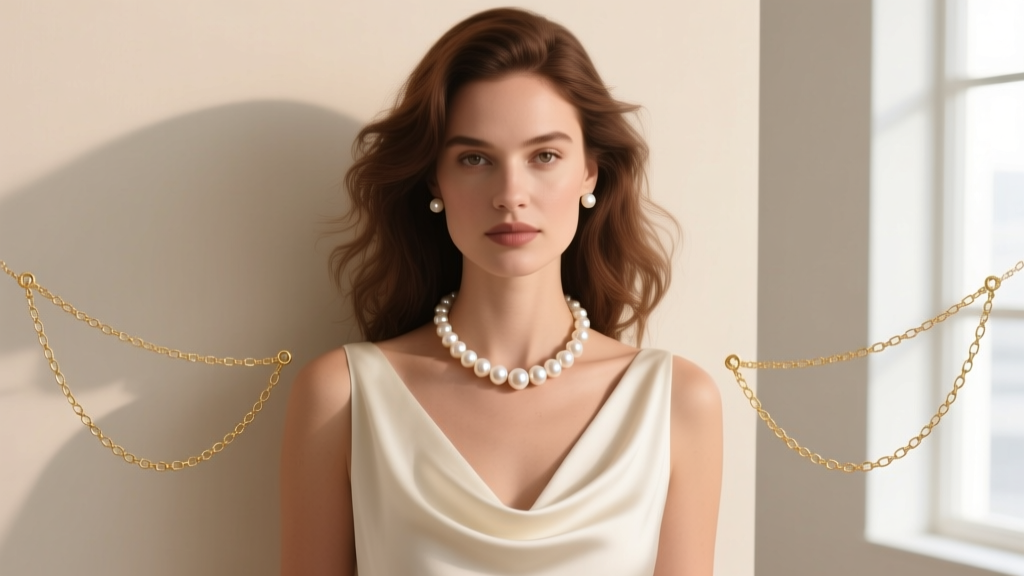
The Art of the Mixed-Metal Layer
To modernize a vintage Carolee gold-tone pearl strand, integrate it into a mixed-metal layering stack. Start with your 18-inch Carolee pearl necklace as the anchor piece. Add a 20-inch delicate gold vermeil satellite chain, and finish with a 22-inch oxidized silver pendant necklace. The contrast between the creamy pearls, the bright gold, and the moody silver creates a curated, eclectic aesthetic that feels deeply personal and contemporary.
Essential Care Protocols for Gold-Tone and Pearls
Fashion jewelry requires specific maintenance to preserve its finish. While fine jewelry can often withstand harsh chemicals and ultrasonic cleaners, a Carolee pearl necklace demands a gentler touch. The gold-tone plating over the brass base is relatively thin, and the pearlescent lacquer on simulated pearls can be degraded by alcohol and acids.
The Gemological Institute of America (GIA) emphasizes that pearls—both natural and simulated—are highly susceptible to damage from everyday cosmetics. To protect your investment, adopt the 'Last On, First Off' rule. Your pearl necklace should be the very last item you put on after applying perfume, hairspray, and lotions, and the first item you take off when you return home.
Cleaning and Storage
Never use commercial silver dips, ammonia, or ultrasonic cleaners on your Carolee jewelry. Instead, wipe the pearls down with a soft, lint-free microfiber cloth slightly dampened with water and a drop of mild, phosphate-free dish soap. Dry them immediately. Store the necklace flat in a lined jewelry box or a soft cotton pouch. Hanging pearl necklaces for long periods can stretch the nylon or silk threading, leading to gaps between the beads and eventual strand failure. By following these targeted care protocols, your Carolee pearls will maintain their brilliant luster and structural integrity for decades to come.


