Best Summer Beaded Necklaces 2026: Value & Budget Guide
Discover the true value of summer beaded necklaces in 2026. Compare materials, pricing tiers, and durability to make smart, budget-friendly choices.

The Real Cost of Summer Beaded Necklaces: Beyond the Price Tag
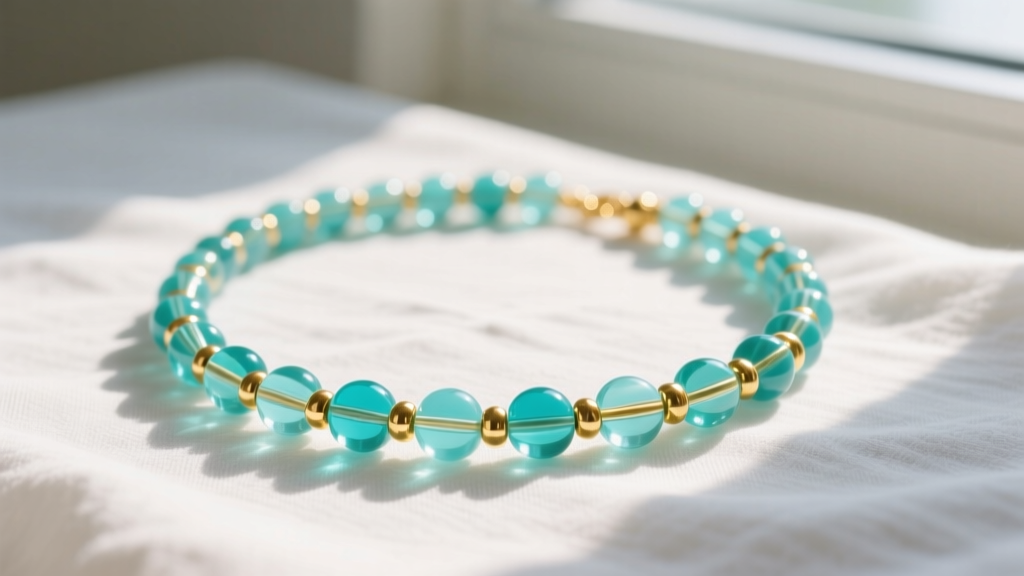
As the 2026 resort season approaches, the market is flooded with summer beaded necklaces promising effortless coastal vibes and vibrant bohemian aesthetics. However, the seasonal jewelry market is notorious for inflated markups on subpar materials. A $60 price tag does not guarantee a $60 value, especially when fast-fashion brands leverage seasonal trends to move inventory that costs less than $4 to produce. Assessing the true value of beaded jewelry requires looking past the color palette and examining the structural integrity, material origins, and hardware quality. This guide breaks down the exact metrics you need to evaluate whether a summer beaded necklace is a worthwhile investment or a disposable seasonal fad.
Material Breakdown: Glass vs. Natural Stone vs. Acrylic
The beads themselves dictate the baseline value and longevity of the piece. Summer environments introduce harsh variables: intense UV radiation, saltwater, chlorine, and chemical-heavy sunscreens. Different materials react to these elements in drastically different ways.
| Material | Avg. Cost (18") | UV Resistance | Sweat/SPF Resistance | Value Verdict |
|---|---|---|---|---|
| Acrylic / Resin | $8 - $20 | Poor (Yellows) | Moderate | Low (Disposable) |
| Dyed Howlite | $15 - $35 | Good | Poor (Dye bleeds) | Low (Deceptive) |
| Murano / Lampwork Glass | $45 - $90 | Excellent | Excellent | High (Artisan) |
| Natural Turquoise (Stabilized) | $120 - $250+ | Excellent | Good (Needs care) | High (Investment) |
Acrylic beads are essentially molded plastics. While lightweight and cheap, the polymers in acrylic degrade rapidly under UV exposure. A necklace worn daily during a beach vacation will likely develop a cloudy, yellowed tint within a single season. Conversely, glass beads—particularly artisan lampwork or Murano glass—are completely inert. They will not react with avobenzone (a common UV filter in sunscreens) and will maintain their luster indefinitely, making them a superior mid-budget choice.
Pricing Tiers: What Should You Actually Pay?
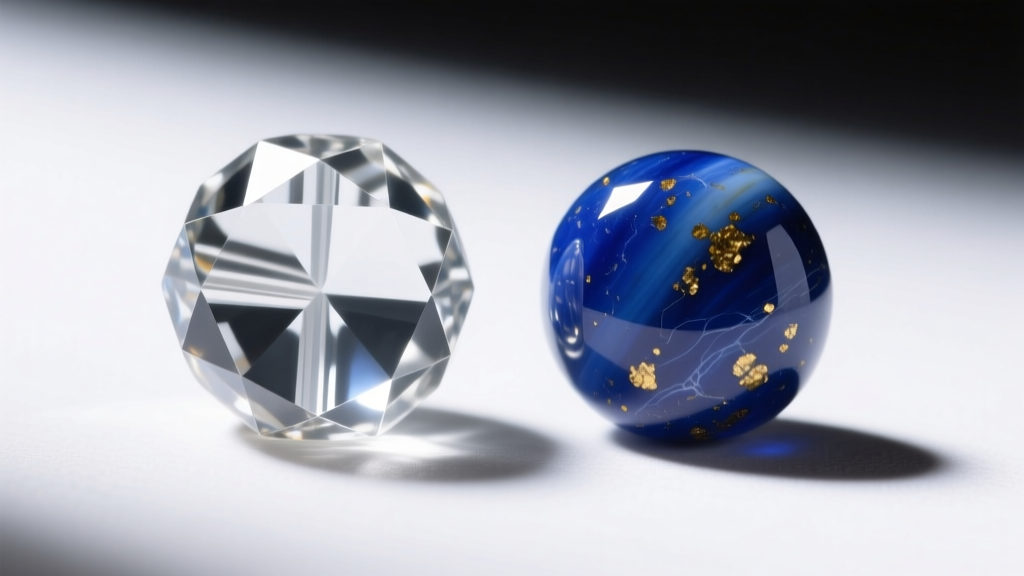
To accurately assess value, we must categorize summer beaded necklaces into three distinct pricing tiers based on their manufacturing and material sourcing.
Tier 1: Fast Fashion Acrylic & Resin ($5 - $25)
At this price point, you are paying purely for the design silhouette. These necklaces typically utilize elastic cord (which degrades and snaps when exposed to sunscreen oils) and base-metal clasps that will tarnish green upon contact with sweat. Value Assessment: Only purchase if you view the item as a single-season accessory. Expect a lifespan of 3 to 6 months with regular wear.
Tier 2: Semi-Precious & High-Grade Glass ($30 - $85)
This is the sweet spot for most consumers. You will find genuine semi-precious stones like agate, jade, and quartz, alongside high-quality Czech glass. The hardware should be gold-plated brass or stainless steel, and the stringing material should be nylon-coated wire. Value Assessment: Excellent cost-per-wear ratio. A $50 glass-beaded necklace that lasts five years offers vastly superior value to a $20 acrylic piece that breaks in July.
Tier 3: Artisan & Rare Gemstone Beads ($100 - $300+)
This tier features genuine, often stabilized, turquoise, high-grade lapis lazuli, and hand-carved coral or shell. The hardware will be 14k gold-filled or solid sterling silver, and the stringing will utilize premium 49-strand micro-wire. Value Assessment: High. These pieces retain intrinsic material value and can be restrung and worn for decades.
Hardware & Stringing: The Hidden Value Killers
A necklace is only as strong as its stringing material. The failure rate of summer jewelry is overwhelmingly tied to the cord or wire used to hold the beads together.
- Elastic Cord: The cheapest option. Sunscreen lotions and natural body oils break down the elastane fibers, causing the cord to stretch out and eventually snap without warning.
- Silk Thread: Traditional for pearls, but terrible for heavy summer stone beads. Silk absorbs sweat and moisture, leading to rot and stretching over time.
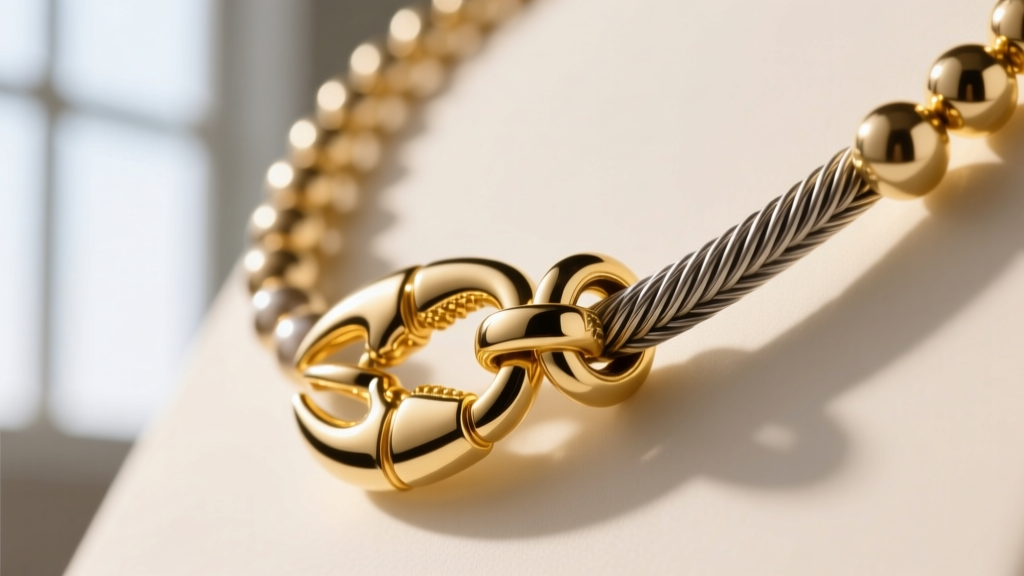
- Nylon-Coated Stainless Steel Wire: The industry gold standard. Brands like Beadalon use a 49-strand braided steel wire coated in nylon. It offers the drape of thread with the tensile strength of steel, completely impervious to sweat, saltwater, and UV rays.
Furthermore, inspect the clasp. Magnetic clasps are convenient but often fail when the necklace is snagged on a towel or swimwear. A sturdy lobster claw or a well-weighted toggle clasp is a hallmark of a brand that values longevity over mere aesthetics.
How to Spot Overpriced 'Summer' Jewelry
The most common value trap in summer jewelry collections is the misrepresentation of dyed stones as natural, high-value gems. Turquoise is the most frequently counterfeited summer bead.
Unscrupulous manufacturers dye porous white howlite or magnesite to mimic the bright blue-green matrix of genuine turquoise. According to the FTC Jewelry Guides, sellers are legally required to disclose if a stone has been dyed or treated, yet many overseas e-commerce vendors bypass these regulations. If you see a 'turquoise' necklace with perfectly uniform, bright blue coloring and sharp, black webbing priced under $40, it is almost certainly dyed howlite. When exposed to heavy summer sweating, the dye can bleed onto your skin and clothing.
Similarly, the GIA Gem Encyclopedia notes that genuine turquoise is often 'stabilized' with a clear epoxy resin to prevent it from absorbing oils and changing color. Stabilization is an accepted and necessary practice for genuine stones, but it should be priced significantly higher than dyed imitations. Always ask the jeweler if the beads are stabilized, dyed, or completely natural.
Care & Longevity: Maximizing Your Investment
A high-quality beaded necklace should be treated like a garment: put it on after your sunscreen has fully absorbed, and take it off before you apply your evening skincare acids.
To protect the value of your summer beaded necklaces, adopt a strict 'last on, first off' rule. Chemical sunscreens, self-tanners, and insect repellents contain solvents that can strip the polish from natural stones and degrade cheap metal platings. When you return from the beach, rinse your stone and glass beaded necklaces in fresh, lukewarm water to remove salt and chlorine, then lay them flat to dry. Never hang a heavy beaded necklace while wet, as the added weight can stretch the stringing material over time.
Ultimately, the true value of a summer beaded necklace is not determined by the brand name on the tag, but by the transparency of its materials and the engineering of its construction. By prioritizing inert materials like glass or genuine stabilized stones, and demanding nylon-coated wire stringing, you can build a vibrant, durable summer jewelry collection that outlasts the fleeting seasonal trends.


