Sun Charm Necklace Troubleshooting: Fix Tarnish, Snags, and Breaks
Is your sun charm necklace tarnishing, snagging, or breaking? Learn expert troubleshooting tips to fix enamel chips, clean intricate rays, and prevent damage.

The Anatomy of a Sun Charm: Why They Fail
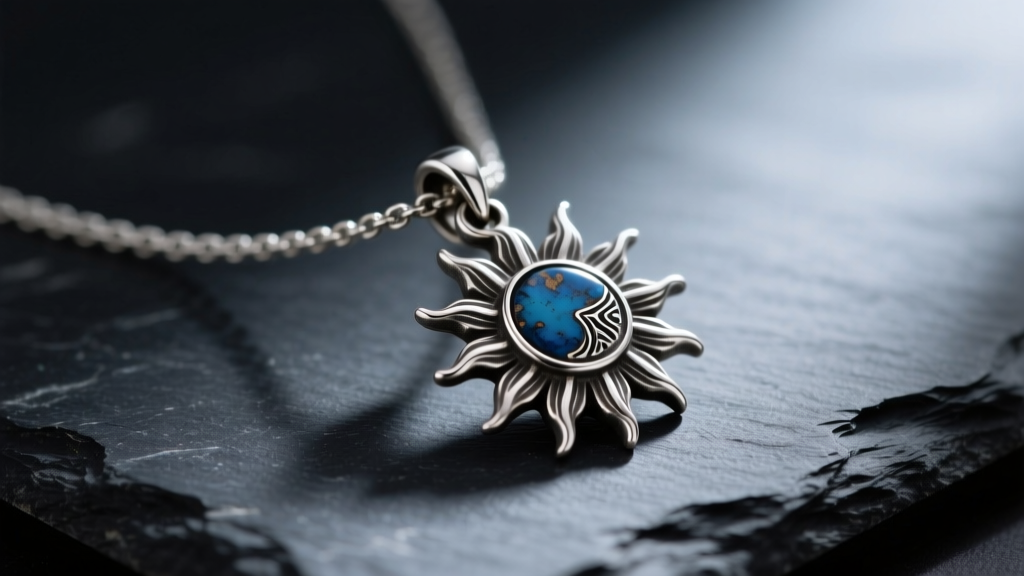
Sun charm necklaces are a staple in celestial jewelry collections, but their intricate designs make them uniquely prone to specific types of wear and tear. Unlike simple geometric pendants, a sun charm features protruding rays, mixed-material inlays, and often a heavy central face. In 2026, as vintage and artisan-crafted sun pendants continue to surge in popularity, we are seeing a corresponding rise in customer complaints regarding trapped tarnish, enamel degradation, and chain snagging.
To effectively troubleshoot your sun charm necklace, you must first understand its structural vulnerabilities. The deep grooves between the sun’s rays act as microscopic traps for moisture, skin oils, and sulfur compounds. Meanwhile, the bail—the loop connecting the charm to the chain—endures disproportionate friction due to the pendant's top-heavy weight distribution. Below, we break down the exact failure modes of sun charms and provide actionable, metallurgically sound solutions.
Troubleshooting Matrix: Common Sun Charm Defects
| Defect | Primary Cause | DIY Fix | Professional Intervention |
|---|---|---|---|
| Deep Crevices Tarnish | Sulfur trapping in ray grooves | Toothpick and polishing cloth method | Ionic cleaning (if no porous gems) |
| Enamel Chipping | Impact or thermal shock | Clear UV resin micro-fill | Kiln-fired vitreous re-enameling |
| Snagging on Knitwear | Sharp 90-degree ray edges | Emery board micro-buffing | Jeweler's micro-beveling and polishing |
| Bail Thinning / Breakage | Friction from heavy pendant swing | Replace with 18-gauge jump ring | Soldered bail replacement |
Issue 1: Tarnish Trapped in Intricate Sun Rays
The most common complaint with sterling silver (925) sun charms is stubborn black tarnish lodged deep within the ray crevices. Standard silver dips and polishing cloths cannot reach these recessed areas. Furthermore, many owners make the critical mistake of using ultrasonic cleaners. According to the Gemological Institute of America (GIA), ultrasonic vibrations can easily fracture porous gemstones often used as sun centerpieces, such as turquoise, opal, or lapis lazuli.
The Solution: Abandon liquid dips, which can strip intentional antiquing (oxidation) from the design. Instead, use a dry, chemical-impregnated silver polishing cloth. Wrap the cloth tightly around the tip of a wooden toothpick or a bamboo skewer. Gently run the wrapped tip along the grooves between the rays. The wood provides enough rigidity to push the cloth into the crevices without scratching the silver, while the chemical agents lift the silver sulfide. For sun charms featuring turquoise or pearl centers, this dry method is the only safe approach.
Issue 2: Enamel Chipping on the Sun Face
Many modern sun charms utilize enamel to create vibrant, contrasting faces. It is vital to identify whether your pendant uses vitreous enamel (kiln-fired glass) or cold enamel (epoxy resin). Cold enamel, while cheaper and common in fashion jewelry, is highly susceptible to chipping, yellowing from UV exposure, and peeling due to thermal expansion mismatches with the brass or silver base.
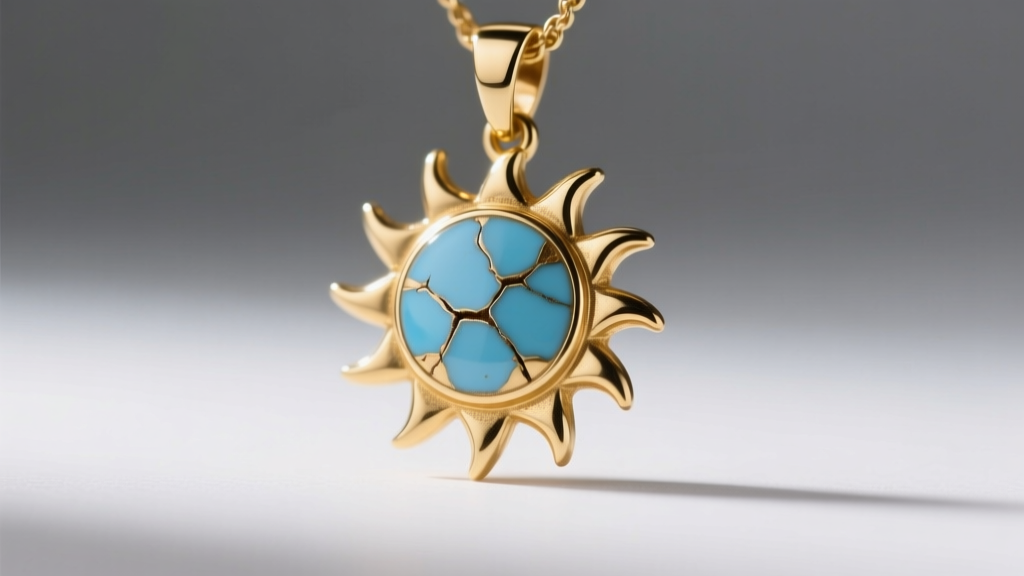
The Solution: If your cold enamel has chipped, do not attempt to use superglue, which will dry cloudy and ruin the aesthetic. For a temporary DIY fix, apply a micro-drop of clear, UV-curing jewelry resin into the chip, level it with a toothpick, and cure it under a UV lamp for 60 seconds. For a permanent restoration on a high-value piece, consult a lapidary artist who can carefully drill out the remaining cold enamel and replace it with vitreous enamel, which is fused to the metal at 1,400°F and will never peel or yellow.
Chain Snagging and Bail Wear: The Hidden Culprits
Sun charms are notorious "knitwear hazards." The protruding rays act like tiny hooks that catch on sweaters, scarves, and lace. Additionally, the bail connecting the charm to the chain is a major structural weak point. A solid brass or silver sun charm measuring 20mm in diameter typically weighs between 5 and 9 grams. This concentrated weight, combined with the pendulum-like swinging motion as you walk, creates severe friction at the jump ring.
Eliminating the Snag Hazard
If your sun charm constantly catches on your clothing, the issue is likely the edge profile of the rays. Mass-produced charms are often stamped or cast with sharp, 90-degree outer edges.
- DIY Micro-Buffing: Take a fine-grit emery board (minimum 400 grit) and very lightly run it along the outer tips and edges of the sun rays. Your goal is not to remove metal, but to slightly round off the microscopic burrs left from the casting process.
- Professional Beveling: A bench jeweler can use a silicone polishing wheel to apply a micro-bevel to the edges of the rays. This reduces the catch-angle to near zero while maintaining the sharp visual geometry of the sunburst design.
Upgrading the Bail and Jump Ring
The Jewelers of America organization frequently highlights that standard 20-gauge or 22-gauge jump rings are insufficient for heavy pendants. Over time, the friction from the chain will literally saw through the jump ring, leading to a lost charm.
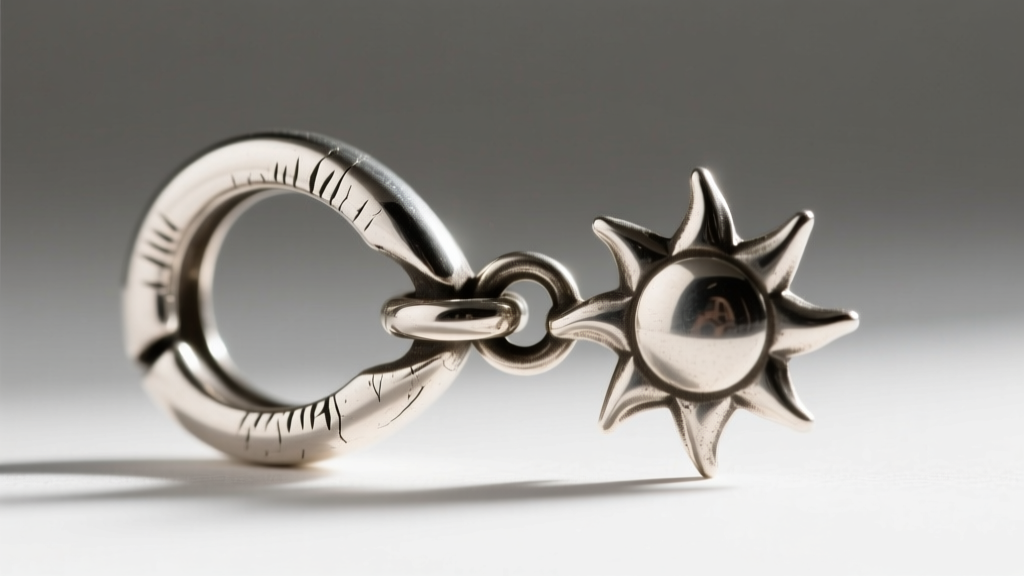
The Fix: Inspect the connection point. If you see a deep groove worn into the metal, immediate action is required. Have a jeweler replace the standard split jump ring with an 18-gauge or 16-gauge soldered jump ring. A soldered ring has no seam, meaning the chain cannot slip through a gap, and the thicker wire gauge provides the necessary mass to resist friction wear from a heavy sun pendant. If the charm uses a glued-in bail, apply a tiny drop of Loctite 454 (a gel-based cyanoacrylate) to the base to prevent rotational loosening.
Step-by-Step Restoration Guide for Vintage Sun Pendants
If you have inherited or thrifted a heavily worn vintage sun charm necklace, follow this systematic restoration framework to bring it back to life without destroying its historical patina.
Expert Rule of Thumb: Never strip all the oxidation from a vintage sun charm. The dark tarnish in the recessed areas provides contrast that makes the intricate ray details pop. Clean only the high-polish surfaces.
- Initial Degreasing: Soak the metal portions (avoiding any porous stones) in a bowl of warm water with a single drop of mild, phosphate-free dish soap for 5 minutes. Use a baby-hair toothbrush to gently dislodge surface grime.
- Selective Polishing: Use a silver polishing cloth only on the raised, flat surfaces of the sun's face and the tops of the rays. Avoid the deep grooves.
- Stone Hydration: If the sun's center features a cabochon turquoise or opal, wipe it with a barely damp microfiber cloth and apply a microscopic amount of mineral oil to restore its luster and prevent crazing.
- Hardware Check: Test the tension of the lobster clasp and inspect the solder points on the chain. Vintage chains often have weak solder joints that cannot support the weight of a heavy sun charm.
Preventative Care Framework for Daily Wear
To ensure your sun charm necklace remains a staple in your rotation for years to come, implement these three preventative habits:
- The "Last On, First Off" Rule: Sun charms, especially those with gold vermeil (which requires a minimum of 2.5 microns of gold over sterling silver), are highly vulnerable to the chemicals in perfumes, hairsprays, and lotions. Always put your necklace on after your beauty routine is complete, and take it off immediately upon returning home.
- Proper Storage Geometry: Never toss a sun charm into a communal jewelry box. The hard rays will scratch softer gold chains or pearl necklaces. Store the pendant flat in an anti-tarnish flannel pouch, or hang it individually to prevent the chain from wrapping around the rays and causing kinks.
- Moisture Control: If you live in a high-humidity climate, place a silica gel packet inside your jewelry storage container. Moisture acts as a catalyst for the sulfur-tarnishing process, and keeping the ambient humidity below 40% will drastically slow down the oxidation of your sterling silver sun charms.
By understanding the unique structural challenges of sun charm necklaces and applying these targeted troubleshooting techniques, you can preserve both the intricate artistry and the metallurgical integrity of your favorite celestial pieces.


