Sundial Necklace Price Guide 2026: Is It Worth It?
Discover the true value of a sundial necklace in 2026. We break down pricing tiers, metal grades, and horological craftsmanship to guide your budget.

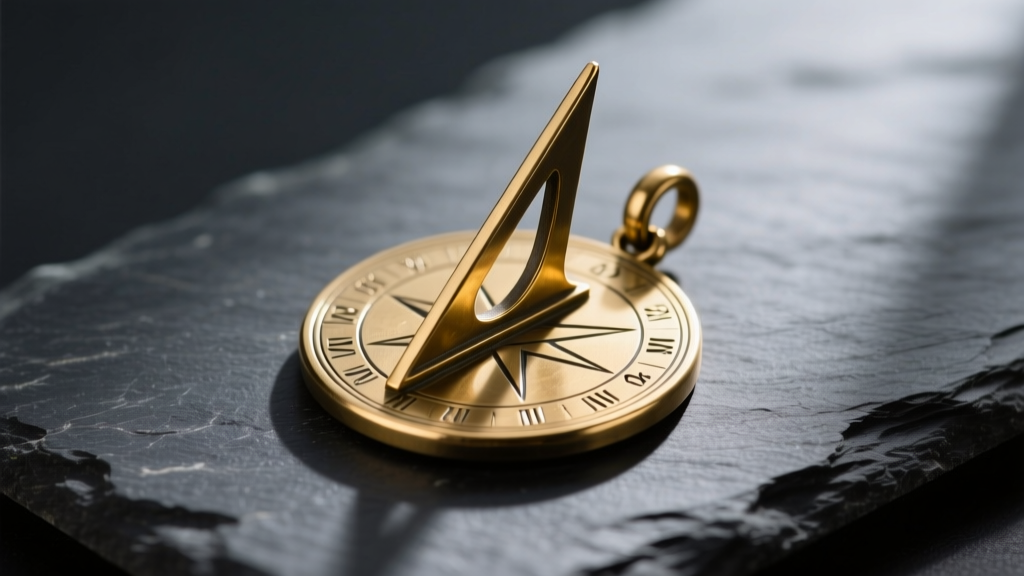
The intersection of horology and wearable art has rarely been as fascinating as the sundial necklace. Once a niche curiosity reserved for historical reenactors and maritime enthusiasts, this functional piece of jewelry has surged into the mainstream artisan market. However, as demand has spiked in 2026, so has the influx of mass-produced, purely decorative knockoffs. For the discerning buyer, separating a genuine horological instrument from a cheap, stamped piece of zinc alloy is critical to ensuring you get actual value for your money.
In this comprehensive budget and value assessment, we will deconstruct the anatomy, metallurgy, and pricing tiers of the modern sundial necklace. Whether you are looking for a functional solar timepiece or a meticulously crafted heirloom, understanding where your money goes is the first step in making a smart purchase.
The Anatomy of a True Sundial Necklace
Before assessing price, you must understand what you are paying for. A genuine sundial pendant relies on three critical components to function, and the craftsmanship of these parts directly dictates the cost.
- The Gnomon: This is the raised blade or pin that casts the shadow. In high-end pieces, the gnomon is angled precisely (often at 45 degrees for generic use, or calibrated to a specific latitude for bespoke commissions). Cheap versions merely feature a flat, printed, or shallow-stamped line that cannot cast a usable shadow.
- The Dial Plate: The flat or slightly concave face featuring the hour lines. True hour lines are mathematically calculated and deeply engraved or milled, not laser-etched onto a thin sheet of metal.
- The Bail and Orientation Loop: A functional sundial necklace must hang perfectly plumb. High-value pieces feature a weighted bail or a specialized suspension ring that ensures the dial plate remains parallel to the ground when worn.
2026 Market Pricing & Value Tiers
The market for a sundial necklace is currently segmented into three distinct tiers. Use this table to benchmark any piece you are considering purchasing.
| Tier | Price Range (2026) | Materials & Construction | Value Verdict |
|---|---|---|---|
| Tier 1: Fast Fashion | $15 – $35 | Zinc alloy or brass-plated steel. Flat stamped "gnomon". Mass-cast in overseas factories. | Poor. Purely decorative. Prone to skin discoloration and rapid tarnishing. |
| Tier 2: Artisan Cast | $65 – $160 | Solid C46400 Naval Brass or Silicon Bronze. 3D cast gnomon. Deeply engraved dial. | High. The sweet spot for daily wear. Functional, durable, and develops a rich patina. |
| Tier 3: Master Horologist | $280 – $850+ | 925 Sterling Silver or 14k Gold. CNC-milled or hand-engraved. Latitude-specific calibration. | Heirloom. Museum-quality craftsmanship. An investment piece for serious collectors. |
If you are spending over $40 on a sundial necklace, you should absolutely expect solid, non-plated base metals at a minimum. According to the National Association of Watch and Clock Collectors (NAWCC), the integrity of the time-telling mechanism—even in miniature jewelry forms—relies heavily on the precision of the casting and the stability of the suspension.

Metallurgy: What Justifies the Premium?
When evaluating the budget versus the value of a sundial necklace, the metal grade is your most reliable indicator of longevity. Skin oils, sweat, and environmental humidity are the natural enemies of jewelry. Here is how the most common metals stack up in real-world wear.
C46400 Naval Brass vs. Standard Yellow Brass
Many mid-tier artisans use standard yellow brass (an alloy of copper and zinc). While beautiful when polished, standard brass is highly susceptible to dezincification when exposed to the acidic pH of human sweat. In contrast, C46400 Naval Brass includes a small percentage of tin, which drastically increases its corrosion resistance. A sundial necklace cast in naval brass will cost about 20% more than standard brass, but it will survive decades of daily chest-wear without pitting or turning your skin green. This makes the slight premium entirely worth the investment.
The 925 Sterling Silver Dilemma
Sterling silver is the standard for Tier 3 fine jewelry sundial necklaces. However, silver is a relatively soft metal. If the gnomon is cast in silver, it can easily bend if the pendant is dropped or snagged on clothing, ruining the precise angle required to tell time. High-end silversmiths solve this by either using a thicker, reinforced gnomon design or by inlaying a hardened steel or titanium shadow-caster into the silver dial plate. When buying a silver sundial necklace, always inspect the gnomon's thickness. If it is paper-thin, the piece is decorative, regardless of the precious metal price tag.
Functional vs. Decorative: The Horological Test
How do you know if the artisan you are buying from has actually done the math? The British Sundial Society notes that a functional dial requires hour lines that radiate from the base of the gnomon at mathematically specific intervals, not just evenly spaced lines drawn for aesthetic symmetry.
The Solar Noon Test: If you already own the piece or are evaluating it in person, take it outside on a sunny day. Hold the pendant perfectly level. Rotate it until the shadow of the gnomon falls exactly on the 12:00 (XII) line. Check the current local solar time (which you can find via astronomical apps, adjusting for your longitude and the equation of time). If the shadow aligns within a 15-minute margin of error, you own a functional horological instrument. If the shadow is completely misaligned or the hour lines are purely decorative, you have purchased a fashion accessory. Adjust your budget expectations accordingly.
Chain Pairing: The Hidden Cost of Suspension
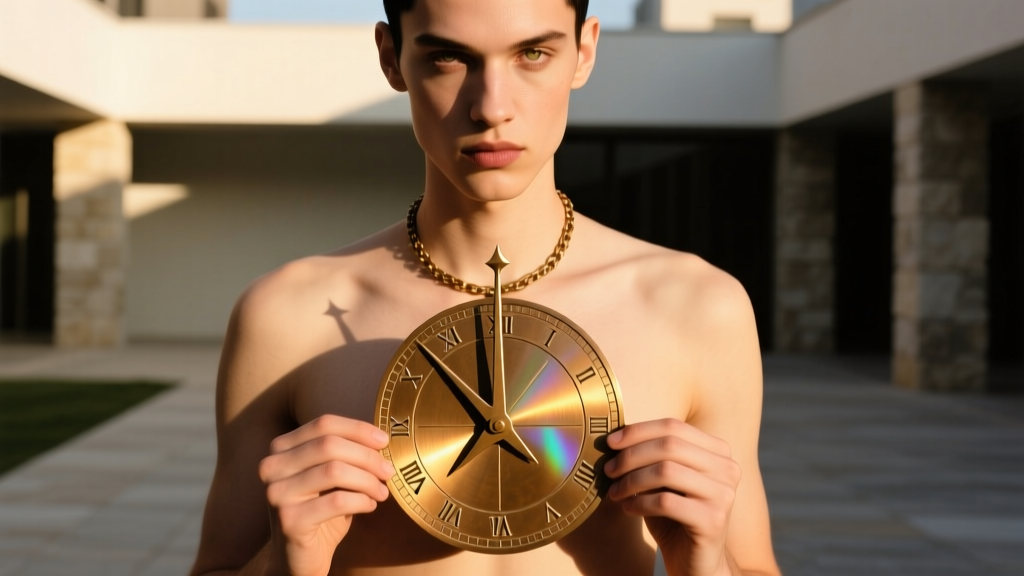
A common mistake buyers make when budgeting for a sundial necklace is forgetting the chain. Because functional sundial pendants require a solid, heavy dial plate and a raised gnomon, they are inherently heavier than standard pendants. A solid brass or silver sundial pendant typically weighs between 18 and 35 grams.
Do not pair a 30-gram pendant with a delicate 1mm cable chain; it will snap within weeks. To protect your investment, budget an additional $40 to $90 for a proper chain. A 2.5mm to 3.5mm Wheat chain or a heavy Rolo chain provides the necessary tensile strength while complementing the historical, nautical aesthetic of the sundial. Furthermore, ensure the clasp is a sturdy lobster claw or a spring ring rated for at least 50 grams of tension.
Final Verdict: How to Budget for Your Purchase
Is a sundial necklace worth the price? The answer depends entirely on your expectations. If you are looking for a whimsical, steampunk-inspired fashion accessory, keep your budget under $30 and accept that the piece will not tell time and may tarnish quickly.
However, if you value the romance of ancient navigation, the precision of horology, and the warmth of solid, un-plated metals, budget between $85 and $150 for a Tier 2 Artisan Cast piece in Naval Brass or Silicon Bronze. At this price point, you are paying for genuine mathematical engraving, durable metallurgy, and a functional connection to the sun. For the collector who demands precious metals and bespoke latitude calibration, setting aside $400+ for a Master Horologist piece transforms the sundial necklace from a simple accessory into a wearable, time-telling legacy.


