Survivor Necklace Gift Guide: Symbolism & 2026 Trends
Discover the perfect survivor necklace for 2026. Our gift guide covers symbolic pendants, durable metals, and occasion matching for recovery and triumph.

The Anatomy of a Survivor Necklace: Beyond the Ribbon
When gifting a survivor necklace, you are not merely presenting a piece of jewelry; you are offering a talisman of resilience. In 2026, the fine jewelry industry has moved far beyond the generic awareness ribbons of the past decade, embracing bespoke metallurgy and profound symbolic design to honor those who have navigated severe health crises, addiction recovery, or profound personal trauma. According to research on symbolic self-completion theory discussed in Psychology Today, wearing a physical token of a hard-won victory helps individuals internalize their new identity and provides a psychological grounding mechanism during moments of doubt.
A true survivor necklace must balance emotional weight with physical durability. It is a piece meant to be worn daily, serving as a quiet reminder of endurance. This guide breaks down the exact material grades, chain mechanics, and motif selections required to choose a piece that genuinely honors the recipient's journey.
Material Grades That Symbolize Endurance
The metal you choose speaks volumes before the pendant's shape is even processed. For a survivor necklace, the material must possess high tensile strength, corrosion resistance, and a metaphorical alignment with the concept of survival.
- Grade 5 Titanium (Ti-6Al-4V): Unlike commercially pure Grade 2 titanium, Grade 5 is an aerospace-grade alloy containing aluminum and vanadium. It is four times stronger than steel, remarkably lightweight, and 100% hypoallergenic. It represents an unbreakable spirit that refuses to be weighed down.
- Tungsten Carbide: Ranking between 8.5 and 9.5 on the Mohs hardness scale, tungsten is virtually scratch-proof. Its significant physical weight provides a grounding, tactile sensation against the chest, making it an excellent choice for anxiety management and trauma recovery. Note that tungsten cannot be resized or easily cut in emergencies, so it is best utilized for pendant cores or bezels rather than full rings.
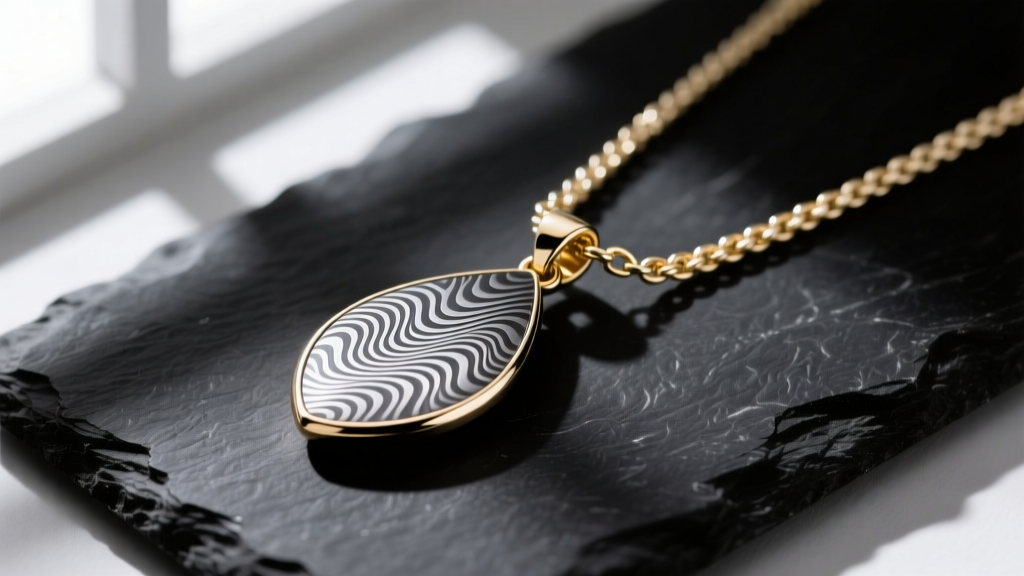
- Forged Damascus Steel: Created by folding and welding multiple layers of steel under extreme heat and pressure, Damascus steel yields a unique, water-like pattern on every piece. As noted by the Gemological Institute of America (GIA) in their metallurgical archives, the folding process increases the steel's structural integrity. Metaphorically, it is the ultimate survivor material: forged in fire, hammered through adversity, and emerging uniquely beautiful.
- Solid 18k Gold: For traditional fine jewelry, 18k gold (75% pure gold alloyed with copper, silver, or zinc) offers the perfect intersection of luxury and durability. It resists tarnish and holds intricate engraving beautifully, making it ideal for heirloom-quality survivor pieces.
Occasion Matching: Selecting the Right Pendant Motif
The occasion dictates the motif. A survivor necklace for a cancer remission milestone carries a different visual language than one celebrating five years of sobriety. Here is how to match the design to the specific triumph.
Health Remission & Chronic Illness
For those celebrating remission or managing chronic illness, avoid cliché ribbon shapes. Instead, opt for Kintsugi-inspired pendants. Kintsugi is the Japanese art of repairing broken pottery with gold lacquer, treating the breakage and repair as part of the history of an object, rather than something to disguise. A ceramic or enamel pendant featuring gold-filled 'cracks' beautifully articulates the reality of healing. Alternatively, a subtle semicolon motif integrated into a geometric lattice honors mental health struggles and the choice to continue one's story.
Addiction Recovery & Sobriety Milestones
Sobriety gifts should focus on navigation, grounding, and clarity. A compass rose pendant crafted from oxidized sterling silver or a raw, uncut sapphire (representing clarity and unpolished truth) serves as a powerful daily anchor. The American Cancer Society and various recovery networks often emphasize the importance of 'milestone markers'; incorporating a small, flush-set diamond or birthstone to represent the exact month of their sobriety anniversary adds a deeply personal, data-driven touch to the piece.
Trauma Triumphs & Personal Reinvention
For survivors of abuse or severe life upheavals, the lotus flower remains a timeless symbol, but in 2026, we recommend minimalist, architectural interpretations rather than ornate, traditional carvings. A sleek, geometric lotus crafted from brushed platinum or white gold offers a modern, discreet nod to rising from murky waters without broadcasting the wearer's private history to strangers.
Chain Durability: Ensuring the Piece Lasts a Lifetime
A survivor necklace is meant for everyday wear, which means the chain must withstand the rigors of daily life, including sleeping, showering, and accidental snags. The American Cancer Society often notes that patients and survivors value low-maintenance items that do not add stress to their daily routines. Choosing the wrong chain style can lead to heartbreak if the piece snaps.
| Chain Style | Approx. Tensile Strength | Snag Resistance | Best Use Case |
|---|---|---|---|
| Wheat Chain | 15-20 lbs | High | Heavy pendants, 24/7 wear, active lifestyles |
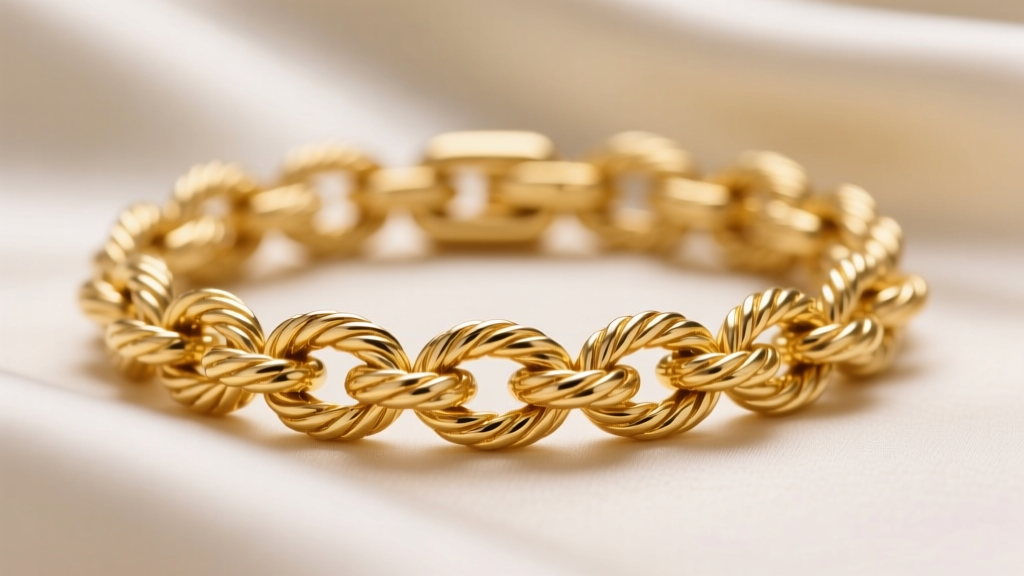
| Rope Chain | 10-15 lbs | Medium | Medium pendants, high light-reflection needs |
| Box Chain | 8-12 lbs | High | Geometric pendants, sleek modern aesthetics |
| Cable Chain | 3-6 lbs | Low | Lightweight charms, layered delicate necklaces |
Pricing Tiers & Sourcing for 2026
Understanding the current market landscape ensures you invest in a piece that matches your budget without compromising on metallurgical integrity.
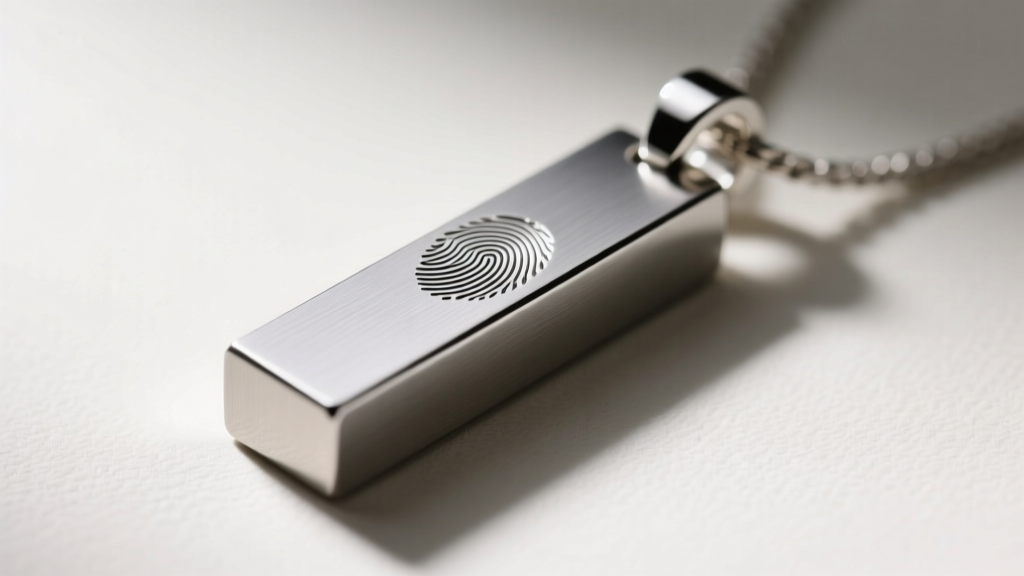
- The Artisan Tier ($80 - $250): At this price point, look for independent metalsmiths specializing in Grade 5 titanium, surgical-grade stainless steel, and oxidized sterling silver. You can often commission custom fingerprint engravings or handwriting transfers from loved ones.
- The Fine Jewelry Tier ($400 - $1,200): This tier unlocks solid 14k and 18k gold, ethically sourced melee diamonds, and precision laser-welding. Expect to find sophisticated Kintsugi enamel work and custom-cast Damascus steel cores encased in gold bezels.
- The Bespoke Heirloom Tier ($2,500+): For milestone anniversaries (e.g., 10 years cancer-free), bespoke jewelers will hand-forge the metal, incorporate traceable gemstones (like Canadian-marked diamonds or Montana sapphires), and engineer custom, hidden clasps that eliminate the weak points of standard lobster claws.
'The most powerful survivor jewelry does not shout its meaning to the room. It whispers it to the wearer. The weight of the metal, the specific texture against the skin, and the private knowledge of what it represents are what make it a true talisman.'
Final Gifting Etiquette for Sensitive Milestones
When presenting a survivor necklace, the etiquette is just as critical as the metallurgy. Never force a narrative onto the recipient. While you may view their journey as a 'battle won,' they may view it as an ongoing truce or a fundamental rewiring of their identity. Present the piece with a focus on their resilience and future, rather than solely dwelling on the trauma of the past.
Include a handwritten note detailing why you chose the specific material—explain the folding process of the Damascus steel or the aerospace origins of the titanium. This demonstrates that you put profound thought into the physical properties of the gift, elevating it from a simple accessory to a deeply considered armor for their next chapter. Ensure the packaging is discreet, and always include a professional appraisal and care guide, particularly for alternative metals like tungsten or titanium, which require specific polishing compounds.


