The Ultimate Gym Necklace Buying Guide: Sweat-Proof Picks
Discover the ultimate gym necklace buying guide. Learn which sweat-proof metals, chain weaves, and clasps survive intense workouts.

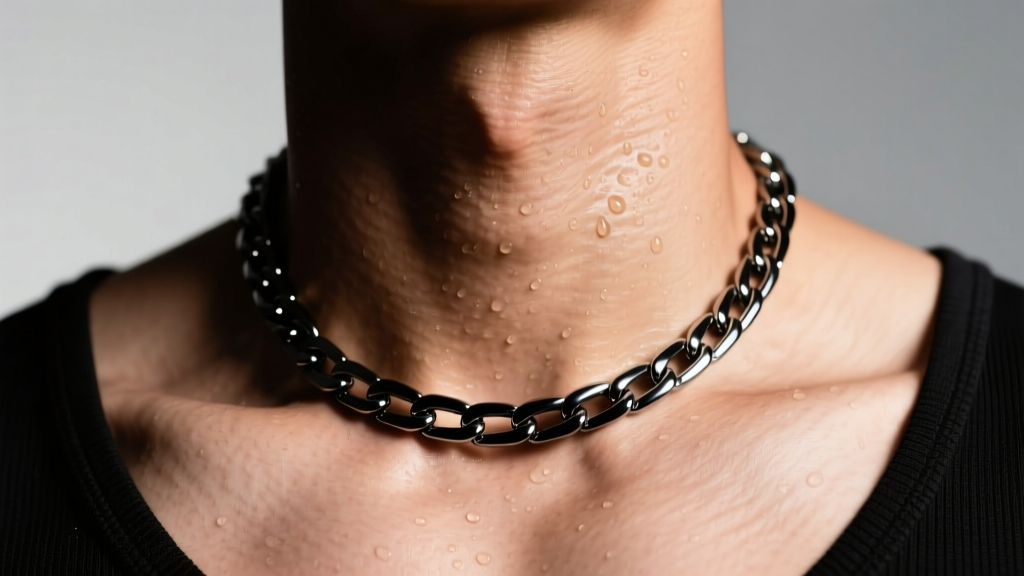
Finding the perfect gym necklace is a balancing act between aesthetics, durability, and physical safety. While standard fashion jewelry might look great under studio lighting, the harsh environment of a weight room or cardio floor will quickly expose structural and metallurgical flaws. Between the friction of gym equipment, the corrosive nature of human sweat, and the physical hazards of lifting heavy barbells, your activewear jewelry needs to be engineered for survival. This comprehensive buying guide breaks down the exact material grades, chain architectures, and safety profiles you need to look for when investing in a sweat-proof gym necklace that will actually last.
The Chemistry of Sweat: Why Everyday Chains Tarnish
To understand why your favorite sterling silver or gold-plated chain turns your skin green or snaps at the clasp, you have to look at the chemistry of human sweat. Sweat is not just saltwater; it is a complex biological fluid containing urea, lactic acid, ammonia, and sodium chloride. The pH level of human sweat typically ranges from 4.5 to 7.0, making it mildly acidic. When this acidic, chloride-rich moisture sits against porous metals or thin electroplated layers, it triggers rapid galvanic corrosion.
Sterling silver (925) is particularly vulnerable. The copper alloyed into sterling silver reacts with the sulfur and chlorides in sweat, creating black silver sulfide tarnish. Similarly, gold-plated or vermeil jewelry features a microscopic layer of gold over a brass or copper base. Once the friction of a t-shirt or gym towel wears through that plating, the acidic sweat attacks the base metal, leading to severe discoloration and skin irritation. For a dedicated gym necklace, you must completely avoid electroplated jewelry and porous alloys.
Material Matrix: What to Actually Buy
When evaluating metals for activewear, you need materials that are inert, highly resistant to chloride corrosion, and hypoallergenic. According to the Mayo Clinic, nickel is the most common culprit behind contact dermatitis, a frequent issue with cheap stainless steel jewelry that gets activated by sweat. Here is how the top-tier metals compare for gym use:
| Material | Specific Grade | Sweat & Corrosion Resistance | Estimated Price Range | Allergy Risk |
|---|---|---|---|---|
| Surgical Stainless Steel | 316L | Excellent (Molybdenum prevents chloride pitting) | $25 - $60 | Low (Contains trace nickel) |
| Implant-Grade Titanium | ASTM F136 (Ti-6Al-4V) | Unmatched (Biocompatible, completely inert) | $70 - $180 | Zero (100% Nickel-free) |
| PVD-Coated Steel | 316L Base + TiN Coating | Superior (Physical Vapor Deposition won't flake) | $40 - $90 | Low (Seals base metal) |
| Solid Gold | 14k or 18k | Good (But soft; prone to scratching and denting) | $250 - $800+ | Low (Depends on alloy mix) |
The Verdict: For the ultimate balance of price and durability, 316L Surgical Stainless Steel is the workhorse of gym jewelry. The "L" stands for low carbon, and the addition of molybdenum specifically protects against the chlorides found in sweat. However, if you have sensitive skin or a known nickel allergy, you must upgrade to ASTM F136 Implant-Grade Titanium. As noted by materials scientists at AZoM, titanium naturally forms a passive oxide layer that makes it virtually impervious to biological corrosion, making it the gold standard for both medical implants and high-end activewear jewelry.
Chain Architecture: Weaves That Survive the Rack
The metal is only half the battle; the structural engineering of the chain links dictates whether your gym necklace will snap mid-set. Gym environments involve high shear forces. A chain can easily get caught on a knurled barbell, a cable machine pulley, or the Velcro of a weight belt.
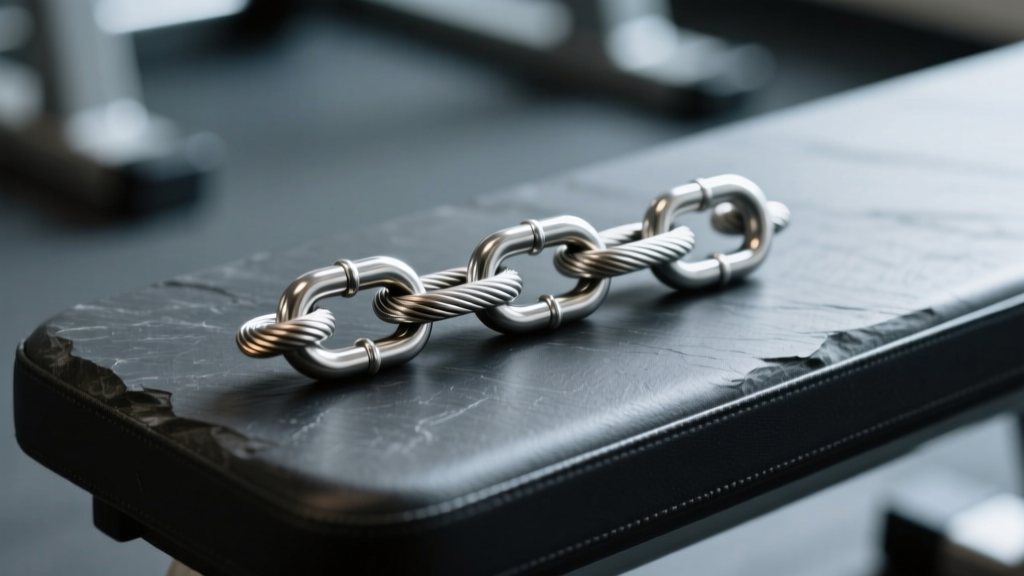
- Box Chains: The undisputed champion for gym wear. Box chains feature square, interlocking links that lay flat against the chest. They are incredibly resistant to kinking and can withstand significant tensile stress without deforming.
- Cable Chains: A classic, simple oval link design. They are durable and easy to clean, though slightly more prone to catching on coarse fabrics than box chains.
- Rope Chains: Very strong due to their twisted, multi-link construction, but they are a nightmare to clean. Dead skin cells, gym chalk, and lotion easily become trapped in the tight spirals, leading to bacterial buildup and odors.
- Avoid Snake and Herringbone Chains: These flat, smooth chains look elegant but are structurally fragile in a gym setting. They kink permanently if bent at a sharp angle and trap sweat directly against the skin due to their lack of airflow gaps.
Clasp Mechanics and Safety Profiles
A heavy pendant on a weak clasp is a guaranteed loss. The standard "spring ring" clasp found on most commercial jewelry relies on a tiny, fragile internal spring that degrades quickly when exposed to acidic sweat. For a gym necklace, you must look for a heavy-duty lobster claw clasp. Lobster clasps feature a solid, spring-loaded lever that locks securely and offers a much larger surface area for the jump ring to rest against, reducing the risk of accidental unclasping during dynamic movements like burpees or rowing.
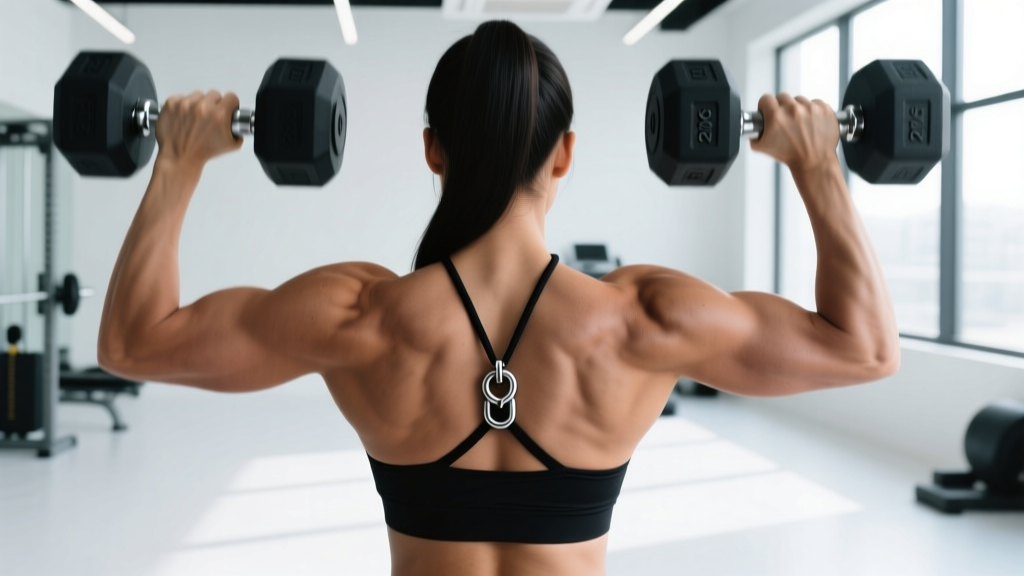
Safety is another critical, often overlooked factor. When bench pressing or using incline machines, a long metal chain can swing forward and pinch your skin against the barbell, or worse, snap and whip your face. Furthermore, metal pendants can scratch the knurling on expensive barbells or shatter if crushed between weight plates. The smartest buyers opt for 18 to 20-inch lengths that sit snugly above the collarbone, completely out of the barbell's path. If you prefer pendants, choose smooth, edge-less designs made of medical-grade silicone or polished titanium. Avoid porous gemstones or sharp geometric metal shapes that can harbor bacteria or lacerate the skin during high-impact cardio.
Post-Workout Care Protocol
Even the most resilient 316L stainless steel or ASTM F136 titanium gym necklace requires proper maintenance to prevent the buildup of sebum and gym chalk. Never use harsh chemical dips or silver polishing cloths, as these can strip PVD coatings or scratch polished titanium.
- The Immediate Rinse: Immediately after your workout, rinse the necklace under warm tap water to wash away the bulk of the salt and lactic acid.
- Weekly Deep Clean: Once a week, soak the chain in a bowl of warm water mixed with a few drops of mild, fragrance-free dish soap. Use a soft-bristled baby toothbrush to gently agitate the links and dislodge trapped dead skin cells.
- Drying: Pat the chain completely dry with a microfiber cloth. Storing a damp steel chain in a dark gym bag can eventually lead to localized surface oxidation, even on high-grade metals.
By prioritizing inert metals like 316L steel and implant-grade titanium, selecting high-tensile box chains, and utilizing secure lobster clasps, you can invest in a gym necklace that seamlessly bridges the gap between heavy lifting and everyday style without compromising on safety or longevity.


