Sweet Boy Necklace Buying Guide: Metals, Lengths & Pendants
Discover the ultimate sweet boy necklace buying guide. Learn ideal chain gauges, pendant sizes, metal grades, and sizing for the soft aesthetic.

Defining the Sweet Boy Aesthetic in Modern Menswear
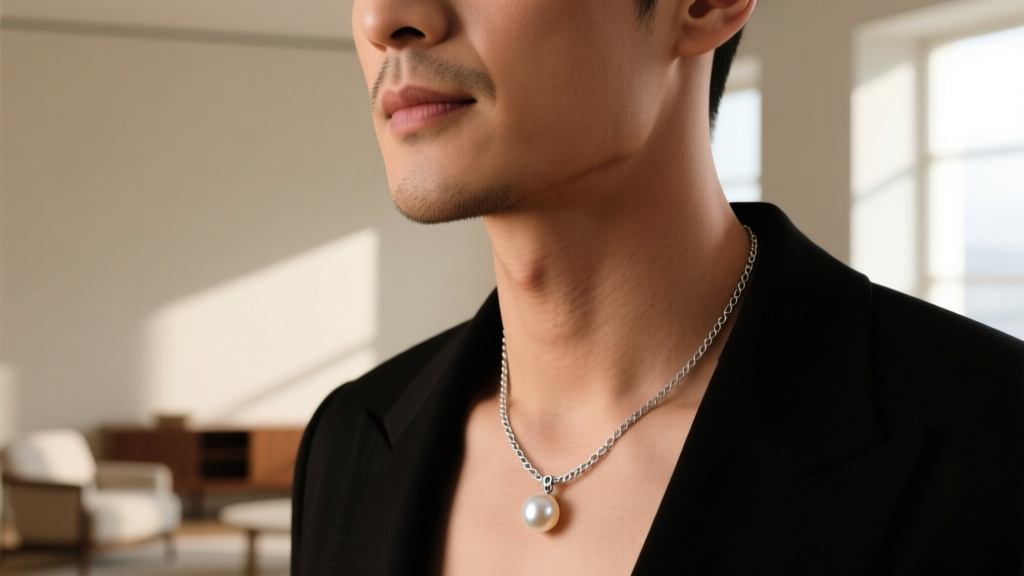
The landscape of men's jewelry has undergone a massive cultural shift. Moving away from the heavy, oversized hip-hop chains of the 2010s, the current zeitgeist embraces vulnerability, softness, and refined sentimentality. Enter the "sweet boy" aesthetic. A sweet boy necklace is characterized by delicate chains, micro-pendants, mixed metals, and organic elements like freshwater pearls. It is an androgynous, emotionally resonant style that pairs perfectly with relaxed linens, vintage knitwear, and unbuttoned silk shirts.
However, buying delicate jewelry for daily wear presents unique engineering challenges. A chain that is too thin will snap under minor tension, while a poorly plated pendant will tarnish within weeks. This comprehensive buying guide breaks down the exact gauge sizes, material grades, and structural hardware you need to look for when investing in a sweet boy necklace that survives daily wear while maintaining its ethereal aesthetic.
Chain Styles & Gauge Specifications
The foundation of any sweet boy necklace is the chain. The aesthetic demands a profile that is visible but unimposing. The ideal width ranges between 1.0mm and 2.5mm. Anything thicker crosses into traditional menswear territory, while anything thinner than 1.0mm is highly prone to tangling and snapping.

The Best Chain Links for the Aesthetic
- Box Chains (1.2mm - 1.5mm): The undisputed king of the sweet boy aesthetic. Box chains feature square links that create a smooth, continuous, and highly reflective surface. Crucially, their geometric structure makes them highly resistant to tangling and hair-pulling.
- Cable Chains (1.0mm - 1.5mm): Classic and minimalist. Oval links interlock in a uniform pattern. While beautiful, cable chains under 1.2mm are notorious for catching on body hair and fine fabrics.
- Rope Chains (1.5mm - 2.0mm): Twisted links that mimic the look of a woven rope. They offer excellent light refraction and a slightly more textured, vintage feel. Opt for laser-welded rope chains to prevent the links from unraveling over time.
Pendant Selection: Sentimental vs. Minimalist
The pendant is where the "sweet" element truly shines. The sweet boy aesthetic favors micro-pendants—charms that measure between 8mm and 15mm in diameter. Oversized pendants disrupt the delicate visual balance of a thin chain.
The Pearl Accent Trend
Integrating pearls into men's jewelry is a hallmark of this style. Rather than a full strand, the sweet boy look often features a single, asymmetrical freshwater pearl (typically 6mm to 8mm) suspended on a silver or gold chain. According to the Gemological Institute of America (GIA), when selecting a single pearl pendant, prioritize luster over perfect roundness. A baroque (irregularly shaped) pearl with sharp, bright luster offers a rugged, organic contrast to the precise geometry of a metal box chain.
Sentimental Charms
Lockets, tiny crucifixes, astrological signs, and initial discs are highly popular. Look for pendants that are cast in solid metal rather than hollowed out. Hollow pendants dent easily if bumped against a table or doorframe, ruining the piece permanently.
Clasp Mechanics & Hardware Failures
One of the most overlooked aspects of buying delicate necklaces is the clasp. The hardware is the most common point of failure.
Expert Tip: Avoid spring-ring clasps on chains thinner than 1.5mm. The internal spring mechanism in micro spring-rings is notoriously weak and prone to jamming. Always opt for a small lobster clasp (typically 10mm or 12mm), which features a stronger internal spring and a wider lever for easy operation.
Additionally, check the jump ring (the small circular loop connecting the clasp to the chain). Ensure it is soldered closed. An unsoldered jump ring will eventually pull apart under the weight of a pendant or the friction of daily movement.
Material Grades & Durability Matrix
Because sweet boy necklaces are worn close to the skin and often layered, they are exposed to sweat, cologne, and friction. Choosing the right metal grade is critical to avoid green skin and premature tarnishing.
| Material Grade | Specification | Price Range | Durability & Failure Modes |
|---|---|---|---|
| Solid 14k Gold | 58.5% pure gold alloy | $250 - $600+ | Excellent. Will not tarnish or turn skin green. Can be polished indefinitely. Best for lifelong daily wear. |
| Gold Vermeil | Min 2.5 microns of 10k+ gold over 925 silver | $80 - $180 | Moderate. Will eventually wear off at high-friction points (like the clasp) after 1-2 years of daily wear. |
| Rhodium-Plated 925 Silver | Sterling silver with a rhodium flash | $60 - $150 | Good. Rhodium prevents initial tarnish, but once it wears off, the silver requires regular polishing to prevent oxidation. |
| Gold PVD over Steel | Physical Vapor Deposition over 316L steel | $40 - $90 | High scratch resistance, but the chain links can feel stiff. PVD coating is highly durable but cannot be resized or soldered if broken. |
For the authentic sweet boy aesthetic, warm tones like 14k yellow gold or rose gold contrast beautifully against the skin and pair exceptionally well with vintage clothing. If you are on a budget, high-quality Gold Vermeil is acceptable, provided you remove the necklace before showering or swimming.
Sizing & Neckline Pairing Framework
The placement of the necklace dictates how it interacts with your wardrobe. The sweet boy aesthetic relies heavily on the "collarbone drape."

- 18 Inches (The Choker): Sits tightly at the base of the neck. Best for deep V-necks or open silk shirts. This length works best for chains without pendants, or with a single micro-pearl.
- 20 Inches (The Collarbone Standard): The most versatile length. It rests perfectly in the clavicle notch. Ideal for layering over a plain white tee or peeking out from under an unbuttoned Oxford shirt.
- 22 Inches (The Chest Drop): Falls below the collarbone. Necessary if you plan to wear the necklace over thicker garments like turtlenecks or lightweight knit sweaters.
When measuring, use a soft tailor's tape. If you are between sizes, always size up. A delicate chain that sits too tightly against the neck will suffer from accelerated wear due to constant friction against the skin and hair.
Care & Maintenance for Delicate Chains
Maintaining a sweet boy necklace requires a gentle touch, especially if it incorporates organic gems or delicate plating. The Jewelers of America recommends avoiding harsh chemical dips, which can strip rhodium plating and damage the luster of freshwater pearls.
The Tangle Prevention Protocol
Thin cable and box chains are prone to knotting when stored loosely in a drawer. Always store your necklace hanging on a jewelry stand, or lay it flat in a lined box with the clasp fastened. Fastening the clasp prevents the chain from looping back onto itself and forming microscopic knots that require a needle to untangle.
Cleaning Routine
For solid gold or sterling silver chains without pearls, a simple soak in warm water with a few drops of mild dish soap, followed by a gentle brush with a baby-soft toothbrush, will remove body oils and lotion buildup. If your sweet boy necklace features a pearl pendant, wipe the pearl with a damp, lint-free cloth after wearing. Never submerge pearls in water, as this can degrade the silk or adhesive used to secure the pearl to its metal bail.
Final Verdict: Building Your Collection
The sweet boy necklace is more than a fleeting trend; it represents a permanent broadening of the menswear vocabulary. By focusing on precise gauge sizes (1.2mm to 1.5mm), prioritizing secure hardware like lobster clasps, and investing in solid 14k gold or high-grade vermeil, you can build a jewelry collection that is both emotionally resonant and structurally sound. Start with a 20-inch box chain and a single baroque pearl or initial pendant, and gradually layer as your personal style evolves.


