Army Necklace Troubleshooting: Fix Rust, Noise, and Chain Breaks
Troubleshoot common army necklace issues. Fix broken ball chains, stop dog tag clinking, and prevent rust with our expert tactical jewelry guide.


The Anatomy of an Army Necklace and Common Failure Points
The term army necklace typically refers to military-issued identification tags (dog tags) worn on a ball chain, or tactical pendants worn by active-duty personnel and civilians alike. While iconic, the standard-issue configuration is fraught with functional issues. From chains snapping under minor tension to the relentless clinking that compromises noise discipline, treating an army necklace as a simple accessory ignores its mechanical and metallurgical realities.
To effectively troubleshoot your tactical jewelry, you must first understand its baseline specifications. Standard U.S. military-issue tags are traditionally stamped from 304 stainless steel or Monel, suspended on a #3 stainless steel ball chain. While this setup meets basic uniform requirements, it fails under rigorous field conditions, heavy sweating, and daily civilian wear. Below, we break down the most common failure modes and provide exact, actionable solutions to upgrade and maintain your gear.
Troubleshooting Chain Breakage and Clasp Failures
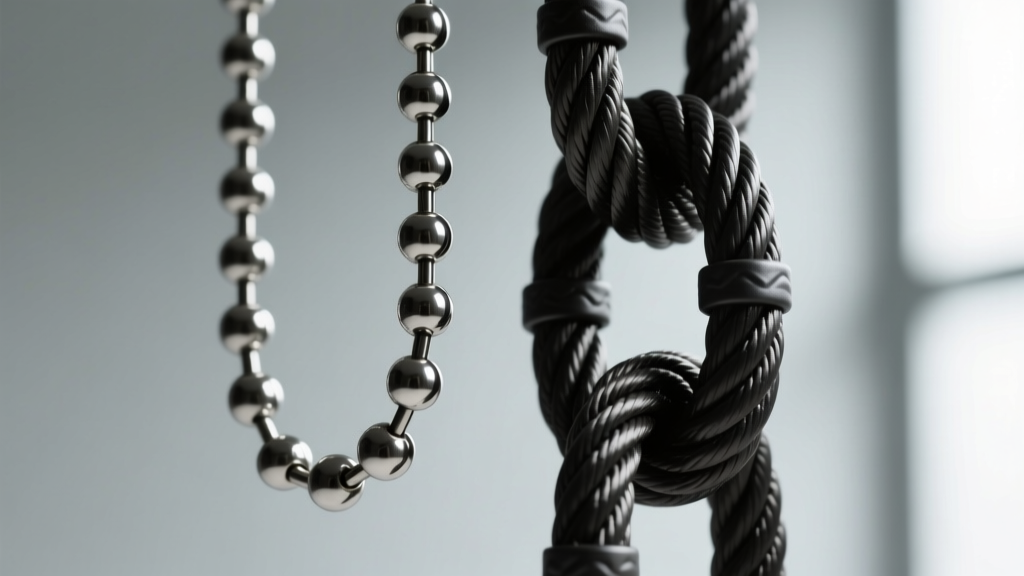
The most frequent complaint regarding any army necklace is chain breakage. The standard #3 ball chain features 2.4mm beads and has a notoriously low tensile strength—typically failing between 15 and 25 pounds of pressure. This is an intentional safety feature designed to prevent choking if the chain is snagged on heavy machinery or in combat. However, for daily wear, it results in frustrating breaks.
Upgrade Paths for Chain Durability
- Heavy-Duty Ball Chain: Upgrading to a #6 ball chain (4.5mm beads) increases the break threshold to roughly 80 pounds while retaining the classic military aesthetic.
- Stainless Steel Cable Chain: A 2.0mm 316L stainless steel cable chain with a secure lobster clasp offers a tensile strength exceeding 120 pounds. It resists kinking and will not snap from a sudden jerk.
- 550 Paracord: For maximum field utility, MIL-SPEC 550 paracord (rated for 550 lbs of static load) is the ultimate upgrade. It eliminates metal-on-metal noise entirely and is highly resistant to sweat and UV degradation.
Pro-Tip: If you upgrade to a high-tensile cable chain, you must introduce a breakaway point to maintain anti-choking safety. We recommend integrating a tactical ITW Nexus plastic breakaway clasp near the nape of the neck.
Silencing the Clink: Noise Reduction Tactics
In tactical environments, noise discipline is a matter of survival. In civilian life, the constant clinking of metal tags against each other is simply annoying. When two 304 stainless steel tags strike one another, they generate high-frequency acoustic signatures that can easily be heard over ambient noise.
Effective Silencing Methods
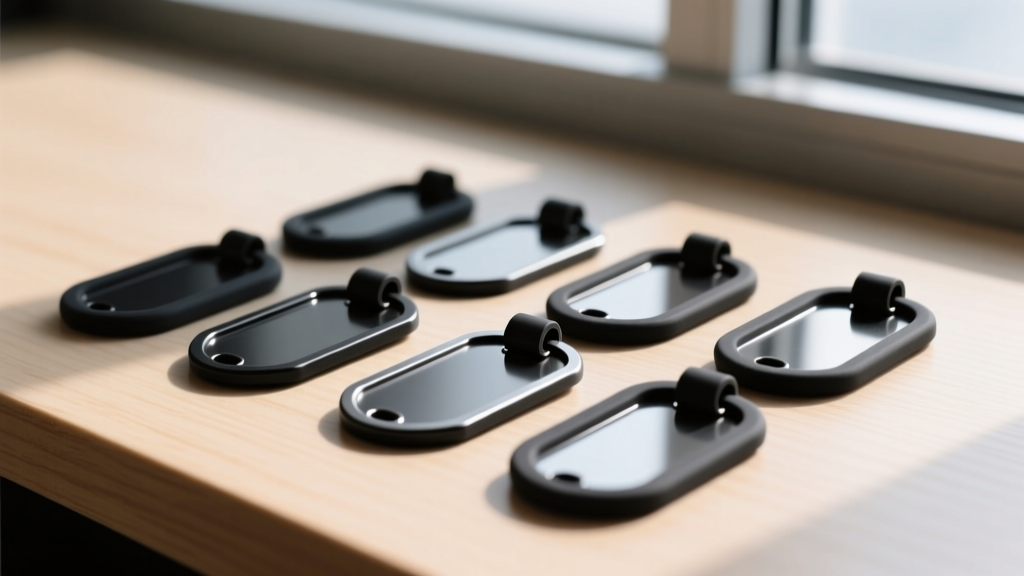
The standard issue solution is a TPE (Thermoplastic Elastomer) silicone silencer. These stretchy rings wrap around the perimeter of the tag. When sourcing silencers, look for those with a Shore A hardness of 40; this provides the optimal balance between stretchability for installation and impact absorption. Cheap PVC alternatives will crack in cold weather and degrade rapidly from skin oils.
For a more permanent, rugged solution, you can lace the tags together using paracord. By threading a 12-inch length of gutted 550 cord through the holes of both tags and tying a tight square knot between them, you physically separate the metal surfaces while adding a secondary retention method if the primary chain fails.
Rust, Tarnish, and Corrosion Prevention
A common misconception is that stainless steel is entirely rust-proof. In reality, it is highly resistant to corrosion due to a passive chromium oxide layer on its surface. However, human sweat is highly corrosive, with a pH ranging from 4.5 to 7.0 and a high concentration of chloride salts. Over time, this breaks down the passive layer on standard 304 stainless steel, leading to pitting and rust spots on your army necklace.
| Material Grade | Corrosion Resistance | Avg. Price Range | Best Use Case |
|---|---|---|---|
| 304 Stainless Steel | Moderate (Prone to pitting from sweat) | $10 - $18 | Occasional wear, display pieces |
| 316L Surgical Steel | High (Molybdenum prevents chloride pitting) | $22 - $35 | Daily wear, high-sweat environments |
| CP4 Titanium | Extreme (Impervious to salt and sweat) | $45 - $80 | Lifelong wear, marine environments |
According to the British Stainless Steel Association, the addition of molybdenum in 316L steel drastically improves its resistance to localized corrosion. If your current tags are rusting, it is a definitive sign they are stamped from low-grade 304 steel or carbon steel with a cheap chrome plating. The only true fix is to replace them with laser-engraved 316L or Titanium blanks.
Skin Irritation and Allergic Reactions
Contact dermatitis from an army necklace is almost always caused by a nickel allergy. Standard 304 stainless steel contains between 8% and 10.5% nickel to achieve its austenitic crystalline structure. When sweat interacts with the metal, nickel ions are released into the skin, causing redness, itching, and flaking on the chest.
Hypoallergenic Material Swaps
To completely eliminate skin irritation, you must remove nickel from the equation. Commercially Pure Grade 4 (CP4) Titanium is the gold standard for hypoallergenic tactical jewelry. It is entirely nickel-free, biocompatible (used in medical implants), and weighs 45% less than steel, reducing neck fatigue during long rucks or shifts. Alternatively, Niobium offers excellent hypoallergenic properties and can be anodized into various tactical colors (like matte black or OD green) without the use of toxic paints or platings that eventually chip off.
Tactical Snag Hazards: Breakaway Modifications
As you upgrade your army necklace for durability, you inadvertently introduce a severe safety hazard. A heavy-duty 316L cable chain that can support 120 pounds of force becomes a lethal choking hazard if snagged on a door handle, vehicle hatch, or during a physical altercation.
The U.S. Army and other military branches strictly regulate uniform wear to mitigate snag hazards. To solve this while keeping your upgraded chain, integrate a tactical breakaway clasp. These polymer clasps are engineered to separate when subjected to 15-20 pounds of lateral force. Another field-expedient method is to use a section of paracord as a "weak link." By melting a small section of the paracord's nylon sheath with a lighter until it thins and fuses, you create a custom breakaway point that will snap under extreme duress but hold up to the weight of the tags during normal movement.
Expert Summary: A reliable army necklace requires balancing durability with safety. Upgrade to 316L steel or Titanium to eliminate rust and allergies, swap the #3 ball chain for a cable chain with a breakaway clasp, and always use Shore A 40 TPE silencers to maintain noise discipline and protect the tag engravings from abrasive wear.


