Puka Shell Necklace with Shark Tooth: Material Analysis
Discover the material properties of a puka shell necklace with shark tooth. Compare genuine cone shells, fossilized teeth, and durable cordage.

The Anatomy of a Surf Heritage Classic
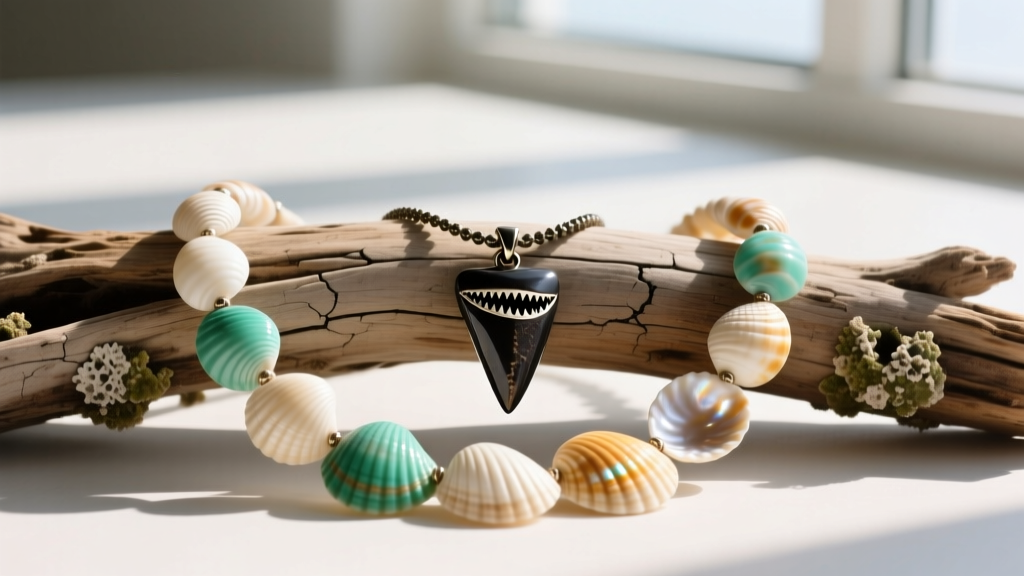
The puka shell necklace with shark tooth pendant is a staple of coastal and streetwear fashion, tracing its roots back to 1970s Hawaiian surf culture. However, as this aesthetic has been elevated into mainstream luxury and contemporary casual wear in 2026, the material integrity of these pieces has become a primary differentiator between heirloom-quality jewelry and disposable fast fashion. Understanding the mineralogy, tensile strength, and degradation vectors of the shells, teeth, and cordage is essential for both collectors and everyday wearers.
This guide deconstructs the physical properties of the materials used in these necklaces, providing a framework to identify authentic components, understand their failure modes, and make informed purchasing decisions based on material science rather than marketing claims.
Shell Showdown: Genuine Cone Snail vs. Imitation Puka
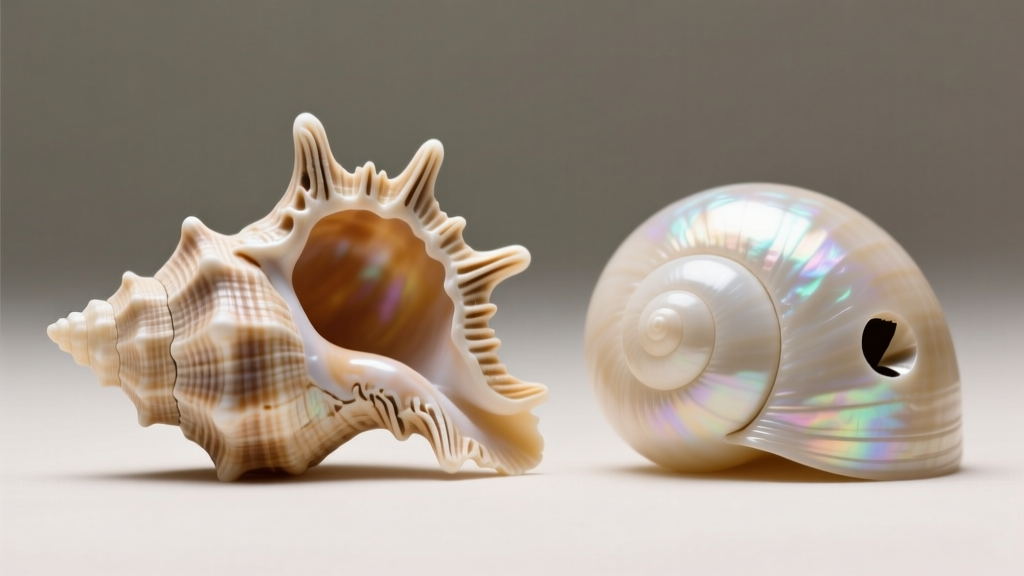
The term "puka" translates to "hole" in Hawaiian. Historically, authentic puka shells are the naturally occurring, ocean-tumbled apexes of the Conus miliaris (millet cone snail). The hole is not drilled; it is the natural aperture of the snail's shell, smoothed by years of wave action against coral reefs.
Mineral Composition and Vulnerabilities
Genuine Conus miliaris shells are composed primarily of aragonite, a crystalline form of calcium carbonate (CaCO3). On the Mohs hardness scale, aragonite ranks between 3.5 and 4.0, making it relatively soft and highly susceptible to chemical etching.
- Acid Sensitivity: Aragonite dissolves in environments with a pH below 5.5. Because human sweat typically ranges from 4.5 to 7.0 pH, prolonged skin contact without occasional rinsing will degrade the shell's inner nacre, leading to chalky, brittle beads.
- Imitation Materials: Mass-market alternatives are often stamped from freshwater clam shells (heishi) or cast from polyurethane resin. While resin is impervious to sweat acids, it lacks the thermal mass and micro-texture of genuine calcium carbonate. Stamped clam shells are denser but feature perfectly symmetrical, machine-drilled holes that lack the organic, asymmetrical taper of a true puka.
"When evaluating organic gem materials like shell, always look for the micro-striations left by marine growth and wave friction. Uniformity is the enemy of authenticity." — Gemological Institute of America (GIA) Organic Gems Overview.
The Centerpiece: Fossilized vs. Modern Shark Tooth Materials
The shark tooth pendant serves as the visual and physical anchor of the necklace. The material properties of the tooth dictate its weight, durability, and color stability over time.
Fossilized Teeth (Permineralization)
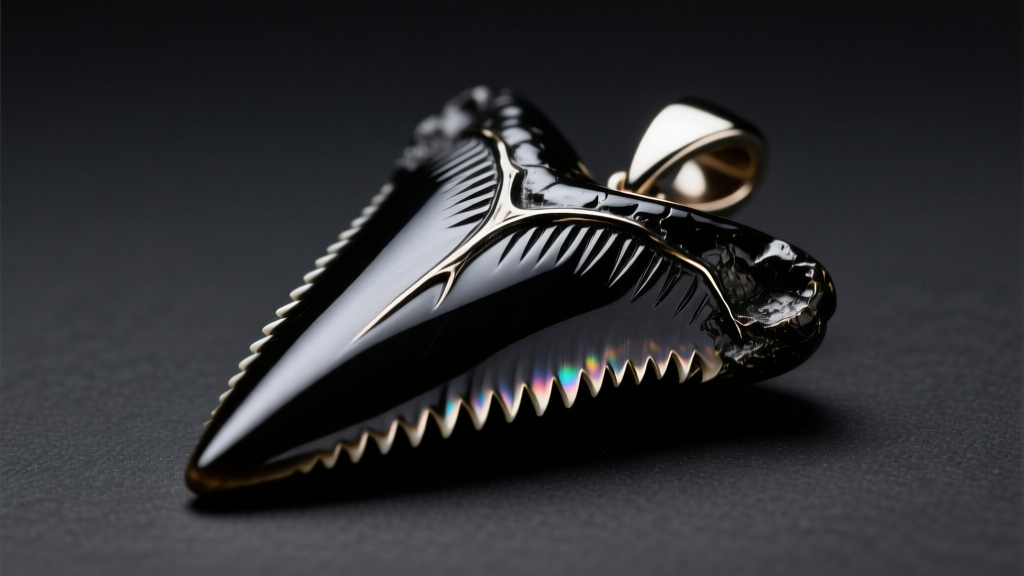
The most premium and durable shark teeth used in high-end puka shell necklaces are fossilized, typically from the Carcharocles megalodon or ancient Mako species. Over millions of years, the original organic material undergoes permineralization. According to the Florida Museum of Natural History, the original hydroxyapatite is replaced by fluorapatite and iron-rich minerals.
- Hardness: Fluorapatite ranks at 5.0 on the Mohs scale, making it significantly harder and more scratch-resistant than modern teeth.
- Color Stability: The dark grey, black, and deep brown hues are caused by iron oxide and manganese absorption from the surrounding sediment. These colors are permanent and will not fade with UV exposure.
Modern and Ethically Sourced Teeth
Modern teeth (often sourced as bycatch from commercial fisheries) are composed of hydroxyapatite and collagen. They are inherently unstable outside the marine environment. Without professional stabilization using conservation-grade acrylic resins like Paraloid B-72, modern teeth will desiccate, crack along the root lobes, and yellow within 12 to 18 months of wear.
Cordage and Hardware: Where Necklaces Fail
A puka shell necklace with shark tooth is only as strong as its suspension system. The combination of saltwater, sweat, and the physical weight of a fossilized tooth (which can range from 15g to over 50g for large megalodon specimens) creates immense shear stress on the cord and clasp.
| Component | Premium Material Choice | Budget Alternative | Primary Failure Mode |
|---|---|---|---|
| Cordage | 1.5mm Waxed Marine Cotton | Standard Hemp or Jute | Hemp rots rapidly when exposed to saltwater and sweat; cotton waxing provides hydrophobic resistance. |
| Wire Wrap | 20-Gauge Titanium Wire | Copper or Brass Wire | Base metals undergo galvanic corrosion, turning the skin green and snapping under tension. |
| Clasp | 316L Surgical Stainless Steel | Plated Zinc Alloy | Plated alloys chip and rust; 316L steel contains molybdenum, preventing pitting from chlorides. |
The Mechanics of the Bail
Drilling a hole directly through the root of a fossilized tooth compromises its structural integrity, often leading to catastrophic shearing if the necklace is snagged. The superior method is a 20-gauge titanium wire wrap that cradles the V-shaped root and secures the tooth without penetrating the enameloid. Titanium is chosen for its high tensile strength and complete biocompatibility, ensuring no allergic reactions or metal tarnish.
Pricing Tiers and Market Value
Understanding the material costs helps buyers avoid counterfeit pricing traps. Here is the current market breakdown for authentic puka shell and shark tooth combinations:
- Tier 1: Fast Fashion ($15 - $35) - Resin cast teeth, stamped clam shell heishi, nylon string, and magnetic base-metal clasps. High failure rate; zero collectible value.
- Tier 2: Artisan Surf Brands ($60 - $120) - Genuine Conus miliaris shells, modern stabilized bycatch teeth, waxed cotton cord, and sterling silver hardware. Excellent for daily wear, though sterling silver requires polishing to remove sulfur tarnish.
- Tier 3: Collector & Heritage Grade ($250 - $800+) - Hand-selected, graduated true puka shells, certified fossilized Megalodon or Great White teeth, 316L stainless steel or 14k gold-filled hardware, and marine-grade cordage. Built for multi-generational longevity.
Care, Maintenance, and Longevity Framework
To preserve the aragonite shells and fluorapatite tooth, implement a strict maintenance routine. Never use ultrasonic jewelry cleaners or chemical dips, as the high-frequency vibrations can fracture the micro-fissures in fossilized roots, and chemical solvents will strip the natural waxes from the puka shells.
- Post-Wear Rinse: After exposure to sweat or ocean water, rinse the necklace in distilled water to neutralize acidic salts.
- Drying: Pat dry with a microfiber cloth. Do not leave the cord damp, as trapped moisture against the shell will accelerate aragonite degradation.
- Conditioning: Once every six months, apply a microscopic layer of jojoba oil to the puka shells using a soft brush. This replenishes lipids and maintains the shell's natural luster without clogging the tooth's serrations.
By prioritizing genuine Conus miliaris, permineralized fossil teeth, and marine-grade hardware, your puka shell necklace with shark tooth transitions from a fleeting summer accessory into a resilient, historically grounded piece of wearable natural history.


