How to Style a Clover Necklace for Men: The Ultimate Guide
Learn how to style a clover necklace for men. Discover chain lengths, pendant materials, and layering techniques to master this iconic motif.

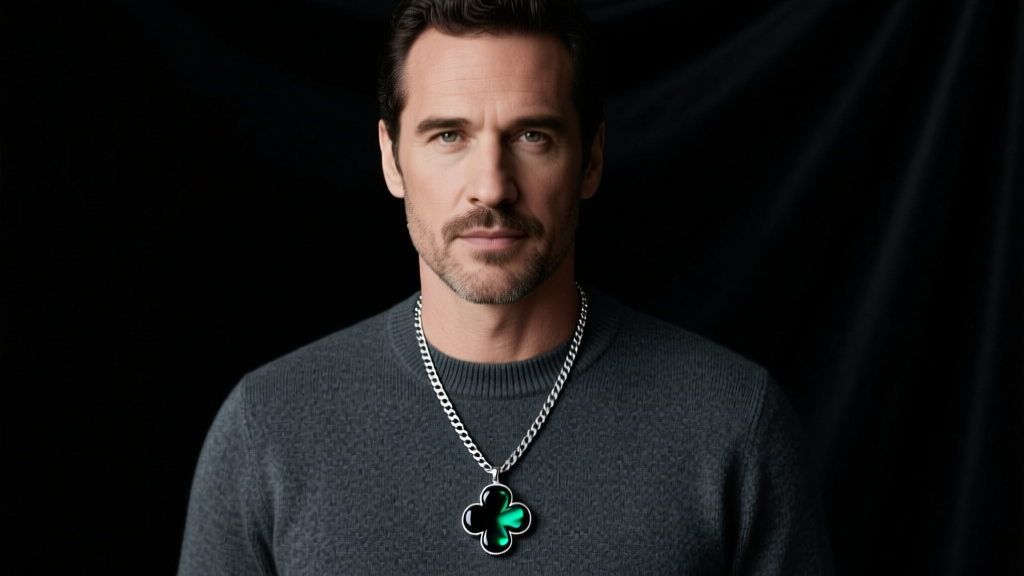
The four-leaf clover motif has long been a staple in luxury jewelry, but historically, it was heavily pigeonholed into womenswear. As we navigate the menswear landscape of 2026, botanical and organic geometries have completely shattered that ceiling. Today, the clover necklace for men is a hallmark of refined streetwear, neo-vintage styling, and modern luxury. However, pulling off this iconic silhouette requires a strategic approach to scale, material, and proportion. A delicate, mother-of-pearl clover on a whisper-thin chain will look out of place in a masculine wardrobe. Instead, mastering this look demands an understanding of weight, stone inlays, and chain mechanics.
This comprehensive, step-by-step guide will walk you through exactly how to select, size, and style a clover necklace for men, ensuring your jewelry elevates your outfit rather than clashing with it.
The Evolution of the Clover Motif in Menswear
According to trend analyses by GQ Style, the surge in men wearing historically 'feminine' motifs like pearls, florals, and clovers is driven by a broader cultural shift toward expressive, gender-fluid luxury. The traditional Alhambra-style clover—characterized by its symmetrical four-leaf design and beaded milgrain borders—has been reimagined for men through darker color palettes, brushed metal finishes, and heavier architectural chains. The key to adapting this motif is replacing high-shine, pastel inlays with deep, opaque, or highly textured stones that anchor the piece in a masculine aesthetic.
Step 1: Selecting the Right Pendant Scale and Material
The most common mistake men make when buying a clover pendant is choosing a scale that is too small. For a proportionate fit on the average male chest, the pendant should measure between 16mm and 22mm in width. Anything under 14mm risks looking like a charm rather than a statement piece.
Equally important is the material combination. While 18k yellow gold with white mother-of-pearl is the traditional luxury standard, men's styling benefits from higher contrast and deeper tones. Below is a decision matrix for selecting the right material and inlay combination based on your wardrobe and budget.
| Metal Base | Inlay Stone | Vibe & Best Use | Estimated Price Range |
|---|---|---|---|
| Sterling Silver (Oxidized) | Black Onyx | Monochrome, streetwear, daily wear | $150 - $450 |
| 14k Yellow Gold | Tiger's Eye | Warm tones, smart-casual, vintage | $800 - $2,200 |
| Brushed Titanium | Matte Carbon Fiber | Industrial, minimalist, athletic | $90 - $250 |
| 18k Rose Gold | Deep Lapis Lazuli | Luxury evening, high-contrast | $3,500 - $7,000 |
Expert Tip: If you opt for a porous stone like Lapis Lazuli or Malachite (Mohs hardness of 3.5 to 5.5), never wear it in the shower. The chemicals in hard water and soaps will degrade the polish and cause the stone to cloud. Stick to Black Onyx (Mohs 7) for worry-free daily wear.
Step 2: Choosing the Correct Chain Gauge, Length, and Bail
A heavy stone-inlaid clover pendant requires a chain that can support its weight both physically and visually. Pairing a 15-gram pendant with a 1.2mm rope chain is a structural failure waiting to happen; the chain will tangle, snap, and look severely unbalanced.
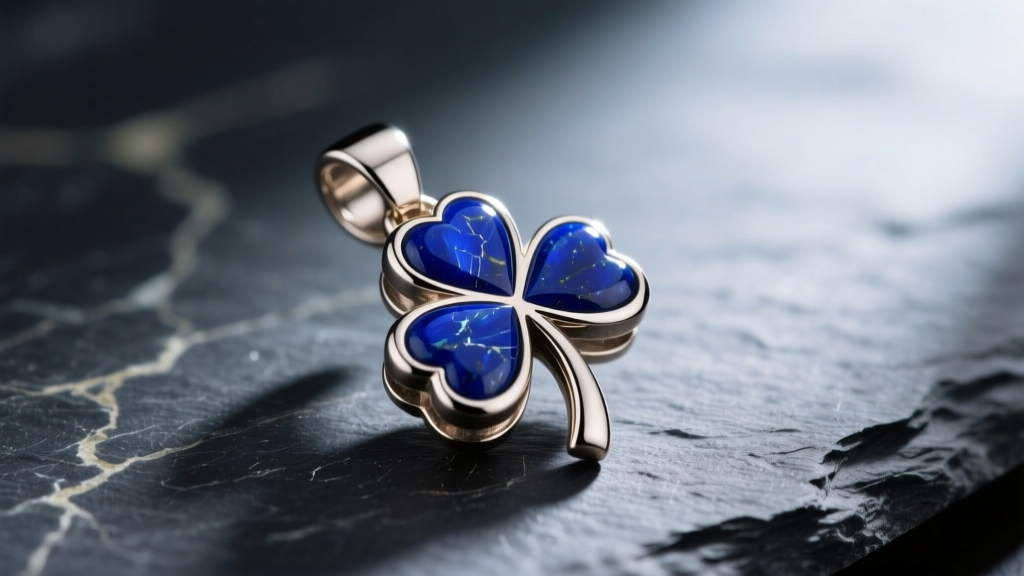
The Gauge and Length Framework
- 2.0mm - 3.0mm (The Sweet Spot): Ideal for 16mm-18mm pendants. A Figaro or medium Cuban link chain in this gauge offers enough presence to frame the clover without overpowering it. Best worn at 20 or 22 inches.
- 3.5mm - 5.0mm (The Statement): Required for larger 20mm+ pendants or heavier solid gold builds. A chunky Cuban or rounded box chain provides the necessary visual weight. Best worn at 22 or 24 inches to let the pendant rest on the sternum.
Don't Ignore the Bail
The bail is the loop that connects the pendant to the chain. Standard jump-ring bails often max out at a 3mm inner diameter. If you are wearing a 4.5mm Cuban chain, the chain will not fit through the bail, or it will cause severe friction, wearing down the metal over time. Always look for pendants with a hidden bail (where the chain threads directly through the top leaf of the clover) or a custom wide-jump ring with at least a 5.5mm inner clearance.
Step 3: Neckline Pairings and Layering Frameworks
How you frame the clover necklace with your clothing dictates whether it looks like a cohesive part of your outfit or an afterthought. The botanical geometry of the clover pairs best with clean, structured, or deliberately relaxed necklines.
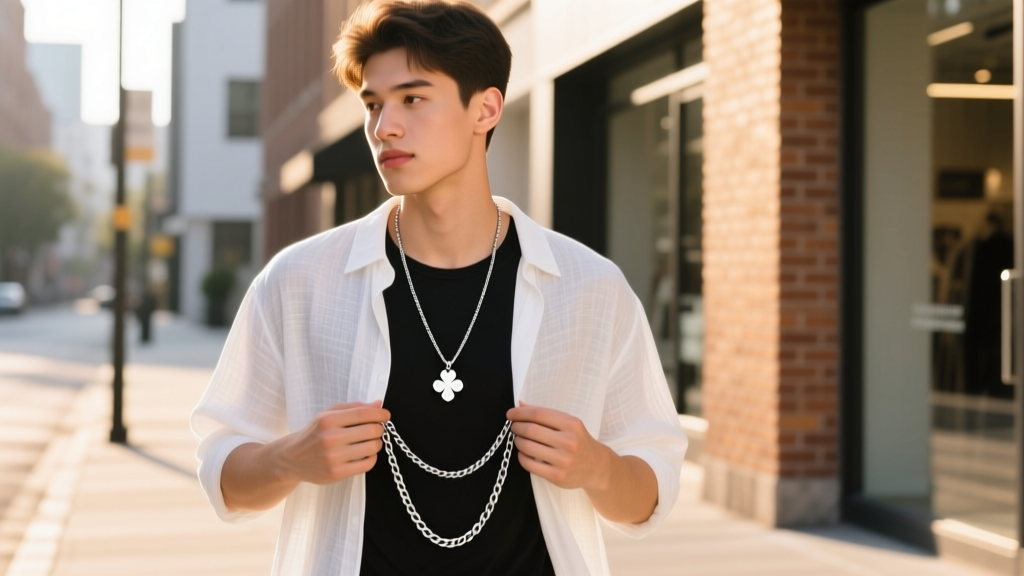
Optimal Neckline Pairings
- The Heavyweight Crewneck: A 20-inch clover pendant resting just below the collar of a dark, heavyweight cotton crewneck sweater creates a sharp, minimalist focal point. The opaque fabric provides high contrast against metallic chains.
- The Unbuttoned Camp Collar: For summer or resort wear, let a 22-inch pendant drop into the V-shape of an open camp collar shirt. This mimics the classic 1970s silhouette but grounds it with modern, darker stone inlays.
- The Henley: A partially unbuttoned Henley offers a rugged, textured backdrop that contrasts beautifully with the precise, symmetrical geometry of the clover motif.
The Art of Layering
According to jewelry experts at Hodinkee, layering requires strict adherence to spatial rules to avoid a cluttered look. If you want to layer your clover necklace, use the Rule of 3 Inches.
"When layering a pendant necklace with a bare chain, ensure there is a minimum of 3 inches of difference in length between the two chains. This prevents the clasps and links from tangling and ensures each piece occupies its own visual zone on the chest."
Example Layering Setup: Wear an 18-inch, 2.5mm oxidized silver rope chain bare against the skin, and layer a 22-inch, 3.5mm silver Cuban chain holding your 20mm black onyx clover pendant over it. The contrast in chain textures (rope vs. link) and the staggered lengths create a highly curated, intentional aesthetic.
Step 4: Maintenance, Clasps, and Hardware Checks
Because clover pendants often feature delicate milgrain beading around the edges of the metal frame, they are prone to accumulating skin oils, lint, and soap residue in the crevices. Furthermore, the hardware you choose dictates the security of your investment.
Cleaning Protocols
- For Metal Frames: Use a soft-bristled baby toothbrush and a few drops of mild dish soap in warm water. Gently agitate the milgrain borders. Dry immediately with a microfiber cloth to prevent water spots on the inlay.
- For Stone Inlays: Never use ultrasonic cleaners on clover necklaces with glued inlays (common in pieces under $1,000). The high-frequency vibrations can shatter the adhesive bond, causing the stone to pop out. Stick to a damp, lint-free cloth for the stones.
Upgrading Your Clasp
If you are investing in a solid 14k or 18k gold clover pendant, the standard spring-ring clasp included by many manufacturers is a weak point. Spring rings are notorious for failing under the dynamic tension of a heavy pendant swinging against the chest. Upgrade your chain to a lobster clasp for chains under 4mm, or a magnetic box clasp with a safety latch for heavier, wider chains. This minor hardware swap prevents catastrophic loss.
Final Thoughts on the Men's Clover Motif
Styling a clover necklace for men is an exercise in balancing organic symbolism with architectural weight. By stepping away from traditional, delicate interpretations and embracing larger scales, darker opaque stones, and heavier chain gauges, you transform a classic luxury motif into a versatile pillar of modern menswear. Whether you are anchoring a streetwear fit with oxidized silver and black onyx, or elevating a tailored evening look with 18k gold and lapis lazuli, the clover remains a powerful, symmetrical emblem of luck and refined taste when executed with intention.


