Tab Necklace Value Guide 2026: Is It Worth the Price?
Discover the true cost of a tab necklace in 2026. We break down material grades, chain durability, and pricing to help you spot real value.

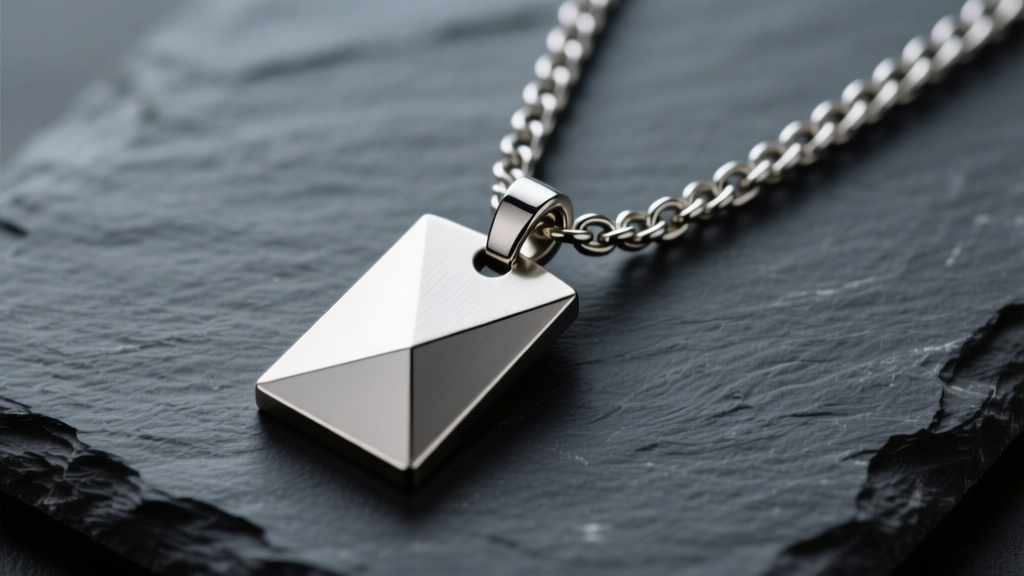
The minimalist tab necklace has cemented its place as a cornerstone of modern jewelry, transcending fleeting trends to become a permanent fixture in both men's and women's collections. Characterized by a flat, geometric pendant—usually rectangular or dog-tag inspired—the tab necklace relies entirely on proportion, material quality, and finishing for its aesthetic impact. But as the market floods with options ranging from $15 fast-fashion pieces to $1,200 luxury designer staples, how do you determine the true value of a tab necklace in 2026?
At Jewel Style Radar, we believe that budget assessment isn't just about finding the cheapest option; it's about understanding the engineering, metallurgy, and structural integrity behind the piece. This comprehensive value guide breaks down exactly what you should be paying for, where brands cut corners, and how to maximize your jewelry budget this year.
The Anatomy of a Tab Necklace: What Are You Paying For?
Unlike intricate cast pendants with gemstones or filigree, a tab necklace is deceptively simple. This simplicity means there is nowhere for manufacturers to hide poor craftsmanship. When assessing value, you must evaluate three critical dimensions of the 'tab' itself:
- Thickness and Gauge: A high-quality tab should measure between 1.5mm and 3.0mm in thickness. Anything under 1.2mm is essentially foil; it will warp, dent, and bend under the natural tension of daily wear. Premium brands use 2.5mm solid stock for a satisfying, weighted drape.
- Edge Beveling: Cheaper tabs are stamped and left with sharp, 90-degree edges that catch on clothing and scratch the skin. Value-driven pieces feature micro-beveled or domed edges, requiring secondary CNC milling or hand-polishing that increases manufacturing costs but vastly improves comfort.
- Surface Finishing: A brushed or matte finish on a steel or silver tab requires specific abrasive techniques. If a 'brushed' tab looks uneven or loses its texture after a month of wear, it was likely achieved with a superficial surface coating rather than physical abrasion.
Material Tiers and True Market Value (2026 Pricing Matrix)
The core of your budget assessment hinges on the base metal. According to the Gemological Institute of America (GIA), understanding alloy composition is vital for assessing longevity and skin reactivity. Below is our 2026 pricing matrix for standard tab necklaces (pendant + 20-22 inch chain).
| Material Grade | Expected Price Range | Durability & Tarnish | Value Verdict |
|---|---|---|---|
| 316L Surgical Steel | $25 - $65 | Highly durable, zero tarnish, hypoallergenic. | Best for strict budgets and daily abuse. |
| 925 Sterling Silver | $80 - $180 | Prone to oxidation, requires polishing, soft metal. | Best for traditional luxury feel on a mid-tier budget. |
| Gold Vermeil (Silver Base) | $120 - $250 | 2.5µm gold over silver. Will eventually wear to silver. | Good for trend-driven buyers, poor for lifelong heirlooms. |
| 14k Solid Gold | $450 - $950+ | Indestructible, holds intrinsic scrap value, no tarnish. | Best for lifetime investments and daily shower/swim wear. |
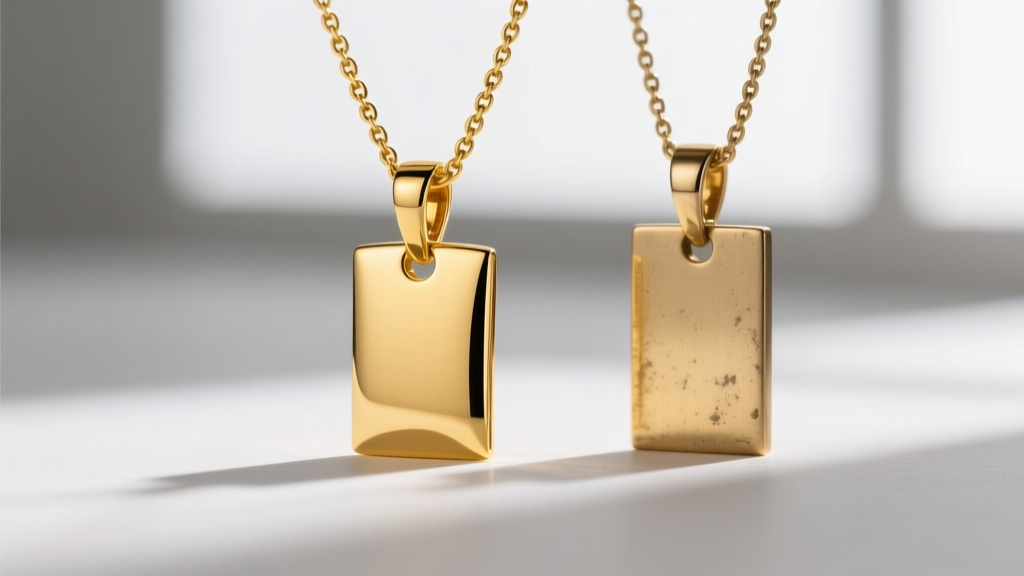
When evaluating sterling silver tabs, ensure the brand uses Argentium silver or rhodium-plated 925 silver to stave off the inevitable sulfur-induced tarnish. For gold buyers, never pay solid gold prices for 'gold-filled' or 'heavy gold electroplate' (HGE) pieces. The Federal Trade Commission Jewelry Guides strictly regulate these terms, and consumers should be wary of brands using ambiguous marketing language to inflate prices on brass-core jewelry.
The Chain and Clasp Equation: Avoiding Structural Failure
A common failure point in budget tab necklaces is the chain. A solid brass or steel tab measuring 20mm x 35mm can easily weigh between 12 and 18 grams. If a manufacturer pairs this heavy pendant with a flimsy 1.2mm cable chain, the chain will inevitably snap at the jump ring.
Matching Chain Gauge to Tab Weight
To ensure structural integrity, follow this weight-to-gauge ratio:
- Lightweight Tabs (Under 8g): 1.5mm to 2.0mm cable or box chains are sufficient.
- Mid-Weight Tabs (8g - 15g): 2.5mm to 3.5mm curb, rope, or Figaro chains provide the necessary tensile strength.
- Heavyweight Tabs (15g+): 4.0mm+ Cuban link or thick rope chains are mandatory to prevent metal fatigue.
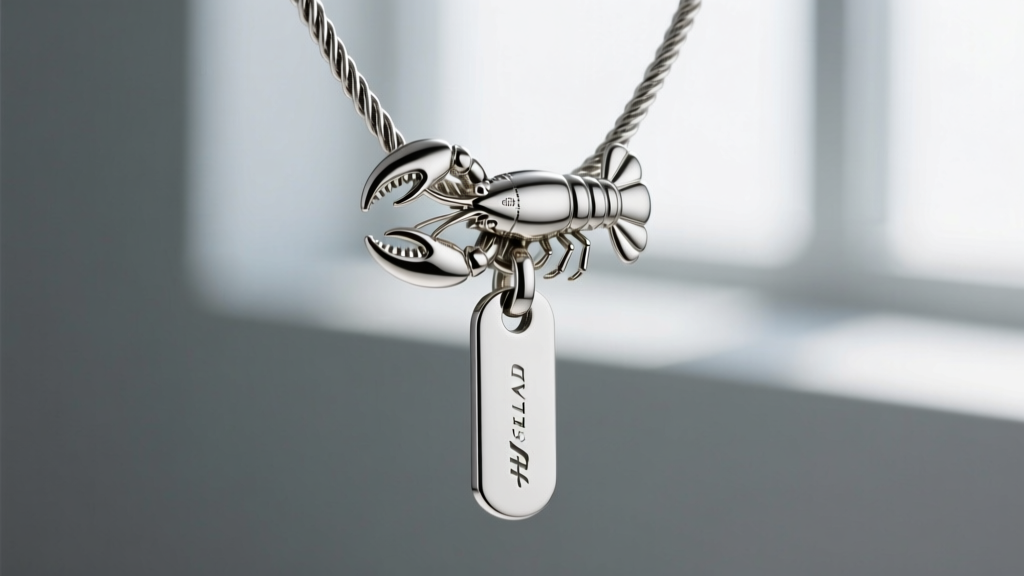
Furthermore, inspect the clasp. Spring-ring clasps are a massive red flag on any necklace weighing over 10 grams. The internal spring mechanism is notoriously weak and prone to failure. A high-value tab necklace will always feature a sturdy lobster clasp or a magnetic box clasp with a secondary safety catch.
Red Flags: When a Tab Necklace is Overpriced
In 2026, direct-to-consumer jewelry brands often mark up inferior products by 400% under the guise of 'minimalist luxury.' Here are the red flags that indicate a tab necklace is vastly overpriced:
- Hollow-Core Construction: Some brands create massive, oversized tabs that feel incredibly light. These are hollow-stamped or 3D-printed and cast with thin walls. They will dent if dropped on a hardwood floor.
- Flash Plating on Brass: If a gold-colored tab necklace costs $90 but is made of brass with 'flash plating' (less than 0.5 microns of gold), you are overpaying. The gold will rub off on your collarbone within weeks, leaving a green, oxidized brass core.
- Soldered Jump Rings Missing: The jump ring connecting the tab to the chain should be soldered shut or feature a heavy-duty split mechanism. If it is a simple open loop, the pendant will slide off and be lost.
Investment vs. Fast Fashion: Brand Value Assessment
Where should you actually spend your money? If your budget is under $50, look toward high-quality stainless steel specialists like Vitaly or independent Etsy artisans who use CNC-machined 316L steel. You will get exceptional durability, even if the material lacks intrinsic resale value.
For the $100 to $200 range, seek out reputable silversmiths or brands like Miansai, which excel in hardware engineering and offer robust, well-proportioned sterling silver and vermeil tab necklaces. Their clasps and chains are rigorously tested for weight distribution.
If you are crossing the $500 threshold, demand 14k or 18k solid gold. Brands like Tom Wood or high-end boutique jewelers offer solid gold tabs that act as wearable wealth. At this price point, you are paying for the raw material, the precise CNC milling, and the guarantee that the piece will outlive you.
The Verdict: How to Maximize Your Budget
A tab necklace is an exercise in pure geometry and material science. To get the best value in 2026, prioritize thickness over surface area. A smaller, 2.5mm thick solid silver tab will always look more luxurious and last longer than a massive, 1mm thin hollow brass pendant. Always verify the chain gauge, insist on a lobster clasp, and demand transparency regarding plating micron thickness. By focusing on these structural realities rather than brand hype, you can secure a minimalist masterpiece that delivers unparalleled cost-per-wear value.


