The Talos Necklace: A Beginner's Guide to Styling It
Discover the myth and metals behind the Talos necklace. Learn how to choose, style, and care for this bold mythological statement pendant.

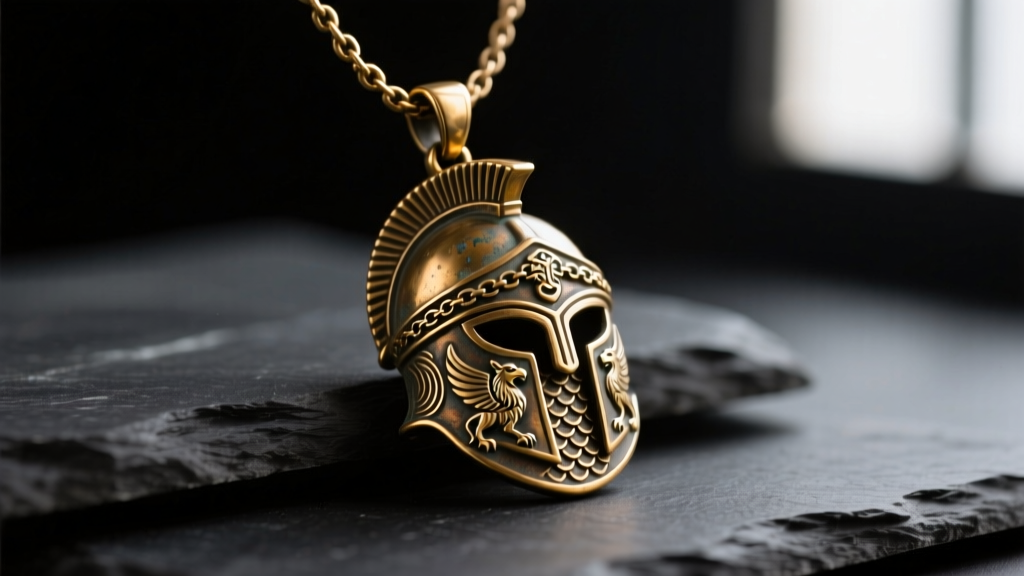
The Myth and the Motif: What is a Talos Necklace?
In Greek mythology, Talos was a giant automaton forged from bronze by Hephaestus to protect the island of Crete. He was a marvel of ancient mythological engineering, powered by a single vein of ichor that ran from his neck to his ankle. Today, the Talos necklace translates this powerful myth into a striking piece of statement jewelry. Characterized by heavy, cast-metal pendants featuring geometric armor, Spartan shields, or abstract representations of the bronze giant, these necklaces are a favorite among enthusiasts of historical, mythological, and artisan-crafted jewelry.
For beginners, navigating the world of heavy statement pendants can be intimidating. Unlike delicate gold chains or minimalist silver bar necklaces, a Talos pendant demands attention. It requires an understanding of metallurgy, chain gauge mechanics, and intentional styling to pull off successfully. Whether you are drawn to the raw, oxidized finishes of artisan bronze or the sharp, dark contrast of blackened sterling silver, this guide will walk you through exactly how to choose, wear, and maintain a Talos necklace.
Decoding the Metals: Bronze, Brass, and Oxidized Silver
The aesthetic of a Talos necklace relies heavily on its material. Because the myth centers on a bronze giant, authentic artisan jewelers heavily favor copper-based alloys. However, not all brown metals are created equal, and understanding the difference will dictate the longevity, weight, and aging process of your jewelry.
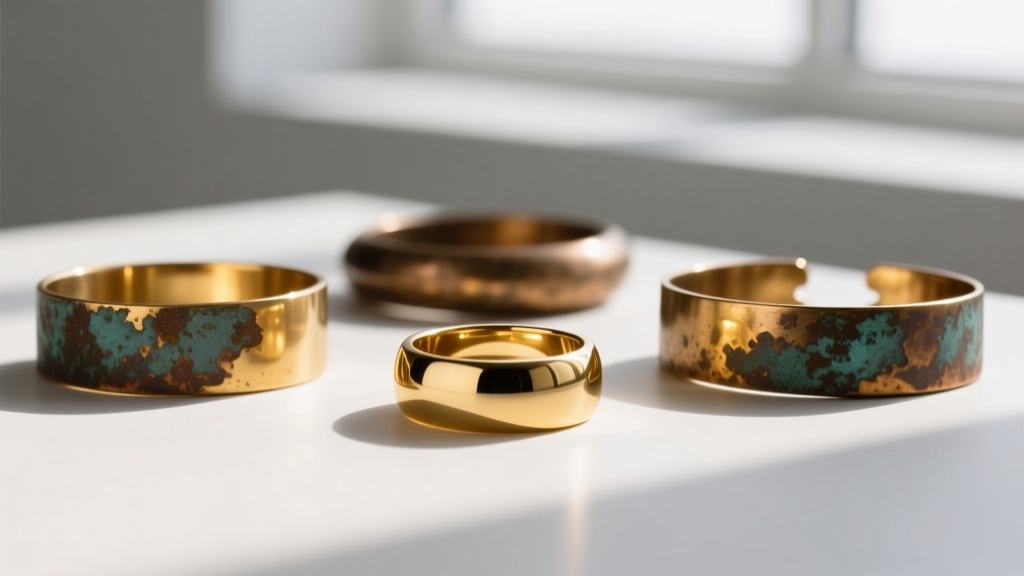
True bronze is an alloy consisting of approximately 88% copper and 12% tin. This specific composition makes the metal significantly harder than brass, allowing jewelers to cast intricate Greek armor motifs with razor-sharp detail. Over time, bronze develops a rich, dark, mottled patina that enhances the ancient, warrior-like aesthetic of the Talos motif. Brass, on the other hand, is an alloy of copper and zinc. It is softer, cheaper, and tends to maintain a brighter, more yellow-gold tone unless artificially chemically darkened.
For those who prefer precious metals, many high-end designers offer the Talos motif in oxidized sterling silver (925). This involves treating the silver with liver of sulfur to create a blackened, antique finish that mimics the shadows of aged bronze, but without the base-metal weight or skin reactions.
| Material | Composition | Patina Behavior | Average Price Range |
|---|---|---|---|
| Cast Bronze | 88% Copper, 12% Tin | Develops a dark, rich, natural mottled patina over time. | $80 - $250 |
| Cast Brass | 65% Copper, 35% Zinc | Stays yellow-gold; requires chemical darkening for antique looks. | $40 - $120 |
| Oxidized Silver | 92.5% Silver, 7.5% Copper | Blackened via sulfur; wears off on high-friction edges naturally. | $150 - $400+ |
Chain Pairings: Matching the Right Cord or Chain
The most common failure point for beginners buying heavy mythological pendants is the chain. A genuine cast-bronze Talos pendant typically weighs between 40 and 80 grams. This is a massive amount of kinetic force exerted on the clasp and jump rings when the wearer moves, bends, or exercises.
A standard 18-gauge lobster clasp will quickly fatigue and snap under this dynamic load. When selecting a chain or cord for your Talos necklace, you must prioritize structural integrity and gauge thickness.
- Braided Leather Cords (4mm - 6mm): The most popular pairing for a Talos pendant. A 5mm braided leather cord with a stainless steel screw-end barrel clasp offers immense tensile strength and perfectly complements the rugged, ancient aesthetic of the bronze.
- Wheat or Rope Chains (10-gauge to 8-gauge): If you prefer metal, look for a solid wheat chain in the 2.5mm to 3.5mm range (roughly 10-gauge). Ensure the clasp is a heavy-duty toggle or a spring ring attached to a soldered (not open) jump ring.
- Waxed Cotton or Hemp (2mm - 3mm): For a more bohemian or historically accurate look, thick waxed cords are excellent. However, ensure the pendant bail (the loop the cord passes through) is wide enough to accommodate the knot or clasp mechanism.
How to Style a Heavy Statement Pendant
Styling a Talos necklace is an exercise in proportion and contrast. Because the pendant itself is visually heavy and texturally complex, the rest of your outfit should serve as a canvas rather than a competitor.

Neckline Pairings
The Talos pendant typically hangs between 22 and 26 inches, placing it squarely on the sternum. This length dictates specific neckline pairings:
The Henley or V-Neck: A charcoal or olive green Henley shirt creates a natural V-shape that frames the pendant perfectly, drawing the eye down to the chest without the fabric bunching around the heavy metal bail.
The Crew Neck T-Shirt: A heavyweight, structured cotton crew neck in black or navy provides a stark, modern contrast to the ancient, organic texture of oxidized bronze. The thick collar of a premium streetwear t-shirt can easily support the visual weight of a 60-gram pendant.
Avoid: Highly patterned shirts, busy flannels, or delicate silk blouses. The intricate geometric lines of the Talos armor motif will clash with busy patterns, and delicate fabrics will physically sag under the weight of the metal.
Proportions and Layering
While layering is a massive trend in 2026, the Talos necklace should generally be worn solo. Its sheer size and historical weight make it the undisputed focal point of your neckline. If you must layer, pair it with a single, ultra-thin (1mm) oxidized silver chain that sits at least four inches above the Talos pendant, ensuring the two pieces never physically tangle or visually overlap.
Care and Maintenance: Embracing the Patina
Owning a bronze or oxidized silver Talos necklace means accepting that the metal is alive; it will react to its environment. According to conservation guidelines from the Smithsonian Institution, copper alloys naturally react with sulfur in the air and the natural acids (pH levels) present in human sweat.
This reaction forms copper carbonate, which can leave a harmless but unsightly green stain on your chest. To prevent this without stripping the beautiful antique finish from the front of your pendant, jewelers recommend a targeted sealing approach. Apply a thin, even layer of Renaissance Wax or a clear, jewelry-safe lacquer strictly to the back of the pendant—the side that rests against your skin. This creates an invisible barrier against skin acidity while allowing the front of the Talos motif to continue aging and developing character.
For cleaning, avoid harsh commercial silver dips or ultrasonic cleaners, which will strip the intentional oxidation from the crevices of the armor detailing. Instead, follow the Gemological Institute of America (GIA) guidelines for base metals: simply wipe the piece with a soft, dry microfiber cloth after wearing to remove excess oils and moisture. If the pendant becomes overly dark or muddy, a gentle scrub with a soft-bristled toothbrush and a paste of baking soda and lemon juice will lift the grime from the deep cast lines, revealing the warm, golden-bronze metal beneath.
By understanding the metallurgy, respecting the structural needs of heavy pendants, and styling with intentional contrast, your Talos necklace will transform from a simple accessory into a modern heirloom that channels the enduring strength of ancient myth.


