Taylor Swift T Necklace: 2026 Buying Guide & Best Dupes
Discover how to find the perfect Taylor Swift T necklace in 2026. Compare diamond grades, chain gauges, and pricing tiers in our expert buying guide.

The Anatomy of the Viral Taylor Swift T Necklace
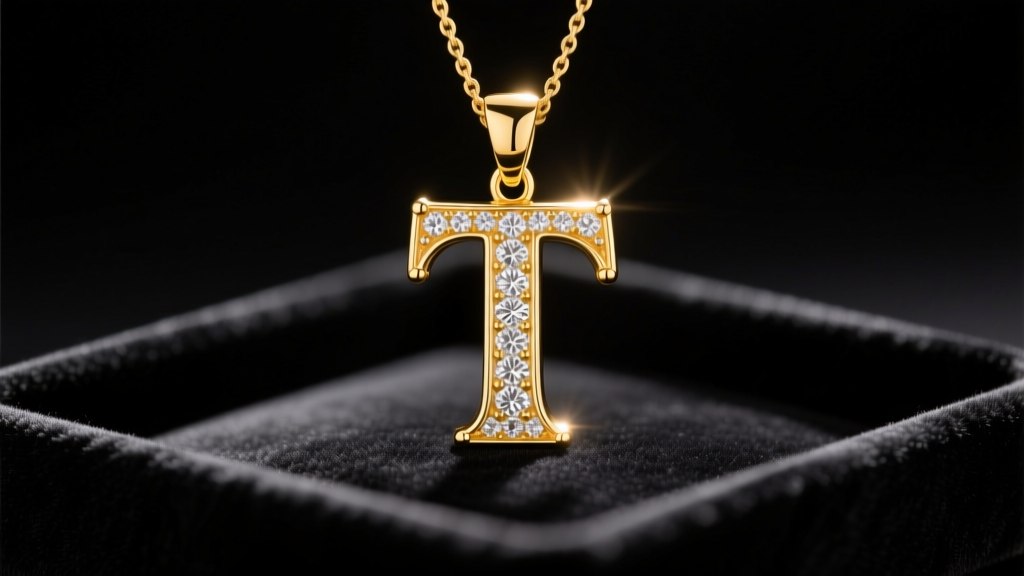
When the iconic Taylor Swift T necklace first made high-profile appearances during her record-breaking Eras Tour and subsequent NFL outings, it immediately triggered a massive resurgence in custom initial jewelry. While initial pendants are a timeless staple, the specific iteration worn by Swift sparked a highly specific buying trend that has carried strongly into 2026. Fans and jewelry enthusiasts alike began searching for a very particular aesthetic: a bold, serif-letter 'T' encrusted in diamonds, suspended from a delicate yet durable gold chain.
As a domain expert in necklace trends and fine jewelry construction, I can tell you that replicating this exact look requires more than just picking any letter pendant off a department store rack. The magic of this specific piece lies in its proportions, typography, and stone settings. A sans-serif 'T' has a very narrow vertical stem, which limits the surface area for diamond pave, often resulting in a sparse, underwhelming sparkle. Conversely, a classic serif 'T'—reminiscent of Times New Roman or Garamond typography—features flared edges at the top and bottom. This wider surface area allows jewelers to set a denser cluster of melee diamonds, maximizing light return and creating that signature high-wattage glow that photographs so beautifully from the stadium stands.
Decoding the Diamonds: Melee Grades and Pave Settings
The sparkle of the Taylor Swift T necklace comes from what gemologists call 'melee' diamonds. According to the Gemological Institute of America (GIA), melee diamonds are small stones, typically weighing between 0.001 and 0.2 carats, used to accent jewelry or create full pave designs. For a 12mm to 15mm initial pendant, a jeweler will use dozens of these micro-stones.
When shopping for a high-quality dupe or custom commission in 2026, you must pay attention to the clarity and color of these tiny stones. Because melee diamonds are so small, inclusions are less visible to the naked eye, meaning you can safely opt for SI1 or SI2 clarity grades without sacrificing visual perfection. However, color is critical. You want stones in the G-H color range (near-colorless). If a jeweler uses I-J or lower color melee, the pendant will face up slightly yellow or brown, especially when set in bright white gold or platinum.
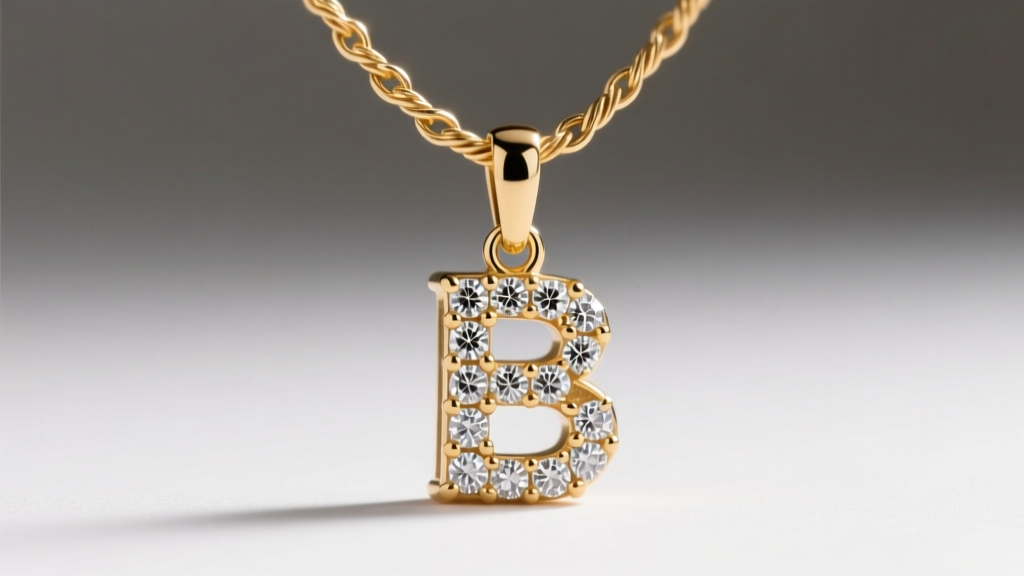
Equally important is the setting technique. Traditional micro-prong settings use tiny metal claws to hold each stone. While beautiful, raised micro-prongs are notorious for catching on silk blouses and knitwear. For everyday wear, look for a 'bead set' or 'bright cut' pave. In this technique, the jeweler uses a graver to push the surrounding metal over the girdle of the diamond, creating a smooth, flush surface that is entirely snag-proof while still allowing maximum light to enter the stone.
Chain Mechanics: Gauge, Length, and Clasp Security
The chain is the unsung hero of any pendant necklace. A heavy diamond 'T' pendant requires a chain that offers tensile strength without visually overpowering the letter. Based on structural jewelry guidelines outlined by JewelryWise, the ideal chain for a 2-gram to 4-gram initial pendant is a standard cable chain or a rounded box chain measuring between 0.9mm and 1.2mm in thickness (gauge).
Avoid ultra-thin 0.5mm chains; they will stretch, kink, and eventually snap under the pendulum-like swinging motion of a top-heavy letter pendant. Furthermore, always inspect the clasp. A standard spring-ring clasp is fragile and difficult to operate with one hand. Insist on a lobster clasp, which features a robust internal spring mechanism and a wider opening, ensuring the necklace stays securely around your neck during active wear.
Material & Pricing Tiers: What to Look For in 2026
Whether you are investing in an heirloom piece or looking for an accessible dupe, understanding the material tiers will help you allocate your budget effectively. The rise of lab-grown diamonds has completely disrupted the initial pendant market, offering identical optical properties at a fraction of the cost of mined stones, as noted by industry analysts at The Diamond Pro.
| Material Tier | Metal Base | Stone Type | 2026 Price Range | Best For |
|---|---|---|---|---|
| Heirloom Fine | 18k Solid Gold | Natural VS Melee | $2,500 - $5,000+ | Lifetime wear, investment, legacy gifts |
| Accessible Luxury | 14k Solid Gold | Lab-Grown Diamonds | $800 - $1,500 | Daily wear, ethical sourcing, best value |
| Demi-Fine | Gold Vermeil (Sterling Base) | Moissanite or CZ | $150 - $350 | Trend-chasing, occasional wear |
| Fast Fashion | Gold-Plated Brass | Cubic Zirconia | $30 - $80 | Costume use, short-term events |
Hidden Failure Modes: What Cheap Pendants Get Wrong
When buying a Taylor Swift T necklace alternative, beware of two common structural failure modes that plague mass-produced initial jewelry. The first is 'bail friction.' The bail is the small loop that connects the pendant to the chain. If the chain is harder or more textured than the bail (for example, a diamond-cut rope chain rubbing against a soft 14k gold bail), the chain acts like a microscopic saw. Over 12 to 18 months of daily wear, it will literally saw through the bail, causing you to lose the pendant. Always pair a smooth cable chain with your initial piece, or ensure the jeweler has lined the inside of the bail with hardened platinum.
The second failure mode is solder joint weakness. In cheaper pendants, the vertical and horizontal bars of the 'T' are cast separately and soldered together. Over time, body heat, lotions, and physical impact can cause this solder joint to fracture. Always look for a 'die-struck' or 'CAD-milled' pendant where the entire letter is forged from a single, continuous piece of metal.
Styling and Layering the Initial Pendant
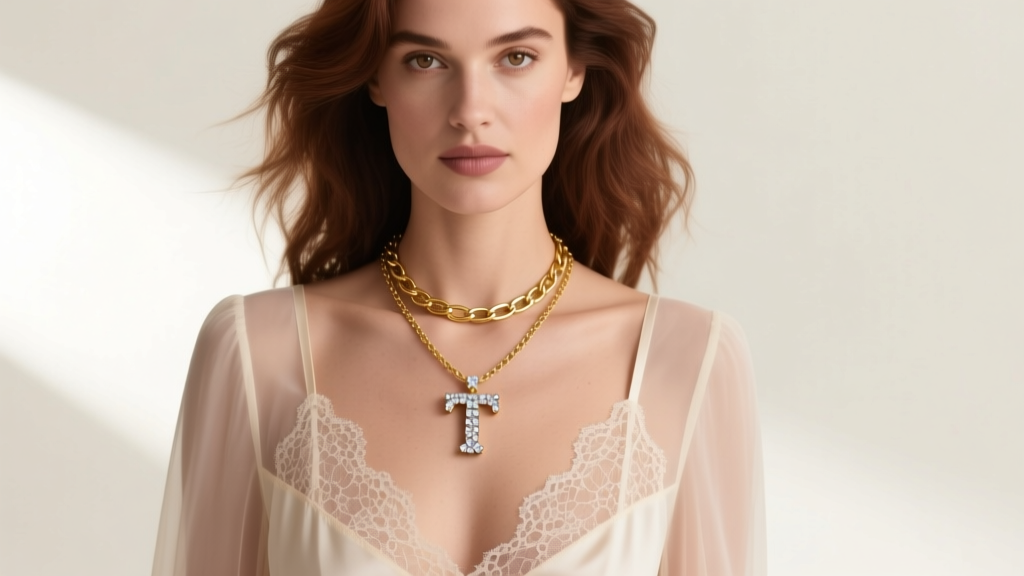
The beauty of the diamond 'T' necklace is its incredible versatility. For a look that mirrors Swift's off-duty stadium style, wear the pendant on an 18-inch chain so it rests comfortably over a vintage graphic tee or a cozy crewneck sweater. The 18-inch length allows the heavy letter to swing freely and catch the light without getting tangled in collarbones.
If you prefer a more elevated, curated aesthetic for evening wear or office environments, opt for a 16-inch choker length and layer it with complementary chains. Pair your diamond 'T' with a 14-inch gold herringbone chain (which sits flat against the skin) and a 20-inch delicate paperclip chain. This staggered layering technique creates depth and prevents the necklaces from tangling, as the varying weights and link structures keep them naturally separated. Remember to keep the metal colors consistent—mixing a yellow gold initial pendant with white gold layering chains can dilute the visual impact of the diamond pave.
Where to Buy and Commission Your Piece
While Swift's exact custom piece was likely sourced from a private high-end jeweler, you do not need a celebrity budget to achieve the look. Brands like Catbird and Mejuri offer excellent build-your-own initial pendant services using solid 14k gold and ethically sourced diamonds, landing perfectly in the 'Accessible Luxury' tier. For those seeking a highly specific serif font or exact millimeter dimensions, commissioning a custom CAD (Computer-Aided Design) piece from a reputable independent jeweler on platforms like Etsy is often the most cost-effective route. By providing the jeweler with exact typographic references and requesting bead-set lab-grown melee diamonds, you can secure a flawless, snag-proof Taylor Swift T necklace dupe that will last a lifetime.


