Teapot Necklace Pricing: A Value & Material Guide
Discover the true value of a teapot necklace. Our budget guide breaks down pricing tiers, material grades, and vintage vs. modern costs.

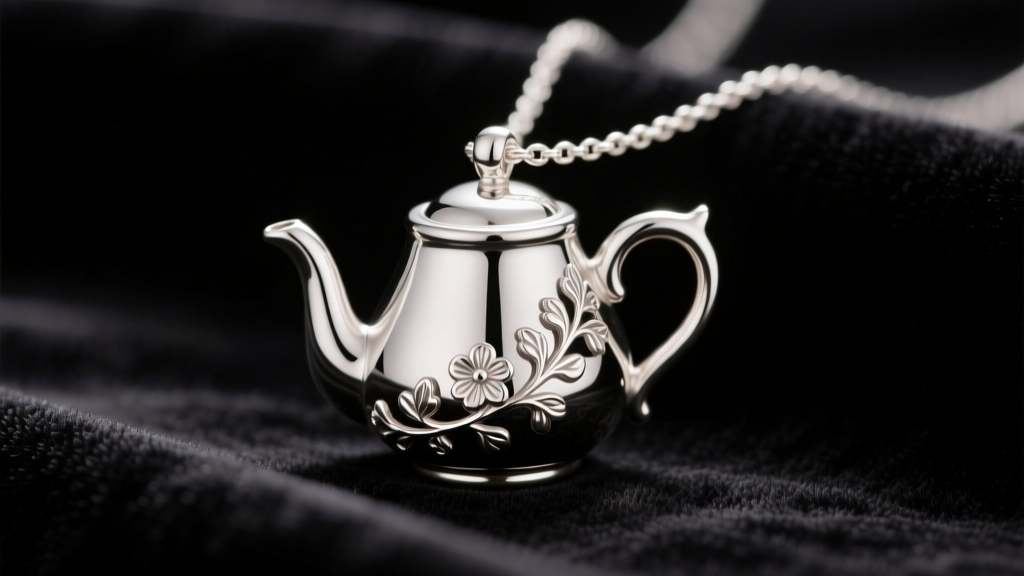
As we navigate the 2026 jewelry market, whimsical and 'cottagecore' aesthetics have firmly cemented the teapot necklace as a beloved staple. What was once relegated to quirky gift shops has evolved into a diverse category spanning high-end artisan craftsmanship, vintage collectibles, and mass-produced costume jewelry. However, this wide spectrum creates a significant challenge for buyers: how do you determine the actual value of a teapot pendant? A piece might cost $15 on a fast-fashion marketplace or $1,500 at an antique estate sale, and the visual differences in online photos can be deceiving.
This comprehensive budget and value assessment will decode the pricing structures of teapot necklaces. By examining material grades, enamel techniques, chain gauges, and historical hallmarks, you will learn exactly what to pay and how to spot overpriced novelties.
The Teapot Necklace Market Spectrum
The market for teapot pendants is broadly divided into three distinct tiers. Understanding which tier you are shopping in is the first step in assessing value. Fast-fashion and costume jewelry brands typically produce teapot charms using base metals like zinc alloy or brass, applying a thin flash plating of silver or gold tone. These are strictly decorative and hold zero intrinsic material value.
The mid-tier consists of modern artisan and demi-fine jewelry. Here, you will find solid 925 sterling silver and gold vermeil pieces, often featuring hand-applied enamel or small semi-precious cabochons. The top tier encompasses antique, vintage, and fine jewelry pieces. These are often crafted in solid 14k or 18k gold, featuring intricate guilloché enamel, micro-pave diamonds, or historical maker's marks that add numismatic and antique value on top of the raw melt weight of the metals.
Material Breakdown and Price Tiers
When evaluating a teapot necklace, the base metal is the primary driver of cost. Below is a structured breakdown of what you should expect to pay based on material composition in the current market.
| Material Grade | Composition Details | Fair Price Range | Longevity & Value Retention |
|---|---|---|---|
| Costume / Base Metal | Zinc alloy, brass, or pewter with flash plating. | $12 - $35 | Poor. Plating wears off in months; high risk of skin irritation. |
| Silver-Plated | Copper or brass base with a thicker layer of silver (approx. 1-2 microns). | $35 - $65 | Fair. Will eventually tarnish and wear through to the base metal. |
| Solid 925 Sterling | 92.5% pure silver, 7.5% copper. Often stamped '925'. | $80 - $220 | Excellent. Can be polished indefinitely; retains intrinsic silver value. |
| Gold Vermeil | Sterling silver base with at least 2.5 microns of 14k or 18k gold plating. | $110 - $280 | Good. More durable than standard plating, but will eventually require re-plating. |
| Solid 14k / 18k Gold | 58.5% or 75% pure gold alloyed for strength and color. | $450 - $1,500+ | Superior. Heirloom quality; value tracks with the global gold spot price. |
According to the Gemological Institute of America (GIA), always look for quality stamps like '925', '14K', or '585'. However, be aware that stamps on cheap imported jewelry can be easily faked, making the weight and magnetic tests crucial secondary verification steps.
Enamel and Detailing: Where the Real Value Lies
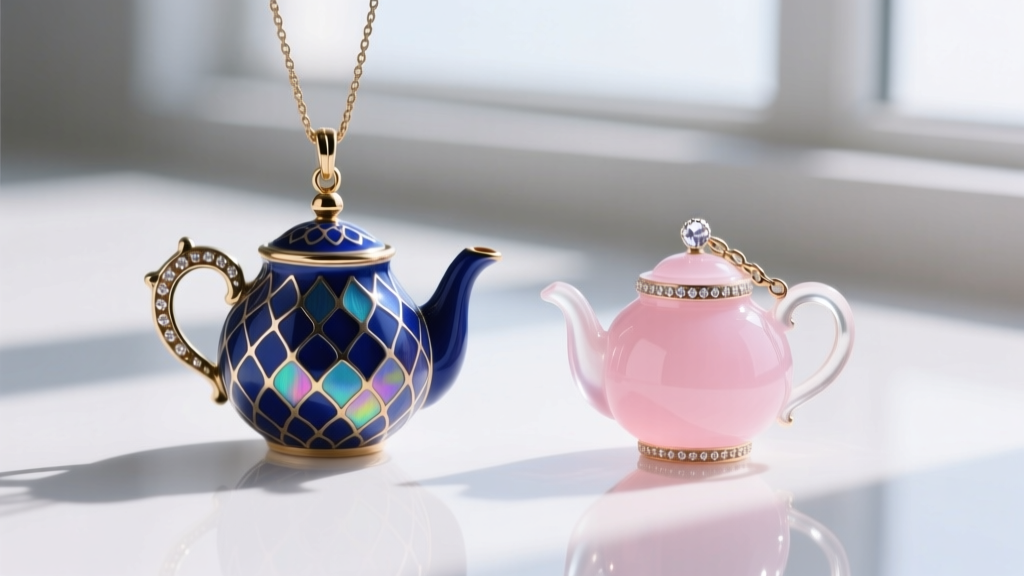
Many teapot necklaces feature colorful enamel to mimic the ceramic patterns of real teapots. The type of enamel used drastically alters the value and price justification of the piece.
Vitreous (Fired) Enamel vs. Cold Enamel
- Vitreous Enamel: This is powdered glass fused to metal at extremely high temperatures (around 1400°F). It is highly durable, scratch-resistant, and possesses a luminous depth. If you are looking at a vintage or high-end artisan teapot pendant, vitreous enamel justifies a premium price tag ($200+).
- Guilloché Enamel: A specialized subset of vitreous enamel where transparent glass is fired over an engraved, geometric metal pattern. This creates a mesmerizing, 3D optical effect. Vintage European guilloché teapot lockets are highly collectible and command prices well over $500.
- Cold Enamel (Epoxy Resin): This is essentially colored resin poured into metal recesses and cured at room temperature. It is cheaper to produce, prone to yellowing over time, and can be scratched with a fingernail if poorly cured. Mass-market teapot charms almost exclusively use cold enamel. Never pay premium sterling silver prices for a piece that relies heavily on cold enamel detailing.
Chain Gauge and Hardware Assessment
A common trap in the novelty jewelry market is pairing a heavy, well-crafted pendant with a flimsy, low-value chain. When assessing the total budget for a teapot necklace, you must evaluate the chain gauge and clasp hardware.
Teapot pendants, especially those made of solid silver or featuring enamel, tend to be front-heavy. A chain thinner than 1.0mm is a structural liability. For optimal value and durability, look for the following specifications:
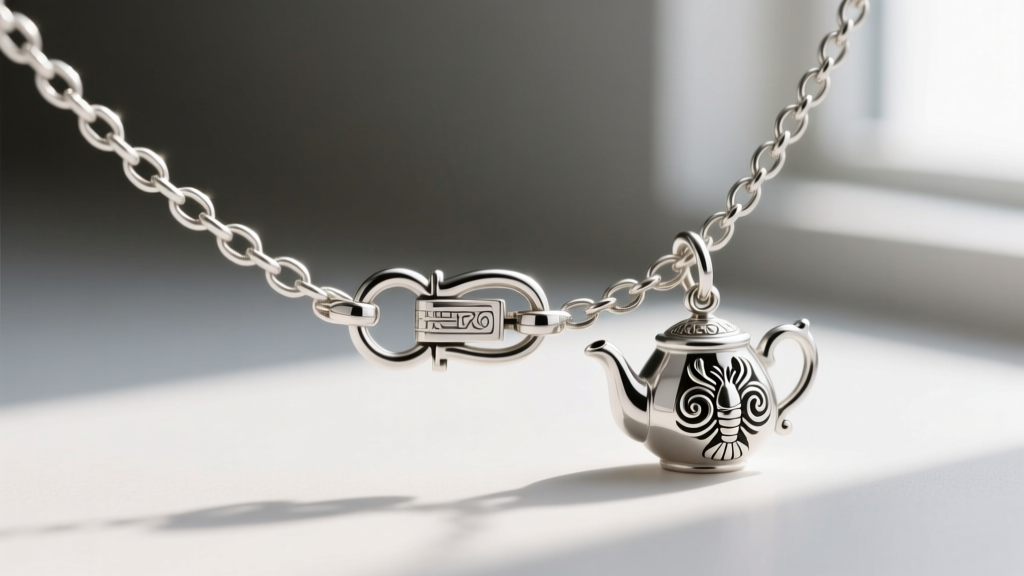
- Chain Gauge: A 1.2mm to 1.5mm cable, rolo, or box chain provides the necessary tensile strength to hold a solid silver teapot pendant without snapping.
- Clasp Type: Avoid spring-ring clasps on chains thicker than 1.0mm; the internal springs fail quickly. A well-constructed lobster clasp or a secure barrel clasp is a hallmark of a brand that invests in total garment value, not just the pendant.
- The Bail: Check the loop (bail) connecting the teapot to the chain. A soldered, solid bail indicates quality manufacturing. A pinched or glued bail is a red flag for mass production.
Evaluating Vintage and Antique Teapot Pendants
The secondary market for vintage teapot necklaces is thriving in 2026, driven by collectors of mid-century Mexican silver and Victorian novelty jewelry. When budgeting for an antique piece, you are paying for provenance, craftsmanship, and rarity.
Resources like Silver Collector emphasize the importance of reading hallmarks. For example, a mid-century Mexican teapot pendant stamped 'Taxco', '925', and featuring an eagle assay mark indicates a specific historical lineage that justifies a $150–$300 price point, even if the piece shows minor patina or enamel wear. Conversely, a Victorian-era 15k gold teapot locket with intricate repoussé work and a functional hinge can easily fetch $800 to $2,000 at auction. When buying vintage, factor in the potential cost of professional ultrasonic cleaning and chain replacement, as original antique chains are often too fragile for daily wear.
Red Flags: How to Spot Overpriced Costume Pieces
Not all teapot necklaces are created equal, and some sellers use deceptive marketing to inflate the prices of base-metal jewelry. Protect your budget by watching out for these common red flags:
- 'Tibetan Silver' or 'Nepalese Silver': These are not silver. They are typically zinc, copper, and nickel alloys. They tarnish rapidly, can cause severe contact dermatitis, and should never cost more than $15.
- Unrealistic Weight Claims: Some listings boast 'heavy vintage feel' to justify a $90 price tag for a pot-metal casting. Solid 925 sterling silver has a specific density; if a large teapot pendant feels suspiciously light, it is likely hollow-cast brass or aluminum.
- 'Silver-Filled' Misdirection: While better than flash-plated, silver-filled wire (usually 1/20th silver by weight) is a manufacturing material, not a solid precious metal. It is acceptable for budget wire-wrapped teapot charms ($30-$50), but should not be priced alongside solid sterling silver.
Final Verdict: What is a Teapot Necklace Actually Worth?
Ultimately, the value of a teapot necklace depends on your objective. If you are buying for a seasonal trend or a playful gift, a $25-$45 silver-plated or high-quality brass piece with cold enamel offers excellent aesthetic value without breaking the bank. However, if you are seeking a durable, everyday piece or an heirloom, budget between $120 and $250 for a solid 925 sterling silver pendant on a 1.2mm rolo chain. For collectors and fine jewelry enthusiasts, antique gold and vitreous enamel pieces represent a tangible asset, with prices reflecting both the precious metal content and the historical artistry of the era. By scrutinizing the metal stamps, enamel types, and chain hardware, you can confidently navigate the market and ensure your budget aligns with true material value.


