2026 Value Guide: Budgeting for a Tear Drop Diamond Necklace
Discover how to budget for a tear drop diamond necklace in 2026. We break down lab vs. natural pricing, ideal pear ratios, and setting costs.

The True Cost of a Tear Drop Diamond Necklace in 2026
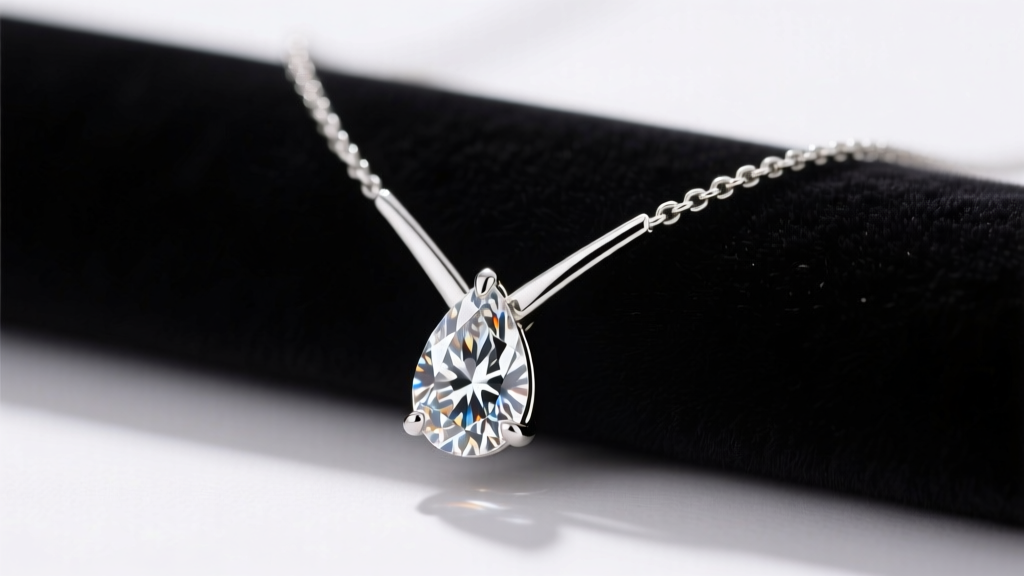
When evaluating fine jewelry, the tear drop diamond necklace—gemologically referred to as a pear-cut or pear-shaped diamond—presents a unique budgeting challenge. Unlike the standard round brilliant, which commands a premium for its symmetrical light return, the teardrop silhouette requires a highly strategic approach to the 4Cs (Cut, Color, Clarity, and Carat) to maximize visual size and brilliance without overpaying. In 2026, the market has seen a distinct bifurcation between natural and lab-grown diamond pricing, making it entirely possible to secure a breathtaking, high-carat pendant without liquidating your savings.
However, a common mistake buyers make is allocating their entire budget to the center stone while neglecting the structural integrity of the setting and the chain. A tear drop diamond necklace is particularly vulnerable to damage at its pointed tip, meaning your budget must account for specialized protective settings. Below, we break down the exact pricing matrices, gemological sweet spots, and structural requirements you need to know before making a purchase this year.
Lab-Grown vs. Natural: The 2026 Price Matrix
The most significant shift in the diamond market over the last few years is the stabilization of lab-grown diamond pricing. According to the Gemological Institute of America (GIA), lab-grown diamonds possess the exact same chemical, physical, and optical properties as mined diamonds. However, their resale value remains significantly lower. If you are buying a tear drop diamond necklace as a personal adornment rather than an heirloom investment, lab-grown offers unparalleled value.
| Carat Weight | Natural Diamond (2026 Est.) | Lab-Grown Diamond (2026 Est.) | Recommended Budget Allocation |
|---|---|---|---|
| 0.75 ct | $2,800 - $3,500 | $600 - $850 | Focus on ideal cut and 18k gold chain |
| 1.00 ct | $4,500 - $6,200 | $900 - $1,300 | Upgrade to V-prong bezel hybrid setting |
| 1.50 ct | $9,000 - $13,500 | $1,500 - $2,200 | Invest in a heavy 1.2mm wheat chain |
| 2.00 ct | $16,000 - $24,000 | $2,400 - $3,500 | Custom halo setting for tip protection |
Note: Prices reflect G-H color and VS2-SI1 clarity grades, which represent the optimal value tier for pear shapes.
Decoding the 4Cs for Maximum Value
To stretch your budget, you must understand how the teardrop shape interacts with light and color. You cannot grade a pear-shaped diamond using the same rubric as a round brilliant.
The Bow-Tie Effect and Length-to-Width Ratio
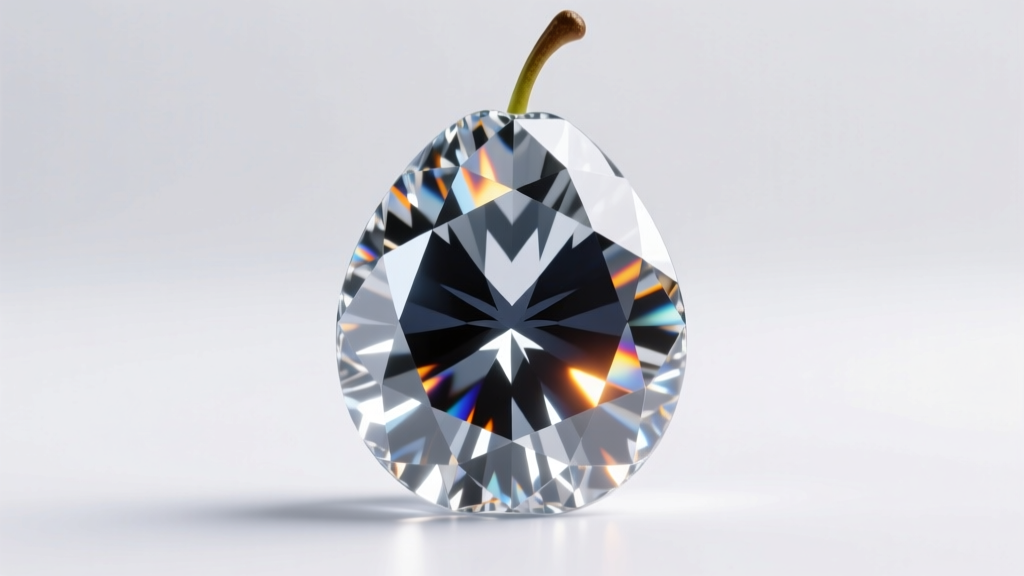
Every elongated diamond suffers from some degree of light obstruction, but in poorly cut teardrops, this manifests as a dark, horizontal shadow across the center of the stone known as the "bow-tie effect." When shopping, you must visually inspect the stone (or high-resolution 360-degree video) to ensure the bow-tie is minimal and blends into the stone's scintillation rather than appearing as a dead, black void.
Furthermore, the length-to-width (L/W) ratio dictates the stone's aesthetic appeal and perceived size. For a classic, elegant tear drop diamond necklace, aim for an L/W ratio between 1.45 and 1.55. Ratios below 1.40 look stubby and overly wide, while ratios above 1.65 look excessively narrow and needle-like, which can make the stone appear smaller than its actual carat weight.
Color and Clarity Sweet Spots
The teardrop shape is notorious for trapping color at its pointed tip. If you drop to a J or K color grade, the rounded end may face up white, but the sharp tip will visibly yellow, creating an unappealing two-toned effect. Therefore, the absolute floor for a white-metal setting is H color. If you are setting the pendant in 14k or 18k yellow gold, you can safely drop to a J color, saving up to 20% on the stone's cost.
Regarding clarity, the facet pattern of a pear cut is excellent at hiding inclusions. You do not need to pay the premium for VVS (Very Very Slightly Included) grades. A VS2 or eye-clean SI1 will look flawless to the naked eye, especially when suspended on a necklace chain where it is constantly in motion and viewed from a distance.
Protecting Your Investment: Setting and Chain Costs
A frequent failure mode in budget jewelry is the snapping of a delicate chain or the chipping of an unprotected diamond tip. The pointed end of a tear drop diamond is the most fragile part of the crystal structure. A standard four-prong setting leaves this tip exposed to catastrophic chipping if bumped against a hard surface.
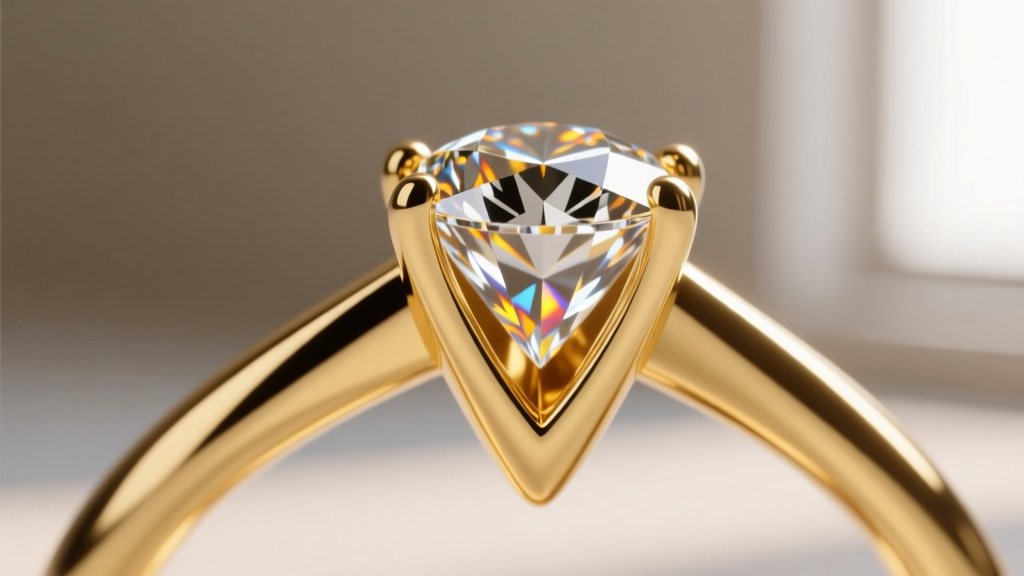
You must insist on a V-prong setting (also known as a chevron prong), which wraps a triangular piece of metal securely over the delicate point. Expect to pay a $150 to $300 premium for a custom V-prong head, but this is a non-negotiable expense for long-term durability.
Selecting the Right Chain Gauge
The chain is the unsung hero of any pendant necklace. A heavy 1.50-carat teardrop pendant will easily weigh over 1.5 grams. Suspending this weight on a flimsy 0.6mm cable chain is a recipe for disaster. Follow these gauge guidelines based on your carat weight:
- Under 1.00 ct: 0.8mm to 1.0mm box or cable chain. (Cost: $150 - $250)
- 1.00 ct to 1.50 ct: 1.1mm to 1.3mm wheat or rope chain. (Cost: $250 - $400)
- Over 1.50 ct: 1.5mm+ solid box chain with a reinforced lobster clasp. (Cost: $400 - $700)
Always verify that the clasp is a lobster claw or a secure barrel clasp. Spring-ring clasps are prone to mechanical failure and should never be used for pendants valued over $1,000.
5 Red Flags When Shopping on a Budget
When hunting for deals on a tear drop diamond necklace, unscrupulous sellers often offload poorly proportioned stones that look terrible in real life. Avoid these five specific red flags:
- "Extremely Thick" Girdles: Sellers use thick girdles to hide dead carat weight. You end up paying for a 1.20ct diamond that measures like a 0.90ct stone.
- Uneven Shoulders: The curved sides of the teardrop must be perfectly symmetrical. If one shoulder bulges more than the other, the stone will look warped when worn.
- Strong Blue Fluorescence in Lower Colors: While sometimes beneficial, strong fluorescence in poorly cut stones can cause a milky, cloudy appearance in natural sunlight. The Federal Trade Commission (FTC) advises full transparency on diamond treatments and optical anomalies, so always ask for a fluorescence report.
- Friction-Back Bails: Ensure the bail (the loop connecting the pendant to the chain) is soldered shut or features a secure hinge. Pinch bails will eventually wear down and drop your diamond.
- Unverified Lab-Grown Disclosures: Ensure your lab-grown diamond comes with an IGI or GIA certificate. Uncertified stones are often over-graded by 1 to 2 color and clarity tiers by in-house sellers.
Final Verdict: Where to Allocate Your Budget
Building the perfect tear drop diamond necklace in 2026 is an exercise in strategic compromise. By opting for a lab-grown stone in the G-H color and VS2 clarity range, you can secure a visually massive, 1.50-carat center stone for under $2,000. Reinvest the thousands you saved into a robust 18k gold setting with a protective V-prong and a high-quality 1.2mm wheat chain. This approach guarantees that your necklace isn't just beautiful on the day of purchase, but structurally sound enough to withstand decades of daily wear.