The Ultimate Beginner Guide to Choosing a Heart and Cross Necklace
Discover how to choose, style, and care for a heart and cross necklace. Our beginner guide covers metals, chain lengths, and neckline pairings.
Understanding the Heart and Cross Necklace
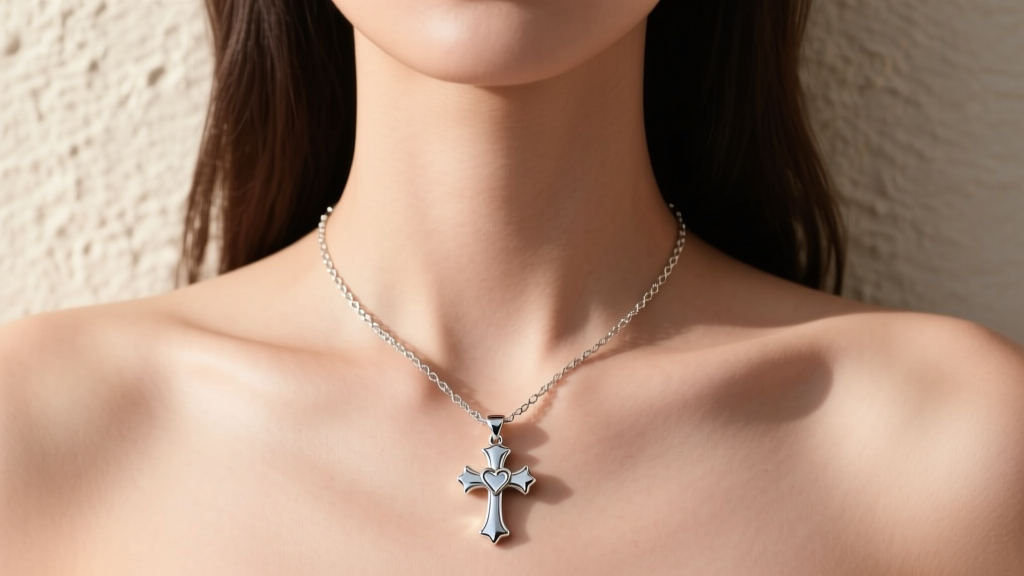
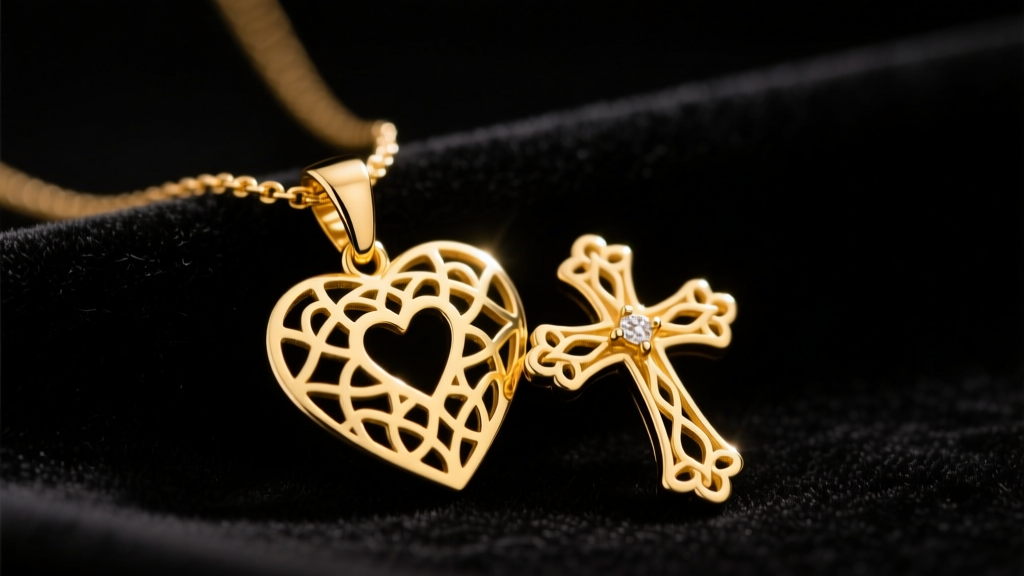
The heart and cross necklace is more than just a fleeting jewelry trend; it is a profound intersection of two universal symbols. While the heart universally represents love, affection, and emotional connection, the cross grounds the piece in faith, devotion, and spiritual protection. For beginners navigating the vast world of fine and fashion jewelry, understanding how these dual pendants interact with different metals, chains, and necklines is the key to making a confident purchase.
When shopping for a heart and cross necklace, you will typically encounter two structural designs. The first is the soldered design, where the heart and cross are fused together into a single, cohesive pendant. This prevents tangling and ensures the motifs always lay flat against the skin. The second is the free-floating design, where the heart and cross hang from separate jump rings on the same chain. This offers dynamic movement but requires a slightly thicker chain to prevent the pendants from constantly sliding together and scratching one another.
Decoding Materials: What to Buy on a Beginner Budget
The longevity, skin-sensitivity, and price of your necklace are entirely dictated by its metallurgy. According to the Gemological Institute of America (GIA), understanding karatage and metal alloys is essential before purchasing any precious metal jewelry. Below is a practical breakdown of the most common materials used for dual-pendant necklaces.
| Material Grade | Price Range | Pros & Cons | Best For |
|---|---|---|---|
| 316L Surgical Stainless Steel | $15 - $45 | Tarnish-free and highly durable, but heavier and difficult to resize or repair. | Daily wear, active lifestyles, tight budgets. |
| Sterling Silver (925) | $35 - $90 | Classic and hypoallergenic. Requires regular polishing to prevent oxidation and tarnish. | Gift-giving, vintage aesthetics. |
| Gold Vermeil (2.5µm over 925) | $55 - $130 | Offers the look of solid gold at a fraction of the cost. The gold layer will eventually wear off with heavy friction. | Occasional wear, trend-focused styling. |
| Solid 14k Gold | $250 - $600+ | Lifetime durability, no tarnishing, holds intrinsic value. Higher upfront investment. | Heirlooms, 24/7 wear, sensitive skin. |
For beginners, Sterling Silver (925) is often the best entry point into fine jewelry. It provides the weight and feel of a quality piece without the steep premium of solid gold. However, if you live in a humid climate or have highly acidic skin pH, opt for rhodium-plated sterling silver to delay tarnishing.
Chain Styles That Complement Dual Pendants
The chain you select must be robust enough to support the weight of two pendants without kinking. A chain that is too delicate (under 1.0mm) will bend when the heart and cross swing against each other.
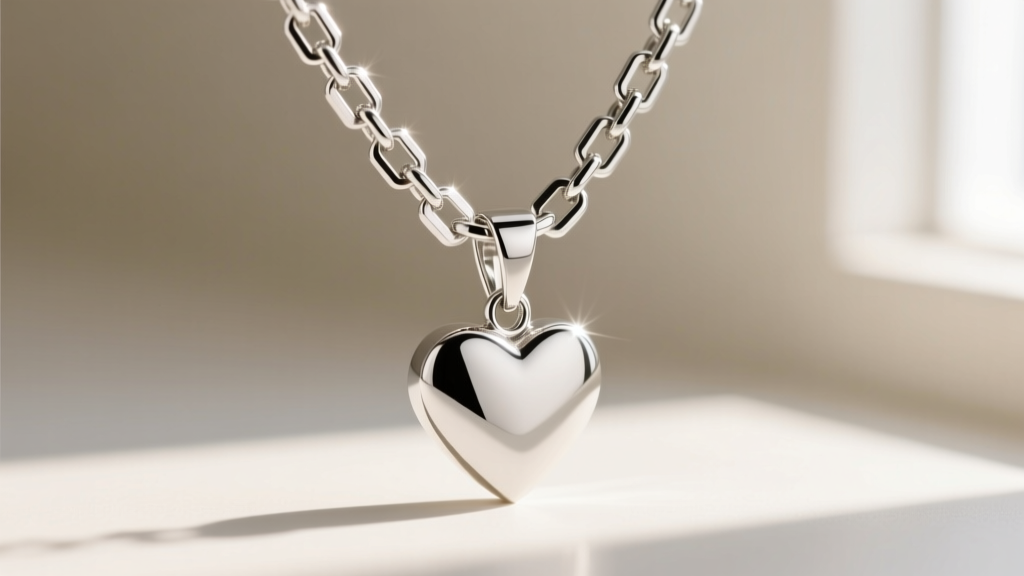
- Box Chain (1.2mm - 1.5mm): Composed of square links, this is the most reliable choice for a heart and cross necklace. The geometric structure prevents twisting, ensuring your pendants always face forward.
- Cable Chain (1.5mm): The classic oval-link chain. While beautiful and traditional, cable chains are prone to tangling when paired with multiple moving pendants.
- Rope Chain (1.2mm): Twisted links create a highly reflective surface that mimics the sparkle of diamonds. However, the grooves can trap skin oils and lotions, requiring more frequent cleaning.
Sizing and Length: Where Should It Rest?
The visual impact of a heart and cross necklace changes drastically depending on where it falls on the décolletage. Choosing the right length depends on your typical wardrobe necklines.
The 16-Inch Choker Length
A 16-inch chain sits snugly at the base of the throat or just on the collarbone. This length is ideal for V-neck tops, scoop necks, and off-the-shoulder garments. It draws the eye upward and creates a youthful, modern silhouette. If you are buying for a petite frame, 16 inches will act as a standard princess length.
The 18-Inch Princess Length
Falling just below the collarbone and resting on the upper sternum, the 18-inch length is the universal standard. It provides enough room for the heart and cross pendants to lay flat without feeling restrictive. This length pairs beautifully with crew necks, button-down shirts, and casual tees, making it the most versatile option for beginners.
The 20 to 24-Inch Matinee Length
Longer chains are designed to be worn over clothing. A 20-inch or 24-inch heart and cross necklace works exceptionally well over turtlenecks, thick knit sweaters, and business-casual blazers. Ensure the pendants are slightly larger (at least 15mm) if you choose a longer chain, otherwise, they will get lost visually against the fabric.
Layering Your Heart and Cross Necklace
Layering is a fundamental styling technique, but combining meaningful pendants with other chains requires a strategic approach to avoid a cluttered look. The golden rule of layering is maintaining a minimum two-inch gap between chains to prevent the clasps and pendants from tangling.

Stylist Tip: When layering a heart and cross necklace, let it be the focal point. Pair an 18-inch heart and cross necklace with a 16-inch plain herringbone choker and a 20-inch minimalist paperclip chain. This creates a cascading effect that frames the face without competing with the dual symbolism of the pendants.
Avoid layering your heart and cross necklace with other highly detailed charm necklaces (like zodiac signs or initial pendants). The visual weight of multiple symbols will clash, diminishing the impact of both pieces.
Care and Maintenance for Longevity
Because a heart and cross necklace features intricate crevices—especially where the two motifs intersect or overlap—dirt, lotion, and dead skin cells can easily accumulate. Proper maintenance is crucial to preserve the metal's luster.
According to Jewelers of America, daily wear jewelry should be cleaned regularly with a mild, non-detergent soap and warm water. Use a soft-bristled baby toothbrush to gently agitate the areas between the heart and the cross. Never use harsh chemical dips or ultrasonic cleaners on gold vermeil or oxidized silver, as these processes will strip the finishes entirely.
When not wearing your necklace, store it in an anti-tarnish ziplock bag or a lined jewelry box. Always unclasp the chain before storing to prevent the jump rings from warping, and ensure the heart and cross pendants are laying flat to avoid permanent scratches on the metal surface.


