How to Choose the Perfect Ten Commandments Necklace
Discover how to choose, style, and care for a ten commandments necklace. Explore materials, chain lengths, and engraving styles in our beginner guide.

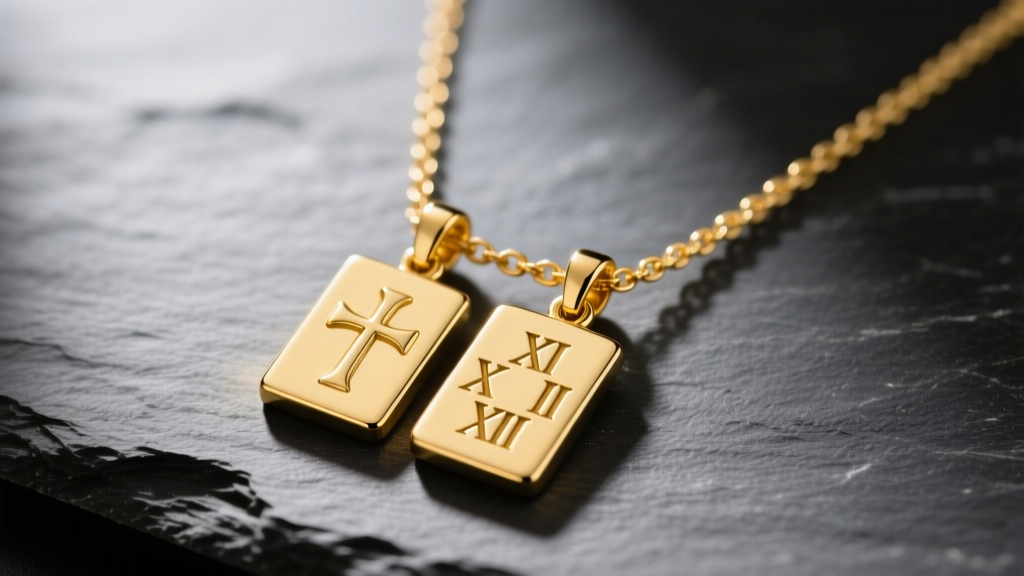
Understanding the Ten Commandments Necklace
A ten commandments necklace is more than just a piece of jewelry; it is a profound statement of faith, heritage, and personal conviction. Whether you are purchasing this piece for yourself as a daily reminder of your spiritual foundation or selecting it as a meaningful gift for a Bar Mitzvah, confirmation, or graduation, understanding the nuances of jewelry craftsmanship is essential. The market is flooded with mass-produced options, but finding a high-quality pendant requires a keen eye for metal grades, engraving techniques, and chain durability. In this comprehensive guide, we will break down exactly what to look for when investing in a piece that is meant to last a lifetime.
Material Selection: Gold, Silver, and Stainless Steel
The longevity and appearance of your necklace depend heavily on the base metal. According to the Gemological Institute of America (GIA), understanding metal purity and alloy compositions is the first step in making an informed jewelry purchase. Here is a deep dive into the most common materials used for religious pendants.
14k vs. 18k Gold
Gold is the traditional choice for fine religious jewelry. 14k gold (58.3% pure gold) is highly recommended for everyday wear because its alloy metals (like copper and zinc) provide excellent scratch resistance. 18k gold (75% pure gold) offers a richer, deeper yellow hue but is softer and more prone to bending if the pendant is heavy or caught on clothing. For white gold, ensure the piece has a thick rhodium flash to prevent the underlying yellowish alloy from showing through over time.
925 Sterling Silver
Sterling silver is an accessible and beautiful option, but it requires maintenance. Pure silver is too soft for jewelry, so it is alloyed with 7.5% copper to create 925 sterling silver. This copper content makes it susceptible to tarnishing when exposed to sulfur and moisture. Always look for silver pendants that have been rhodium-plated, which provides a temporary, highly reflective barrier against oxidation.
316L Surgical Stainless Steel
For those on a budget or with severe metal allergies, 316L surgical stainless steel is the ultimate workhorse. It contains molybdenum, which drastically increases its resistance to corrosion and pitting. It will not tarnish, rust, or turn your skin green, making it ideal for wearers who never take their jewelry off, even in the shower.
| Metal Grade | Durability | Tarnish Resistance | Average Price Range |
|---|---|---|---|
| 14k Yellow Gold | High | Excellent | $250 - $600 |
| 18k Yellow Gold | Medium | Excellent | $400 - $900 |
| 925 Sterling Silver | Medium-High | Poor (unless plated) | $40 - $120 |
| 316L Stainless Steel | Very High | Excellent | $25 - $75 |
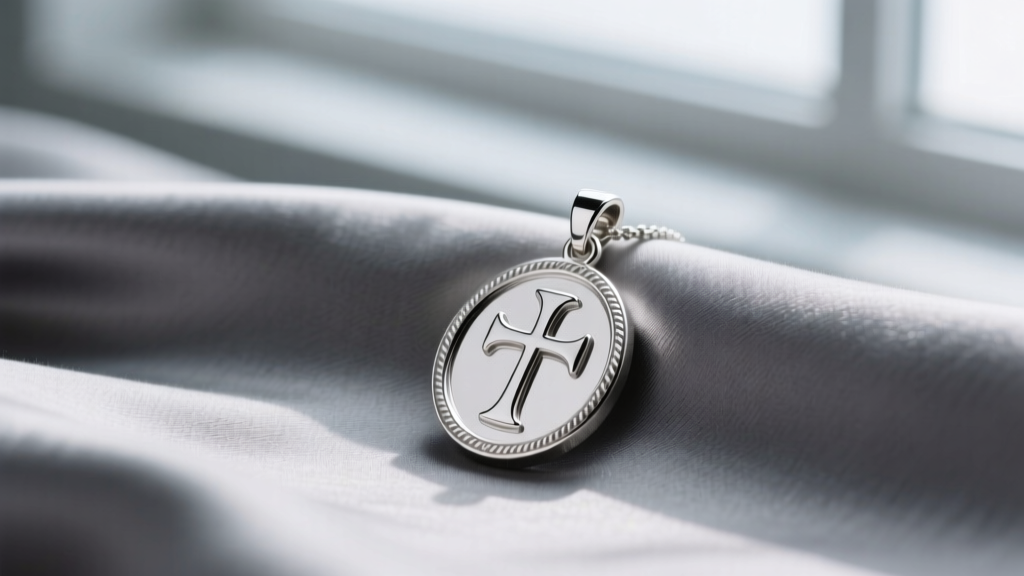
Engraving Techniques: Micro-Text vs. Symbolic Tablets
The way the commandments are represented on the pendant drastically alters its aesthetic and legibility. There are three primary engraving styles you will encounter:
- Laser-Engraved Micro-Text: Modern fiber lasers can etch the entire text of the Ten Commandments (in Hebrew, English, or Latin) onto a surface as small as a dime. This technique burns the metal, creating a permanent, high-contrast mark that will never fade. However, the text is often too small to read without magnification, serving more as a symbolic gesture.
- Roman Numeral Tablets: The most classic design features two tablet silhouettes engraved with the Roman numerals I through X. This design allows for deeper, diamond-cut engraving, which catches the light beautifully and is legible from a distance.
- Die-Struck 3D Relief: Instead of surface engraving, high-end pendants are die-struck, meaning the tablets and the text are stamped in three-dimensional relief. This creates shadows and highlights that give the piece a substantial, heirloom-quality feel.
Sizing Your Chain: Lengths and Pendant Proportions
A common mistake beginners make is pairing a heavy, oversized pendant with a flimsy chain, or choosing a chain length that hides the piece beneath clothing. The bail (the loop that connects the pendant to the chain) dictates the maximum chain thickness you can use. Ensure the chain thickness is at least 1mm to 1.5mm to support the weight of a solid metal tablet pendant without stretching.
Standard Chain Lengths for Pendants
- 16 Inches (Choker): Sits tightly at the base of the neck. Best suited for very small, lightweight pendants worn by women with slender necks.
- 18 Inches (Collarbone): The most popular length for women. It allows the ten commandments pendant to rest just above the neckline of a standard t-shirt or blouse, making it visible but intimate.
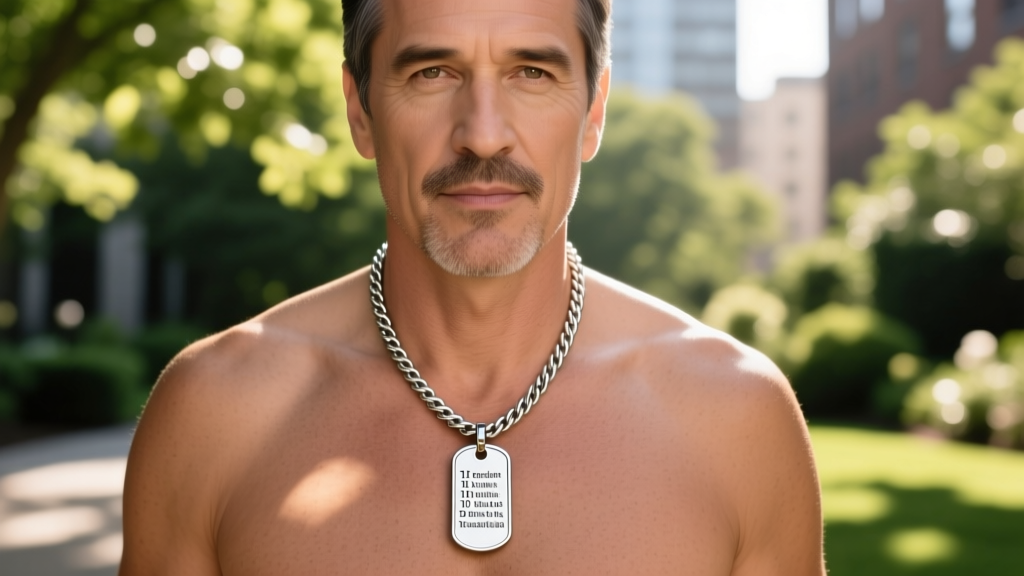
- 20 to 22 Inches (Chest): The standard length for men. This allows the pendant to rest on the upper chest, easily visible when wearing a crew neck or an unbuttoned collar.
- 24 to 30 Inches (Lower Chest): Often chosen for larger, heavier dog-tag style pendants or worn over clothing as a bold streetwear or statement piece.
Chain Styles and Durability
Not all chains are created equal. Box chains are highly recommended for religious pendants because their interlocking square links distribute weight evenly and resist kinking. Rope chains offer a brilliant, twisted texture that reflects light beautifully, but they can trap skin hairs and are harder to repair if they snap. Avoid snake chains for heavy pendants, as their smooth, tubular design is prone to permanent bending and kinking under stress.
Clasp Mechanisms: The Unsung Hero of Jewelry
A pendant is only as secure as its clasp. The standard spring ring clasp is common on lightweight silver chains, but its internal spring can fail over time, and it is difficult to operate with one hand. For any ten commandments necklace made of solid gold or heavy steel, insist on a lobster claw clasp. Lobster clasps feature a solid internal mechanism and a larger grip, providing superior security against accidental drops. For heavy chains, a box clasp with a safety latch is the gold standard, offering redundant security.
How to Style and Layer Your Necklace
Styling a religious necklace requires balancing reverence with personal fashion. For a minimalist look, wear the ten commandments pendant on a simple, high-polish box chain over a solid-colored turtleneck or crew neck sweater. The contrast of the metal against the fabric draws the eye directly to the pendant.
If you prefer layering, use the pendant as the anchor piece. Pair a 20-inch gold tablet pendant with a thinner, 18-inch plain cable chain and a 22-inch beaded chain. Ensure there is at least a two-inch difference between chain lengths to prevent the clasps and links from tangling and abrading each other. According to The Silver Institute, metal-on-metal friction is a leading cause of premature wear and link thinning, so keeping layers separated by length is crucial for maintenance.
Care and Maintenance for Longevity
To ensure your necklace remains a lifelong keepsake, proper care is non-negotiable. Remove your necklace before swimming in chlorinated pools or hot tubs; chlorine can cause microscopic stress fractures in gold alloys and permanently discolor silver. When cleaning, avoid harsh chemical dips. Instead, use a few drops of mild dish soap in warm water and gently scrub the pendant with a soft-bristled baby toothbrush to remove sebum and lotion buildup from the engraved crevices. Dry thoroughly with a microfiber cloth. For sterling silver pieces, store them in an anti-tarnish zip-lock bag with a silica gel packet to absorb ambient moisture and prevent oxidation.


