2026 Gift Guide: Choosing The Perfect Tennis Ball Necklace
Find the perfect tennis ball necklace for every occasion. Our 2026 gift guide covers materials, chain lengths, and styling tips for athletes.

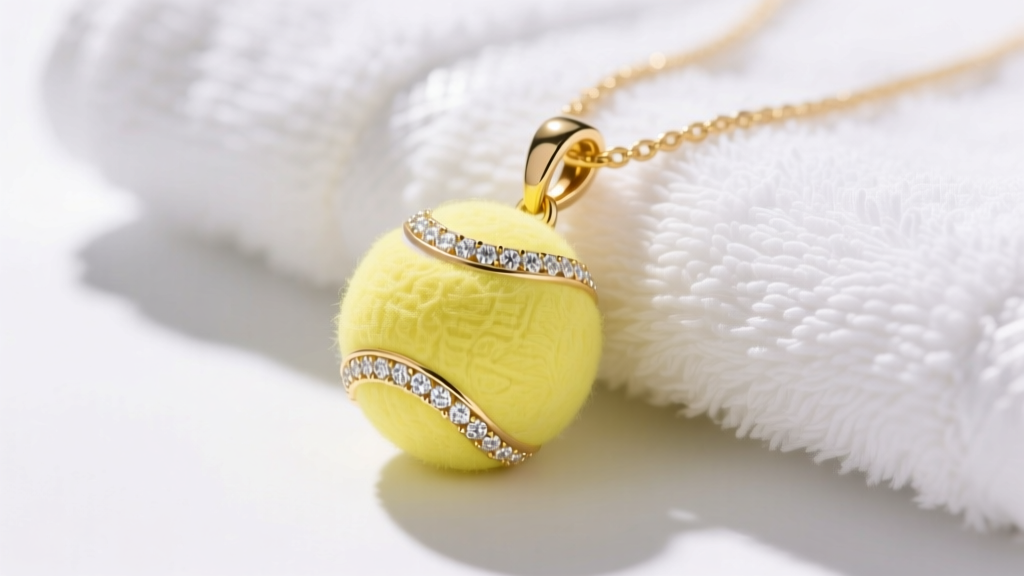
The Rise of the Tennis Ball Necklace in Sporty-Chic Jewelry
In 2026, the intersection of athletic passion and fine jewelry has never been more prominent. The tennis ball necklace has evolved from a simple novelty item into a sophisticated staple of sporty-chic wardrobes. Whether crafted from solid 14k gold, adorned with pavé diamonds, or finished in vibrant vitreous enamel, this motif carries deep sentimental value. For tennis players, dedicated coaches, and enthusiastic sports parents, a tennis ball necklace is more than an accessory; it is a wearable trophy and a daily reminder of time spent on the court.
However, gifting jewelry to an athlete requires a strategic approach. Active wearers subject their accessories to sweat, friction, and occasional impact. Choosing the right metal alloy, chain gauge, and clasp mechanism is critical to ensuring the piece survives the rigors of a three-set match. This comprehensive guide breaks down how to match the perfect tennis ball necklace to specific gifting occasions, while providing the technical specifications needed to make a durable, high-quality purchase.
Matching the Occasion: A Gifting Framework
The beauty of the tennis ball pendant lies in its versatility. Depending on the materials and chain style, it can transition seamlessly from a casual practice accessory to a formal banquet centerpiece. Below is a strategic framework for matching the necklace specifications to your specific gifting scenario.
| Occasion | Recommended Material | Chain Style & Gauge | Estimated Price Range |
|---|---|---|---|
| High School Graduation | 14k Yellow Gold with Diamond Pavé Seams | 1.5mm Box Chain (18 inches) | $850 - $1,400 |
| Tournament Victory | Sterling Silver with Neon Green Cold Enamel | 1.2mm Cable Chain (16 inches + 2" extender) | $120 - $250 |
| Coach Appreciation | 14k White Gold with Sapphire Accents | 1.8mm Rope Chain (20 inches) | $1,100 - $1,800 |
| Sports Mom Birthday | 18k Rose Gold with Matte Finish Texture | 1.4mm Figaro Chain (17 inches) | $600 - $950 |
For milestone events like graduations or retirement from competitive play, investing in solid gold with diamond accents provides a lasting heirloom. Conversely, for tournament wins or team gifts, sterling silver with high-quality enamel offers a vibrant, budget-friendly alternative that still feels deeply personal.
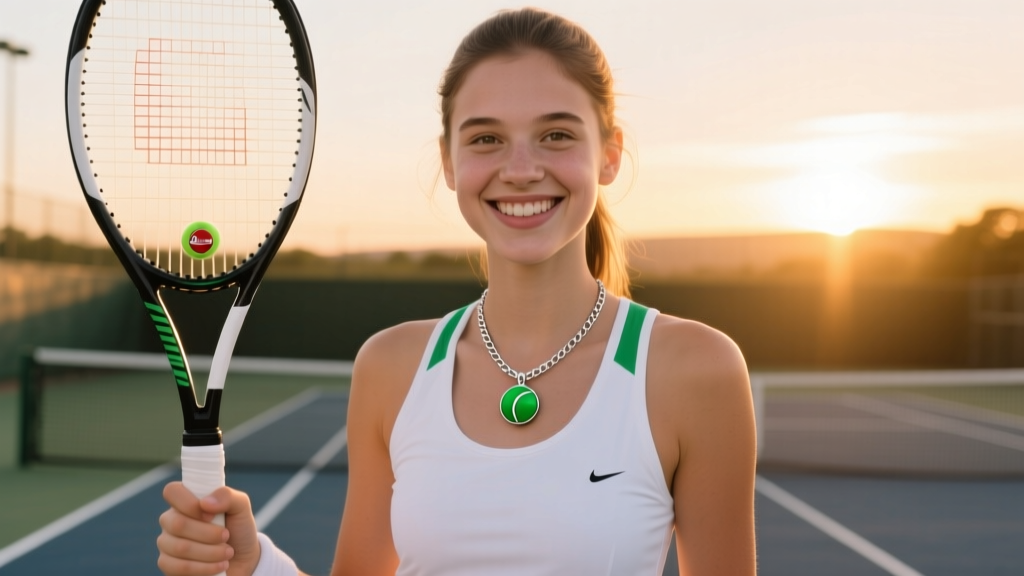
Material Science: Gold Alloys and Enamel Durability
When selecting a fine jewelry tennis ball necklace, understanding material science is non-negotiable. The environment of a tennis court—complete with UV exposure, acidic sweat, and abrasive clay or hard-court dust—demands specific metallurgical choices.
14k vs. 18k Gold for Active Wearers
While 18k gold (75% pure gold) offers a richer, more saturated yellow hue, it is inherently softer. According to the Gemological Institute of America (GIA), the higher pure gold content makes 18k alloys more susceptible to scratching and deformation. For a tennis player who wears their necklace during practice or matches, 14k gold (58.3% pure gold) is the superior choice. The higher percentage of alloyed metals like copper, zinc, and silver increases the Vickers hardness of the metal, making it highly resistant to the micro-abrasions caused by friction against athletic wear and tennis grips.
Vitreous vs. Cold Enamel
If you are gifting a necklace featuring the iconic optic yellow or neon green of a tennis ball, the type of enamel used dictates its lifespan. Vitreous (kiln-fired) enamel is essentially glass fused to metal at high temperatures. It offers unparalleled color stability and a brilliant, glossy finish that will never yellow. However, it can shatter if the pendant is struck directly by a racket or a stray ball. Cold enamel (epoxy resin), on the other hand, is cured at room temperature. It is slightly more flexible and impact-resistant, making it safer for on-court wear, though it may dull or yellow slightly after years of heavy UV and sweat exposure.
Chain Mechanics: Gauge, Style, and Security
A tennis ball pendant is only as secure as the chain that holds it. Active individuals require chains that resist kinking and snapping. Avoid delicate snake chains or ultra-thine bead chains, which are prone to catching and breaking under tension.
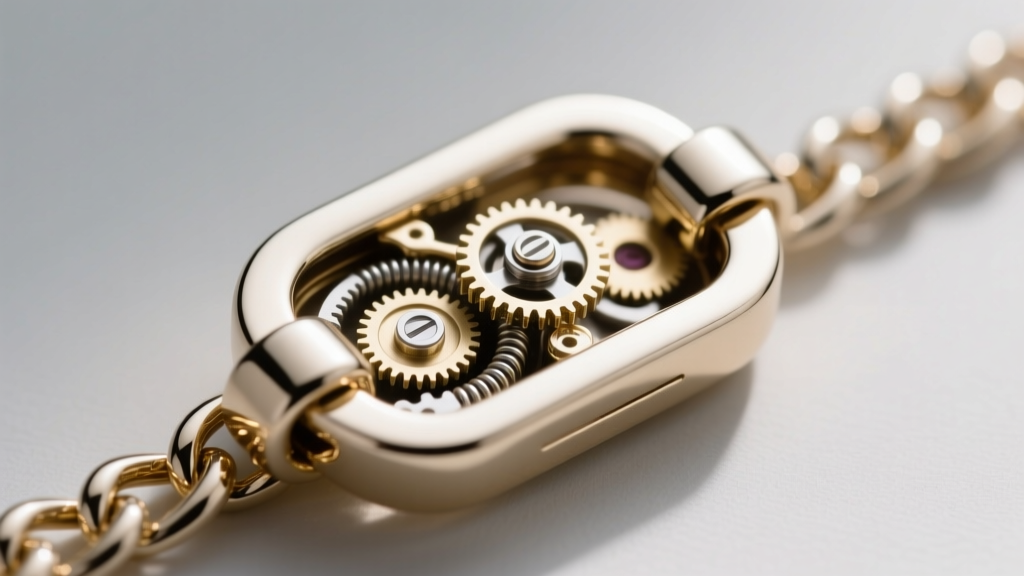
The Superiority of the Box Chain
For athletic jewelry, the box chain (or briolette chain) is the gold standard. Constructed from square, interlocking links, a box chain in a 1.2mm to 1.5mm gauge provides exceptional tensile strength while remaining lightweight and comfortable against the collarbone. The geometric structure of the links prevents the chain from folding in on itself, eliminating the dreaded kinking issue common with omega or herringbone chains.
Clasp Security: Lobster vs. Spring Ring
Never gift an athlete a necklace with a standard spring ring clasp. The small internal spring mechanism is prone to failure when exposed to sweat and grit. Always opt for a solid lobster clasp. Lobster clasps feature a larger, more robust internal spring and a wider gate, making them significantly easier to operate with one hand and far less likely to pop open during vigorous movement. For premium gifts, look for jewelers who solder the jump rings (the small connecting loops) closed, ensuring the pendant cannot slip off the chain even if a link stretches.
Sizing for the Court vs. The Clubhouse
Chain length dramatically alters both the aesthetic and the functionality of the necklace. For a tennis player who intends to wear the piece during active play, a shorter length is imperative to prevent the pendant from swinging and causing distraction or injury.
- The Choker (14" - 15"): Sits tightly at the base of the neck. Ideal for on-court wear as it eliminates any pendulum effect, though some athletes may find it restrictive during deep breathing.
- The Princess (16" - 18"): The most versatile length. A 16-inch chain with a 2-inch extender is the ultimate sweet spot. It allows the wearer to keep it high and secure during matches, and drop it to 18 inches to rest elegantly over a collared tennis polo or casual dress off the court.
- The Matinee (20" - 24"): Best reserved for coaches or sports parents who will be wearing the necklace exclusively off the court, layered over sweaters or higher necklines.
Maintenance: Removing Sweat and Court Dust
Athletic jewelry requires a rigorous cleaning regimen to maintain its brilliance. Human sweat is mildly acidic and, when mixed with the clay dust from a court or the minerals from hard-court surfaces, creates a gritty paste that can dull gold and degrade enamel over time.
Expert Maintenance Tip: After a week of active wear, soak the tennis ball necklace in a solution of warm water and a few drops of mild, phosphate-free dish soap for 10 minutes. Gently agitate the chain and use a soft-bristled baby toothbrush to clean the seams of the tennis ball pendant where grit accumulates. Rinse thoroughly with distilled water and pat dry with a microfiber cloth. Avoid ultrasonic cleaners if your pendant features cold enamel or tension-set stones, as the vibrations can cause structural failure. For more comprehensive care guidelines, refer to the Jewelers of America care portal.
The Final Serve: Making Your Selection
Gifting a tennis ball necklace in 2026 is a brilliant way to honor an athlete's dedication to their sport. By prioritizing 14k gold for durability, selecting a robust 1.2mm box chain with a secure lobster clasp, and matching the enamel or diamond detailing to the specific occasion, you ensure your gift is both meaningful and mechanically sound. Whether celebrating a hard-fought tournament victory or honoring a lifelong coach, a thoughtfully engineered tennis ball necklace will remain a cherished part of their jewelry collection long after they hang up their racket.


