Terraria Jellyfish Necklace: Value Assessment & Buying Guide
Is a Terraria jellyfish necklace worth the price? We assess materials, pricing tiers, and artisan vs. mass-produced value for gamers.

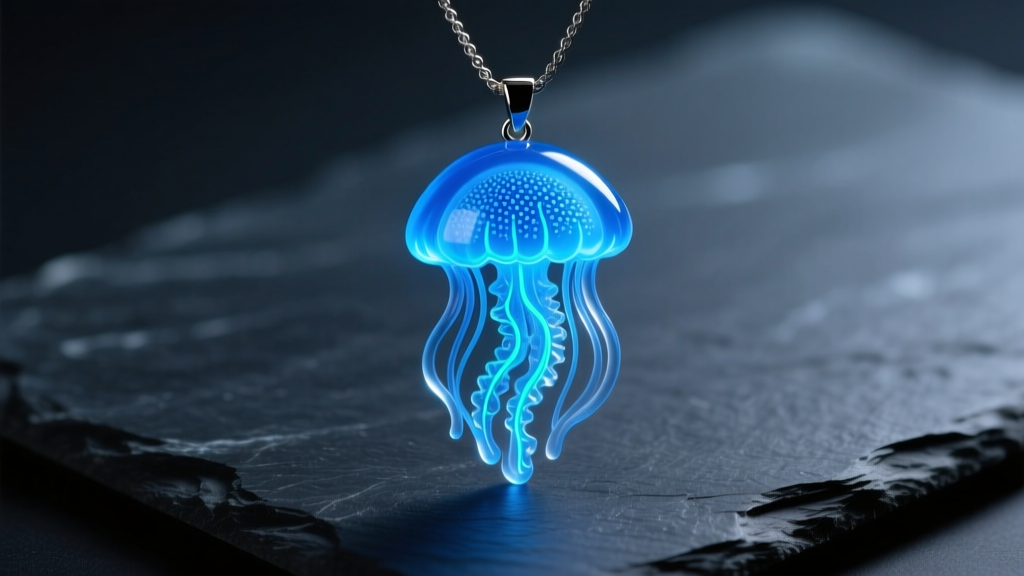
For fans of Re-Logic’s iconic sandbox survival game, the Terraria Wiki notes that the Jellyfish Necklace is a crucial accessory for underwater illumination. Translating this beloved in-game item into real-world jewelry has sparked a massive market of gaming merchandise. However, as the demand for a Terraria jellyfish necklace has surged through 2026, the market has become flooded with everything from premium artisan crafts to highly questionable dropshipped alloys. If you are looking to purchase this iconic piece of gaming memorabilia, how do you separate genuine value from overpriced junk?
In this comprehensive budget and value assessment, we break down the exact materials, pricing tiers, and failure modes of the Terraria jellyfish necklace market. Whether you are hunting for a subtle sterling silver piece or a vibrant, glow-in-the-dark resin pendant, this guide will ensure your gold coins are well spent.
The Market Tiers: What Should a Terraria Jellyfish Necklace Cost?
The pricing for gaming jewelry varies wildly based on manufacturing methods and material integrity. When evaluating a Terraria jellyfish necklace, you will generally encounter three distinct market tiers. Understanding these tiers is the first step in avoiding the 'tourist trap' pricing often found at convention booths and unverified online storefronts.
| Tier | Price Range | Primary Materials | Longevity & Value |
|---|---|---|---|
| Mass-Market Alloy | $12 - $25 | Zinc alloy, brass plating, soft enamel | Poor. High risk of tarnishing, skin staining, and clasp failure within months. |
| Artisan Resin | $35 - $65 | UV/Epoxy resin, stainless steel findings | Good. Excellent color vibrancy and glow properties, though resin can scratch. |
| Premium Silver | $85 - $150+ | 925 Sterling silver, hard vitreous enamel | Excellent. Heirloom quality, hypoallergenic, and retains intrinsic metal value. |
If you see a pendant advertised as 'solid silver' for under $40, you are likely looking at Tibetan silver (which is primarily zinc and copper) or heavily plated brass. True value lies in the $35–$65 artisan tier for daily wear, or the $85+ tier for collectors seeking permanent, hypoallergenic metals.
Material Deep Dive: Resin, Enamel, and Alloy Failures
The visual appeal of the Blue, Pink, and Green Jellyfish from the game relies on translucent, bioluminescent aesthetics. Achieving this in physical jewelry requires specific material choices, each with distinct failure modes.
The Resin Reality: UV vs. Epoxy
Most mid-tier artisan pendants use resin to mimic the jellyfish's translucent bell. UV Resin cures in minutes under ultraviolet light, allowing for rapid production and lower prices. However, cheap UV resins lack UV-stabilizers, meaning your bright blue jellyfish will inevitably yellow and become brittle after a year of sun exposure. Epoxy Resin requires a 24-hour cure time and precise 1:1 mixing. It is more expensive but offers superior optical clarity and long-term yellowing resistance. When buying a resin Terraria jellyfish necklace, always ask the creator if they use a high-grade, non-yellowing epoxy formula.
Base Metal Allergies and the 'Green Skin' Effect
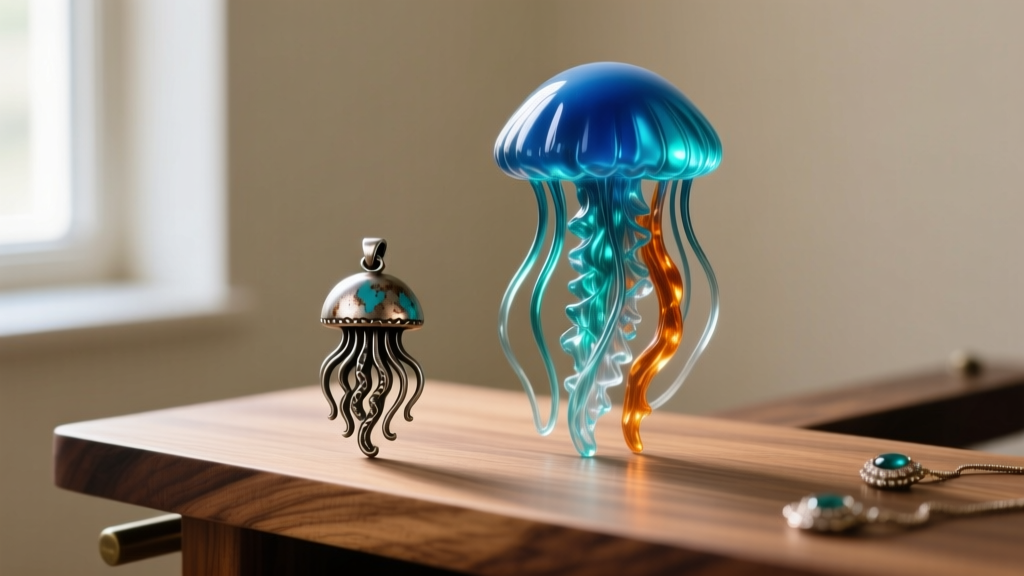
The budget tier of gaming merch relies heavily on zinc alloy (often marketed as 'Tibetan Silver' or 'Antique Silver'). To cut costs, manufacturers mix zinc with high levels of copper and nickel. When copper reacts with the acids and salts in your sweat, it produces copper chloride—a green compound that stains your skin and ruins your shirt. Furthermore, nickel is a common contact allergen. If a Terraria jellyfish necklace leaves a green ring on your chest or causes contact dermatitis, the base metal is to blame. Always look for 316L Surgical Stainless Steel or verified 925 Sterling Silver to avoid these metallurgical failures.
The Science of the Glow: Strontium Aluminate vs. Zinc Sulfide
In Terraria, the Jellyfish Necklace provides a glowing light source underwater. Naturally, fans expect their real-world necklace to glow in the dark. The value of a glow-in-the-dark pendant is entirely dictated by the phosphorescent powder suspended in the resin or enamel.
- Zinc Sulfide (Cheap): Used in budget $15 pendants. It absorbs light quickly but loses its glow within 15 to 30 minutes. The glow is usually a weak, pale green.
- Strontium Aluminate (Premium): Doped with europium and dysprosium, this modern phosphor is 10 times brighter and glows for up to 12 hours. Artisan jewelers use this to create a vibrant, long-lasting blue or pink glow that accurately mimics the in-game accessory. If a seller doesn't explicitly state they use Strontium Aluminate, assume they are using the cheaper, faster-fading Zinc Sulfide.
Chain Quality and Clasp Mechanics: The Hidden Cost Factor
A common mistake buyers make is focusing entirely on the pendant while ignoring the chain. A beautiful $50 resin jellyfish pendant is rendered unwearable if it hangs from a $2 plated brass chain that snaps under the weight of a winter sweater.
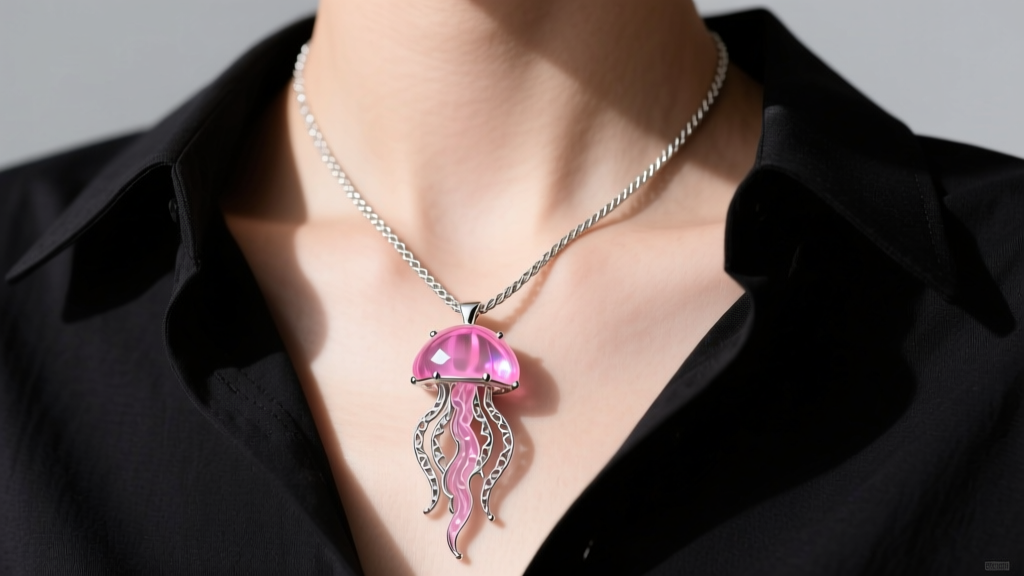
For pendants weighing between 5 and 15 grams, a 1.2mm to 1.5mm stainless steel cable chain offers the best balance of durability and subtlety. Avoid 'box chains' under 1.5mm, as their interlocking square links are prone to kinking and snapping when twisted. Additionally, inspect the clasp. Mass-produced necklaces use cheap spring-ring clasps that lose their internal tension springs within months. A high-value Terraria jellyfish necklace will feature a stainless steel or sterling silver lobster clasp, which provides a secure, mechanical locking mechanism that won't accidentally unhook when caught on a collar.
Verifying Precious Metals: The Hallmark Test
If you are investing in the premium tier ($85+), you are likely purchasing a sterling silver cast of the jellyfish. According to guidelines outlined by The Assay Office and enforced by consumer protection agencies like the Federal Trade Commission, genuine sterling silver must be stamped with a '925' hallmark, indicating 92.5% pure silver content. Be highly suspicious of pendants that lack this stamp, or worse, feature a stamped 'Tibetan Silver' mark, which is an unregulated term for base-metal alloys containing zero actual silver.
The JewelStyleRadar Verdict: Where is the True Value?
When assessing the budget and value of a Terraria jellyfish necklace, the 'sweet spot' for most gamers and jewelry enthusiasts lies in the $40 to $65 artisan resin tier. At this price point, you support independent creators who utilize non-yellowing epoxy resins, high-grade Strontium Aluminate glow powders, and hypoallergenic 316L stainless steel chains. You get the vibrant, translucent, glowing aesthetic that perfectly captures the magic of the game without paying the premium markup required for solid silver casting.
Avoid the sub-$20 mass-market alloy pendants entirely; the cost of replacing tarnished chains and dealing with skin irritation far outweighs the initial savings. Ultimately, a well-crafted Terraria jellyfish necklace is more than just merchandise—it is a wearable piece of gaming history that, when made with the right materials, will outlast even your hardest playthroughs.


