How Can I Tell If A Necklace Is Real Gold? Value Guide
Learn exactly how can I tell if a necklace is real gold using acid tests, hallmarks, and density checks to protect your jewelry budget.

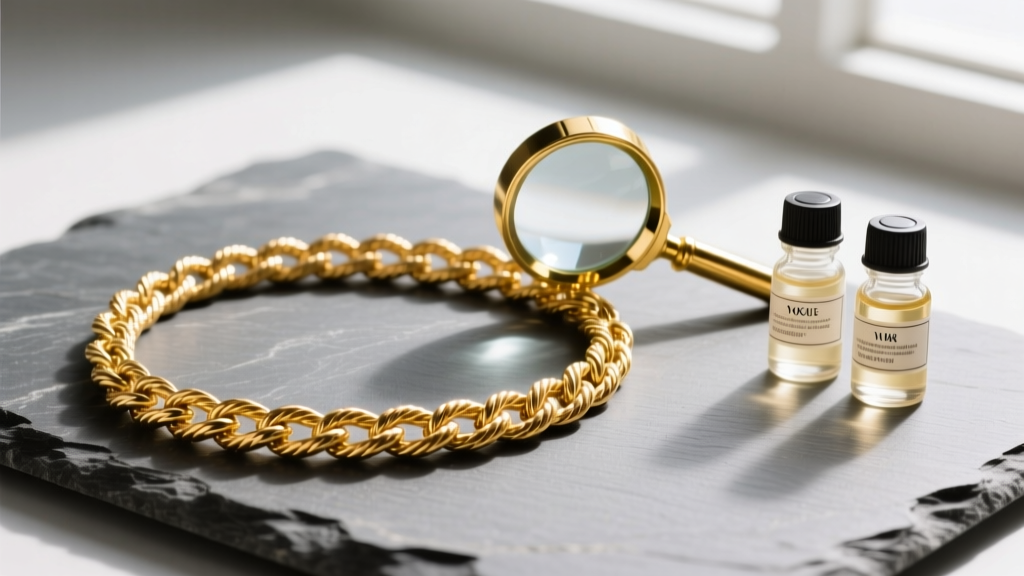
The Financial Risk of Fake Gold Necklaces
When evaluating estate jewelry, pawn shop finds, or online marketplace deals, the most common question budget-conscious buyers ask is: how can I tell if a necklace is real gold? With the spot price of gold experiencing massive volatility and reaching historic highs in recent years, the market is flooded with sophisticated counterfeits. Gold-plated brass, tungsten-filled chains, and gold-electroplated silver can easily deceive the untrained eye, leading to severe financial losses for collectors and everyday buyers alike.
Understanding the metallurgical properties of gold and the standardized testing protocols used by professional appraisers is essential for protecting your jewelry budget. This guide moves beyond superficial visual inspections, providing a rigorous, step-by-step framework to authenticate gold necklaces and accurately assess their intrinsic melt value versus their retail markup.
Decoding Hallmarks: The First Line of Defense
Before applying any physical or chemical tests, a thorough visual inspection of the necklace clasp and links is mandatory. According to the Federal Trade Commission (FTC) Jewelry Guides, manufacturers are required to stamp gold jewelry with a karat mark indicating its purity, alongside a registered maker's mark. However, counterfeiters frequently stamp fake pieces with authentic-looking hallmarks.
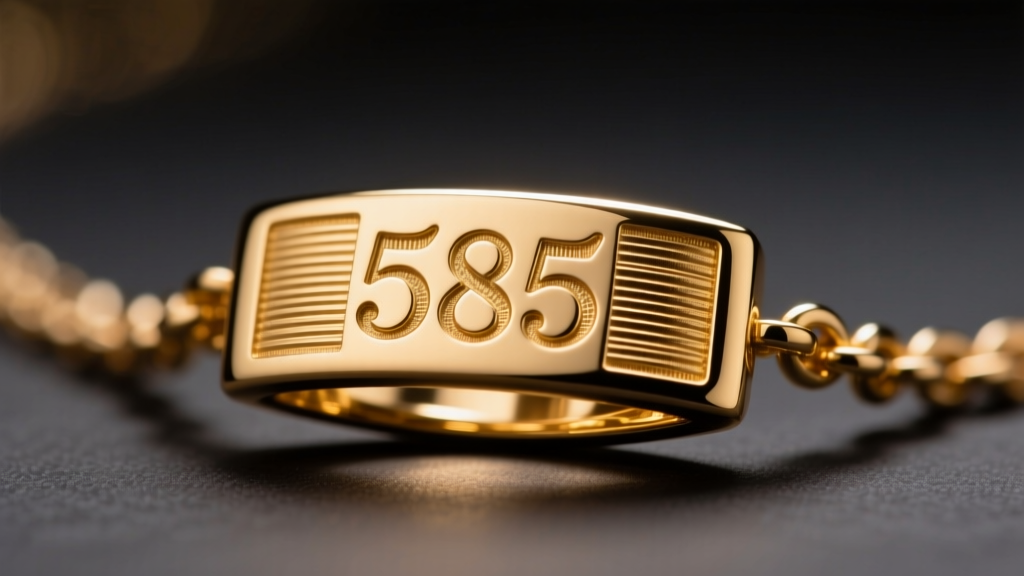
Authentic vs. Deceptive Stamps
Use a 30x jeweler's loupe to examine the stamp. Authentic stamps are usually laser-engraved or deeply struck with clean, sharp edges. Fake stamps often appear shallow, blurred, or slightly crooked. Below is a breakdown of standard purity marks and the deceptive stamps you must avoid.
| Authentic Stamp | Gold Purity | Common Deceptive Stamps (Avoid) | Meaning of Fake Stamp |
|---|---|---|---|
| 10K or 417 | 41.7% Gold | 18K HGE | Heavy Gold Electroplate (Not solid) |
| 14K or 585 | 58.5% Gold | 14K GP | Gold Plated over base metal |
| 18K or 750 | 75.0% Gold | 24K GF | Gold Filled (Layered, not solid) |
| 22K or 916 | 91.6% Gold | 18K RGP | Rolled Gold Plate |
| 24K or 999 | 99.9% Gold | 925 (with gold color) | Gold-plated Sterling Silver |
Expert Insight: If a necklace features a purity stamp but lacks a secondary maker's mark or trademark, treat it with high suspicion. While not illegal in all jurisdictions, the absence of a maker's mark is a primary red flag for unregulated, overseas counterfeit production.
At-Home Physical Tests for Gold Verification
If the hallmark is missing, worn away, or suspicious, you must rely on the physical properties of gold. Gold is a dense, diamagnetic, and relatively soft transition metal. These traits allow for highly effective at-home testing.
The Neodymium Magnet Test
Gold is diamagnetic, meaning it is slightly repelled by magnetic fields rather than attracted to them. However, a standard refrigerator magnet is insufficient for this test. You must use an N52-grade rare-earth neodymium magnet. If the necklace chain or clasp exhibits any magnetic pull or sticks to the magnet, it contains ferromagnetic metals like iron, nickel, or cobalt, indicating it is either heavily plated or entirely fake. Note: The clasp's internal spring mechanism is often made of steel and will be magnetic; test the chain links and pendant body instead.
The Density and Water Displacement Test
Gold is exceptionally dense (19.32 g/cm³ for pure 24K gold). Alloyed gold used in necklaces has specific density ranges: 14K gold measures between 12.9 and 14.6 g/cm³, while 18K gold ranges from 15.2 to 15.9 g/cm³. You can calculate the specific gravity at home using a digital gram scale and a cup of water.
- Weigh the dry necklace in grams.
- Place a cup of water on the scale and tare it to zero.
- Suspend the necklace in the water using a thread (ensure it does not touch the bottom or sides) and record the displaced water weight in grams.
- Divide the dry weight by the wet weight. If your result is around 13.5 for a 14K chain, the density aligns with real gold. If the result is under 10, the piece is likely brass or tungsten-filled.
The Unglazed Ceramic Streak Test
Drag the edge of the necklace pendant or a thick chain link across an unglazed ceramic tile. Real gold is soft and will leave a distinct golden-yellow streak. Pyrite (fool's gold) and brass will leave a dark grey or black streak. Be aware that this test is destructive and will scratch the jewelry, so it should only be used as a last resort on pieces with low aesthetic value.
Chemical and Professional Value Assessments
For definitive authentication, especially when dealing with high-value investment pieces or heavy Cuban link chains, chemical and electronic testing is required.
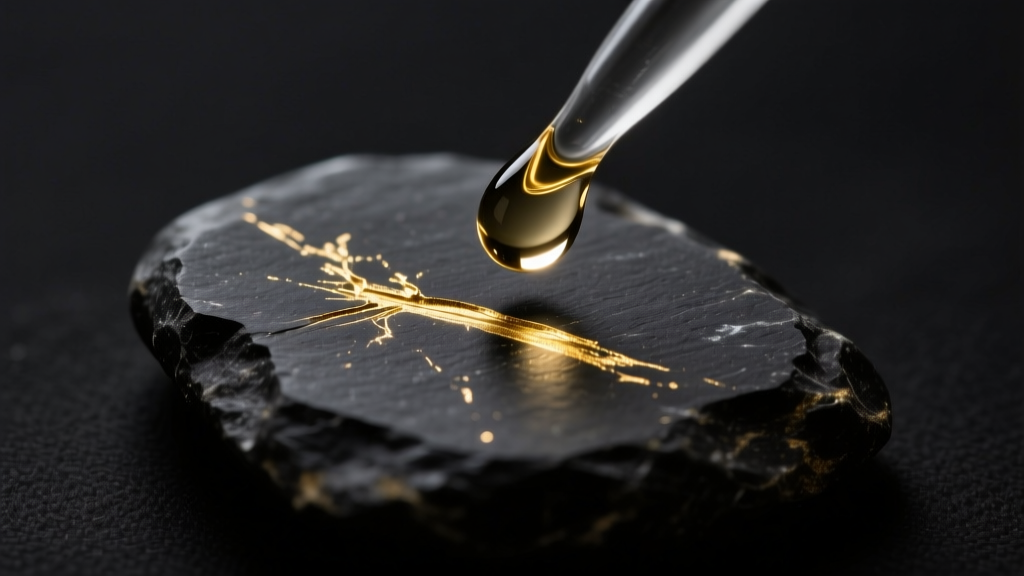
Nitric Acid Scratch Testing
Available in commercial gold testing kits, nitric acid reacts with base metals but leaves high-karat gold unaffected. To perform this test, rub the necklace firmly on a black testing stone to leave a visible metallic streak. Apply a drop of 14K or 18K nitric acid solution to the streak. If the streak dissolves or turns milky green, the piece is gold-plated or fake. If the streak remains completely unchanged, the gold purity matches or exceeds the acid's karat rating. Always wear nitrile gloves and eye protection when handling nitric acid.
XRF Spectrometry
According to the Gemological Institute of America (GIA), the most accurate non-destructive testing method used by professional jewelers and pawn shops is X-Ray Fluorescence (XRF) spectrometry. An XRF scanner bombards the necklace with X-rays and measures the fluorescent X-rays emitted by the atoms, providing an exact elemental breakdown within seconds. If you are purchasing a necklace valued over $2,000, insist that the seller allows you to verify the piece at a local jeweler equipped with an XRF machine.
Value Assessment: Calculating Melt vs. Retail
Once you have confirmed the necklace is real gold, the final step in your budget assessment is determining its true financial value. Jewelry is sold at a retail markup that covers design, craftsmanship, and brand prestige. However, if you are buying for investment or melting purposes, you must calculate the intrinsic melt value.
Use the following formula to determine the baseline gold value:
Melt Value = (Current Spot Price per Troy Ounce ÷ 31.1035) × Weight in Grams × Purity Decimal
For example, if the spot price of gold is $2,050 per troy ounce, and you have a 25-gram 14K (0.585 purity) necklace:
- $2,050 ÷ 31.1035 = $65.90 per gram of pure 24K gold.
- $65.90 × 25 grams = $1,647.50 (Value if it were pure gold).
- $1,647.50 × 0.585 = $963.78 (Actual intrinsic melt value).
When negotiating a purchase from a private seller or pawn shop, a fair price for a generic, unbranded gold chain is typically 10% to 20% above the calculated melt value. If the seller is asking for double the melt value without a recognizable luxury brand name or intricate artisan craftsmanship to justify the premium, you are overpaying.
Summary Checklist for Buyers
To ensure you never fall victim to a counterfeit gold necklace, follow this rapid assessment checklist before exchanging funds:
- Inspect: Verify hallmarks with a 30x loupe; look for maker's marks and avoid 'GP' or 'HGE' suffixes.
- Magnetize: Test the chain links with an N52 neodymium magnet to rule out ferromagnetic base metals.
- Weigh: Perform a water displacement test to verify the specific gravity aligns with 14K or 18K density parameters.
- React: Use a nitric acid scratch test on a discreet area if the piece is heavily tarnished or suspicious.
- Calculate: Weigh the piece and calculate the exact melt value based on the day's spot price to anchor your budget negotiations.
By combining these metallurgical tests with strict financial calculations, you can confidently navigate the secondary jewelry market, ensuring your budget is spent exclusively on authentic, high-value gold necklaces.


