What "The Necklace" Movie Teaches About Buying Real Diamond Pendants
Learn from "The Necklace" movie adaptations. Our expert buying guide reveals how to spot real diamonds vs. simulants and avoid costly mistakes.

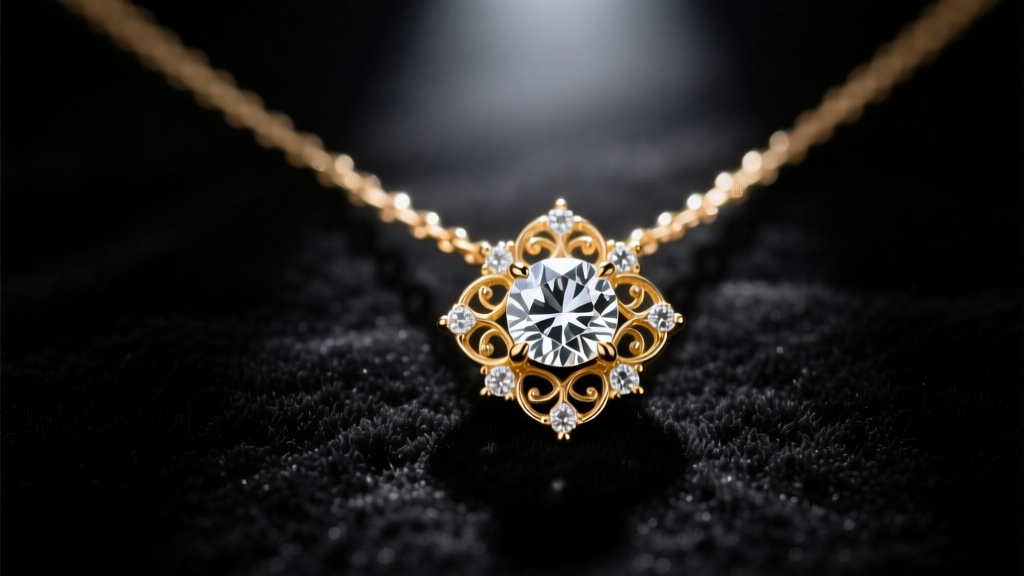
Guy de Maupassant’s classic 1884 short story The Necklace (La Parure) has been adapted into film and television countless times. When analyzing the cautionary tale presented in the necklace movie adaptations, viewers are often struck by the tragic irony of Mathilde Loisel. She borrows what she believes to be a priceless diamond necklace, loses it, and spends a decade in grueling poverty to replace it—only to discover the original was made of worthless paste (glass). While modern jewelry buyers are rarely subjected to such dramatic ruin, the core lesson of the necklace movie remains fiercely relevant in 2026: the inability to distinguish between genuine gemstones and high-quality simulants can lead to devastating financial mistakes.
Today’s jewelry market is flooded with lab-grown diamonds, moissanite, and advanced cubic zirconia that can easily fool the untrained eye. This comprehensive buying guide will equip you with the gemological knowledge, verification frameworks, and metal hallmark insights necessary to ensure the diamond pendant you purchase is exactly what the jeweler claims it to be.
The Cinematic Blunder: Why Visual Inspection is No Longer Enough
In the era of Maupassant, 'paste' jewelry was made of leaded glass, which possessed a high refractive index but lacked the hardness and optical precision of a real diamond. A trained jeweler in the 19th century could spot the difference by examining the facet wear, the softness of the edges, and the presence of mold marks. In 2026, relying on visual inspection alone is a fool's errand.
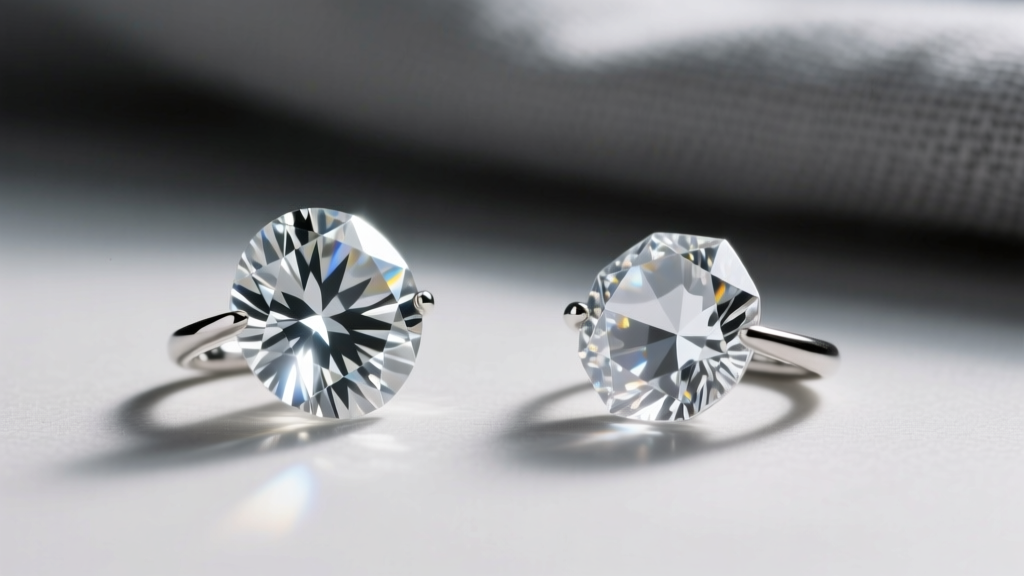
Modern simulants and lab-created stones are optically and physically spectacular. Moissanite, for instance, exhibits double refraction and a higher dispersion (fire) than a natural diamond, making it visually 'sparklier' to the naked eye. High-grade cubic zirconia (CZ) is manufactured with optical clarity that rivals flawless natural stones. To avoid your own real-world adaptation of the necklace movie, you must look beyond the sparkle and demand empirical, gemological proof.
Real vs. Simulant: A Gemological Breakdown
Understanding the physical properties of center stones is the first line of defense when buying a diamond pendant. Below is a comparative matrix of the most common materials used in pendant jewelry today.
| Material | Refractive Index (RI) | Mohs Hardness | Thermal Conductivity | Avg. Price (1 Carat) |
|---|---|---|---|---|
| Natural Diamond | 2.42 | 10 | High (Passes standard testers) | $3,500 - $15,000+ |
| Lab-Grown Diamond | 2.42 | 10 | High (Passes standard testers) | $400 - $1,200 |
| Moissanite | 2.65 - 2.69 | 9.25 | High (Passes thermal, fails electrical) | $150 - $400 |
| Cubic Zirconia (CZ) | 2.15 - 2.18 | 8.0 - 8.5 | Low (Fails thermal testers) | $5 - $25 |
| Paste / Glass | 1.50 - 1.70 | 5.0 - 6.0 | Low (Fails thermal testers) | Under $5 |
Notice that both natural and lab-grown diamonds share identical chemical (carbon) and optical properties. The difference lies entirely in their origin and market pricing. According to the Gemological Institute of America (GIA), lab-grown diamonds are real diamonds, but they must be explicitly disclosed as such by retailers to prevent consumer fraud.
Verification Tools and Certification: Your Ultimate Insurance
If you are purchasing a diamond pendant with a center stone larger than 0.50 carats, do not rely on the jeweler's verbal assurances. You must require independent certification and utilize advanced testing methodologies.
The Flaw in Standard Diamond Testers
Many consumers and amateur buyers purchase cheap thermal conductivity testers online, believing these pens will definitively identify a diamond. However, moissanite is also an excellent thermal conductor. A standard thermal tester will beep 'positive' for both diamond and moissanite. To accurately differentiate between the two, you must use a multi-tester that measures both thermal and electrical conductivity. Diamonds are electrical insulators, while moissanite is a semiconductor. This distinction is critical when evaluating vintage or estate pendant pieces where stones may have been replaced over the decades.
Demanding the Right Certificates
For natural and lab-grown diamonds, insist on a grading report from a top-tier, independent laboratory. The industry gold standards include:
- GIA (Gemological Institute of America): The most stringent and respected grading entity for natural and lab diamonds.
- AGS (American Gem Society): Renowned for its advanced light performance and cut grading.
- IGI (International Gemological Institute): Highly prevalent and reliable for lab-grown diamond certifications.
Be wary of 'in-house' certificates or appraisals generated by the selling jeweler. As the Federal Trade Commission (FTC) Jewelry Guides explicitly state, it is deceptive to misrepresent a gemstone's quality, weight, or origin. An independent certificate is your legal and financial shield.
Hallmarks and Metal Purity: Don't Ignore the Chain and Bail
A common mistake buyers make is focusing entirely on the pendant's center stone while ignoring the metal setting and chain. The metal used to craft the setting is a massive contextual clue regarding the authenticity of the stone.
Diamonds of significant value are almost never set in low-grade metals. If you are examining a pendant that claims to feature a 2-carat natural diamond, but the setting is stamped '925' (sterling silver) or lacks a hallmark entirely, you are likely looking at a simulant. Jewelers do not risk losing a $10,000 stone by securing it in a soft, inexpensive silver prong setting.
Decoding Precious Metal Hallmarks
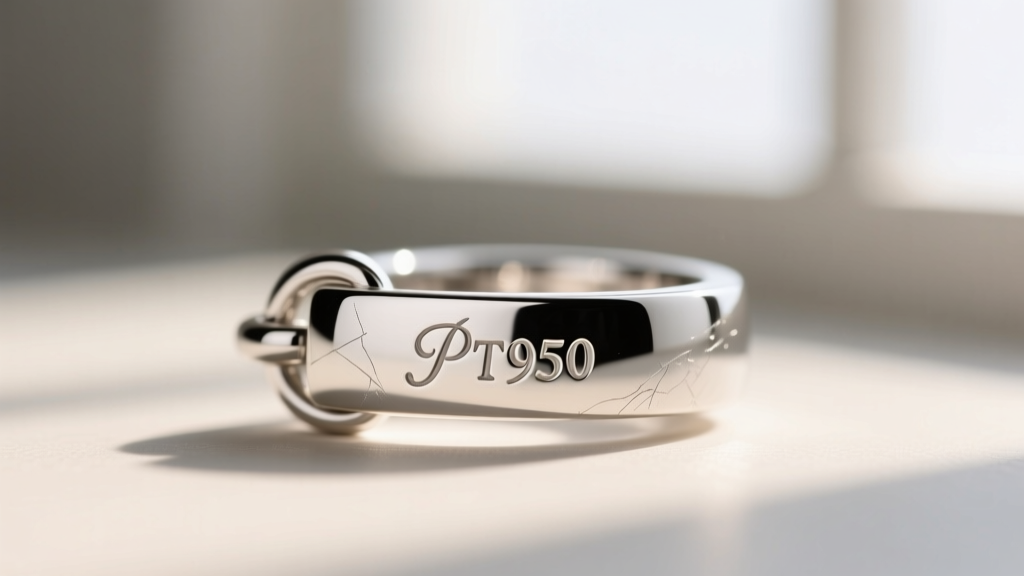
Use a 10x jeweler's loupe to inspect the bail (the loop that connects the pendant to the chain) and the clasp of the necklace. Look for these specific stamps:
- 10K or 417: 10-karat gold (41.7% pure). The minimum standard for fine jewelry in the US, often used for durable, everyday chains.
- 14K or 585: 14-karat gold (58.5% pure). The most common setting for commercial diamond pendants, offering an excellent balance of durability and gold content.
- 18K or 750: 18-karat gold (75% pure). Frequently used in high-end and European designer pendants. It is softer and richer in color.
- PT950 or PLAT: Platinum (95% pure). The premium choice for securing high-value diamonds due to its extreme durability and naturally white color.
If the piece is stamped with 'CZ', 'Diamonique', or 'Silver', adjust your expectations and your wallet accordingly. You are purchasing fashion jewelry, not fine gemological assets.
Practical Buying Framework for 2026
To ensure you never find yourself living out the tragic plot of the necklace movie, follow this strict purchasing protocol when shopping for diamond pendants:
- Define the Origin: Decide immediately if you want a natural mined diamond or a lab-grown diamond. Lab-grown stones offer identical physical properties at a fraction of the cost, making them highly popular for pendant jewelry in 2026, but their resale value is significantly lower.
- Inspect the Setting: Verify the metal hallmark on the bail. Ensure the prongs are thick, evenly spaced, and securely gripping the girdle of the stone.
- Request the Dossier: For stones over 0.50ct, require a GIA, AGS, or IGI report. Verify the report number by entering it into the respective laboratory's online database.
- Examine Under Magnification: Ask the jeweler to let you view the stone under a 10x triplet loupe. Look for natural inclusions (tiny crystals, feathers, or clouds) which prove earthly origin, or specific metallic flux inclusions that indicate certain HPHT lab-grown methods.
- Get an Independent Appraisal: For insurance purposes, take the purchased pendant to an independent, certified gemologist appraiser (not affiliated with the seller) to verify the stone's identity and replacement value.
Conclusion
The enduring legacy of the necklace movie and its source material is a stark reminder that perceived value and actual value are two entirely different concepts in the world of jewelry. By understanding the gemological properties of diamonds and their simulants, demanding independent certification, and scrutinizing metal hallmarks, you transform yourself from a vulnerable consumer into an informed buyer. A diamond pendant is a deeply personal and often significant financial investment; ensure that the brilliance around your neck is backed by undeniable, scientific truth.


