The Ultimate Beginner's Guide to Choosing a Safe Chew Necklace
Discover how to choose a safe, durable chew necklace for sensory or teething needs. Learn about silicone grades, breakaway clasps, and cleaning tips.

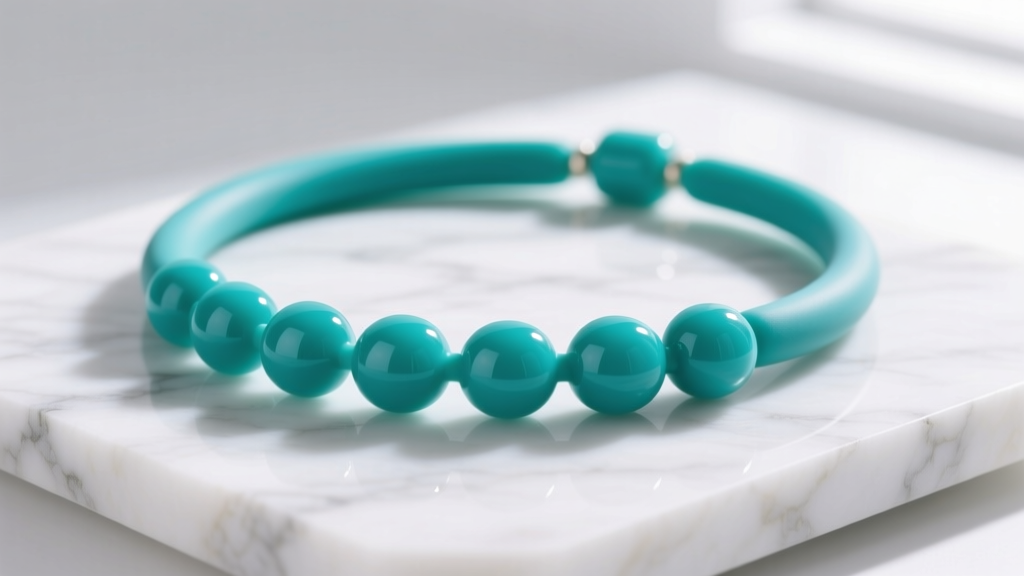
Understanding the Purpose of Sensory Chewelry
For individuals with Sensory Processing Disorder (SPD), ADHD, autism, or generalized anxiety, the need for oral proprioceptive input is a daily reality. A chew necklace—often referred to within the therapeutic community as 'chewelry'—provides a safe, discreet, and hygienic outlet for this sensory seeking behavior. Unlike traditional jewelry, which prioritizes aesthetic brilliance and precious metals, a chew necklace is an engineered therapeutic tool. As we navigate the market in 2026, the proliferation of cheap, unregulated imitations makes it more critical than ever for parents, educators, and adults to understand the material science and safety mechanics behind high-quality sensory necklaces.
According to the Consumer Product Safety Commission (CPSC), any item worn around the neck by children poses an inherent strangulation or choking risk if not properly engineered. Therefore, selecting the right chew necklace requires looking far beyond the color and shape. You must evaluate the polymer chemistry, the hardware mechanics, and the structural integrity of the cord.
Material Science: Platinum-Cured Silicone vs. Industrial Alternatives
The gold standard for any oral sensory tool is 100% platinum-cured silicone. But what does that actually mean, and why is it superior to the alternatives? Silicone is a synthetic polymer made of siloxane. The 'curing' process is what turns the liquid raw material into a solid, durable rubber.
Why Platinum-Cured is Non-Negotiable
Cheaper manufacturers often use peroxide-cured silicone. While peroxide curing is less expensive, it leaves behind chemical byproducts that can leach out over time, especially when exposed to the enzymes and friction of human saliva. Platinum-cured silicone, on the other hand, uses a platinum catalyst that results in a completely inert, non-toxic final product with zero byproducts. When reviewing product specifications, look for explicit mentions of 'platinum-cured' or 'medical-grade' silicone. The FDA's regulations on food-contact substances heavily favor these inert platinum-cured polymers for repeated oral contact.
The Big Three: BPA, PVC, and Phthalates
Reputable brands like Chewigem and ARK Therapeutic rigorously test their products to ensure they are entirely free of Bisphenol-A (BPA), Polyvinyl Chloride (PVC), and phthalates. Phthalates are plasticizers used to make cheap plastics flexible, but they are known endocrine disruptors. If a chew necklace listing does not explicitly state it is free of these three chemicals, walk away.
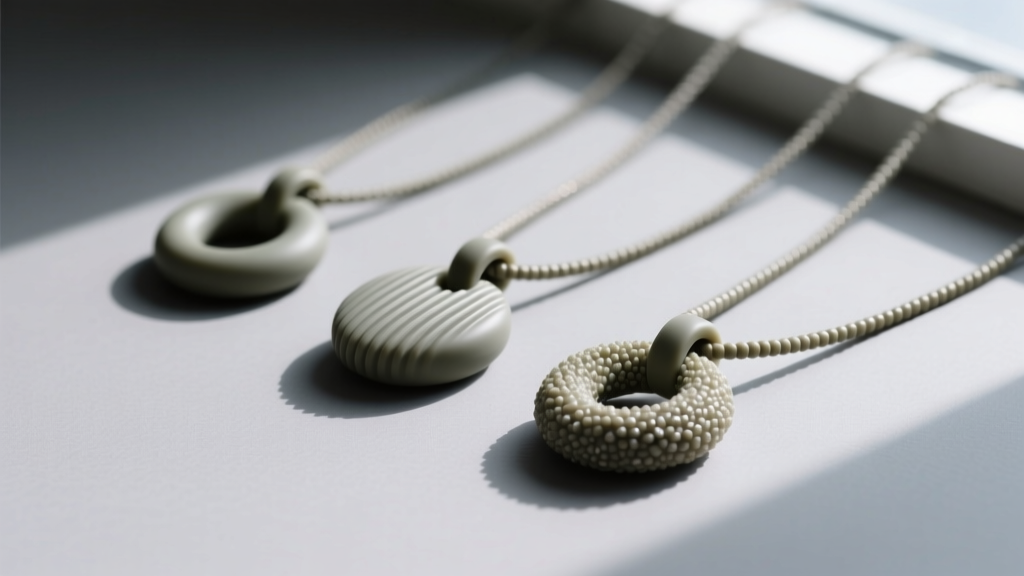
The Durometer Scale: Matching Hardness to Chewing Style
One of the most common mistakes beginners make is buying a chew necklace without considering the user's bite pressure. Silicone hardness is measured using the Shore A durometer scale. A lower number indicates a softer, more pliable material, while a higher number indicates a firm, rigid material. Matching the durometer to the user's specific sensory profile is crucial for both the longevity of the necklace and the safety of the user's jaw.
| Shore A Rating | Texture & Feel | Best Suited For | Expected Lifespan |
|---|---|---|---|
| 20A - 30A (Soft) | Squishy, highly pliable, gentle resistance | Light chewers, oral sensitivity, teething toddlers (with supervision) | 1 - 3 months |
| 40A - 50A (Medium) | Firm but yielding, similar to a gummy eraser | Moderate chewers, everyday anxiety relief, school-aged children | 3 - 6 months |
| 60A - 75A (Firm/Hard) | Rigid, high resistance, tough bite | Aggressive chewers, strong jaw pressure, older teens and adults | 6 - 12 months |
Note: Aggressive chewers who use soft (20A) pendants will tear through the silicone in a matter of days, creating a severe choking hazard. Always start with a medium hardness and adjust based on wear patterns.
Critical Safety Features: Clasps and Cords
The pendant itself is only half the equation. The suspension system—the cord and the clasp—is where the most critical safety engineering must occur. A chew necklace is subjected to sudden, forceful yanks, whether from a child playing or an adult experiencing a moment of high stress.
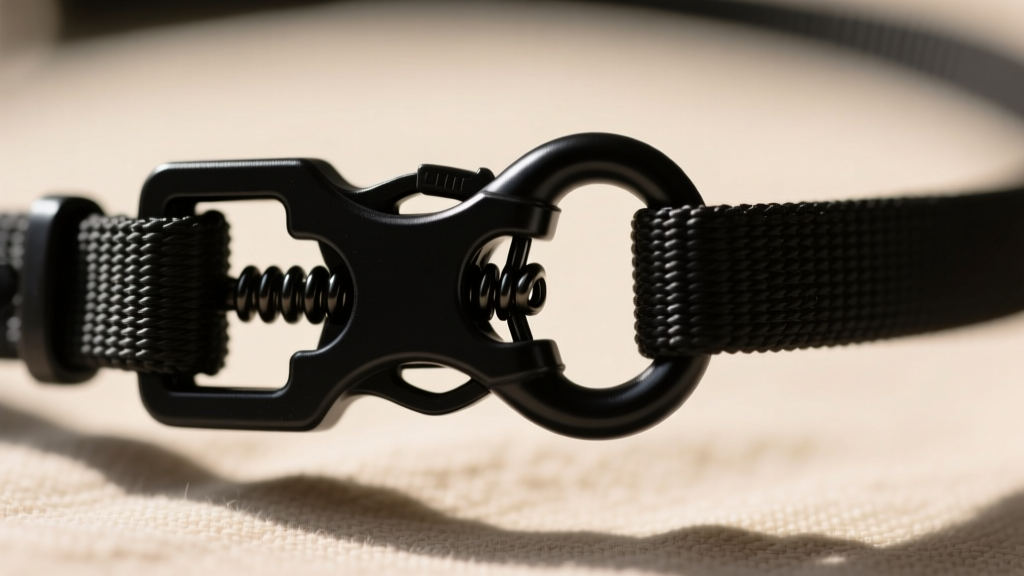
- The Breakaway Clasp: This is an absolute necessity. A proper safety breakaway clasp is designed to snap open when subjected to 5 to 7 pounds of lateral or downward pressure. This prevents strangulation if the necklace gets caught on playground equipment, furniture, or another person. Never purchase a chew necklace with a standard lobster clasp or magnetic closure.
- Cord Material and Thickness: The cord should be made of high-tensile nylon or tightly woven satin, with a minimum thickness of 2mm. Thinner cords can slice into the skin under pressure or snap unexpectedly.
- Internal Knotting: If the necklace features beads or a pendant threaded onto the cord, the silicone should encapsulate the knot, or the cord should be secured with a non-toxic, food-safe resin cap. This ensures that if the cord is severed, the pendant does not slide off and become a choking hazard.
Hygiene and Sterilization Protocols
Because chew necklaces are constantly exposed to saliva, bacteria, and environmental debris, establishing a rigorous cleaning protocol is essential. The beauty of high-grade silicone is its non-porous nature; it does not harbor bacteria the way wood or fabric does.
Pro-Tip for Deep Cleaning: Platinum-cured silicone can withstand extreme temperatures. You can safely sterilize the silicone pendant (removed from the nylon cord) by boiling it in water for 3-5 minutes, running it through the top rack of a dishwasher, or using a UV-C sterilization box. Never boil the nylon cord, as this will degrade the fibers and compromise its tensile strength.
For daily maintenance, washing the entire necklace with warm water and a mild, unscented antibacterial dish soap is sufficient. Avoid harsh chemical cleaners, bleach, or alcohol-based sanitizers, as these can break down the silicone matrix over time, causing it to become sticky or brittle.
Red Flags: When to Retire Your Chew Necklace
No chew necklace lasts forever. Continuous exposure to the enzymes in human saliva, combined with mechanical friction, will eventually degrade the polymer chains. It is vital to inspect the necklace weekly. You must immediately discard and replace the pendant if you notice any of the following failure modes:
- Micro-tears or Bite Marks: If you can see indentations from teeth that do not bounce back, or if small pieces of silicone are flaking off, the structural integrity is compromised.
- Sticky or Tacky Surface: This indicates that the silicone is breaking down and leaching oils. It is no longer safe for oral contact.
- Cord Fraying: Inspect the nylon cord where it enters the clasp and the pendant. Fraying indicates a loss of tensile strength and an increased risk of snapping.
Final Thoughts on Navigating the Market
Choosing the right chew necklace is an intersection of therapeutic necessity and rigorous safety standards. By prioritizing platinum-cured silicone, understanding the Shore A durometer scale, and insisting on certified breakaway hardware, you can provide a safe, effective sensory tool. Always purchase from established, specialized therapeutic brands that publish their third-party lab testing results, ensuring that the jewelry you wear or provide to your child is as safe as it is soothing.


