Necklace of Titanic Replicas: 2026 Value & Budget Guide
Evaluating the necklace of titanic market in 2026. Compare prices, materials, and true value of Heart of the Ocean replicas and sapphire pendants.
The Enduring Allure of the Heart of the Ocean
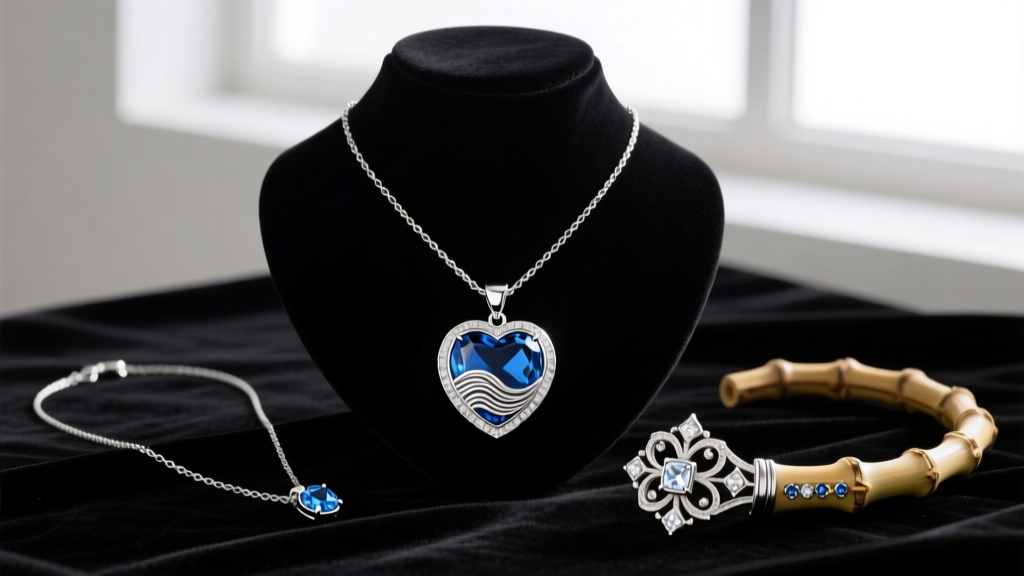
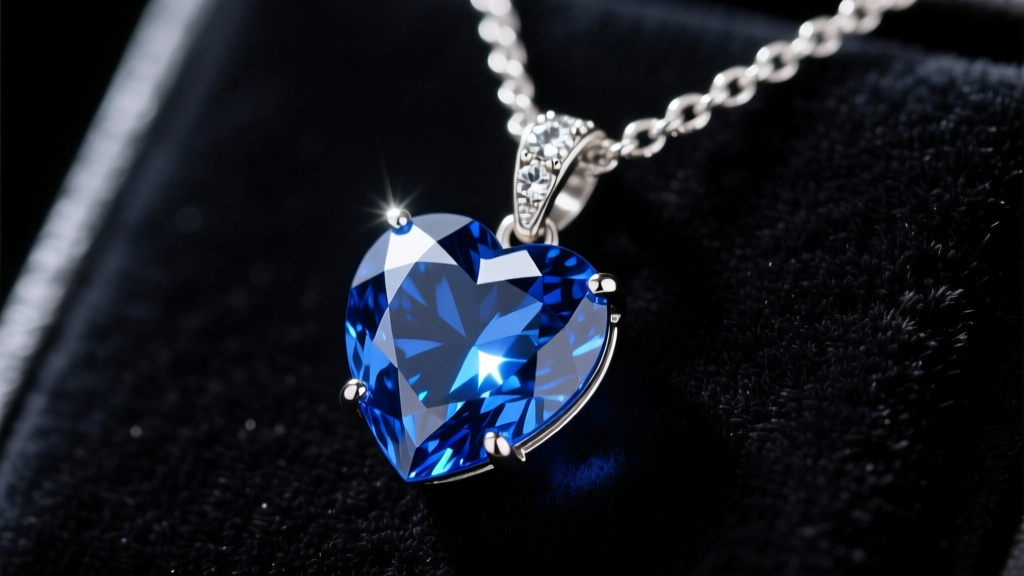
Decades after the 1997 cinematic masterpiece premiered, the search for a necklace of titanic remains one of the most popular jewelry queries globally. The fictional 'Heart of the Ocean' captured the public imagination, transforming a simple heart-shaped blue stone pendant into a cultural icon. But what are you actually buying when you shop for this legendary piece today?
The original movie prop was crafted by London-based jewelers Asprey & Garrard, featuring a blue zircon heart set in white gold. Shortly after the film's release, Harry Winston created a genuine 15-carat blue sapphire version that sold at auction for over $2 million. In 2026, the market for Titanic-inspired necklaces is vast, ranging from $15 fast-fashion novelties to $15,000 fine jewelry heirlooms. As a buyer, understanding the material grades, craftsmanship markers, and pricing tiers is essential to avoid overpaying for plated brass disguised as luxury.
2026 Market Breakdown: Pricing Tiers for Replicas
When evaluating the true value of a Titanic necklace replica, you must look past the marketing copy and examine the metallurgy and gemology. Below is a comprehensive breakdown of the current market tiers.
| Tier | Price Range | Primary Stone | Base Metal | Longevity & Value |
|---|---|---|---|---|
| Costume / Novelty | $15 - $60 | Cubic Zirconia, Glass, Resin | Zinc Alloy, Brass (Plated) | Low (6-12 months before plating wears) |
| Demi-Fine / Mid-Range | $150 - $800 | Lab-Created Sapphire, Nano Emerald | Sterling Silver (925), 10k Gold | Medium-High (Years with proper care) |
| Fine Jewelry / Heirloom | $2,500 - $20,000+ | Natural Ceylon Sapphire | 18k White Gold, Platinum (PT950) | Generational (Retains intrinsic value) |
For most buyers seeking the aesthetic without the auction-house price tag, the Demi-Fine tier offers the highest return on investment. You receive genuine precious metals and optically identical lab-grown stones without the 10x markup of natural gemstones.
Material Analysis: What You Are Actually Paying For
To accurately assess the budget and value of any sapphire heart pendant, you must understand the specific materials being used. The 'blue heart' aesthetic relies heavily on the stone's color saturation and the metal's reflectivity.
The Gemstone: CZ vs. Lab Sapphire vs. Natural Sapphire
Cubic Zirconia (CZ) is the default for the costume tier. While initially brilliant, CZ is porous and will absorb skin oils, leading to a cloudy, milky appearance within a year of daily wear. Furthermore, CZ lacks the dichroism (color-shifting) of a true sapphire.
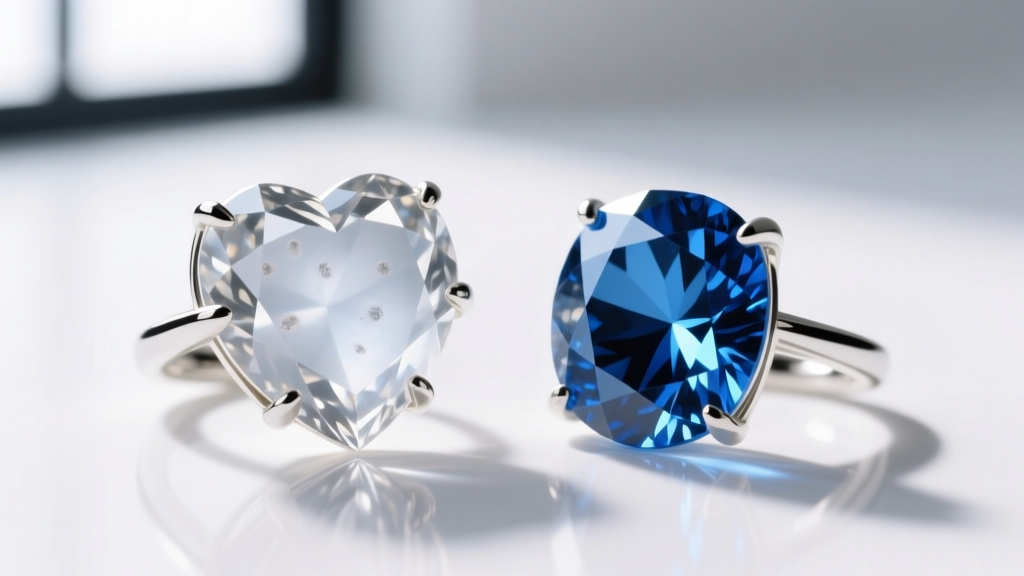
Lab-created sapphires, grown via the Verneuil (flame fusion) or flux-grown methods, are chemically identical to natural sapphires (corundum). According to the Gemological Institute of America (GIA), lab sapphires possess the same 9 on the Mohs hardness scale, making them highly scratch-resistant. However, Verneuil stones often exhibit curved striae and a 'neon' perfection that looks artificial. For the best value, seek out flux-grown lab sapphires, which mimic the natural inclusions and rich 'cornflower' or 'royal blue' hues of high-end natural stones.
The Metal: Plating Pitfalls and Precious Standards
The most common failure mode in budget Titanic replicas is 'green neck syndrome.' This occurs when the thin rhodium plating over a brass or copper base wears off, exposing the reactive base metal to your skin's acidity. If a listing does not explicitly state 'Solid 925 Sterling Silver' or 'Solid 14k/18k Gold,' assume it is plated base metal.
Sterling silver is an excellent budget choice, but it requires rhodium dipping every 2 to 3 years to maintain the bright white finish associated with the movie prop. Platinum (PT950) is the ultimate luxury standard; it is naturally white, hypoallergenic, and will never require replating, justifying its premium price point in the heirloom tier.
Chain Selection and Drape: The Hidden Value Factor
A common mistake buyers make when purchasing a necklace of titanic replica is ignoring the chain. A heavy, 15-carat heart pendant will immediately snap a cheap, hollow-rope chain. Furthermore, the length of the chain drastically alters the visual impact of the piece.
- 16-Inch (Choker): Sits high on the collarbone. This ruins the dramatic 'red carpet' drape of the Heart of the Ocean and makes the pendant look cramped.
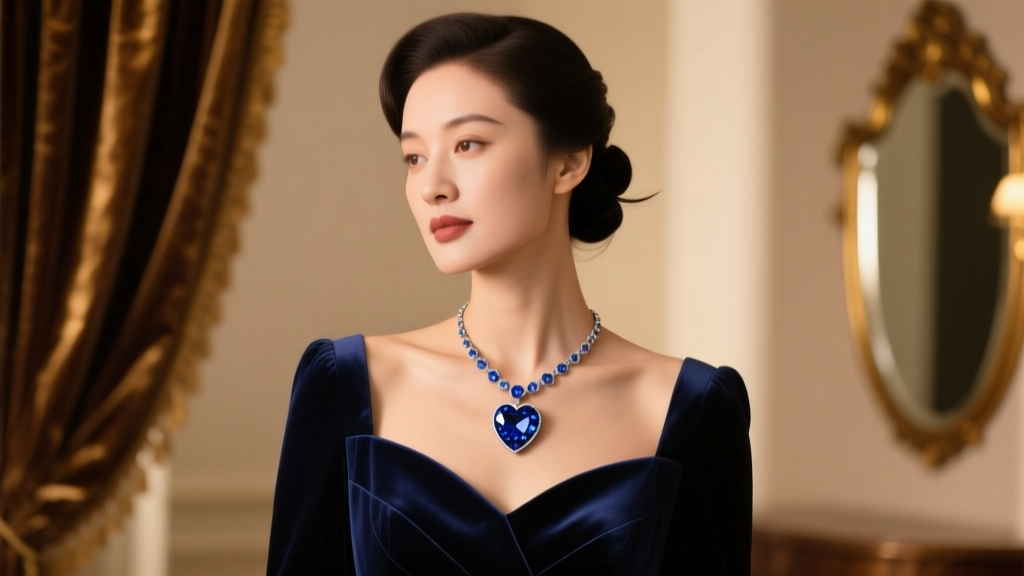
- 18-Inch (Princess): The ideal standard. The heart rests perfectly on the upper sternum, catching the light while allowing the V-shape of the pendant to elongate the neck.
- 20 to 22-Inch (Matinee): Better suited for wearing the pendant over clothing, such as a dark sweater or evening gown.
Always look for chains featuring a lobster clasp rather than a spring-ring clasp. Lobster clasps are significantly more secure and can support the weight of a solid metal and stone pendant without failing.
Value Assessment: Identifying Quality Craftsmanship
When shopping online, you cannot physically inspect the jewelry, but you can demand specific photographic evidence and descriptions to assess the value. Here is a practical decision framework to separate quality demi-fine jewelry from overpriced costume pieces.
1. Prong Construction
Examine close-up photos of the prongs holding the heart stone. In mass-produced costume jewelry, prongs are 'cast in place'—meaning they are part of the mold and simply pushed over the stone. These frequently snag on clothing and bend, leading to lost stones. High-value pieces feature hand-set prongs, where the jeweler carves and pushes solid metal over the gemstone's girdle, ensuring a permanent grip.
2. The Bail and Jump Ring
The bail is the loop that connects the pendant to the chain. In budget pieces, the bail is soldered weakly or is merely a glued-on loop. A high-quality replica will feature a solid, soldered bail with a smooth interior to prevent it from acting like a saw against the chain, eventually cutting the metal and causing you to lose the pendant.
3. Hallmarks and Stamps
Legitimate precious metals are stamped. Look for '925' (Sterling Silver), '14K' or '585' (14k Gold), '18K' or '750' (18k Gold), and 'PT950' (Platinum). As noted by industry watchdogs like National Jeweler, the absence of a hallmark on a piece claiming to be solid gold or silver is an immediate red flag indicating deceptive marketing.
Final Verdict: Which Tier Offers the Best ROI?
If you are buying a necklace of titanic as a one-time costume piece for a themed event, the $30-$50 CZ and plated brass tier is functionally adequate, provided you understand it has zero resale or long-term wear value.
However, for genuine jewelry lovers who want to capture the romance and elegance of the Heart of the Ocean, the $250 to $600 demi-fine tier is the undisputed winner. By targeting solid 925 sterling silver or 10k white gold paired with a flux-grown lab sapphire, you secure a piece that is durable, hypoallergenic, and visually indistinguishable from natural gems to the naked eye. You are paying for the craftsmanship and the metal, rather than the geological rarity of the stone, which is the true essence of smart jewelry investing in 2026.


