Tory Burch Silver Necklace Review: Material & Value Guide
An expert technical review of the Tory Burch silver necklace, analyzing 925 sterling alloys, rhodium plating thickness, clasp engineering, and value.

The Metallurgy Behind the Brand: Sterling Silver vs. Plated Base Metals
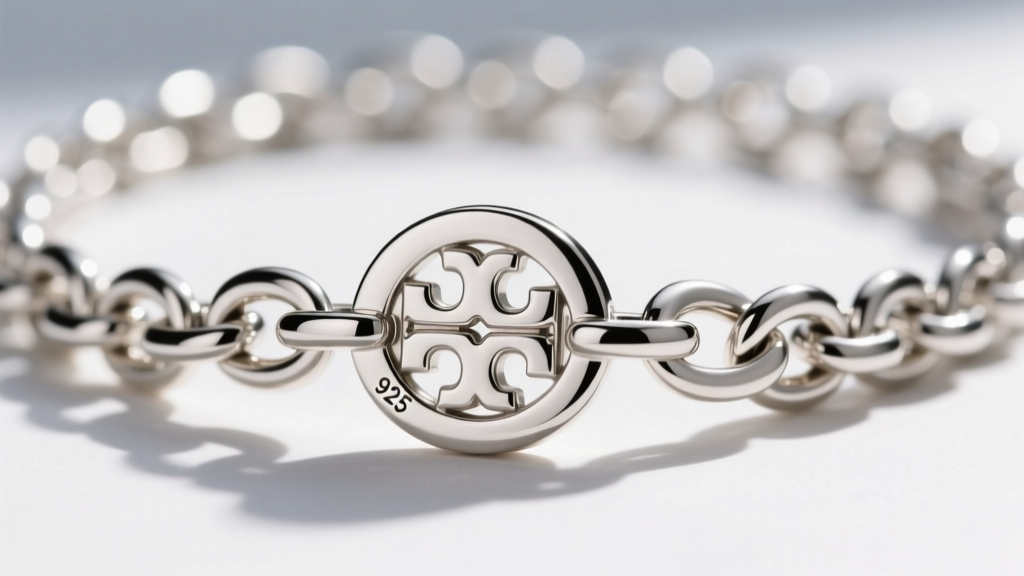
When evaluating luxury fashion jewelry in 2026, understanding the exact metallurgical composition is critical for determining long-term value and wearability. A Tory Burch silver necklace typically falls into one of two distinct categories: solid 925 sterling silver from their fine jewelry lines, or silver-plated brass from their seasonal fashion collections. According to the FTC Jewelry Guides, the term 'sterling silver' is strictly regulated and mandates an alloy composition of exactly 92.5% pure silver and 7.5% base metals, usually copper.
Understanding 925 Sterling Silver Standards
Pure silver (99.9%) is far too malleable for daily wear, registering a mere 25 on the Vickers Hardness (HV) scale. By alloying it with 7.5% copper, the resulting sterling silver achieves a hardness of approximately 65 HV, making it durable enough to withstand the tensile stress of a necklace chain. However, this copper content is precisely what makes sterling silver susceptible to tarnishing when exposed to atmospheric sulfur. When purchasing a Tory Burch pendant necklace, locating the '925' stamp on the clasp tag or the back of the pendant bail is your first step in verifying solid metal construction versus a mere surface plating.
Chain Architecture and Clasp Engineering
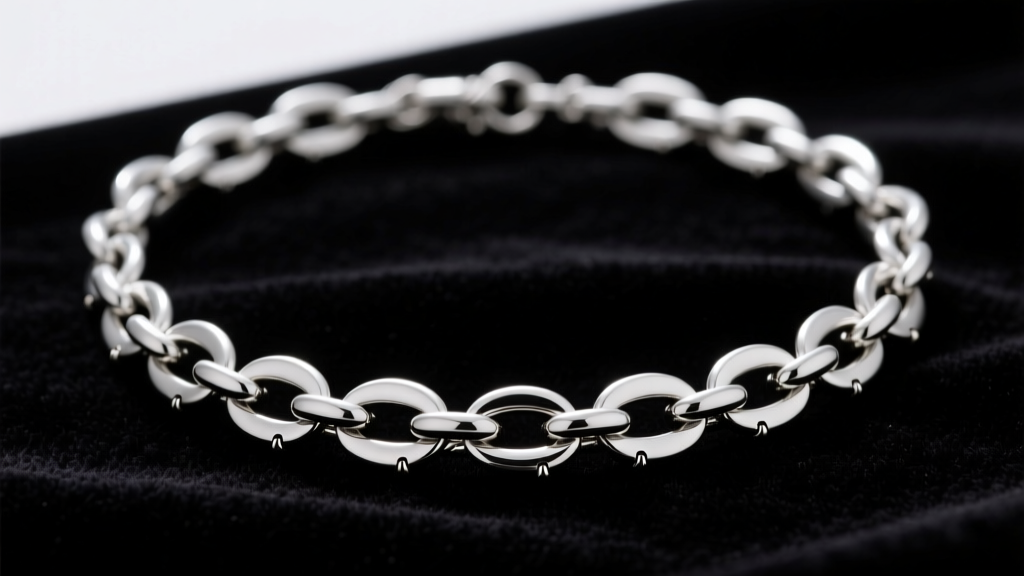
The structural integrity of any necklace relies heavily on its chain architecture and clasp mechanisms. Tory Burch frequently utilizes cable chains and rolo chains for their signature pendant necklaces. A standard 1.2mm cable chain consists of uniform oval links. In high-quality manufacturing, every single link is soldered shut. This soldering process is vital; an unsoldered link will pull apart under just 2 to 3 pounds of tension, whereas a properly soldered link can withstand upwards of 8 to 10 pounds before the metal itself stretches or breaks.
Tensile Strength and Link Failure Points
Mass-produced fashion jewelry sometimes skips soldering on every third or fourth link to reduce manufacturing time and costs, creating structural weak points. An expert inspection with a 10x jeweler's loupe will reveal whether the links are seamlessly soldered or merely butt-jointed. Furthermore, the lobster clasp—a staple on Tory Burch chains—presents its own engineering challenges. Silver lacks the elastic memory required for a spring mechanism. Therefore, the internal spring of a high-quality lobster clasp must be crafted from beryllium-copper or 304 stainless steel, housed inside a cast or stamped silver shell. Cheaper iterations may use lower-grade steel that rusts internally, causing the clasp trigger to seize over time.
Tarnish Resistance and Rhodium Plating Thickness
To combat the natural tarnishing caused by the copper alloy in sterling silver, many Tory Burch silver necklaces are treated with a rhodium plating. Rhodium is a platinum-group metal that is highly reflective, exceptionally hard, and completely impervious to oxidation. However, the longevity of this finish depends entirely on the plating thickness, which is measured in microns. The Gemological Institute of America (GIA) notes that while rhodium provides a brilliant white finish, it will eventually wear away on high-friction areas like the back of a pendant or the clasp connection points.
| Plating Grade | Thickness (Microns) | Expected Lifespan (Daily Wear) | Common Application |
|---|---|---|---|
| Flash Plating | 0.01 - 0.05 | 1 - 3 Months | Low-cost fashion jewelry, display pieces |
| Standard Plating | 0.10 - 0.30 | 6 - 18 Months | Premium fashion lines, standard Tory Burch pieces |
| Heavy Plating | 0.50 - 1.00+ | 2 - 5+ Years | Fine jewelry, luxury investment pieces |
In the 2026 market, most designer fashion necklaces utilize standard plating (0.10 to 0.30 microns). While this provides excellent initial brilliance and tarnish resistance, buyers should expect to see slight wear on the high-contact edges after a year of continuous daily use. Some manufacturers use a nickel undercoat to improve rhodium adhesion, but due to strict EU nickel-release regulations, premium brands like Tory Burch have largely transitioned to palladium or pure silver undercoats to ensure hypoallergenic safety.
Price-to-Value Ratio: 2026 Market Analysis
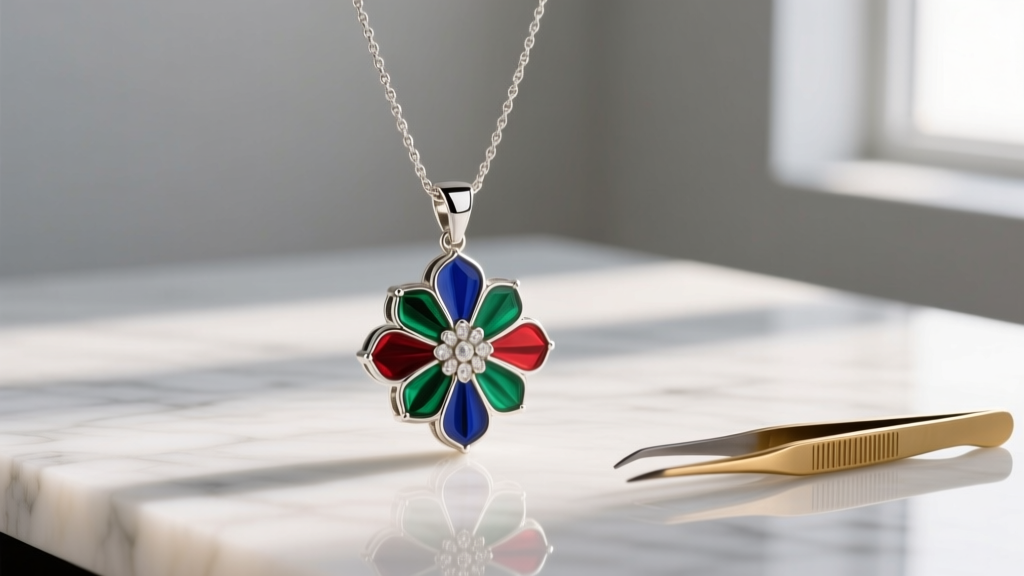
Evaluating the price-to-value ratio of a Tory Burch silver necklace requires separating the intrinsic melt value of the metal from the brand's design premium. With raw silver prices experiencing notable fluctuations in 2026, the intrinsic value of a 5-gram sterling silver chain remains relatively modest compared to its retail price. The premium you pay covers the brand's intellectual property, the precision of the enamel inlay work on their signature pendants, and the quality control of their stone settings.
Cost Breakdown by Material and Craftsmanship
For buyers seeking pure material value, a Tory Burch silver necklace may seem overpriced compared to unbranded bullion-weight chains. However, for those valuing the intersection of contemporary design, reliable clasp engineering, and accessible luxury, the brand offers a compelling middle ground between ultra-cheap fast fashion and prohibitively expensive heritage fine jewelers. The enamel work on their iconic 'T' and geometric pendants requires precise kiln-firing techniques that prevent the glass powder from bubbling or cracking, a level of craftsmanship that justifies a portion of the designer markup.
Care Protocols for Long-Term Preservation
Preserving the structural and aesthetic integrity of your silver necklace requires strict adherence to proper care protocols. The Silver Institute emphasizes that silver is highly reactive to sulfur compounds, which are prevalent in everyday environments. To prevent accelerated tarnishing of un-plated sterling silver areas, avoid exposing the necklace to chlorinated pool water, household bleach, and sulfur-rich hot springs.
'The most common cause of premature silver degradation is not environmental sulfur, but rather the accumulation of cosmetic products. Hairsprays, perfumes, and lotions create a microscopic film on the metal that traps moisture and accelerates localized corrosion.' — Master Jeweler Bench Note
Always apply perfumes and hairsprays at least five minutes before donning your necklace. When cleaning, avoid abrasive silver dips that strip rhodium plating. Instead, use a dedicated microfiber polishing cloth for routine maintenance, and a mild, phosphate-free dish soap with a soft-bristled baby toothbrush for deeper cleaning of the chain links and pendant bails. Store the piece in an airtight anti-tarnish bag with a silica gel packet to control ambient humidity and ensure your Tory Burch necklace retains its structural brilliance for years to come.


