2026 Trend Analysis: Styling Your Layered Silver Necklace Set
Discover 2026 trends for the layered silver necklace set. Learn expert spacing, chain gauge pairings, and anti-tangle techniques for a flawless look.

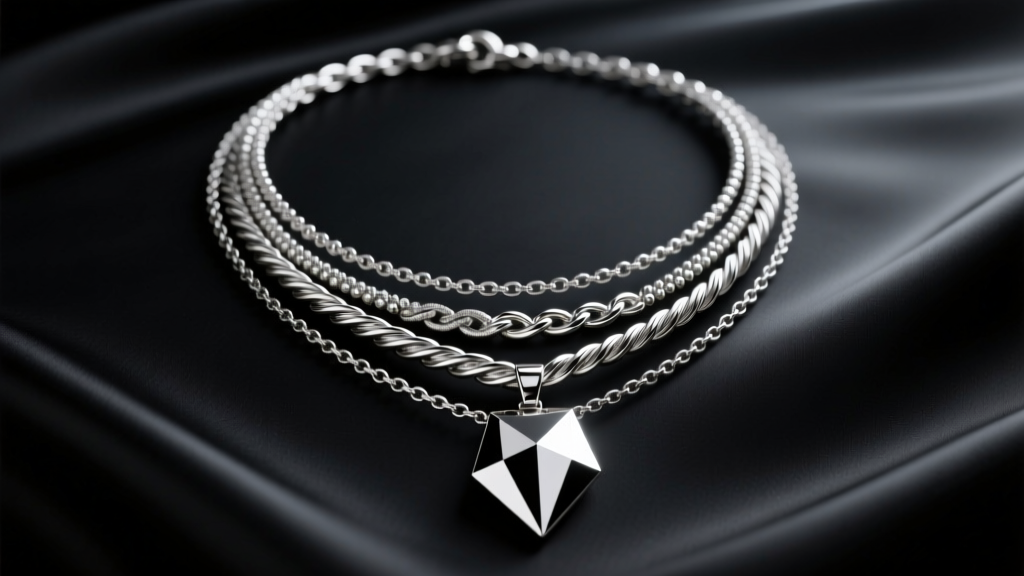
The layered silver necklace set has long been a staple of modern jewelry wardrobes, but as we move through 2026, the styling rules have fundamentally shifted. The era of the haphazard, bohemian "tangle" is officially over. Today’s trend analysis reveals a pivot toward architectural precision, metallurgical awareness, and intentional spacing. Whether you are investing in high-end sterling pieces or curating a collection of accessible everyday chains, mastering the mechanics of a silver stack is essential for achieving a look that is both effortless and technically flawless.
The 2026 Shift: From Maximalist Clutter to Curated Silver Stacks
In previous years, layering was defined by volume—wearing five or six delicate chains of similar lengths to create a dense, unified metallic band. However, 2026 trend forecasts emphasize negative space and structural contrast. The modern layered silver necklace set relies on the "Rule of Three," utilizing distinct chain gauges, varied link geometries, and precise length intervals. This approach not only elevates the visual sophistication of the stack but also solves the most common complaint among jewelry wearers: chronic tangling. By treating your neckline as a curated gallery space rather than a catch-all, you allow the unique light-reflective properties of silver to truly shine.
The Anatomy of a Perfect Layered Silver Necklace Set
Building a successful stack requires assigning a specific structural role to each layer. A well-engineered layered silver necklace set operates on a three-tier system:
1. The Anchor (Base Layer)
Sitting at 14 to 16 inches, the base layer frames the collarbone and provides visual weight. For 2026, the trend favors slightly chunkier, textured chains like a 2.0mm Figaro or a 1.5mm Curb link. This layer grounds the stack and prevents the delicate upper layers from looking disconnected from the body.
2. The Statement (Mid Layer)
Dropping to 18 inches, the mid layer is the focal point. This is where you introduce your primary pendant or a highly reflective chain style, such as a 1.2mm Rope or Box chain. The mid layer bridges the gap between the skin and the outer garments, catching the most ambient light.
3. The Whisper (Top Layer)
Falling at 20 to 22 inches, the longest layer should be the most understated. A delicate 0.8mm Cable or Snake chain with a tiny, minimalist charm (or no charm at all) creates a lengthening effect for the torso. This layer adds movement without competing with the mid-layer statement piece.
Chain Gauge & Texture Pairings: The Data Matrix
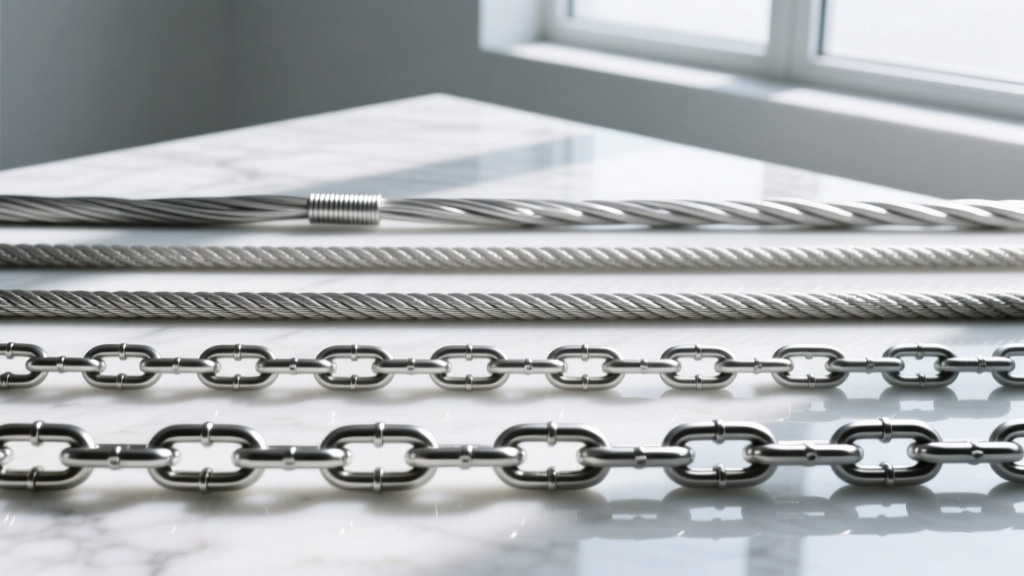
Mixing textures is the secret to preventing a flat, one-dimensional look. The table below outlines the optimal pairings for a balanced layered silver necklace set, ensuring that no single chain overpowers the others while maintaining distinct visual identities.
| Layer Role | Chain Style | Ideal Gauge (mm) | Optimal Length | Best Pendant Pairing |
|---|---|---|---|---|
| Anchor (Base) | Curb or Figaro | 1.5mm - 2.5mm | 14" - 16" | None (Bare chain) |
| Statement (Mid) | Rope or Box | 1.0mm - 1.5mm | 18" | Geometric or Gemstone Drop |
| Whisper (Top) | Cable or Snake | 0.6mm - 0.9mm | 20" - 22" | Micro-Pave or Tiny Solitaire |
Solving the Tangle: Metallurgy and Friction Mechanics
The most frustrating aspect of owning a layered silver necklace set is the inevitable knotting. To understand how to prevent this, we must look at friction mechanics and knot theory. Chains tangle when their link sizes and shapes are identical, allowing them to act like interlocking gears. If you wear three 1.0mm cable chains, the open oval links will easily slip into one another, creating a friction lock that tightens with body movement.
The Solution: Never layer identical chain weaves. By combining a closed-link Snake chain with an open-link Rope chain, you eliminate the physical geometry required for the links to interlock. Furthermore, consider the metallurgy of your silver. Standard 925 Sterling Silver is prone to oxidation (tarnish), which creates a microscopic layer of silver sulfide on the surface. This tarnish actually increases surface friction, making chains more likely to snag and knot. Upgrading to Argentium Silver (960), which contains germanium and is highly tarnish-resistant, results in a smoother surface finish that naturally glides against other chains, drastically reducing tangles.
Neckline Mapping: Where to Wear Your Stack
A layered silver necklace set must be adapted to the geometry of your clothing. The relationship between the neckline and the chain drop is critical for maintaining the intended proportions.
- The Crew Neck: Opt for a compressed stack (14", 16", 18"). The high neckline requires the silver to sit entirely above the fabric line to avoid looking cluttered.
- The V-Neck: Utilize the standard 16", 18", 20" drop. The V-shape naturally frames the cascading chains, drawing the eye downward and elongating the neck.
- The Button-Down (Unbuttoned): Elongate the stack (18", 20", 24"). The deeper plunge requires longer chains to interact with the fabric lapels without getting caught on buttons.
- The Square Neck: Stick to a two-layer set (14" and 18"). The harsh horizontal lines of a square neck clash with too many cascading layers; a high choker and a mid-drop pendant provide the best contrast.
Clasp Upgrades: The Hardware Matters
When managing multiple layers, traditional spring-ring clasps are a liability. They are difficult to manipulate with one hand and frequently fail under the distributed weight of a multi-piece stack. For 2026, jewelry engineers are heavily favoring neodymium magnetic clasps for layered sets. These clasps snap together securely, support up to 5 lbs of tensile weight, and allow you to put on a three-piece layered silver necklace set in less than two seconds. Alternatively, a multi-strand lobster clasp with a reinforced soldered jump ring offers a more traditional, albeit slightly less convenient, security profile.
Care and Maintenance for Multi-Piece Sets
Because a layered set involves constant metal-on-metal contact, micro-abrasions can occur over time. To maintain the pristine finish of your silver:
- Ultrasonic Cleaning: While safe for plain silver chains, avoid ultrasonic cleaners if your mid-layer pendant features porous gemstones like turquoise or opals.
- Polishing Technique: Use a microfiber cloth treated with jeweler-approved silver polish. Wipe each chain individually before storing.
- Storage Protocol: Never throw a layered set into a single pouch. Hang the set on a multi-tier jewelry tree or lay them flat in a compartmentalized, anti-tarnish lined box to preserve the structural memory of the links.
"The true elegance of a layered silver necklace set in 2026 isn't found in how much silver you wear, but in the deliberate, engineered space between each chain."
By treating your jewelry as an exercise in structural design rather than mere accumulation, you ensure that your layered silver necklace set remains a sophisticated, tangle-free hallmark of your personal style for years to come.


