Fixing a Slipping Bandanna Necklace: Knots, Slides & Care
Stop your bandanna necklace from slipping and fraying. Expert troubleshooting for knots, slide clasps, fabric care, and styling western neckwear.

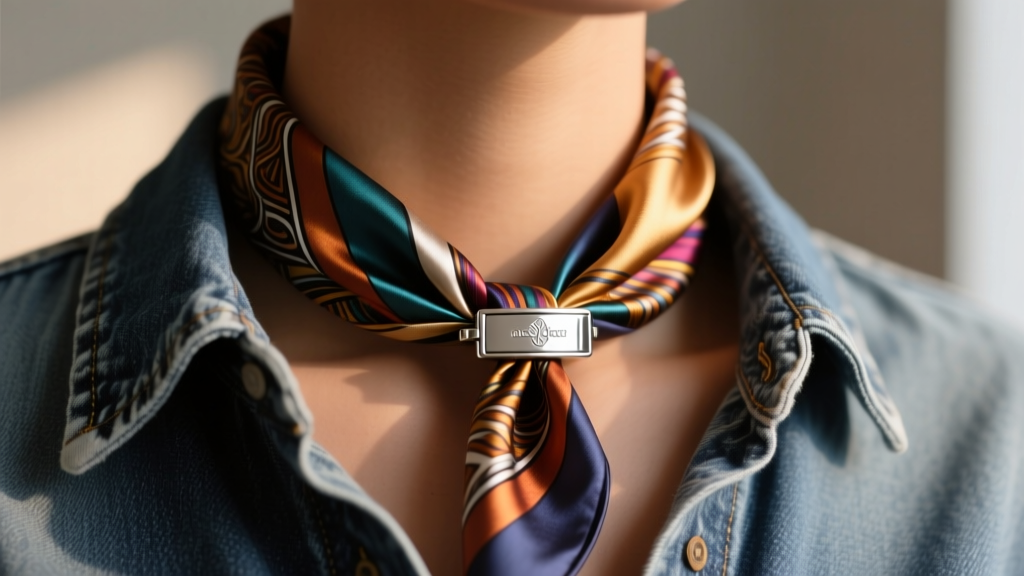
The bandanna necklace has transcended its utilitarian western roots to become a staple of contemporary boho, neo-western, and avant-garde fashion. Whether you are draping a vintage paisley square or tying a sleek silk bias-cut ribbon, this versatile neckwear offers endless styling possibilities. However, the very mechanics that make a bandanna necklace so fluid and adaptable are also responsible for its most common frustrations: relentless slipping, awkward bunching, bias-stretch distortion, and delicate fabric degradation. If you are constantly readjusting your neckwear or dealing with frayed edges, the issue is rarely your styling—it is a failure of physics and hardware. This comprehensive troubleshooting guide will help you secure, maintain, and elevate your bandanna necklace for the long term.
The Core Problem: Why Your Bandanna Necklace Won't Stay Put
Before applying fixes, it is crucial to understand why fabric-based necklaces fail to hold their shape. The primary culprit is the bias cut. When you fold a standard 22x22 inch bandanna diagonally to create a lariat or choker, you are cutting across the grain of the woven fabric. While folding on the bias provides a beautiful, fluid drape that contours to the collarbone, it also introduces significant mechanical stretch. As you move throughout the day, the fabric elongates, causing knots to loosen and slide clasps to migrate downward.
The secondary issue is friction deficiency. Modern bandanna necklaces are frequently crafted from silk charmeuse, rayon, or high-thread-count cotton percale. These materials have a remarkably low coefficient of friction. When layered against smooth skin or synthetic blouses, the fabric simply glides, rendering standard overhand knots useless.
Troubleshooting the Slip: Knots vs. Hardware
To solve the slipping issue, you must choose between advanced knotting techniques or integrating specialized jewelry hardware. Both methods have distinct advantages depending on the weight and material of your bandanna.
Advanced Knotting: The Barrel and Fiador Knots
Abandon the standard square knot or granny knot; they are too bulky and prone to capsizing under tension. Instead, utilize knots borrowed from nautical and equestrian traditions:
- The Barrel Knot (Snake Knot): Ideal for creating a permanent, adjustable stopper at the ends of a silk bandanna lariat. Wrap the tail of the fabric tightly around the standing line 4 to 5 times, then pass the working end through the center of the coils. Pull tight and apply a microscopic drop of flexible fabric glue (like Fray Check) to the hidden interior of the knot to lock it.
- The Fiador Knot: A highly decorative, symmetrical knot often used in western horse tack. It creates a fixed, diamond-shaped loop that sits flat against the sternum, preventing the bandanna from twisting or bunching at the center of the chest.
Upgrading to Metal Slides and Bolo Clasps
If knotting ruins the drape of your delicate silk or rayon bandanna, hardware is the superior solution. However, you cannot simply thread a flat piece of fabric through a standard bolo tie slide. You must engineer a cord-and-slide system.
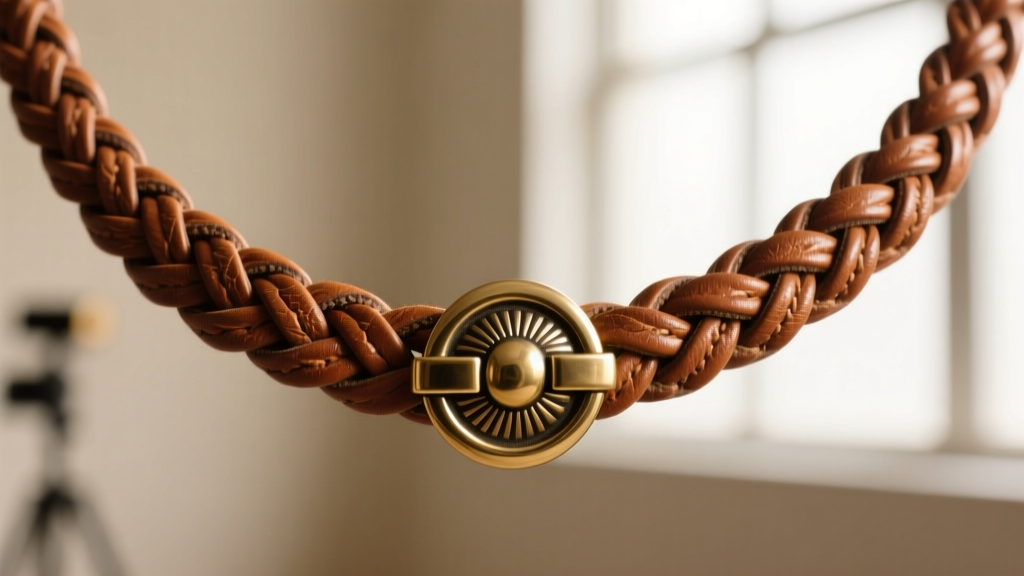
The Fix: Attach a 3mm to 4mm round braided leather or suede cord to the tapered ends of your bandanna necklace using crimp ends and jump rings. Once the fabric transitions into a round cord, you can utilize traditional bolo tie slides or concho sliders. Ensure your slide features an internal rubber gripper or a tension clasp mechanism. According to historical archives documented by the Texas State Historical Association, the modern bolo tie clasp was specifically invented to solve the exact slippage issues inherent in braided leather and fabric neckwear, utilizing a hidden rubber cord to grip the leather at any desired height.
Fabric Failure: Preventing Frays, Snags, and Stretching
A bandanna necklace is subjected to constant friction against the neck, hair, and outerwear. Choosing the wrong fabric weight will result in rapid deterioration. Below is a troubleshooting matrix for common bandanna necklace materials and their failure modes.
| Fabric Type | Weight / Grade | Primary Failure Mode | Troubleshooting & Prevention |
|---|---|---|---|
| Silk Charmeuse | 12-15 Momme | Snagging, seam slippage, water spotting | Too delicate for daily neckwear. Upgrade to 19+ Momme silk twill for structural integrity. |
| Cotton Twill | 100-120 GSM | Edge fraying, color bleeding from sweat | Seal edges with clear nail polish or liquid seam sealant. Pre-wash in cold water with a color-catcher sheet. |
| Rayon/Viscose | 130 GSM | Extreme bias stretching, tearing at knot points | Avoid tight knots. Use hardware slides exclusively. Never pull rayon when wet, as it loses 50% of its tensile strength. |
| Wool Blend | 200+ GSM | Bunching, stiffness, skin irritation | Line the inner neck zone with a 1-inch strip of grosgrain ribbon to provide a smooth, non-itchy friction barrier. |
Sweat, Perfume, and Stain Troubleshooting
Because a bandanna necklace rests directly on the pulse points, it acts as a magnet for perspiration, body oils, and alcohol-based perfumes. The pH of human sweat (typically between 4.5 and 7.0) can degrade protein-based fibers like silk over time, leading to yellowing and fiber rot.
The Silk and Rayon Cleaning Protocol
Never toss a silk or rayon bandanna necklace into a washing machine. The agitation will destroy the bias drape and cause irreversible micro-tears. Instead, follow this targeted spot-cleaning method recommended by textile experts at Penn State Extension:
- Mix one part distilled white vinegar with three parts cool, distilled water.
- Dip a white, lint-free cotton swab into the solution and gently dab (do not rub) the stained area.
- The mild acidity of the vinegar neutralizes alkaline perspiration salts and restores the natural luster of the silk fibroin.
- Press the area flat between two dry microfiber towels to absorb moisture, then air dry away from direct sunlight.
Crucial Warning: Never apply perfume directly to your neck before putting on a silk bandanna necklace. The alcohol and essential oils will leave permanent, greasy watermarks that cannot be removed without professional dry cleaning.

Modernizing the Bandanna Necklace: Avoiding the Costume Trap
The final troubleshooting challenge is stylistic. The bandanna necklace carries heavy historical associations with western wear, workwear, and 1970s bohemian fashion. In 2026, the goal is to integrate the piece as a sophisticated accessory rather than a literal costume piece.
To achieve a modern, elevated look, apply the Rule of Contrast:
- Contrast the Texture: Pair a soft, fluid silk bandanna necklace with highly structured, architectural tailoring. A crisp, oversized cotton poplin blazer or a sharp-shouldered wool trench coat provides a rigid canvas that highlights the drape of the neckwear.
- Contrast the Pattern: If your bandanna features a traditional, busy paisley or western print, keep the rest of your outfit entirely monochromatic and minimalist. Conversely, if you are wearing a patterned or textured outfit, opt for a solid-color silk bandanna in a deep jewel tone (like emerald or oxblood) to anchor the look.
- Adjust the Proportion: Avoid the tight, high-necked "choker" tie, which can look dated and restrictive. Instead, fold the bandanna into a narrow 1-inch ribbon and tie it in a loose, asymmetric knot that rests at the hollow of the collarbone, allowing the tails to cascade unevenly for an effortless, contemporary silhouette.
By understanding the biomechanics of fabric drape, upgrading your hardware, and implementing rigorous textile care, your bandanna necklace will transition from a frustrating, constantly adjusting nuisance to a secure, timeless cornerstone of your jewelry wardrobe.


