Trending Necklaces 2025: Best Metals & Materials Compared
Discover the metals behind trending necklaces 2025. Compare titanium, recycled gold, and platinum for durability, pricing, and skin sensitivity.

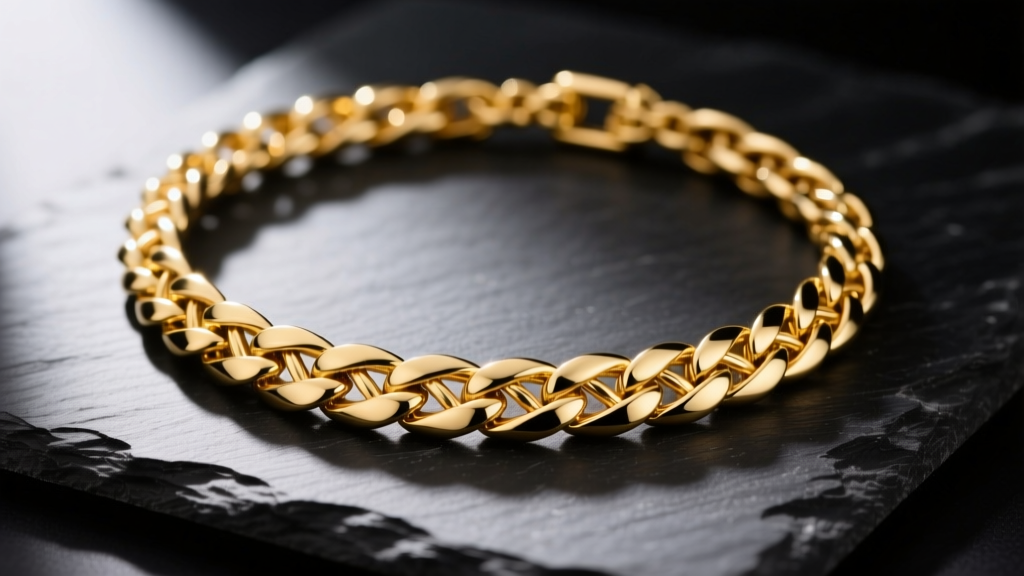
The Material Shift: Beyond Aesthetics
When analyzing the market data behind trending necklaces 2025, a definitive shift emerged that has only solidified as we move through 2026. Consumers and collectors are no longer evaluating necklaces solely on carat weight or pendant design; the base metallurgy has become the primary driver of purchasing decisions. The modern buyer demands to know the Vickers hardness of their chain, the biocompatibility of their clasp, and the exact alloy composition of their white gold. This guide dissects the material science behind today's most sought-after necklaces, moving past marketing fluff to provide a rigorous comparison of durability, failure modes, and real-world pricing.
The Titanium Revolution: Grade 2 vs. Grade 5
Titanium has transcended its utilitarian roots to become a staple in luxury and everyday jewelry. However, not all titanium is created equal. The trending necklaces 2025 landscape was dominated by two specific aerospace and medical-grade alloys, each with distinct properties.
Commercially Pure Grade 2 (ASTM F67)
Grade 2 titanium is 99% pure. It is highly malleable, making it the preferred choice for intricate wire-wrapping and lightweight, high-gauge mesh chains. With a Vickers hardness (HV) of approximately 150, it is relatively soft for a structural metal but entirely hypoallergenic. Its primary failure mode in jewelry is galling—when two titanium surfaces rub together under pressure, they can cold-weld or seize, making poorly machined titanium clasps prone to locking up.
Aerospace Grade 5 (ASTM F136 / Ti-6Al-4V ELI)
Alloyed with 6% aluminum and 4% vanadium, Grade 5 titanium boasts an HV of roughly 350. This is the metal used in high-end, CNC-machined pendants and heavy Cuban link chains that require structural rigidity without the crushing weight of steel. Grade 5 also accepts a mirror polish that rivals white gold, and it can be anodized using electrical voltage to create vibrant, permanent surface colors without dyes (e.g., 90V yields bright green, while 20V yields bronze).
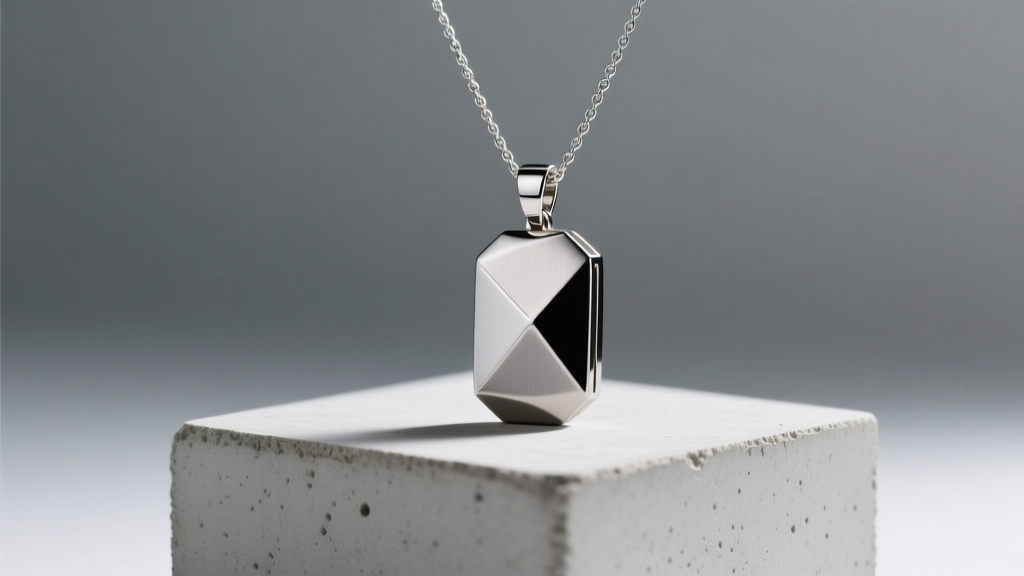
Recycled Gold Alloys: The 14K vs. 18K Debate
Sustainability was a massive driver for trending necklaces 2025, with recycled gold becoming the industry standard for ethical sourcing. But beyond ethics, the karat choice dictates the necklace's lifespan. According to the Gemological Institute of America (GIA), the alloying metals mixed with pure 24K gold fundamentally alter its physical behavior.
- 18K Gold (75% Pure): With an HV of 115-125, 18K gold offers a rich, deep color but is highly susceptible to micro-abrasions. An 18K cable chain worn daily against the nape of the neck will show visible wear patterns within 18 months. It is best reserved for low-friction, occasion-wear pendants.
- 14K Gold (58.5% Pure): The workhorse of the jewelry industry. With an HV of 140-160 (depending on the copper/silver ratio), 14K gold resists deformation. For trending chain styles like the 3.5mm Figaro or the rope chain, 14K provides the necessary tensile strength to support heavy pendants without the links stretching over time.
The White Gold Rhodium Problem
Traditional white gold is alloyed with nickel or palladium but still retains a faint yellowish-gray hue, requiring a surface plating of rhodium. A major frustration for buyers is the inevitable wearing off of this plating, exposing the base metal. In 2026, astute buyers are specifically seeking out palladium-rich white gold alloys that are naturally bright white and do not require rhodium plating, eliminating a recurring maintenance cost.
Platinum 950: Density, Patina, and Alloying Secrets
Platinum remains the undisputed heavyweight champion of fine jewelry. However, the stamp "Pt950" only tells you that the piece is 95% platinum; the remaining 5% is where the engineering happens. The GIA notes that the secondary metal dictates the casting quality and scratch resistance.
Lab Note: Unlike gold, which loses microscopic particles of metal when scratched, platinum merely displaces. The metal is pushed to the side, creating a satin-like finish known as a patina. This patina can be polished out, but doing so repeatedly will eventually compromise the structural integrity of very fine chains.
Ruthenium vs. Iridium vs. Cobalt
If you are buying a platinum chain, check the alloy. Pt950/Ru (Ruthenium) is the standard for cast chains, offering excellent hardness and a bright white finish. Pt950/Ir (Iridium) is softer and typically used for hand-fabricated pieces where stone-setting is required. Avoid Pt950/Co (Cobalt) for chains if you plan to travel, as cobalt alloys are slightly magnetic and can trigger sensitive security scanners.
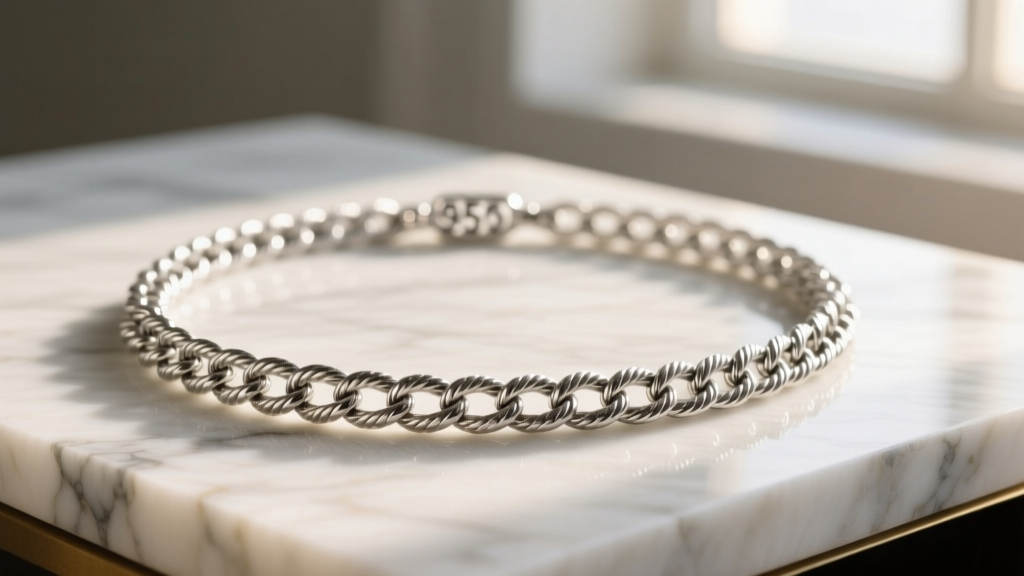
Material Comparison Matrix (2026 Market Data)
The following table synthesizes current market data, combining raw spot prices (sourced from Kitco) with average fabrication premiums for finished necklace chains.
| Material | Composition / Grade | Hardness (HV) | Avg. Price per Gram (Finished) | Best Use Case |
|---|---|---|---|---|
| Titanium | Grade 5 (Ti-6Al-4V) | ~350 | $8 - $15 | Hypoallergenic everyday wear, CNC pendants |
| 14K Yellow Gold | 58.5% Au, Ag, Cu, Zn | ~145 | $65 - $85 | Durable layering chains, heavy pendant bails |
| 18K Yellow Gold | 75% Au, Ag, Cu | ~120 | $85 - $110 | Luxury occasion wear, intricate wirework |
| Platinum | Pt950 / Ru | ~135 | $120 - $160 | Heirloom pieces, high-value diamond solitaires |
| Cobalt Chrome | ASTM F75 | ~380 | $12 - $25 | Bright white alternative to platinum, high scratch resistance |
Hardware and Failure Modes: Where Necklaces Break
A chain is only as strong as its weakest component, which is almost always the clasp or the jump ring. When investing in the trending necklaces 2025 styles, scrutinizing the hardware is non-negotiable.
The Spring Ring vs. The Lobster Clasp
Spring ring clasps are ubiquitous on lightweight chains (under 1.5mm), but their internal tension spring is highly susceptible to corrosion from skin oils and sweat. Once the spring fails, the clasp is useless. Lobster clasps offer a more robust mechanical advantage and a thicker structural body. For chains exceeding 3.0mm in thickness, a heavy-duty, solid-cast lobster clasp or a fold-over box clasp with a safety figure-eight catch is mandatory.
Open vs. Soldered Jump Rings
The jump ring connecting the clasp to the chain is a critical failure point. An open jump ring (a simple slit in the metal) will eventually pull apart under the dynamic stress of daily wear. Always inspect the connection points: high-quality manufacturers use laser-welded or soldered jump rings that form a continuous, unbroken circle.
Expert Verdict: Matching Material to Lifestyle
The ultimate choice of material depends entirely on your friction environment and maintenance tolerance. If you lead an active lifestyle, work with your hands, or have severe nickel sensitivities, Grade 5 Titanium or Cobalt Chrome offers unparalleled peace of mind with zero maintenance. For those building a curated, layered look that balances luxury with daily resilience, a 14K recycled gold rope or cable chain (1.5mm to 2.5mm gauge) remains the undisputed champion of the current market. Platinum, while commanding the highest price per gram, is the only logical choice for securing high-carat diamond pendants where prong durability and metal displacement are paramount. By understanding the metallurgy behind the marketing, you can invest in necklaces that will outlast the trends they represent.


