Is a Solid Gold Necklace Circle Pendant Worth the Cost in 2026?
Discover the true cost of a gold necklace circle pendant in 2026. We break down solid vs. plated pricing, chain durability, and how to spot hollow fakes.

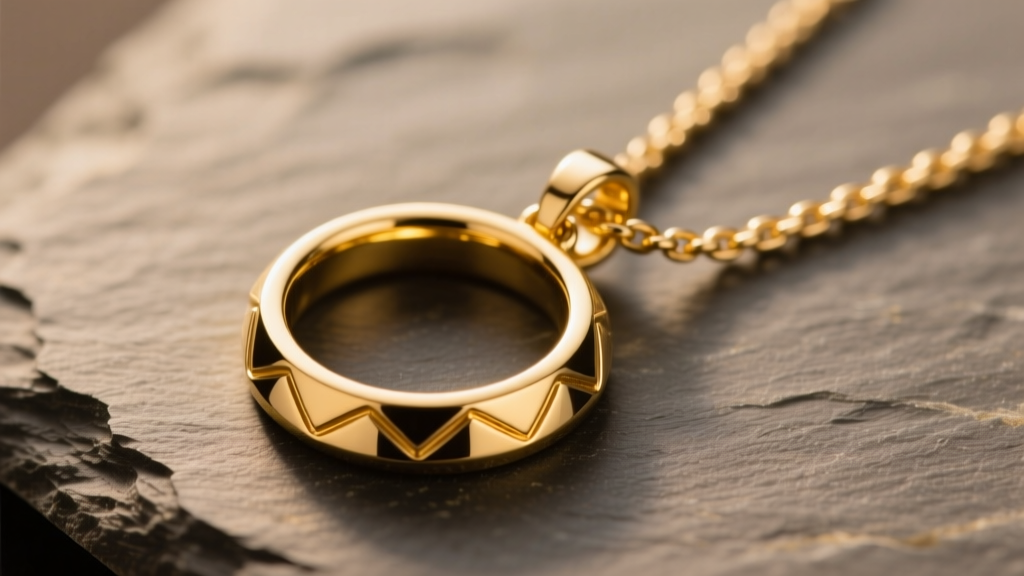
The Melt Value Math: Pricing a Gold Necklace Circle Pendant in 2026
The search for the perfect minimalist accessory often leads to a confusing maze of pricing. Why does one solid gold necklace circle pendant cost $120 while a nearly identical piece from a luxury brand commands $850? As we navigate the 2026 jewelry market, understanding the intersection of raw material costs, manufacturing techniques, and brand markup is essential for making a sound investment.
To assess true value, we must first look at the live spot price of gold. With gold prices hovering at historic highs, the baseline cost of raw materials has shifted dramatically. Let us break down the exact melt value of a standard 15mm circle pendant cast in 14k gold, weighing approximately 2.2 grams.
- Pure Gold Content: 14k gold is 58.3% pure. A 2.2-gram pendant contains roughly 1.28 grams of pure 24k gold.
- Raw Material Cost: At an estimated 2026 spot price of $75 per gram of pure gold, the melt value of the pendant alone is roughly $96.
- Chain Weight: A durable 16-inch 1.2mm box chain weighs about 3.5 grams, adding another $153 in raw gold value.
- Total Melt Value: Approximately $249.
When a reputable direct-to-consumer jeweler applies a standard 2.2x to 2.8x markup to cover casting, polishing, clasps, and overhead, a fair retail price for this exact setup lands between $550 and $690. If you see a "solid 14k" circle pendant and chain bundle selling for $180, you are likely being misled about the weight, the karat purity, or the chain's material.
Material Tiers: Solid, Vermeil, and Plated Value Comparison
Not every budget accommodates solid gold, and there is no shame in opting for alternatives—provided you know exactly what you are buying and how long it will last. The FTC Jewelry Guides strictly regulate how these terms are used, but marketing language can still obscure the reality of the base metal.
| Material Type | Base Metal | Gold Layer Thickness | Expected Lifespan | Fair 2026 Price Range |
|---|---|---|---|---|
| Solid 14k Gold | Gold Alloy | N/A (Solid throughout) | Lifetime (Generational) | $450 - $800 |
| Gold Vermeil | Sterling Silver | Minimum 2.5 microns | 2 - 5 Years (with care) | $120 - $220 |
| Gold Filled | Brass/Jewelers Metal | 5% of total weight | 5 - 10 Years | $80 - $150 |
| Gold Plated | Brass/Copper | Less than 0.5 microns | 3 - 6 Months | $35 - $75 |
Value Verdict: For a circle pendant, which is prone to friction against the skin and clothing, gold vermeil is the best budget alternative. The sterling silver base ensures that even if the gold eventually wears away on the high-friction edges of the circle, the underlying metal will not turn your skin green or trigger severe contact dermatitis.
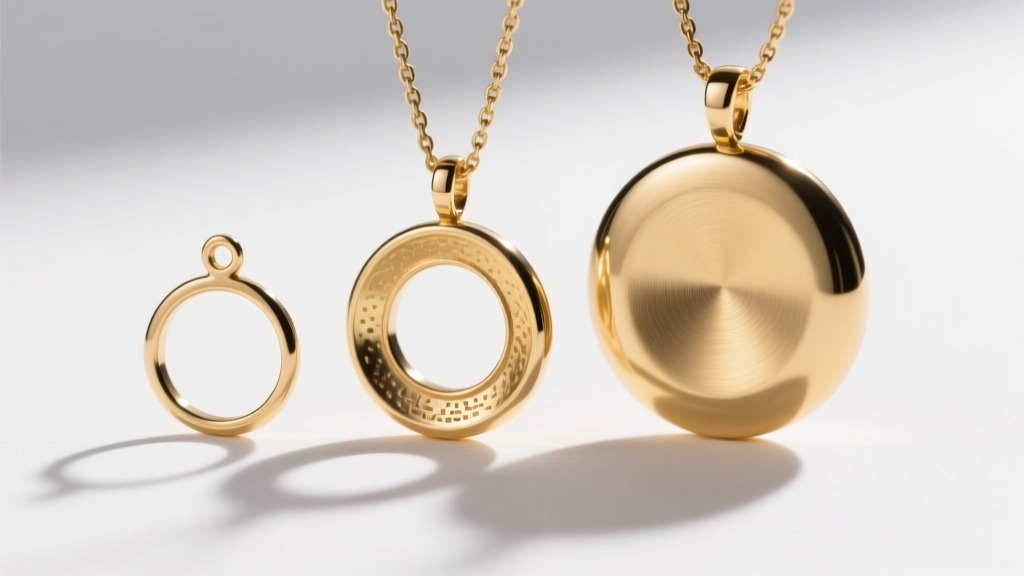
The "Hollow" Trap: Assessing Pendant Depth and Weight
One of the most common value-assessment failures occurs when buyers focus solely on the diameter of the circle while ignoring the depth and weight. A 25mm circle pendant looks substantial and bold, but its structural integrity depends entirely on how it was manufactured.
Die-Struck vs. Cast Solid
Many mass-market jewelers use electroforming or die-stamping to create large, lightweight pendants. A hollow 25mm circle pendant might weigh a mere 0.8 grams. While this keeps the price under $150, the failure mode is severe: hollow pendants are highly susceptible to denting. A simple drop onto a tile floor or accidental pressure while sleeping can permanently warp the circle, rendering it unwearable.
Conversely, a cast solid 25mm pendant with a 1.5mm depth will weigh closer to 4.5 grams. It will survive daily abuse, can be polished endlessly, and holds intrinsic scrap value. According to the GIA's educational guidelines on precious metals, the density and specific gravity of gold alloys are primary indicators of durability. Always check the listed gram weight in the product specifications before purchasing.
Chain Mechanics: Where Budget Necklaces Fail
A gold necklace circle pendant is only as valuable as the chain that secures it. The pendant itself rarely breaks; the chain snaps, or the clasp fails. When evaluating the total cost of the piece, scrutinize the chain mechanics.
- The Clasp Weak Point: Budget chains utilize spring ring clasps. These feature a tiny internal wire spring and a microscopic solder ring that frequently pops open under the weight of a solid gold pendant. Insist on a cast lobster clasp, which features a thicker, more robust internal mechanism and a wider jump ring.
- Chain Style and Thickness: A circle pendant requires a chain that resists kinking. Box chains and wheat chains distribute tension evenly. A 1.0mm cable chain is too fragile for a 3-gram solid gold pendant; upgrade to a minimum 1.2mm box or rope chain to prevent stress fractures at the jump ring.
- Jump Ring Soldering: Examine the jump ring connecting the pendant to the chain. If the seam is not laser-soldered shut, the pendant will eventually slide through the gap and be lost.
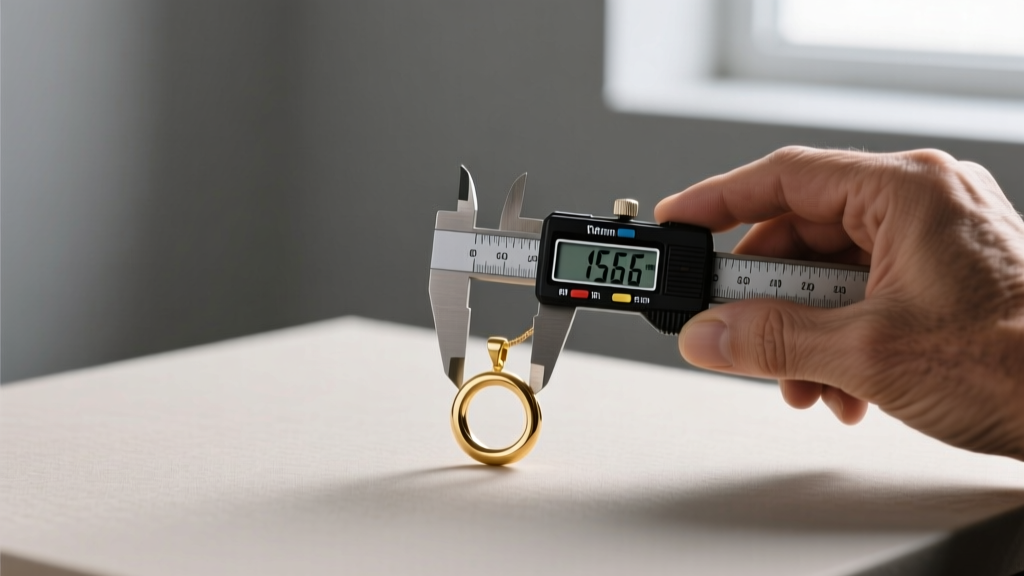
Sizing Framework: Choosing the Right Proportions
The perceived value of a gold necklace circle pendant is heavily tied to its visual proportion relative to the wearer's anatomy. Use this sizing framework to ensure your budget translates into the desired aesthetic impact:
- 10mm (Dime-Sized): Ultra-dainty. Best for layering with longer chains or wearing in a curated stack. Requires a delicate 0.8mm - 1.0mm chain. Ideal for minimalist, everyday wear.
- 15mm (Nickel-Sized): The industry standard. Offers a visible, elegant geometric shape without overwhelming the collarbone. Pairs perfectly with a 1.2mm chain. This size offers the highest resale and scrap value liquidity.
- 20mm (Quarter-Sized): Bold and modern. Makes a definitive statement. Requires a heavier 1.5mm chain to balance the visual weight. Ensure the pendant is solid cast at this size to avoid the hollow denting issue.
- 25mm+ (Statement): High-fashion and architectural. Often features textured finishes (like hammered or brushed gold) to catch the light. Due to the high gold weight required for structural integrity, expect to pay a premium for solid pieces.
Final Verdict: Maximizing Your Investment
Evaluating a gold necklace circle pendant requires looking past the polished product photography and examining the metallurgy, the gram weight, and the mechanical hardware. In 2026, with precious metal markets remaining volatile, purchasing solid 14k or 18k gold from transparent, direct-to-consumer brands offers the highest value retention. Avoid paying luxury markups for basic geometric shapes, and never compromise on the structural integrity of the chain and clasp. By calculating the melt value and demanding solid casting over hollow stamping, you ensure your minimalist pendant remains a lifelong asset rather than a disposable trend.


