Ocean Themed Necklaces: A Beginner's Guide to Marine Jewelry
Discover everything about ocean themed necklaces. Learn about marine motifs, ethical materials, chain pairings, and care tips in our beginner guide.

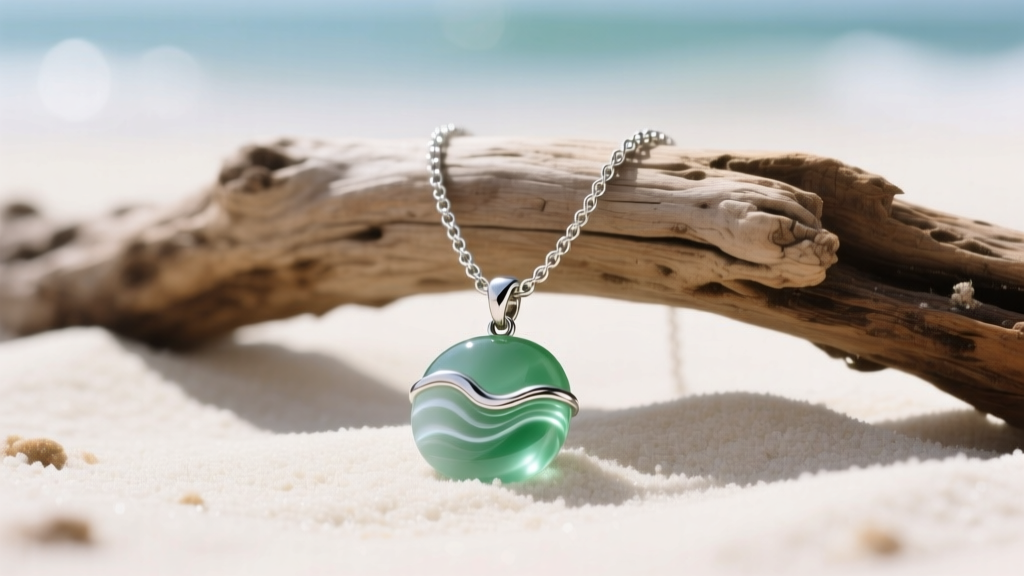
The allure of the coast has long inspired jewelry designers, resulting in pieces that capture the fluidity, mystery, and vibrant life of the sea. However, ocean themed necklaces encompass far more than the novelty seashell pendants found in tourist gift shops. For the modern jewelry collector, marine-inspired pieces represent a sophisticated intersection of organic materials, historical nautical motifs, and intricate metalwork.
Whether you are drawn to the iridescent flash of abalone, the tactile history of sea glass, or the sleek geometry of a silver wave, navigating this niche requires an understanding of material durability, ethical sourcing, and proper styling. This beginner-friendly explainer will decode the anatomy of coastal jewelry, giving you the exact specifications needed to build a lasting, high-quality collection.
Decoding Marine Motifs: Beyond the Basic Seashell
When shopping for ocean themed necklaces, you will generally encounter two distinct design categories: literal representations and abstract interpretations. Understanding the difference helps in selecting a piece that aligns with your personal style and wardrobe versatility.
Literal Motifs: Flora and Fauna
Literal designs directly replicate marine life. Common motifs include starfish, sea turtles, whales, and coral branches. While these can be beautiful, the mark of a high-quality piece lies in the anatomical accuracy and the finishing of the metal. Look for oxidized detailing in the crevices of a silver sea turtle pendant—this technique adds depth and shadow, preventing the piece from looking flat or costume-like.
Abstract Motifs: Fluidity and Navigation
Abstract ocean jewelry captures the feeling of the sea rather than its literal inhabitants. Think of undulating wave collars, fluid metal droplets that mimic water tension, or traditional nautical knots (like the Sailor's Knot or the Figure-Eight bend). Abstract pieces are inherently more versatile, transitioning seamlessly from a casual linen shirt at the beach to a structured blazer in a corporate setting.
Material Deep-Dive: What Makes Authentic Coastal Jewelry?
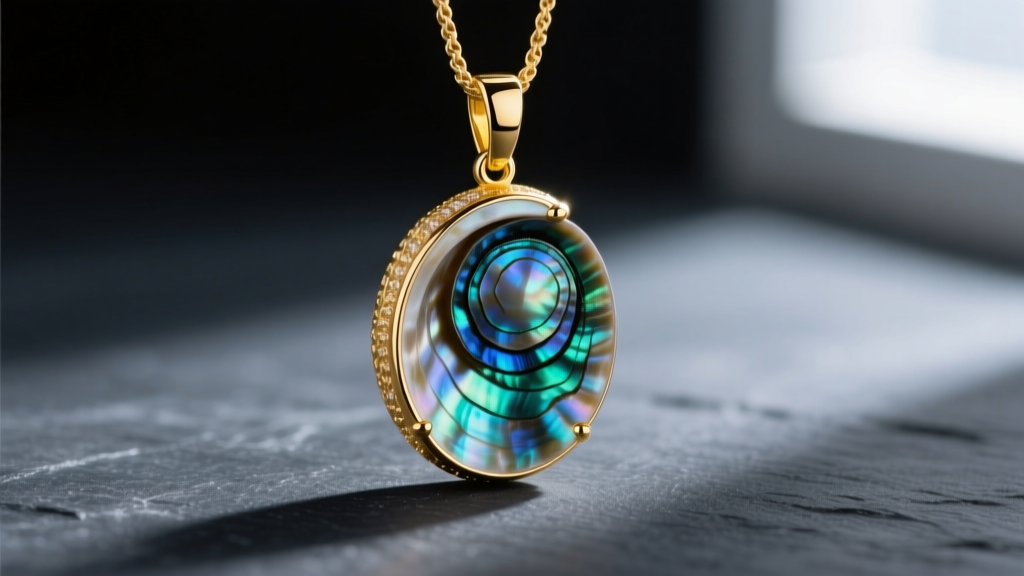
The materials used in ocean themed necklaces dictate not only their aesthetic but their longevity. Organic and ocean-derived materials require specific handling. Below is a technical breakdown of the most common marine materials.
| Material | Composition & Origin | Mohs Hardness | Water & Chemical Resistance |
|---|---|---|---|
| Sea Glass | Discarded soda-lime glass, naturally tumbled by sand and saltwater for 20-50+ years. | 5.5 - 7.0 | High. Impervious to saltwater, but can crack under hard impacts. |
| Abalone Shell | Inner nacreous layer of the Haliotis gastropod. Prized for vibrant blue/green flash. | 3.5 | Low. Highly porous; easily damaged by chlorine, acids, and ultrasonic cleaners. |
| Mother of Pearl | Iridescent inner shell layer composed of microscopic aragonite platelets. | 2.5 - 4.5 | Low. Susceptible to etching from sweat, perfumes, and harsh cosmetics. |
| Vitreous Enamel | Fused glass powder fired at high temperatures (often used for blue 'water' effects). | 6.0 - 7.0 | Medium. Water-safe, but will shatter if the metal base is bent or dropped. |
The Ethical Sourcing Imperative
Historically, jewelry makers harvested precious red and black corals to create ocean themed necklaces. Today, due to severe overharvesting and the destruction of reef ecosystems, the use of natural coral is heavily restricted and widely condemned by conservationists. According to the Coral Reef Alliance, coral reefs are under immense threat from climate change and human activity. As a responsible consumer, avoid vintage or unverified coral jewelry. Instead, look for ethical alternatives like carved Tagua nut (vegetable ivory), dyed howlite, or high-quality cold enamel that mimics the porous texture of coral without harming marine life.
Chain Selection: Anchoring Your Coastal Pendant
A pendant is only as good as the chain that holds it. For ocean themed necklaces, the chain should complement the nautical narrative. Here are the top three chain styles utilized by expert jewelers for marine pendants:
- The Mariner Chain (Anchor Chain): Characterized by oval links with a solid bar across the center. Originally designed to prevent ship anchor chains from tangling, this style is the most thematic choice for nautical pendants. Recommendation: Opt for a 1.5mm to 2.0mm gauge in sterling silver for a durable, masculine, or edgy feminine look.
- The Rope Chain: Twisted links that mimic the appearance of maritime rigging and kelp. Rope chains reflect light beautifully, mimicking the sparkle of sunlight on water. Recommendation: A 1.2mm 14k gold-filled rope chain is ideal for delicate abalone or pearl pendants.
- The Bead Chain (Ball Chain): Small metal spheres connected by short wire links. This mimics the look of deep-sea bubbles or pearl strands. Recommendation: Best used in 2.5mm+ gauges; thinner bead chains are notorious for snapping under the weight of stone or glass pendants.
Care & Maintenance: Protecting Your Pieces from Salt & Sun
There is a common misconception that ocean themed necklaces should be worn in the ocean. While stainless steel and solid gold can survive a swim, the organic materials frequently used in coastal jewelry will degrade rapidly in saltwater and chlorinated pools.
The Gemological Institute of America (GIA) emphasizes that organic gems like pearls and nacreous shells are highly sensitive to acids and dehydration. Sweat and sunscreen contain chemicals that can strip the natural luster of abalone and mother of pearl, leaving them dull and chalky over time.
The 3-Step Coastal Care Routine
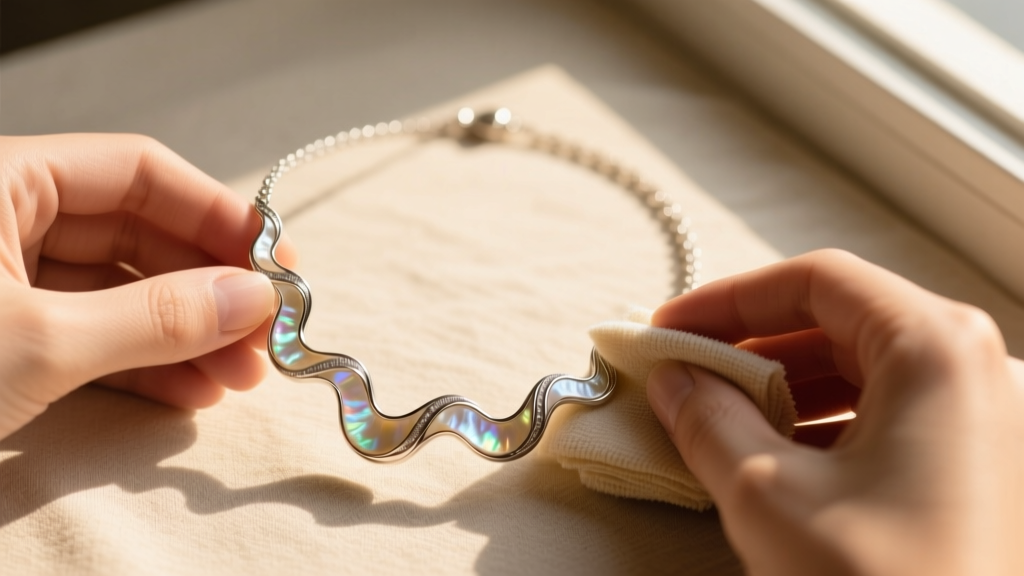
- The Wipe-Down: After wearing your necklace, gently wipe organic pendants with a damp, lint-free microfiber cloth to remove skin oils and sunscreen residue. Never use paper towels, which can cause micro-scratches on soft materials like pearls (Mohs 2.5).
- Proper Storage: Organic materials need a slight amount of moisture to prevent cracking. Store your necklaces in a soft cotton pouch rather than an airtight plastic bag. If you live in an arid climate, place a slightly damp (not wet) cotton ball in the jewelry box to maintain ambient humidity.
- Chemical Avoidance: Never use commercial silver dips or ultrasonic cleaners on ocean themed necklaces featuring sea glass, abalone, or enamel. The vibrations in ultrasonic machines will shatter sea glass and delaminate the thin layers of abalone shell from their backing.
Price Guide: What Should You Expect to Pay?
When investing in ocean themed necklaces, pricing varies wildly based on the base metal and the origin of the organic materials. Use this framework to ensure you are paying a fair market price.
Pro Tip: Always check for a '925' stamp on sterling silver or a '14k/18k' stamp on gold. If a piece claims to feature 'genuine sea glass' but is set in unmarked base metal that turns your skin green, the glass is likely mass-produced, acid-etched tumbled glass from a factory, not naturally ocean-tumbled.
Tier 1: Fashion & Costume ($30 - $80)
At this price point, expect brass or copper bases with gold or silver plating (usually less than 0.5 microns thick). Pendants will feature cold enamel (epoxy resin) rather than vitreous enamel, and 'sea glass' will be factory-tumbled. These pieces are fun for seasonal wear but will tarnish quickly when exposed to summer humidity and sweat.
Tier 2: Demi-Fine & Artisan ($90 - $300)
This is the sweet spot for quality ocean themed necklaces. You will find solid sterling silver or heavy gold vermeil (minimum 2.5 microns of gold over silver). Artisans in this tier often use genuine, hand-collected sea glass, ethically sourced freshwater pearls, and high-quality carved bone or Tagua nut. Chains will feature secure lobster clasps and sturdy soldered jump rings.
Tier 3: Fine Jewelry ($800 - $3,000+)
Fine coastal jewelry utilizes solid 14k or 18k gold, platinum, and genuine natural saltwater pearls or rare conch pearls. Designers in this space use abstract, sculptural wave motifs and pave-set diamonds to mimic the sparkle of sea foam. These pieces are heirloom-quality and can be worn daily without fear of the base metal degrading.
Final Thoughts on Building Your Collection
Ocean themed necklaces offer a unique way to carry a piece of the natural world with you. By prioritizing ethical materials, understanding the structural integrity of your chain, and committing to the proper care of organic gems, you can curate a collection that is as enduring as the tides themselves. Start with a versatile demi-fine mariner chain and a single, high-quality abstract wave or sea glass pendant, and build your coastal wardrobe from there.


