Expert Care Guide: Cleaning a Pink Rhinestone Necklace
Learn how to safely clean and store your pink rhinestone necklace. Discover expert tips to protect foil backings, prevent clouding, and maintain brilliance.

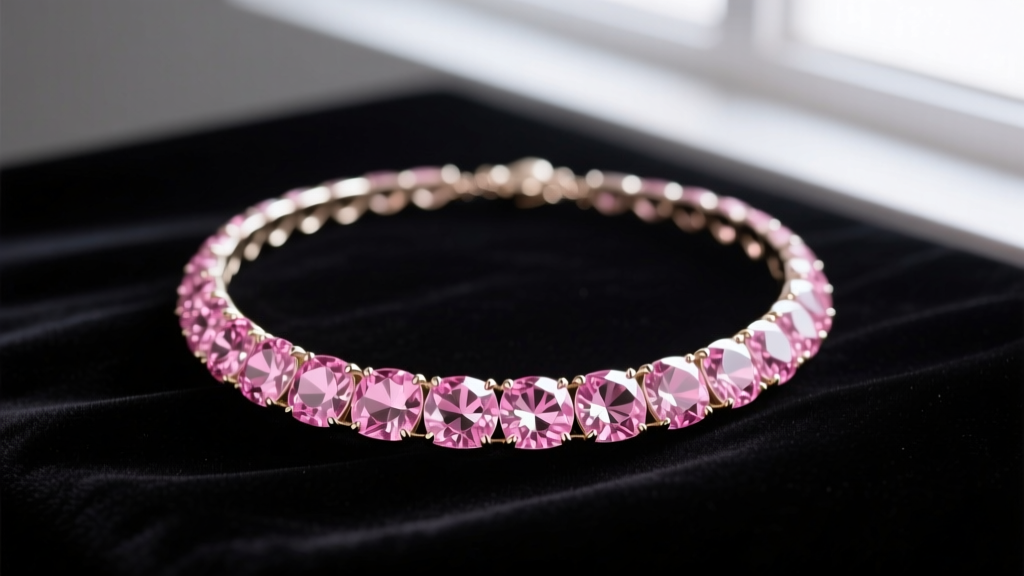
The Anatomy of a Pink Rhinestone Necklace: Why Care is Different
A pink rhinestone necklace is a statement piece that bridges vintage glamour and modern trend-driven styling. However, maintaining the fiery brilliance of these stones requires a fundamentally different approach than caring for solid gemstones or precious metals. To properly care for your jewelry, you must first understand its anatomy. High-quality rhinestones—such as those produced by Swarovski (now Advanced Crystal) or Preciosa—are typically made of lead-free crystal glass. The 'pink' color is rarely mass-colored throughout the glass; instead, it is usually achieved through a specialized metallic foil backing or a chemical vapor deposition (CVD) coating applied to the pavilion (the bottom facets) of the stone.
This foil backing is the secret to the stone's refractive fire, but it is also the piece's greatest vulnerability. Moisture, harsh chemicals, and extreme heat can cause this microscopic layer to oxidize, peel, or delaminate. Once the foil backing is compromised, the stone will appear cloudy, gray, or completely clear, permanently destroying the necklace's aesthetic and monetary value. Understanding this delicate construction is the first step in mastering the long-term preservation of your jewelry.
The Forbidden Cleaners: What Destroys Rhinestone Foil
Many well-intentioned jewelry owners accidentally ruin their pieces by applying standard gemstone cleaning protocols to rhinestones. According to conservation guidelines from the Canadian Conservation Institute, composite and backed jewelry requires strict environmental and chemical controls. Avoid the following at all costs:
- Ultrasonic Cleaners: The high-frequency cavitation bubbles created by ultrasonic machines will violently strip the delicate foil backing from the glass and shatter the adhesive bonds holding the stones in their settings.
- Ammonia and Glass Cleaners: Products like Windex contain ammonia, which will instantly eat through metallic foils and degrade the reflective CVD coatings on modern crystals.
- Isopropyl Alcohol: While alcohol is safe for diamonds, it will dissolve the cyanoacrylate (super glue) often used in costume jewelry settings. Furthermore, if your pink stones are acrylic rather than glass, alcohol will cause severe micro-crazing and permanent clouding.
- Commercial Silver Dips: Liquid tarnish removers will seep under the prongs and permanently stain the porous edges of the rhinestone foil.
Step-by-Step Wet Cleaning Protocol for Glass Rhinestones
When your pink rhinestone necklace loses its sparkle due to body oils, lotion, and environmental dust, a gentle wet cleaning is necessary. The Gemological Institute of America (GIA) emphasizes that gentle mechanical action is always preferred over harsh chemical soaking. Follow this exact protocol to restore brilliance without risking the foil:
- Prepare the Solution: Mix one cup of distilled water (never tap water, as mineral deposits will leave permanent water spots on the glass) with a single drop of mild, phosphate-free dish soap, such as original Dawn.
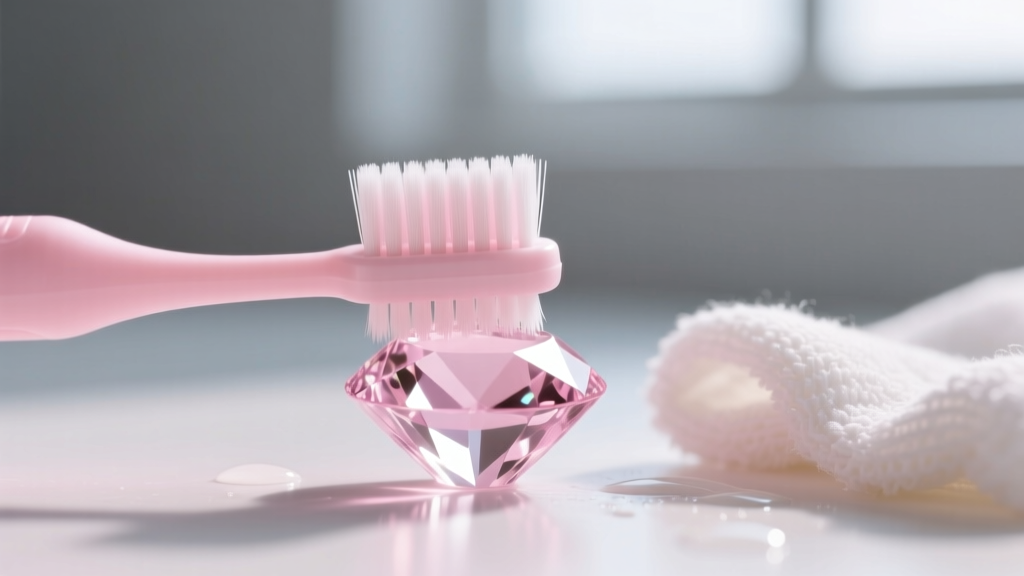
- Dampen, Do Not Soak: Dip a soft baby toothbrush or a specialized jewelry cleaning brush into the solution, then blot the bristles on a paper towel. The brush should be damp, not dripping. Submerging the necklace is the fastest way to trap water behind the stone.
- Agitate Gently: Brush the crown (top facets) and the table (flat top) of each pink rhinestone using small circular motions. Avoid pressing hard on the prongs, as repeated stress can cause metal fatigue and stone loss.
- Wipe the Setting: Use a barely damp microfiber cloth to wipe down the metal chain and bezel settings. Do not let moisture pool in the crevices where the metal meets the stone.
- Dry Face-Down: Lay the necklace flat on a dry microfiber towel, face-down. This allows gravity to pull any microscopic moisture away from the foil backing and out through the open culet or setting gaps. Allow it to air dry for 24 hours in a low-humidity room.
Acrylic vs. Glass: Adjusting Your Maintenance Strategy
Not all pink rhinestone necklaces are created equal. Fast fashion and contemporary clubwear often utilize acrylic or resin rhinestones to reduce weight and cost. You must identify your stone material before applying any friction or cleaning agents.
| Property | Glass / Crystal Rhinestones | Acrylic / Resin Rhinestones |
|---|---|---|
| Mohs Hardness | 6.0 - 7.0 (Highly scratch-resistant) | 2.0 - 3.0 (Easily scratched by dust) |
| Solvent Resistance | Resists mild soaps; vulnerable to harsh alkalis | Dissolves or clouds in alcohol and acetone |
| Heat Tolerance | High (but thermal shock can crack glass) | Low (warps and melts under hot water) |
| Recommended Tool | Soft-bristle baby toothbrush | Lint-free microfiber cloth only (no brushing) |
Adhesive Failure and Stone Loss: Troubleshooting
Because rhinestone necklaces rely heavily on adhesives to secure the stones within their bezels or pavé settings, stone loss is a common failure mode. If a pink rhinestone falls out, your choice of replacement glue is critical. Never use standard cyanoacrylate (Super Glue or Krazy Glue). As cyanoacrylate cures, it releases fumes that react with ambient moisture, creating a white, frosty residue known as 'blooming.' This bloom will permanently coat the inside of your pink rhinestone, ruining its transparency and color.
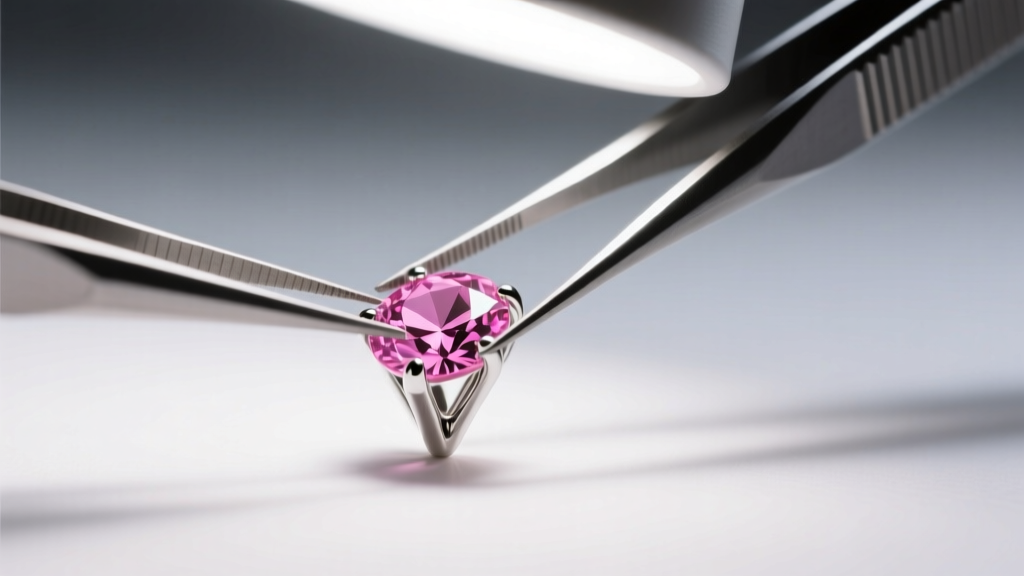
Instead, use a flexible, non-blooming jeweler's adhesive. Beacon Gem-Tac is a water-based, non-toxic adhesive specifically formulated for porous and non-porous jewelry materials; it dries clear and remains slightly flexible, absorbing the shock of daily wear. For heavy, oversized statement stones, a two-part clear jeweler's epoxy provides a stronger, permanent bond. Apply the adhesive using a dental pick or a fine-gauge syringe to ensure no glue seeps over the girdle (the widest edge) of the stone and onto the visible top facets.
Handling Tarnish on the Base Metal
The metal settings holding your pink rhinestones are often brass, pewter, or sterling silver plated with rhodium or gold. When the plating wears thin, the base metal oxidizes and turns black. Removing this tarnish without damaging the adjacent rhinestones requires precision. Use a treated polishing cloth, such as a Sunshine Cloth, which contains embedded micro-abrasives and anti-tarnish chemicals. Fold the cloth into a tight point and carefully rub only the exposed metal channels. Never drag the polishing cloth across the surface of the rhinestones, as the micro-abrasives will scratch acrylic stones and dull the polish on glass crystals over time.
Long-Term Storage: Preventing Color Shift and Foil Degradation
Proper storage is just as vital as proper cleaning. The foil backings on pink rhinestones are highly susceptible to atmospheric humidity and sulfur compounds in the air. To ensure your necklace remains pristine for decades, implement the following storage framework:
- Humidity Control: Store the necklace in an airtight polyethylene ziplock bag with a small packet of indicating silica gel. The goal is to maintain a relative humidity (RH) between 45% and 55%. If the silica gel beads turn pink or clear, bake them in an oven at 250°F to reactivate them.
- Sulfur Neutralization: Include a 3M anti-tarnish strip inside the storage bag. These strips absorb airborne sulfides that cause the metal settings and the metallic foil backing to blacken.
- UV Protection: If your pink rhinestones are mass-colored acrylic or resin, prolonged exposure to ultraviolet light will cause the pink dye to photodegrade, shifting the color to a sickly yellow or clear. Always store the necklace in a dark drawer or an opaque jewelry box, never on an open vanity table exposed to direct sunlight.
By respecting the delicate chemistry of the foil backing, avoiding destructive cleaning shortcuts, and controlling the storage environment, your pink rhinestone necklace will retain its vibrant color and refractive fire for a lifetime of wear.


