Rollo Chain vs Box Necklace: Which Stronger for Pendant Gifts?
Gifting a pendant? Discover the truth in our rollo chain vs box necklace strength comparison to choose the most durable, occasion-perfect chain.

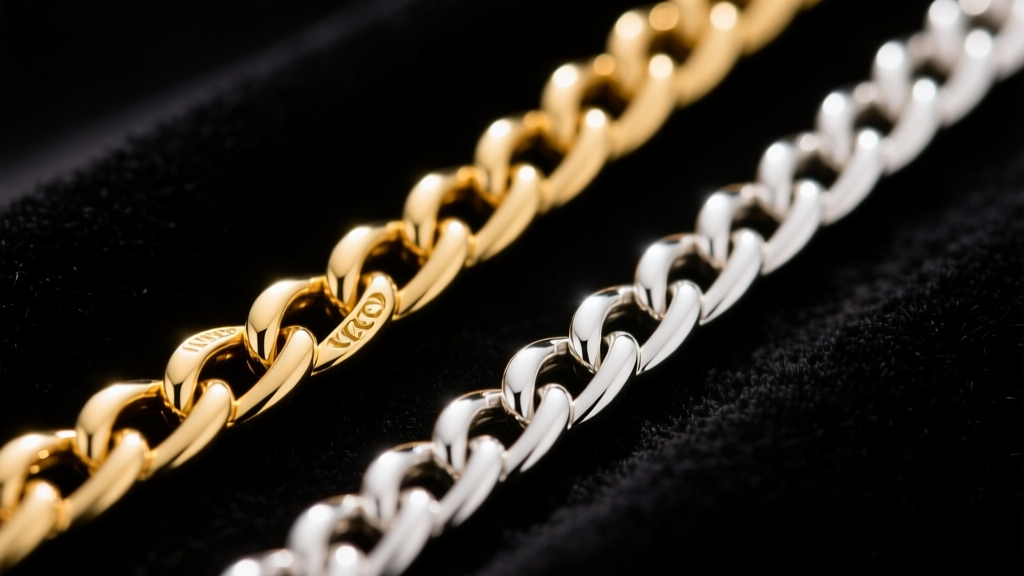
When selecting a necklace as a gift, the pendant often steals the spotlight. However, the chain is the unsung hero that dictates the piece's longevity, comfort, and overall security. If you are gifting a heavy locket, a diamond cross, or a sentimental medallion, you have likely found yourself asking the ultimate durability question: rollo chain vs box necklace which stronger? The answer is not a simple one-size-fits-all. It requires a deep understanding of metallurgical hardness, link geometry, and tensile stress distribution.
As a jewelry style guide, we break down the structural engineering of these two iconic chains to help you match the perfect necklace to your specific gifting occasion, ensuring your present survives daily wear and tear.
The Anatomy of Durability: Link Structure and Failure Modes
To understand which chain will hold up to the weight of a gifted pendant, we must examine how each chain is manufactured and where its inherent structural weaknesses lie.
Rollo Chain Mechanics
The rollo chain (often referred to as a cable chain) is the oldest and most traditional chain design. It features uniform round or oval links that interlock one by one. Its strength relies entirely on the integrity of each individual closed loop.
- Tensile Strength: High vertical tensile strength, provided the links are fully soldered.
- Common Failure Mode: The primary point of failure is the jump ring connecting the clasp, or unsoldered links pulling apart under lateral (side-to-side) stress.
- Repairability: Excellent. A skilled jeweler can easily re-close and laser-solder a pulled link without leaving a visible scar.
Box Chain Mechanics
Box chains are constructed from flat, square-folded links that interlock at right angles, creating a smooth, continuous, and geometrically rigid tube. This interlocking geometry distributes weight across multiple adjacent links rather than relying on a single connection point.
- Tensile Strength: Exceptional resistance to lateral pulling and kinking. The square geometry prevents the chain from folding back on itself sharply.
- Common Failure Mode: Corner stress. If a box chain is yanked violently, the links can crush inward or snap at the folded corners. Furthermore, thin box chains (under 0.9mm) can snag on hair or fabric, causing micro-tears in the metal.
- Repairability: Poor. Because of the complex folded geometry, standard torch soldering often leaves a stiff, visible hinge. Jewelers usually have to replace an entire section of the chain.
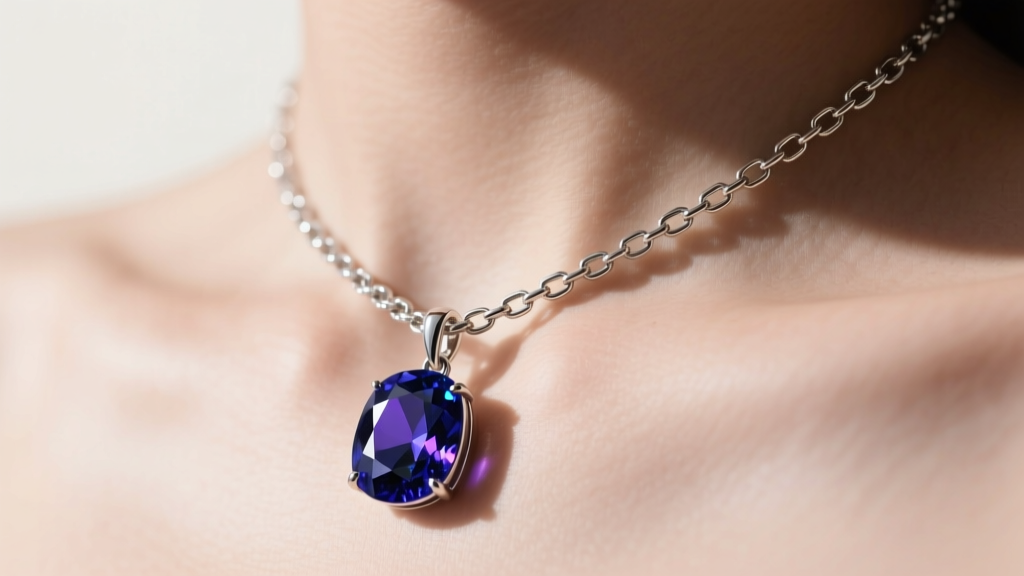
Occasion Matching: Which Chain Suits Your Gift?
The context of your gift dictates the necessary durability. A chain meant for a child's christening has vastly different requirements than an anniversary pendant meant for occasional evening wear.
1. Christenings and Children's Gifts
For children, safety and snag-resistance are paramount. Box chains are generally the superior choice here, provided they are at least 1.2mm thick. The smooth, flat surface of a box chain glides over skin and clothing without catching, and the interlocking links are incredibly difficult for small hands to pull apart. Avoid thin rollo chains for kids, as the protruding round loops can easily catch on sweaters or blankets, leading to sudden snapping.
2. Heavy Lockets and Religious Medals
If you are gifting a solid gold locket or a heavy stone pendant (weighing over 8 grams), the box chain wins the strength debate. The geometric distribution of a box chain prevents the 'bottlenecking' effect, where the weight of a heavy pendant pulls the links immediately adjacent to the jump ring out of shape. A 1.5mm to 2.0mm 14k gold box chain will support a heavy medallion indefinitely without stretching.
3. Delicate Anniversary Pendants
For lightweight diamond solitaires or minimalist initials (under 3 grams), a delicate rollo chain (0.8mm - 1.0mm) is the most elegant choice. The round links catch the light beautifully, mimicking the sparkle of the pendant. According to the Gemological Institute of America (GIA), matching the visual weight of the chain to the pendant is crucial for aesthetic harmony, making the slender rollo chain ideal for fine, lightweight gifts.
Material Grades and Gauge Thickness: The Real Deciding Factors
The debate of rollo chain vs box necklace which stronger is ultimately settled by the metal's Vickers hardness and the wire gauge (thickness). A 2.0mm sterling silver rollo chain will easily outperform a 0.5mm 18k gold box chain. When shopping, use this data table to match the gauge to your pendant's weight.
| Chain Thickness (mm) | Recommended Chain Type | Max Pendant Weight | Best Gifting Occasion |
|---|---|---|---|
| 0.8mm - 1.0mm | Rollo (Soldered) | 1g - 4g | Lightweight diamond solitaires, subtle everyday wear |
| 1.2mm - 1.5mm | Box or Rollo | 5g - 10g | Medium gemstone pendants, children's jewelry |
| 1.8mm - 2.5mm | Box | 11g - 20g | Heavy gold lockets, large religious medals |
| 3.0mm+ | Box or Heavy Rollo | 20g+ | Statement pieces, heavy gemstone crosses |
Furthermore, consider the metal alloy. 14k gold is significantly harder and more resistant to stretching than 18k gold due to its higher percentage of alloy metals like copper and zinc. For a gift meant for rigorous daily wear, a 14k gold box chain offers the best intersection of luxury and structural integrity. For an in-depth look at how alloy compositions affect chain durability, jewelry educators at With Clarity recommend prioritizing 14k or platinum for heavy, active-wear pendants.
The Jump Ring: The Hidden Weakness
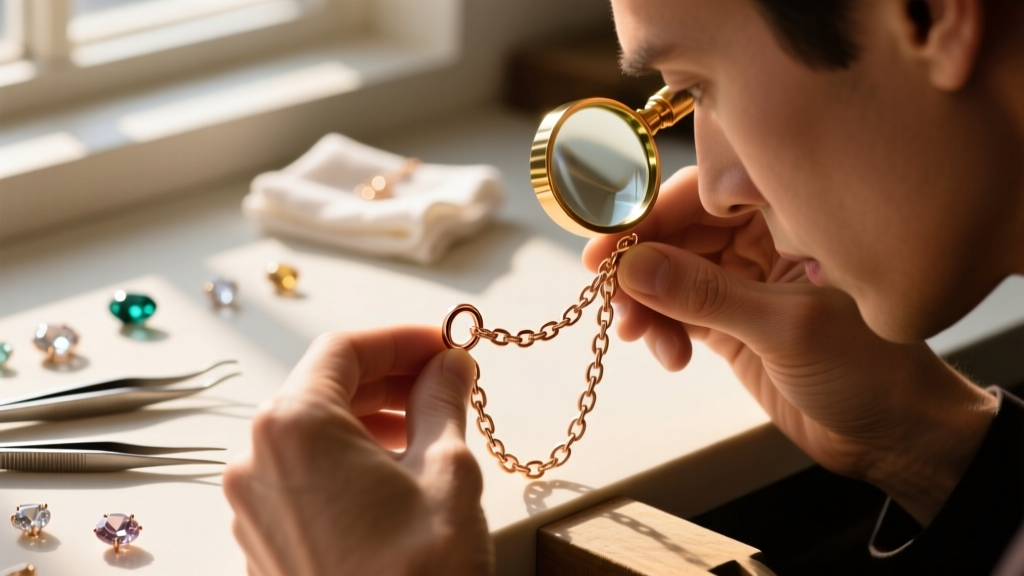
Regardless of whether you choose a rollo or a box chain, the weakest point of any necklace is the jump ring that connects the chain to the pendant and the clasp. When gifting a heavy pendant, always inspect the jump ring. It must be soldered closed. A split jump ring (one that is merely pushed together) will inevitably be pulled open by the pendulum motion of a heavy pendant resting against the chest. If you are purchasing a high-end gift, request that the jeweler laser-weld the jump rings shut before wrapping the box.
Final Verdict for the Jewelry Gifter
So, in the matchup of rollo chain vs box necklace which stronger? The box chain is structurally stronger for heavy pendants, lateral stress, and active daily wear due to its interlocking, kink-resistant geometry. However, the rollo chain remains the superior choice for lightweight, delicate pendants where light reflection and easy, invisible repairs are prioritized.
By matching the chain's gauge, link structure, and metal hardness to the specific weight of your pendant and the lifestyle of your recipient, you ensure that your thoughtful gift remains a secure, cherished staple in their jewelry collection for decades to come.


