What Is a Scapular Necklace? How to Choose, Wear, and Care
Discover what is a scapular necklace, its devotional meaning, and follow our step-by-step guide to choosing, styling, and caring for your sacred jewelry.

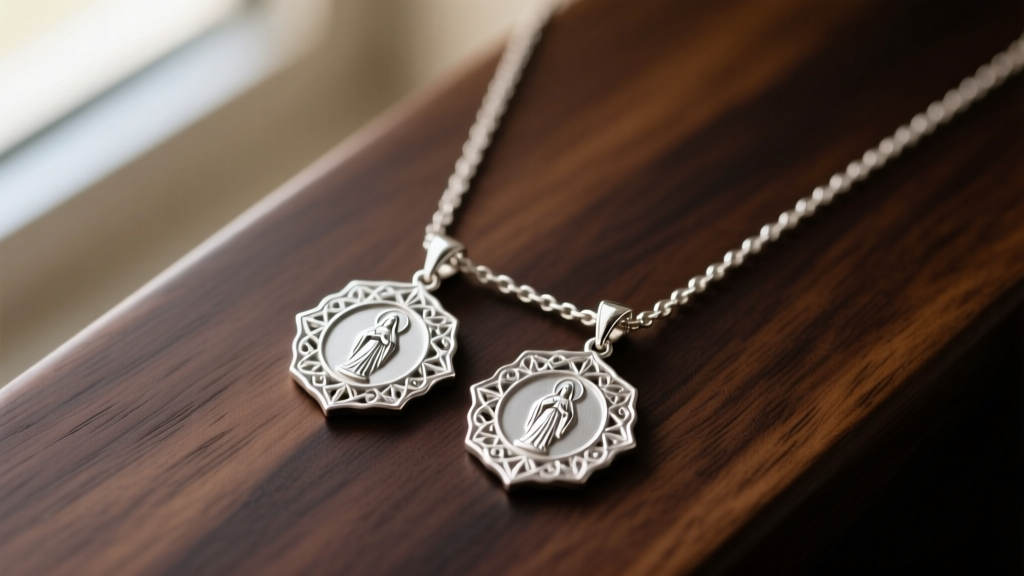
When exploring devotional jewelry, one of the most common questions we receive at Jewel Style Radar is: what is a scapular necklace? Unlike standard fashion pendants, a scapular necklace is a profound sacramental in the Catholic tradition, adapted into a durable, wearable format. Whether you are seeking a meaningful religious gift, looking to replace a traditional cloth scapular, or simply want to understand the significance of this unique two-medal design, this comprehensive guide will walk you through everything you need to know.
In this step-by-step guide, we will break down the history, material grades, chain weaves, sizing metrics, and precise care routines required to maintain a scapular necklace for a lifetime of daily wear.
Understanding the Devotion: What Is a Scapular Necklace?
To answer the question of what is a scapular necklace, we must first look at its origins. The traditional scapular consists of two small pieces of cloth connected by ribbons, worn over the shoulders. However, in 1910, Pope St. Pius X granted permission for the faithful to substitute the cloth scapular with a scapular medal. This medal features an image of the Sacred Heart of Jesus on one side and the Virgin Mary (usually Our Lady of Mount Carmel) on the other.
A scapular necklace takes this approved medal and mounts it on a metal chain, or utilizes two separate smaller medals connected by a chain to rest on the chest and back, mimicking the drape of the traditional cloth garment. According to the Catholic Encyclopedia, the scapular medal must be blessed by a priest who has the proper faculties, and it serves as a constant physical reminder of one's faith and devotion.
Step 1: Selecting the Ideal Metal and Chain Weave
Because a scapular necklace is designed for continuous, 24/7 wear—including during sleep and bathing—material durability is paramount. Choosing the wrong metal can lead to rapid tarnishing, skin irritation, or chain breakage.
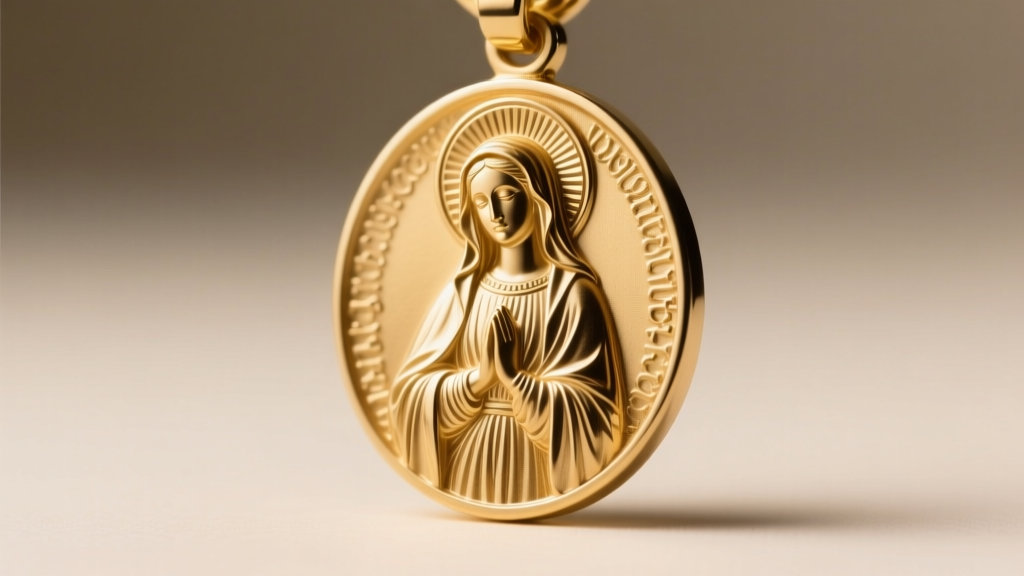
Comparing Scapular Necklace Materials
| Material Grade | Durability & Tarnish Resistance | Average Price Range | Best For |
|---|---|---|---|
| 316L Surgical Stainless Steel | Extremely high; waterproof, hypoallergenic, zero tarnish. | $25 - $60 | Active lifestyles, budget-conscious buyers, shower/swim wear. |
| 925 Sterling Silver (Rhodium Plated) | Moderate; rhodium prevents initial tarnish, but wears off over 1-2 years. | $75 - $150 | Traditionalists who prefer the bright white luster of silver. |
| 14k Solid Yellow or White Gold | Very high; will not tarnish, highly resistant to corrosion from sweat. | $350 - $800+ | Heirloom gifts, sensitive skin, lifelong daily wear. |
| Gold Vermeil (Silver base, 2.5µm gold) | Low for 24/7 wear; the gold layer will wear off with constant friction. | $80 - $130 | Occasional wear only (not recommended for true scapular use). |
Choosing the Right Chain Weave
The chain must be strong enough to withstand the tension of sleeping and moving, yet delicate enough to remain discreet. Avoid fragile weaves like snake chains or herringbone, which kink and snap easily. Instead, opt for:
- Box Chain (1.0mm - 1.2mm): Interlocking square links that lay flat and resist kinking. Highly recommended for 24/7 wear.
- Rolo Chain (1.2mm - 1.5mm): Uniform round links that offer excellent tensile strength and a classic, traditional aesthetic.
- Cable Chain (1.0mm): Simple oval links. Ensure the links are soldered (closed) rather than open, to prevent the chain from pulling apart if snagged.
Step 2: Sizing and Proportioning Your Scapular
Proper sizing ensures the necklace remains comfortable and functions as intended. The standard configuration for a scapular necklace involves a single chain with a pendant that rests on the chest, or a longer chain where the medal rests near the heart.
Determining Chain Length
- 18 Inches: Rests at the collarbone. Best for smaller medals (10mm - 12mm) and for wearing under button-down shirts or blouses.
- 20 Inches: The universal standard. Rests just below the collarbone, allowing the medal to sit comfortably on the upper chest without choking the wearer during sleep.
- 24 Inches: Rests on the sternum. Ideal for men with larger neck circumferences or for wearing over t-shirts and sweaters.
Medal Dimensions
For a balanced look, the medal diameter should correlate with the chain thickness and the wearer's frame. A 14mm to 16mm medal is the sweet spot for most adults, providing enough surface area for detailed high-relief engraving of the Sacred Heart and the Virgin Mary without feeling heavy or bulky against the skin.
Step 3: Styling and Layering Techniques
While a scapular necklace is primarily a devotional item, it can be integrated seamlessly into your everyday jewelry rotation. Because of its deeply personal nature, it is usually worn closest to the skin, beneath secular fashion necklaces.
The Layering Hierarchy
- Base Layer (The Scapular): Wear your 20-inch scapular necklace on its own, directly against the skin. If you use a traditional two-piece cloth scapular alongside a medal necklace, keep the medal on a slightly shorter chain (18 inches) to prevent the metal from tangling with the cloth ribbons.
- Secondary Layer (22-24 inches): Add a simple, secular pendant like a small gold bar, a minimalist diamond solitaire, or a subtle initial pendant. Ensure this chain is at least 2 inches longer than your scapular to prevent the clasps from scratching the scapular medal.
- Outer Layer (26-30 inches): For a modern, stacked look, finish with a thicker chain (like a 3mm Cuban link or paperclip chain) that rests on the outside of your clothing.
Step 4: A Monthly Cleaning and Care Protocol
Because scapular necklaces are exposed to sweat, body oils, and soap residue from daily showers, a strict maintenance routine is required to preserve the intricate engravings on the medals. The Gemological Institute of America (GIA) emphasizes that regular, gentle cleaning is vastly superior to aggressive, infrequent polishing.
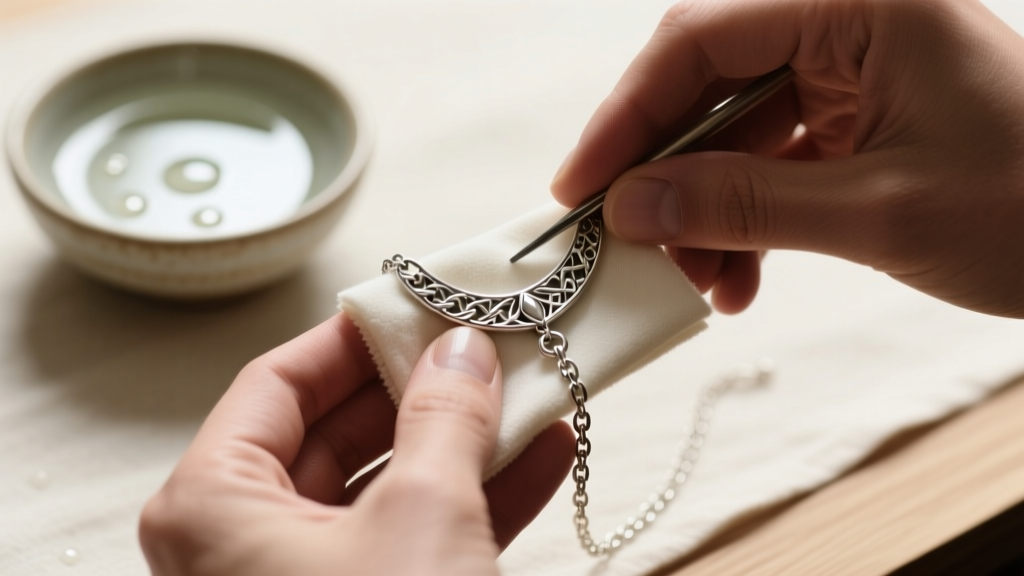
The 5-Minute Monthly Cleanse
- Prepare the Solution: Mix three drops of mild, phosphate-free dish soap (like Dawn) into a bowl of lukewarm water. Avoid hot water, which can weaken the solder points on delicate box chains.
- Soak: Submerge the scapular necklace for exactly 3 to 5 minutes. This loosens sebum and dead skin cells trapped in the chain links.
- Agitate Gently: Use a baby-soft toothbrush (never a medium or hard bristle brush, which will scratch 14k gold and silver) to lightly brush the front and back of the medals, paying special attention to the bail where the chain connects.
- Rinse and Dry: Rinse thoroughly under lukewarm running water. Pat dry with a lint-free microfiber cloth. Do not air dry, as water spots can etch into sterling silver over time.
Expert Warning: Never place a scapular necklace in an ultrasonic jewelry cleaner. The high-frequency vibrations can easily snap the delicate jump rings connecting the medal to the chain, especially on 1.0mm rolo and cable weaves.
Frequently Asked Questions
Can I wear my scapular necklace in the shower or pool?
If your necklace is made of 316L stainless steel or solid 14k/18k gold, yes. However, if it is made of 925 sterling silver, you should remove it before swimming in chlorinated pools or hot tubs, as chlorine will rapidly oxidize and blacken the silver. Showering with sterling silver is generally fine, provided you rinse off all soap residue afterward.
Does a scapular necklace need to be blessed?
Yes. For the necklace to function as a true sacramental and carry the spiritual indulgences associated with the Brown Scapular devotion, it must be blessed by a Catholic priest or deacon. Furthermore, the first scapular (whether cloth or medal) must be formally invested by a priest.
What happens if the chain breaks?
If the chain breaks, the devotional object itself is not "desecrated." Simply take it to a local jeweler to have the jump ring or link soldered back together. If the medal itself is severely damaged or worn smooth over decades of use, it should be respectfully disposed of by burying it in the earth or returning it to a parish for proper sacramental disposal, and a new blessed medal should be acquired.
Understanding what is a scapular necklace goes beyond mere jewelry aesthetics; it is about honoring a centuries-old tradition through a durable, beautifully crafted medium. By selecting the right metal, choosing a robust chain weave, and adhering to a gentle cleaning protocol, your scapular necklace will serve as a lasting, elegant testament to your faith.


