How to Prevent a Green Neck From Necklace Chains: Expert Guide
Discover the metallurgical causes of a green neck from necklace chains. Learn about alloy compositions, plating microns, and hypoallergenic alternatives.

The Chemistry of Skin Discoloration: Oxidation vs. Allergy
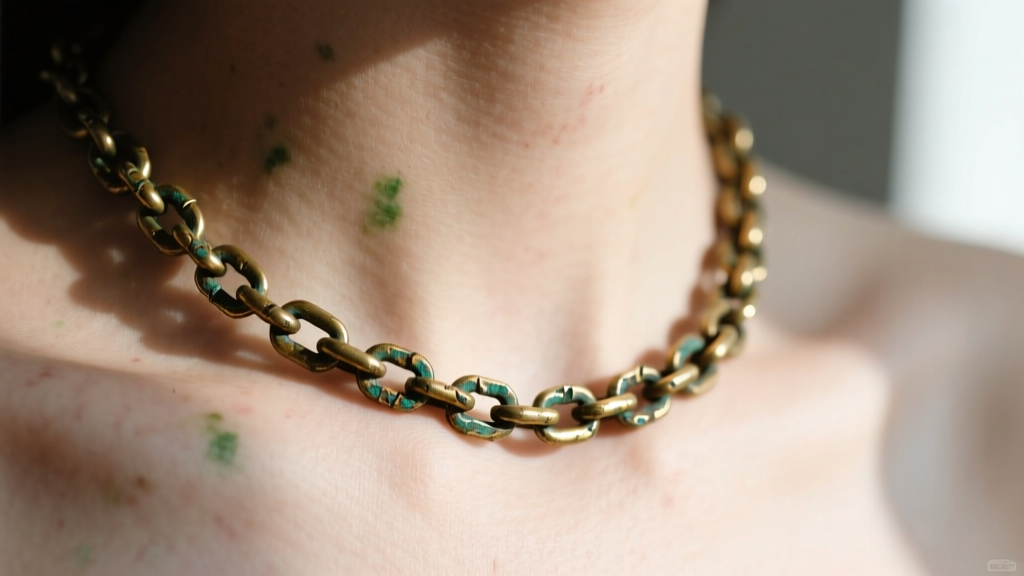
If you have ever experienced a green neck from necklace chains, you are likely dealing with a basic electrochemical reaction rather than a toxic metal poisoning. The phenomenon of a green neck from necklace alloys is primarily driven by the oxidation of copper. When copper is exposed to oxygen, moisture, and the natural acids found in human sweat, it undergoes a chemical transformation. The resulting compounds—most commonly copper carbonate (Cu2CO3(OH)2) and copper chloride (CuCl2)—are green or blue-green salts that easily transfer to the epidermis.
It is crucial to differentiate between this harmless oxidation stain and a true metal allergy. Copper oxidation leaves a smooth, greenish-black smudge that washes off with soap and water. In contrast, an allergic reaction to nickel or cobalt (often present in cheap alloys) presents as contact dermatitis. According to the American Academy of Dermatology, nickel allergies cause erythema (redness), pruritus (itching), and sometimes vesicular rashes. If your skin is red and itchy, you are dealing with an immune response; if it is simply green, you are dealing with metallurgical oxidation.
Metallurgical Breakdown: Which Alloys Cause the Stain?
To understand why certain jewelry causes staining, we must examine the base metals used in mass-market and even some mid-tier jewelry manufacturing. Pure gold and pure platinum are highly inert and will not oxidize under normal environmental conditions. However, because pure gold (24k) is too soft for durable chain links, it is alloyed with other metals. The real culprits behind the green stain are copper-heavy base metals used in fashion jewelry or as cores for plated pieces.
| Alloy Designation | Composition | Oxidation Risk | Common Jewelry Application |
|---|---|---|---|
| Brass (C26000) | 70% Copper, 30% Zinc | Extreme | Fast-fashion pendants, cast charms |
| Bronze (C90700) | 89% Copper, 11% Tin | High | Artisan cast pieces, vintage reproductions |
| Nickel Silver | Copper, Nickel, Zinc (0% Silver) | Extreme | Cheap lobster clasps, jump rings, findings |
| Sterling Silver (925) | 92.5% Silver, 7.5% Copper | Moderate | Mid-tier chains, unrhodium-plated rings |
| 10k Yellow Gold | 41.7% Gold, 58.3% Cu/Ag/Zn | Low-Moderate | Budget solid gold chains |
Notice that Sterling Silver (925) contains 7.5% copper. While high-quality sterling silver chains rarely cause a green neck from necklace wear, lower-quality sterling chains that are highly polished and lack a rhodium flash can oxidize in high-humidity environments, leaving a faint gray-green mark on the skin.
Electroplating Failures and Micron Thickness
Many consumers believe they are buying a safe metal when they purchase "gold-plated" or "silver-plated" jewelry, only to develop a green stain a few weeks later. This occurs when the electroplating layer wears through, exposing the reactive brass or copper core beneath. The longevity of a plated necklace is entirely dependent on the thickness of the plating, measured in microns (µm).
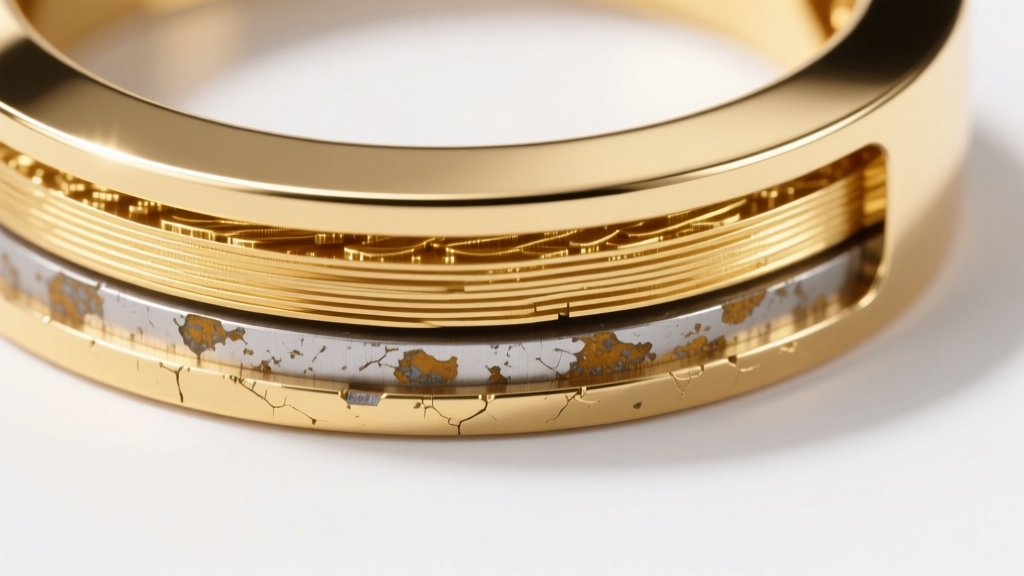
According to the Federal Trade Commission Jewelry Guides, the terminology used in jewelry marketing is strictly tied to micron thickness:
- Gold Flashed / Washed: Less than 0.175 microns. This is essentially a microscopic rinse of gold that will wear off within days of friction against the skin, guaranteeing a green stain.
- Gold Plated: At least 0.5 microns of gold. Suitable for earrings or pendants that experience low friction, but will quickly fail on a necklace chain that constantly rubs against the collarbone.
- Heavy Gold Plated: At least 2.5 microns of gold. This provides a durable barrier that can last years before the base metal is exposed.
Furthermore, the Gemological Institute of America (GIA) defines "Vermeil" as a minimum of 2.5 microns of gold plated over a sterling silver base. Because the core is sterling silver rather than brass, even if a vermeil necklace eventually wears through, the underlying silver will tarnish black rather than turning your neck green.
The Role of Sebum, Sweat pH, and Environmental Factors
The rate at which a copper alloy oxidizes on your skin is heavily influenced by your unique biochemistry. Human sweat is not just water; it is a complex electrolyte solution containing lactic acid, urea, ammonia, and sodium chloride. The normal pH of human sweat ranges from 4.5 to 7.0. Individuals with a more acidic sweat profile (lower pH) will dissolve copper alloys at a significantly accelerated rate.
Additionally, environmental chlorides play a massive role. Swimming in a chlorinated pool or the ocean introduces high levels of chloride ions to the skin. When chloride combines with moisture and copper, it rapidly forms copper chloride, a bright blue-green compound that stains the skin almost instantly. Cosmetic products, particularly perfumes containing sulfur compounds and lotions with metallic oxide pigments, can also act as catalysts, accelerating the galvanic corrosion of the necklace chain.
Troubleshooting Clasp and Finding Failures
A common point of frustration occurs when a consumer buys a solid 14k gold chain but still develops a localized green stain at the nape of the neck. In 90% of these cases, the chain itself is solid gold, but the lobster clasp, jump ring, or soldered spring mechanism is cast from brass or nickel silver. Manufacturers often use base metals for clasps because they require a specific tensile springiness that pure gold or high-karat gold cannot provide without breaking. Always inspect the clasp and the tiny "O" rings connecting it to the chain; these high-friction, sweat-trapping areas are the usual suspects for localized staining.
Actionable Solutions and Barrier Methods
If you already own a piece of jewelry that causes a green neck from necklace friction, you do not necessarily need to throw it away. You can employ physical barrier methods to isolate the reactive metal from your skin's moisture and acids.
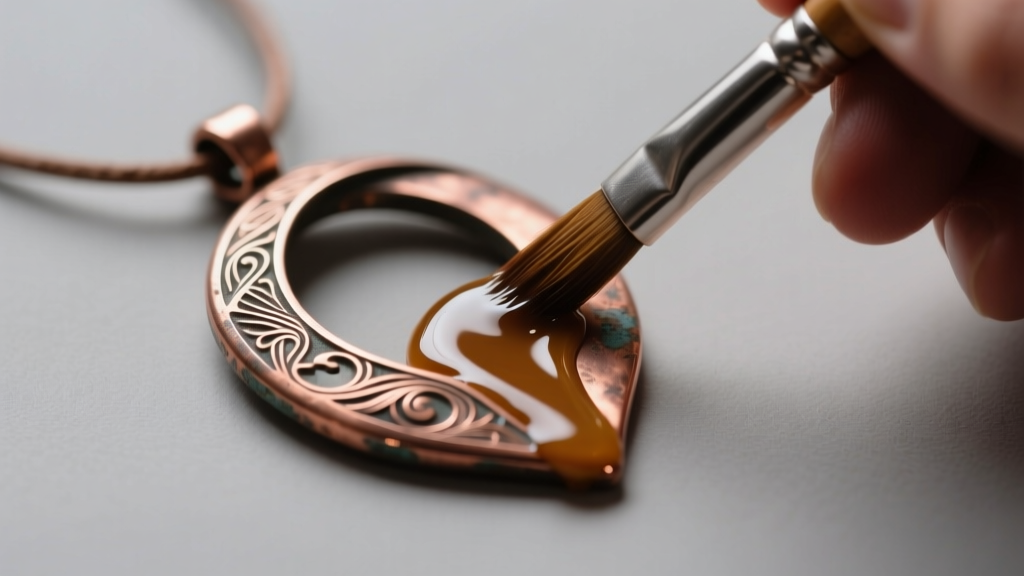
- Polyurethane Coatings: Applying a thin layer of clear nail polish (which is typically an acrylate or polyurethane polymer) to the back of a pendant or the interior of a chain link creates an impermeable waterproof barrier. This method is cheap and effective but requires reapplication every 2 to 3 weeks as the polymer degrades from skin oils and friction.
- Microcrystalline Wax: For vintage or high-end artisan copper and bronze pieces, museum-grade microcrystalline wax (such as Renaissance Wax) is superior. Unlike nail polish, it does not yellow or crack. It is applied with a soft cloth, buffed to a hard shine, and provides a stable, non-tacky barrier that lasts for months.
- Professional Rhodium Plating: For sterling silver or white gold pieces that are causing minor staining or tarnishing, taking the piece to a local jeweler for a rhodium flash ($40 to $80) will encase the item in a highly inert, platinum-group metal that will never oxidize or cause a green stain.
Definitive Guide to Safe Necklace Materials
If you are tired of playing chemist with your jewelry box and want to invest in pieces that are guaranteed to remain inert against human skin, you must upgrade to highly stable, non-reactive metals. When shopping, look for the following material grades:
- Implant-Grade Titanium (ASTM F136): Specifically Ti-6Al-4V ELI (Extra Low Interstitial). This is the exact alloy used in medical pacemakers and surgical implants. It is completely impervious to sweat, chlorine, and saltwater, and will never turn your skin green or cause an allergic reaction.
- Niobium: A highly inert transition metal that is naturally hypoallergenic. It can be anodized to produce vibrant colors without the use of reactive dyes or plating. It is an excellent, budget-friendly alternative to titanium for sensitive skin.
- Solid 14k or 18k Yellow Gold: Ensure it is alloyed with silver and copper, but completely free of nickel. While the copper content in 14k gold is present, the high gold content (58.3% to 75%) stabilizes the alloy, making oxidation on the skin virtually impossible under normal conditions.
- Platinum (Pt950): Composed of 95% pure platinum and 5% ruthenium or iridium, this is the most stable jewelry metal on earth. It will not oxidize, tarnish, or stain the skin, making it the ultimate, albeit expensive, solution for those with severe metal sensitivities.
By understanding the metallurgical realities of jewelry manufacturing and the biochemical environment of your own skin, you can permanently eliminate the green neck from necklace chains and build a collection of safe, enduring, and high-quality pendants and chains.