Troubleshooting a 15 Inch Length Necklace: Fit & Layering Fixes
Is your 15 inch length necklace too tight or tangling? Discover expert troubleshooting tips for fit, layering, and neckline pairing to fix common issues.

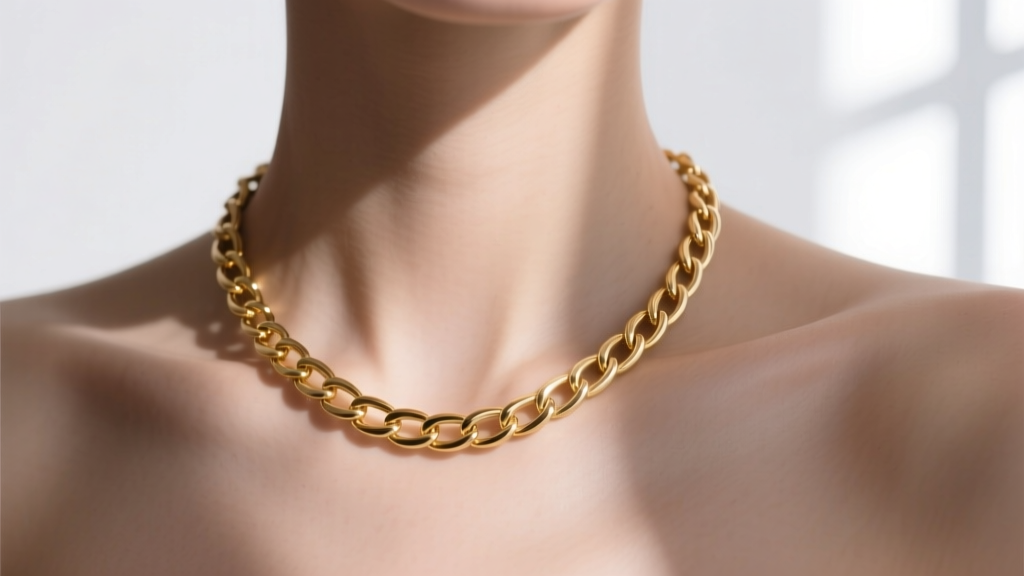
The 15 inch length necklace occupies a highly specific, often problematic real estate on the human body. Sitting precisely at 38.1 centimeters, this length bridges the gap between a true choker (14 inches) and a standard princess length (18 inches). While it is celebrated for highlighting the collarbone, it is also notorious for causing fit issues, pendant flipping, and layering tangles. If your 15-inch piece feels more like a chokehold than an accessory, or if it constantly clashes with your wardrobe, the issue is rarely the necklace itself—it is a matter of physics, anatomy, and styling mechanics. Below is a comprehensive troubleshooting guide to fixing the most common 15-inch necklace failures.
The Anatomy of a 15-Inch Necklace: Why Fit Issues Happen
Unlike an 18-inch chain that drapes freely below the clavicle, a 15 inch length necklace rests directly on or just above the collarbone. This area of the neck is subject to significant circumference fluctuations. According to Jewelers of America, neck swelling can increase circumference by up to half an inch throughout the day due to hydration, temperature changes, and sodium intake. Furthermore, seasonal wardrobe shifts—like wearing a thick turtleneck or a collared shirt—can instantly add 0.5 to 1.5 inches of bulk to your neck, turning a comfortable 15-inch chain into an uncomfortable restriction.
Troubleshooting Fit: When 15 Inches Feels Like a Chokehold
If your necklace fits perfectly in the morning but feels restrictive by 3 PM, you do not need to abandon the piece. You need to modify the closure mechanics.
The Extender Chain Solution
The most effective fix is adding a permanent or semi-permanent extender chain. However, buying a cheap, generic extender often leads to breakage or skin discoloration.
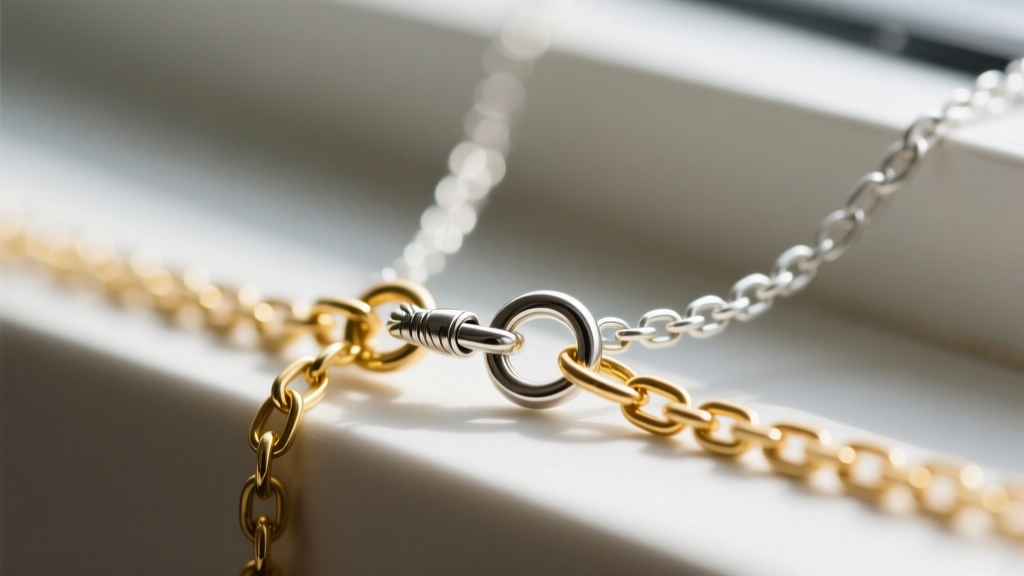
- Material Matching: If your necklace is sterling silver, use a 925 sterling extender. If it is gold, opt for 14k gold-filled (not gold-plated brass). Gold-filled extenders contain 5% to 10% solid gold by weight, ensuring they won't flake or turn your neck green when subjected to the friction of the collarbone.
- Gauge and Jump Ring Sizing: A standard 15-inch cable chain is usually 1.0mm to 1.2mm thick. Your extender's jump rings must be at least 1.5mm in outer diameter to allow your existing clasp to pass through smoothly without stressing the metal.
- Length Addition: Add exactly 1.5 to 2 inches. This converts your 15 inch length necklace into a versatile 16.5 or 17-inch piece, giving you the option to wear it at the base of the throat or lower on the collarbone.
Clasp Upgrades for Comfort
Standard 5mm spring ring clasps are notoriously difficult to operate and can dig into the nape of the neck. Upgrade to a 7mm or 9mm lobster clasp for better ergonomics, or switch to a magnetic neodymium clasp. Magnetic clasps eliminate the need to reach behind your neck entirely, though they are only recommended for chains weighing under 15 grams to prevent accidental detachment.
Solving the 'Pendant Flip' and Chain Tangling
A persistent issue with the 15 inch length necklace is the 'pendant flip'—where the bail slides around the chain, causing the pendant to rest upside down or off-center. This is a center-of-gravity problem. When a chain is cut to 15 inches, the apex of the curve sits tightly against the collarbone, creating a steep angle that forces lightweight pendants to slide up the slope of the chain.
Chain Profile and Tangling Matrix
The type of chain you pair with a 15-inch length dictates both its tangling propensity and how well it holds a pendant. Refer to the troubleshooting matrix below:
| Chain Style | Thickness (mm) | Tangling Risk | Pendant Flip Risk | Best Troubleshooting Fix |
|---|---|---|---|---|
| Cable | 0.8 - 1.2 | Medium | High | Add a heavier bail or silicone spacer |
| Box | 1.0 - 1.5 | Low | Low | Ideal for geometric, flat-backed pendants |
| Rope | 1.5 - 2.5 | High | Low | Use only with heavy statement pieces (>5g) |
| Snake | 1.0 - 2.0 | Low | Medium | Store flat; never bend to avoid permanent kinking |
Expert Fix: If your pendant keeps flipping on a 15-inch cable chain, the pendant is likely too light for the chain's friction coefficient. You can solve this by threading a tiny, transparent silicone O-ring (available at craft stores) onto the chain on either side of the pendant bail to act as a physical stopper. Alternatively, as noted by the Gemological Institute of America (GIA), ensuring your jewelry is regularly cleaned with a soft brush and mild soap removes body oils that increase chain friction and exacerbate tangling.
Neckline Clashes: Fixing Visual Awkwardness
Because a 15 inch length necklace terminates exactly where most shirt collars and necklines begin, it is highly susceptible to visual clutter. Here is how to troubleshoot common neckline clashes:
- The Crew Neck Clash: A 15-inch chain will sit exactly on the ribbed collar of a standard t-shirt, creating a messy, overlapping line. Fix: Tuck the necklace inside the shirt for a subtle bulge, or switch to an 18-inch chain that drops below the collar.
- The Button-Down Gap: Wearing a 15-inch necklace with an unbuttoned oxford shirt often results in the clasp catching on the fabric placket. Fix: Use a chain with a flat profile (like a box or herringbone) that slides under the fabric rather than catching on it.
- The V-Neck Sweet Spot: This is the ideal pairing. The 15-inch length mirrors the upper angle of a V-neck without competing with the hemline.

Layering Framework: Integrating 15-Inch Pieces Without the Knot
Layering a 15 inch length necklace with other chains is a primary cause of severe tangling. When two chains of similar length rub against the collarbone, their links interlock within minutes. To troubleshoot this, you must adhere to the Minimum 3-Inch Delta Rule.
If your base layer is 15 inches, your second layer must be at least 18 inches, and your third must be 21 inches. This ensures the chains rest on entirely different anatomical planes (collarbone, upper sternum, lower sternum), eliminating physical overlap. If you absolutely must layer chains that are closer in length (e.g., 15 and 16.5 inches), you must use a necklace detangler clasp. This is a single, wide bar clasp that holds multiple chains at fixed intervals (usually 10mm apart) at the nape of the neck, preventing them from twisting around each other before they even reach the front of your neck.
Final Verdict: When to Alter vs. When to Replace
A 15 inch length necklace is a highly specialized tool in a jewelry wardrobe. If the chain is a high-quality solid gold or platinum piece, investing $30 to $50 in a professional jeweler to solder on a custom-matched 2-inch extender and upgrade the clasp is well worth the cost. However, if the piece is fast-fashion brass or heavily plated, the structural integrity of the links will not support the added tension of an extender or heavy pendant. In those cases, repurpose the 15-inch chain as a standalone, pendant-free collarbone accent for open-neckline summer wear, and invest in a properly sized 18-inch chain for daily, all-weather styling.


