Troubleshooting Your Beagle Necklace: Fixes for Tarnish & Snags
Is your beagle necklace tarnishing, snagging, or breaking? Discover expert troubleshooting tips, material fixes, and chain upgrades for dog lovers.

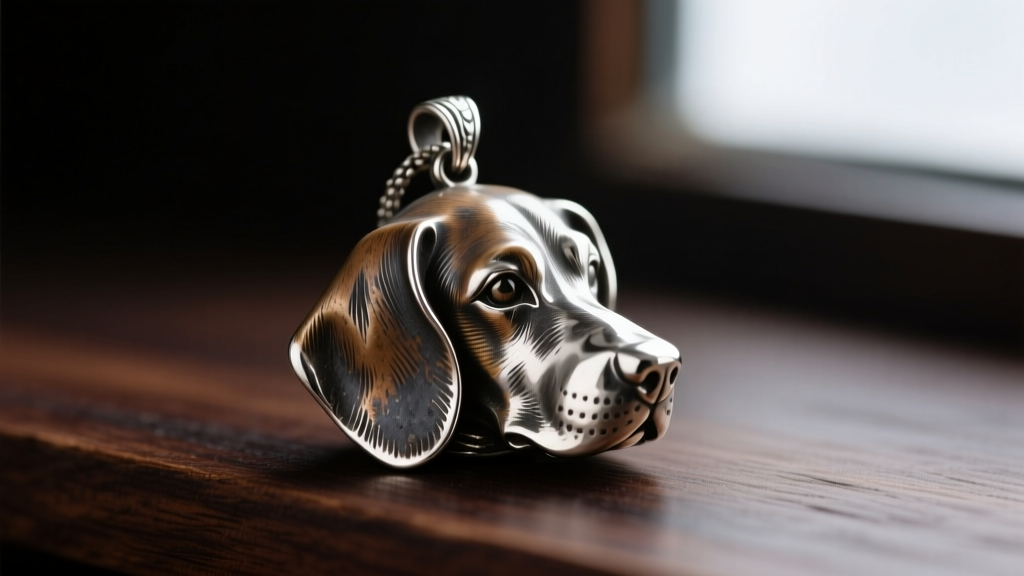
For beagle owners and enthusiasts, a breed-specific necklace is more than just an accessory; it is a wearable tribute to a beloved companion. However, the unique anatomy of the beagle—characterized by their domed skulls, long snouts, and signature drooping ears—presents distinct engineering challenges for jewelry makers. If your favorite beagle necklace is suffering from rapid tarnishing, catching on your winter knits, or snapping during morning walks, you are not alone.
In this comprehensive troubleshooting guide, we will diagnose the most common failure points of canine-inspired pendants and provide actionable, professional-grade solutions to restore and protect your jewelry.
Diagnosing Tarnish and Metal Fatigue in Breed Pendants
The most frequent complaint among dog lovers is the rapid darkening of their silver or gold-plated pendants. According to the Gemological Institute of America (GIA), sterling silver (925) contains 7.5% copper, which reacts with sulfur and moisture in the air to create silver sulfide—the black tarnish you see accumulating in the deep crevices of your beagle's floppy ears.
The Aluminum Foil Electrochemical Bath
Avoid commercial silver dips, which often contain harsh thiourea compounds that can strip antiquing and damage enamel. Instead, use an electrochemical reduction method that is safe for intricate 3D castings:
- Line a glass bowl with aluminum foil (shiny side up).
- Place your beagle pendant on the foil, ensuring direct contact.
- Sprinkle 2 tablespoons of baking soda and 1 tablespoon of sea salt over the jewelry.
- Pour boiling water over the mixture and let it sit for 5 to 10 minutes.
- Rinse with distilled water and dry with a microfiber cloth.
Note: Never use this method if your beagle necklace features glued-in gemstones or cold enamel, as the boiling water will melt the adhesives.
Addressing Enamel Damage on Tricolor Coats
Beagles are famous for their tricolor (black, tan, and white) coats, which jewelers often replicate using enamel. If the colored sections of your pendant are chipping or turning yellow, you are likely dealing with cold enamel (an epoxy resin) rather than kiln-fired vitreous enamel. Cold enamel degrades under UV exposure and friction. While you cannot DIY a seamless fix for chipped resin, a professional jeweler can carefully drill out the remaining epoxy and refill the recessed channels with matched jeweler's grade resin, curing it under UV light for a factory-new finish.
Solving the Floppy Ear Snagging Problem
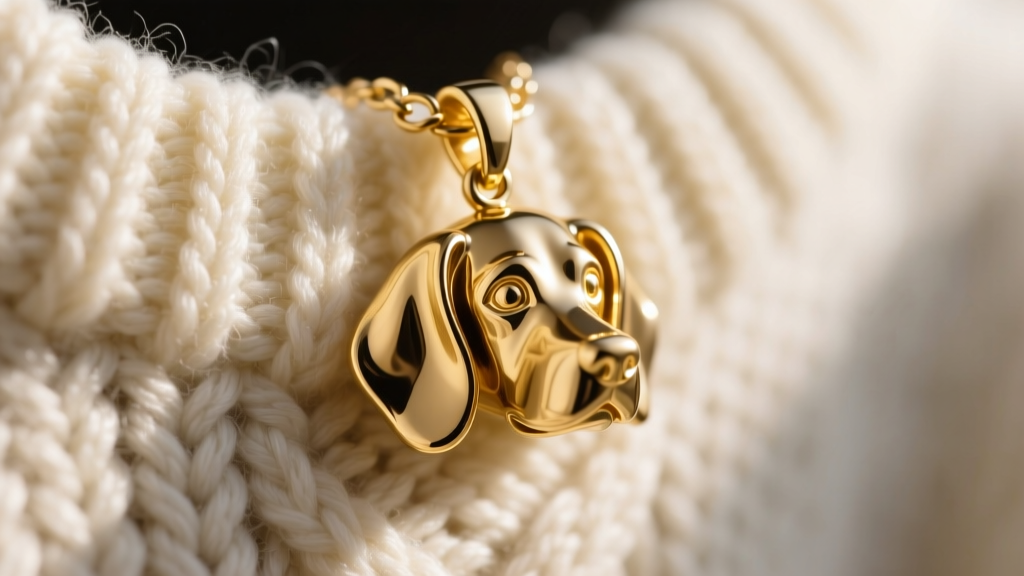
The defining physical trait of a beagle is its long, velvety, dropped ears. When translated into a 3D cast pendant, these protruding elements act like tiny hooks. If you constantly find your necklace snagging on scarves, sweaters, or even your own hair, the issue lies in the pendant's profile and the bail design.
Pendant Profile vs. Snag Risk Matrix
| Pendant Design Style | Snag Risk Level | Troubleshooting and Prevention Strategy |
|---|---|---|
| 3D Sculptural Cast | High | Solder a smooth, domed backing plate to the rear to prevent the ears from curling inward and catching fabric. |
| Flat Silhouette Cutout | Low | Ensure the edges are beveled and polished. Use a larger, heavier bail to keep the pendant lying flat against the chest. |
| Openwork Filigree | Medium | Avoid wearing with lace or loose knits. Apply a microscopic layer of clear jewelers wax to sharp interior corners. |
Upgrading the Bail
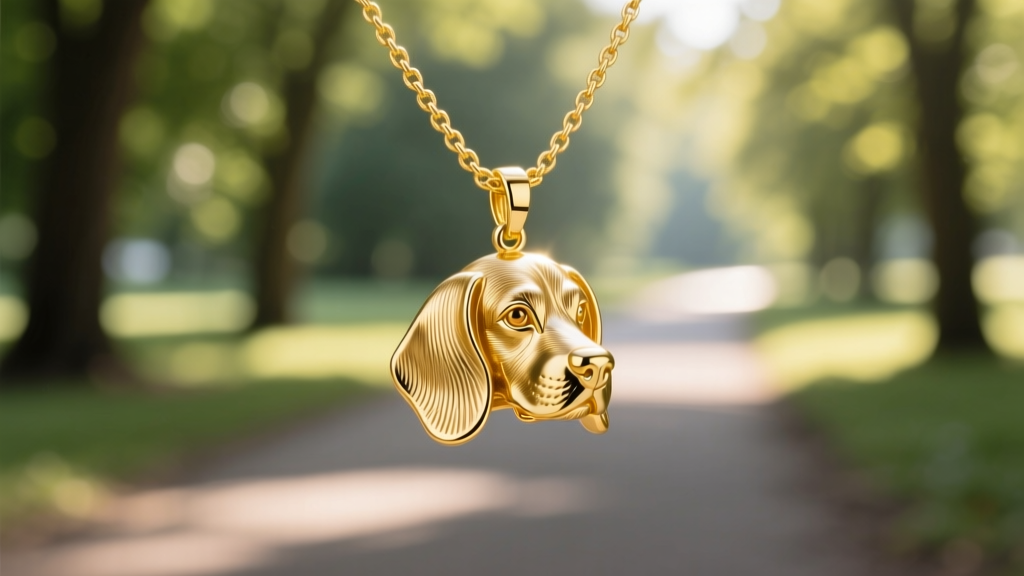
If your beagle pendant flips backward, exposing the rough casting marks of the bail and catching on your collar, swap the standard loop bail for a peg bail or a glue-on tube bail. This alters the center of gravity, forcing the pendant to lay flush against your sternum, drastically reducing snag opportunities.
Upgrading the Chain: Preventing Breakage During Dog Walks
Beagle owners are an active demographic. Between leash pulling, bending down to pick up after your pet, and outdoor adventures, your necklace endures significant kinetic stress. The delicate 0.8mm cable chains that often come standard with boutique pendants are not engineered for this lifestyle. According to Jewelers of America, chain breakage usually occurs at the jump ring or the clasp, not the middle of the chain.
The Best Chain Gauges and Styles for Active Owners
To troubleshoot chronic chain snapping, you must upgrade both the gauge (thickness) and the structural style of the chain.
- Box Chains (1.2mm - 1.5mm): The interlocking square links distribute tension evenly. A 1.2mm 925 silver or 14k gold-filled box chain can withstand up to 15 pounds of tensile force before warping.
- Rope Chains (1.5mm - 2.0mm): The twisted links offer excellent durability and a high-shine finish that complements detailed beagle pendants. However, ensure the links are soldered; unsoldered rope chains will stretch and snap under sudden tugs.
- Wheat Chains (1.2mm): Woven in a continuous braided pattern, wheat chains are incredibly resistant to kinking—a common issue when necklaces are hastily thrown into a gym bag or pocket after a run.
Clasp Mechanics: Spring Ring vs. Lobster
If your chain remains intact but frequently unfastens itself, the spring ring clasp is the culprit. The tiny internal spring in a standard 5mm spring ring degrades rapidly with daily use, failing to close the gap completely. Upgrade to a lobster claw clasp (minimum 10mm) or a magnetic neodymium clasp. Magnetic clasps are particularly beneficial for dog owners who need to quickly remove their jewelry before handling leashes or treats, though they should be avoided if you have a pacemaker.
When to Seek Professional Jewelry Repair
While many maintenance tasks can be handled at home, certain structural failures require a master jeweler. Do not attempt DIY superglue fixes on your beagle necklace, as cyanoacrylate adhesives leave a cloudy, white residue that is nearly impossible to remove from porous metals and gemstones without professional ultrasonic equipment.
Take your pendant to a professional if:
- The Bail is Thinning: If the hole where the chain passes through is wearing into a U shape, a jeweler can laser-weld a new metal tube over the worn area to prevent the pendant from snapping off.
- Prongs are Catching: If your beagle design features a gemstone (like a diamond nose or sapphire collar), have the prongs re-tipped. A lost stone is a costly heartbreak.
- Severe Bending: If a 3D silver pendant has been crushed or bent, a jeweler can use a rawhide mallet and steel mandrel to reshape the metal without stressing the solder joints.
- Rhodium Replating: If your white gold beagle pendant is showing yellowish brass or silver undertones, the rhodium flash has worn off. A professional replating will restore the bright, reflective white finish and add a layer of scratch resistance.
Final Thoughts on Preserving Your Pet Tribute
A high-quality beagle necklace is an investment in your personal style and a celebration of your favorite breed. By understanding the metallurgy of your pendant, addressing the snagging risks inherent in the beagle's anatomy, and pairing it with a robust, active-lifestyle chain, you can ensure your jewelry remains as enduring as your love for your dog.
Furthermore, proper storage is critical. Keep your necklace in an individual polyethylene zip-lock bag with a 3M anti-tarnish strip when not in use. Avoid storing it in the bathroom, where high humidity and aerosolized chemicals from hairsprays and perfumes accelerate copper oxidation. Regular maintenance and smart upgrades will keep your breed-specific piece looking pristine for years to come.


