Troubleshoot Your Cobalt Blue Necklace: Fading, Chipping & Allergies
Is your cobalt blue necklace fading, chipping, or causing a rash? Learn to identify the material, troubleshoot damage, and restore your piece.

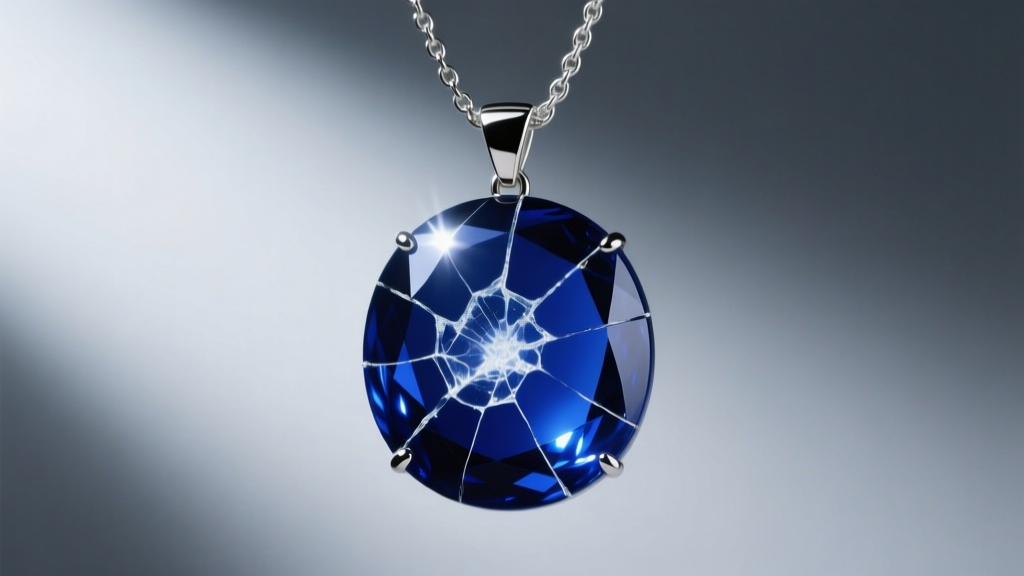
When you invest in a striking cobalt blue necklace, you expect the vibrant, deep azure hue to last a lifetime. However, the term 'cobalt blue' is one of the most misunderstood descriptors in the jewelry industry. It can refer to a specific inorganic pigment (cobalt aluminate), a type of vitreous glass, a dyed resin, or even the base metal alloy itself (cobalt-chrome). When your necklace begins to fade, chip, or cause contact dermatitis, the troubleshooting protocol depends entirely on identifying the true material composition.
This comprehensive guide breaks down the specific failure modes of cobalt blue necklaces and provides actionable, jeweler-grade solutions to restore and protect your jewelry.
The Material Identity Crisis: Pigment vs. Metal
Before attempting any repairs, you must determine what is actually failing. The problems associated with a 'cobalt blue necklace' generally fall into two distinct categories:
- Cobalt as a Colorant (CoAl2O4): The blue color is derived from cobalt aluminate. This pigment is suspended in glass, fired into vitreous enamel, or mixed into polymer resins. The structural failure here is usually related to the host matrix (the glass cracking or the resin degrading), not the cobalt itself.
- Cobalt as a Base Metal (CoCr Alloys): Cobalt-chrome is a hard, silvery-white alloy often used in budget fashion jewelry or medical-grade pieces. If your necklace is metallic blue (via plating) or if the clasp and chain are causing skin rashes, you are dealing with a cobalt metal alloy, which carries a high risk of galvanic corrosion and allergic contact dermatitis.
Troubleshooting Color Fading and Dullness
True cobalt aluminate pigment is exceptionally stable and highly resistant to UV degradation. If your blue necklace is fading, it is almost certainly not made with genuine cobalt pigment. Instead, it is likely a dyed porous stone (like howlite or magnesite) or a UV-sensitive resin.
The Acetone Swab Test
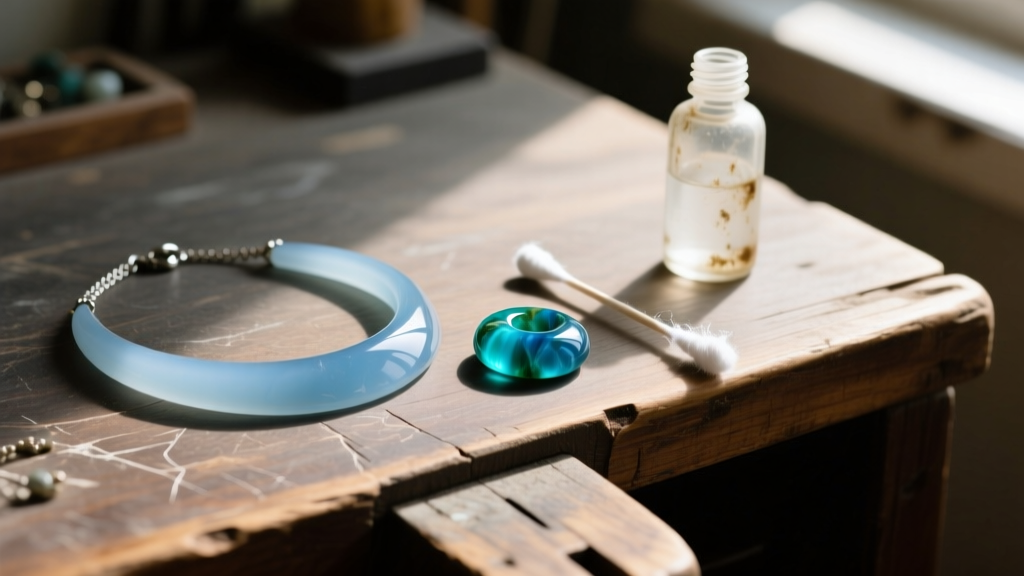
To confirm if your pendant is dyed, apply a small amount of pure acetone to a cotton swab and rub it gently on an inconspicuous area of the bead or pendant. If the swab turns blue, the stone has been surface-dyed. Over time, exposure to the natural oils in your skin, sweat, and UV light causes these organic dyes to break down, resulting in a chalky, pale appearance.
Restoration Protocols for Faded Pieces
Once a dyed stone or resin has photobleached, the damage is irreversible through cleaning. However, you can salvage the piece:
- Stripping: Soak the beads in a mild solvent to remove the remaining patchy dye.
- Re-dyeing: Submerge the porous stones in a concentrated, jewelry-grade liquid dye (such as Rit DyeMore for synthetics or specialized lapidary dyes) heated to 180°F for 4-6 hours.
- Sealing: Once dry, tumble the beads in a microcrystalline wax or apply a thin coat of cyanoacrylate to seal the pores and prevent future leaching.
Fixing Chips, Cracks, and Structural Failures
If your necklace features a smooth, glossy blue surface that has chipped, you are dealing with either vitreous enamel or cold enamel (epoxy). The repair methodology for these two materials is vastly different.
| Material Type | Identification Clues | Common Failure Mode | Jeweler Repair Protocol |
|---|---|---|---|
| Vitreous Enamel | Hard (Mohs 6-7), cold to touch, chips cleanly like glass. | Thermal shock or blunt impact causing conchoidal fractures. | Must be cleaned, packed with matching enamel frit, and kiln-fired at 1400°F. Cannot be glued. |
| Cold Enamel (Epoxy) | Warm to touch, slightly flexible, scratches easily with a needle. | Yellowing from UV exposure, peeling from the metal backing. | Chemically strip with a solvent, sand the metal base, and re-pour a two-part jeweler's epoxy resin. |
| Cobalt Glass | Translucent or opaque, uniform color, molds seams may be visible. | Deep scratches or complete shattering from drops. | Deep scratches can be polished with cerium oxide. Shattered pieces must be replaced or set into bezel fragments. |
Pro Tip: Never attempt to superglue a chipped vitreous enamel pendant. The refractive index of cyanoacrylate will leave a cloudy, permanent scar over the fracture line. Seek a master enamelist for kiln-firing repairs.
The Allergy Problem: Cobalt Metal and Contact Dermatitis
If your necklace chain or clasp is leaving a red, itchy, or blistering rash on your neck, you are likely experiencing allergic contact dermatitis. According to the Mayo Clinic, cobalt is one of the most common metal allergens, frequently cross-reacting with nickel allergies. Detailed dermatological studies outlined by NCBI StatPearls confirm that cobalt ions leach from alloys when exposed to the slightly acidic pH of human sweat (typically 4.5 to 5.5).
Identifying Cobalt-Chrome (CoCr) Alloys
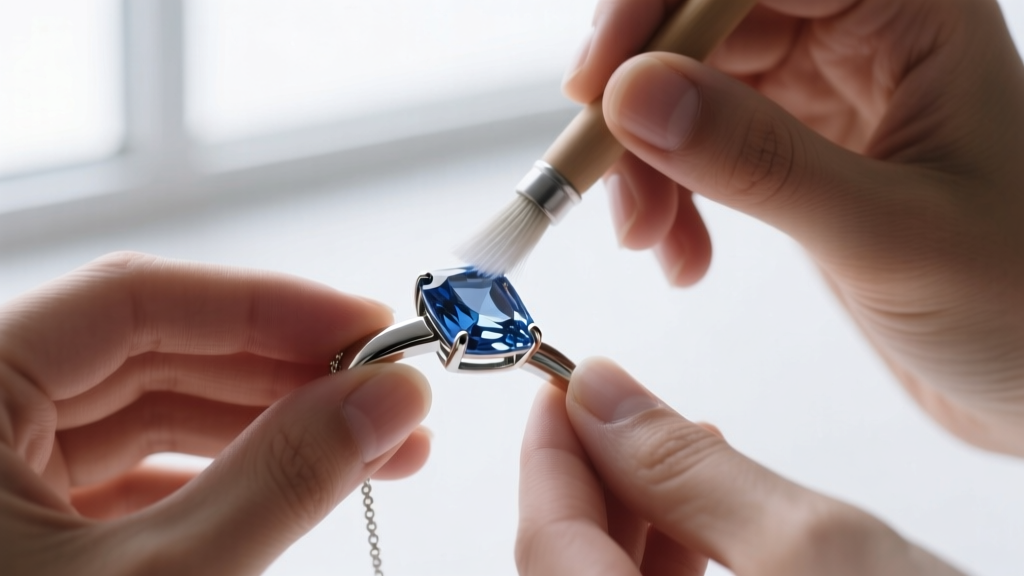
Cobalt-chrome is heavily used in 'white metal' fashion jewelry as a cheaper alternative to white gold or platinum. If your necklace clasp is stamped with 'CoCr', 'Cobalt', or lacks a precious metal stamp (like 925 or 14K) but has a heavy, silvery appearance, it is likely a cobalt alloy.
Barrier Coatings and Hypoallergenic Swaps
If you love the pendant but the chain or clasp is triggering a reaction, you have two actionable solutions:
- Polyurethane Barrier: Apply a specialized jewelry sealant like ProtectaClear or a simple coat of clear polyurethane nail polish to the clasp and the first two inches of the chain. This creates a physical, hypoallergenic barrier that prevents cobalt ions from migrating into your epidermis. Reapply every 3-4 months as the coating wears down from friction.
- Component Swapping: Use flush cutters to remove the offending CoCr clasp and jump rings. Replace them with solid surgical-grade titanium (ASTM F136) or solid 14k yellow gold components. Titanium is entirely biologically inert and will permanently eliminate the allergic vector.
Daily Maintenance and Storage Protocols
To prevent future structural and aesthetic failures, implement a strict maintenance routine tailored to the specific vulnerabilities of blue jewelry:
- Thermal Regulation: Never wear cobalt glass or vitreous enamel necklaces in saunas, hot tubs, or while washing dishes in scalding water. Rapid temperature fluctuations cause the metal backing and the glass/enamel to expand at different rates, leading to micro-fractures and eventual delamination.
- Chemical Avoidance: Chlorine in swimming pools is highly corrosive to the copper and silver alloys often mixed with cobalt pigments. Always remove your necklace before swimming.
- Friction-Free Storage: Store the necklace flat in a lined jewelry box. If the necklace features a cobalt glass pendant, ensure it does not rest against diamonds or sapphires (Mohs 9-10), which will easily scratch the softer glass (Mohs 5.5-6.5) during transit.
Conclusion
A cobalt blue necklace is a bold, timeless statement piece, but its longevity requires more than casual care. By accurately identifying whether your piece relies on cobalt pigment, cobalt glass, or cobalt-chrome metal, you can accurately diagnose fading, chipping, and allergic reactions. Armed with the right testing methods, barrier coatings, and repair protocols, you can ensure your favorite azure pendant remains vibrant and wearable for decades to come.


