Leather Cross Necklace Troubleshooting: Fix Snaps & Stiffness
Is your leather cross necklace stiff, snapping, or tarnishing? Discover expert troubleshooting tips to restore the cord, fix clasps, and protect the metal.

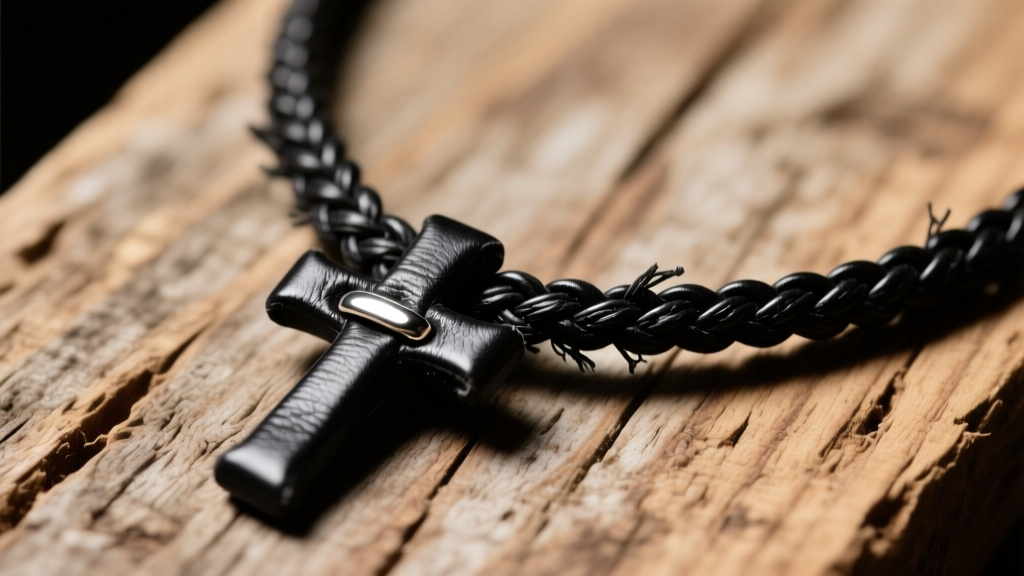
The Anatomy of Leather Cross Necklace Failure
Leather cross necklaces are a staple of casual, surf, and alternative jewelry styles, prized for their rugged aesthetic and lightweight comfort. However, they are also notorious for premature failure. Unlike metal chains, leather is an organic, porous material that interacts dynamically with its environment. When a leather cross necklace snaps, stiffens, or ruins your favorite pendant, it is rarely a random accident. It is usually the result of chemical degradation, mechanical stress at the clasp junction, or improper tanning treatments.
The most common point of failure is not the middle of the cord, but the terminal ends where the leather meets the metal hardware. The natural acids in human sweat (which typically has a pH between 4.5 and 6.0) break down the collagen fibers in the leather over time. When combined with the friction of daily wear, the cord thins out near the jump ring, leading to sudden, catastrophic snaps that can result in the loss of a valuable cross pendant. Understanding the specific failure mode of your necklace is the first step toward effective troubleshooting and restoration.
Troubleshooting Cord Stiffness and Dry Rot
If your leather cord feels rigid, cracked, or resembles dried cardboard, it has lost its essential lipid content. Leather requires natural oils to maintain the flexibility of its interwoven collagen matrix. When these oils evaporate or are stripped away by harsh soaps and hot water, the fibers lock together, resulting in dry rot. A stiff cord will not drape properly and is highly susceptible to snapping under minor tension.
The Beeswax and Mink Oil Restoration Method
Do not use olive oil, coconut oil, or synthetic petroleum jellies on your necklace. Plant oils will eventually oxidize and turn rancid, leaving your necklace with a sour smell, while petroleum products can degrade the structural integrity of certain leather finishes. According to the experts at Weaver Leather Supply, animal-based conditioners like pure mink oil or a blend of beeswax and neatsfoot oil are ideal for restoring jewelry-grade leather.
- Clean the Cord: Wipe the leather down with a slightly damp microfiber cloth to remove surface sebum and dead skin cells. Let it dry completely for two hours.
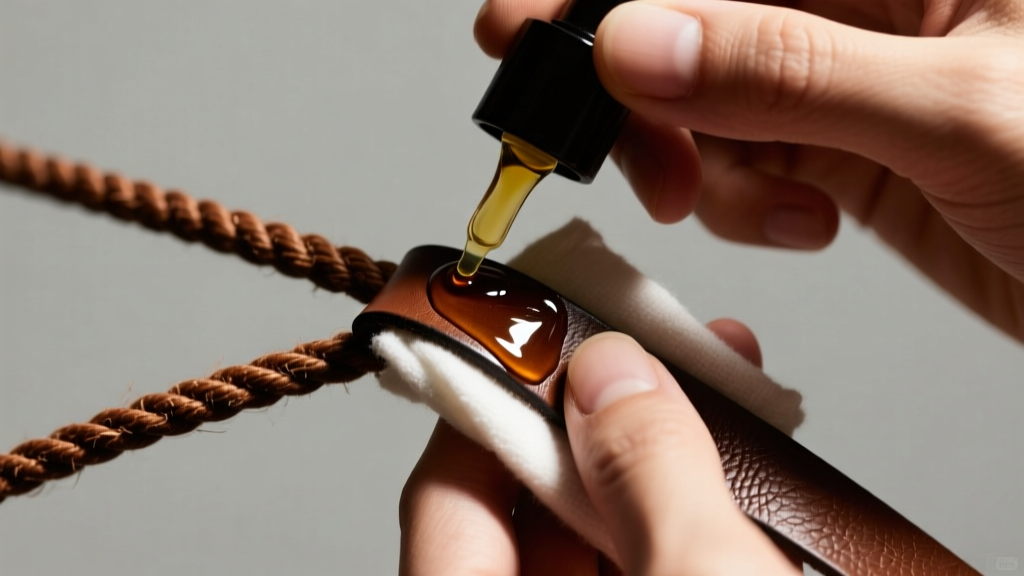
- Apply Conditioner: Place a pea-sized drop of mink oil on your fingertips. Vigorously massage it into the leather using a pinching and pulling motion. The friction generates mild heat, opening the leather pores and driving the oil deep into the core.
- Burnish the Surface: Once the oil is absorbed, take a dry, soft-bristled brush (like a horsehair shoe brush) and briskly buff the cord. This realigns the fibers and restores a subtle, healthy sheen without making the necklace greasy.
Solving Clasp and Knot Slippage Issues
Metal clasps on leather cords often fail because the jump ring slowly cuts through the leather like a cheese wire. If you are constantly re-tying knots or losing your necklace to clasp failure, it is time to rethink your termination method. Many mass-produced leather cross necklaces use simple overhand knots secured with a dab of cyanoacrylate (super glue). Over time, the glue becomes brittle and shatters, allowing the knot to slip.
Comparing Termination Methods and Tensile Retention
| Termination Method | Avg. Tensile Strength Retention | Best For | Primary Failure Mode |
|---|---|---|---|
| Overhand Knot + Glue | 40% of cord strength | Lightweight wooden crosses | Glue embrittlement and slip |
| Wire-Wrapped Loop | 65% of cord strength | Medium metal pendants | Wire cutting into leather |
| Adjustable Square Knot | 85% of cord strength | Heavy silver/stone crosses | Fraying of the tie-cords |
| Glued Metal Cord End Cap | 90% of cord strength | Lobster clasp integration | Adhesive failure from sweat |
For the most secure, adjustable, and glue-free finish, the Adjustable Square Knot (often used in macrame) is the gold standard. As detailed by Animated Knots, the square knot lies flat, grips the main cord tightly under tension, and allows the wearer to adjust the length of the cross pendant without hardware. Use a separate, thinner piece of waxed cotton or 1mm leather to tie the square knot around the main cord, melting the ends of the cotton with a lighter to seal them permanently.
Preventing Metal-to-Leather Galvanic Tarnishing
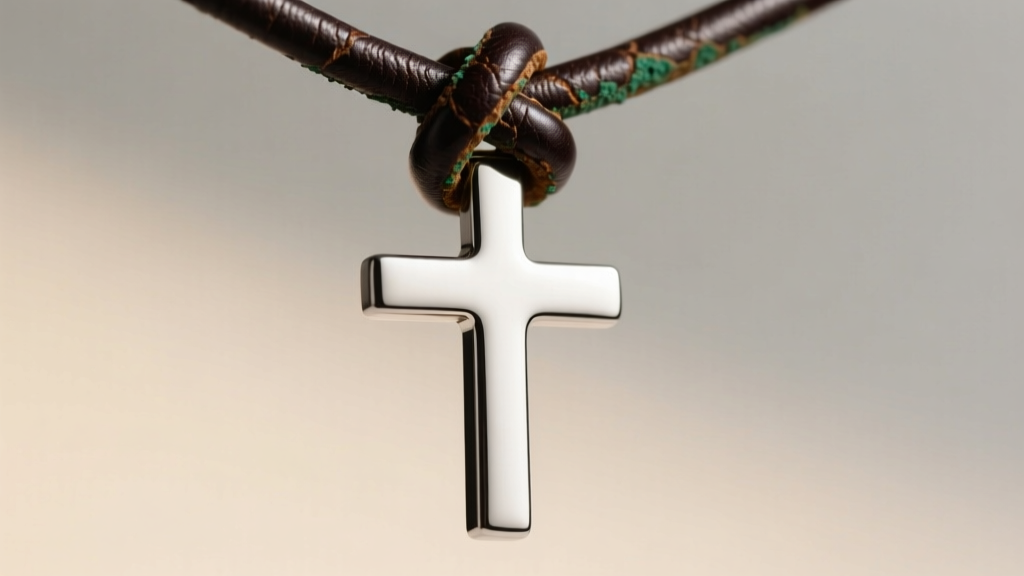
Have you noticed a dark black or sickly green stain spreading from your cross pendant onto the leather cord? This is not dirt; it is a chemical reaction. Sterling silver crosses tarnish when exposed to sulfur and moisture, creating silver sulfide (black). Copper-heavy alloys or brass crosses react with the chlorides in human sweat and the residual salts from the leather tanning process, creating copper chloride (green).
The Gemological Institute of America (GIA) notes that silver tarnish is accelerated in high-humidity environments and by contact with certain chemicals. To troubleshoot this, you must create a barrier between the metal and the porous leather. Apply a micro-thin layer of Renaissance Wax or clear jewelry shield to the bail (the loop) of the cross pendant. This invisible barrier prevents the metal oxides from migrating into the leather fibers. If the leather is already stained, a paste of baking soda and distilled water applied gently with a cotton swab to the metal (avoiding the leather) can lift the tarnish, while a dedicated leather saddle soap can help lift surface-level green oxidation from the cord.
Odor Removal: Dealing with Sweat and Sebum Buildup
Because leather is highly porous, it acts like a sponge for dead skin cells, sebum, and sweat. Over time, a leather cross necklace can develop a sour, musty odor that is impossible to mask with perfumes. Do not submerge the necklace in water or use harsh alcohol-based cleaners, as this will strip the leather of its dyes and structural oils.
The Baking Soda Desiccation Method: Place your dry leather necklace into a sealed Tupperware container alongside a small, open bowl of baking soda. Ensure the baking soda does not physically touch the leather. Seal the lid tightly and leave it in a cool, dark place for 72 hours. The baking soda will act as a desiccant and odor neutralizer, pulling the volatile organic compounds (VOCs) responsible for the smell out of the leather pores without damaging the material.
When to Retire the Cord: Safety Thresholds
Not all leather damage can be reversed. While surface scuffs and stiffness can be remedied with conditioners, structural micro-cracks are a definitive sign that the cord has reached the end of its lifespan. Perform the "Pinch and Roll" test: pinch the leather cord between your thumb and index finger and roll it back and forth. If you feel deep, rigid crevices, or if the leather flakes off leaving a suede-like texture underneath, the collagen matrix has completely broken down. At this stage, no amount of mink oil will restore its tensile strength. To protect your cross pendant from an inevitable drop, cut the old cord off, salvage the metal hardware, and thread it onto a fresh, high-quality full-grain leather replacement cord.


