Troubleshooting Meaningful Mens Necklaces: Fit & Metal Fixes
Solve common issues with meaningful mens necklaces. Expert fixes for chain breakage, metal allergies, pendant proportions, and clasp failures.

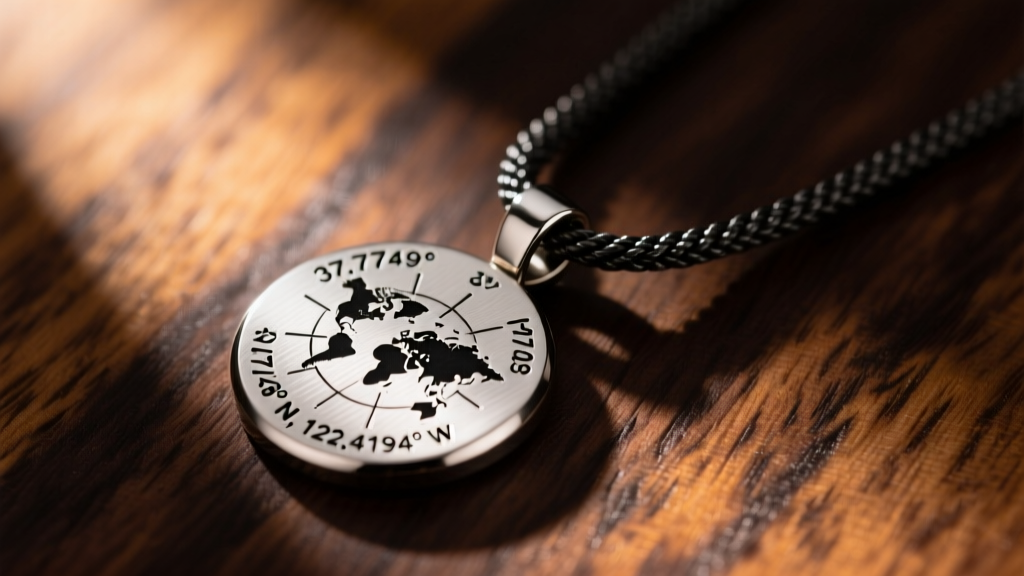
The market for meaningful mens necklaces has evolved dramatically. As we navigate 2026, men are moving away from generic mall-kiosk trinkets and investing in bespoke, deeply personal pieces—ranging from laser-engraved soundwave pendants to cremation jewelry and custom coordinate dog tags. However, the emotional weight of a sentimental necklace is quickly overshadowed when the physical piece fails. Green skin, snapped chains, and awkward proportions are the most common complaints among men wearing daily-wear sentimental jewelry.
This troubleshooting guide addresses the structural, metallurgical, and aesthetic failures that plague men's pendants, providing actionable frameworks to fix, upgrade, and maintain your most important pieces.
The Pitfalls of Sentimental Jewelry: Why Meaningful Pieces Fail
When purchasing a necklace to commemorate a milestone, a lost loved one, or a personal triumph, buyers often prioritize the engraving or the symbolic gemstone over the structural integrity of the jewelry itself. The most common failure points in meaningful mens necklaces include:
- Metallurgical incompatibility: Base metals reacting with skin acidity, causing contact dermatitis or severe tarnishing.
- Torque and tension fractures: Undersized chains snapping under the kinetic swing of a heavy, solid-metal pendant.
- The 'Floating' Proportion Issue: Pendants that sit too high on the chest or look disproportionately small against a broader frame, ruining the intended aesthetic.
Troubleshooting Metal Allergies & Tarnish in Daily-Wear Pendants
Nothing ruins a sentimental piece faster than an itchy, red rash on your chest. The culprit is almost always nickel or copper reacting with sweat. According to the American Academy of Dermatology, nickel allergy is one of the most common causes of allergic contact dermatitis, frequently triggered by cheap stainless steel alloys used in mass-market men's jewelry.
The Base Metal Trap vs. Hypoallergenic Upgrades
Many 'surgical steel' pendants are stamped as 304 stainless steel, which contains up to 10.5% nickel. For daily wear against the sternum—a high-sweat zone—you must upgrade to 316L surgical steel (which binds nickel tightly, reducing leaching) or, ideally, Grade 5 Titanium (Ti-6Al-4V). Titanium is entirely biocompatible, lightweight, and impervious to saltwater corrosion, making it the ultimate metal for memorial or active-lifestyle necklaces.
| Metal Grade | Nickel Content | Tarnish Resistance | Best For |
|---|---|---|---|
| 304 Stainless Steel | 8% - 10.5% | Moderate | Occasional wear only |
| 316L Surgical Steel | 10% - 14% (Bound) | High | Daily wear, showering |
| 925 Sterling Silver | 0% (Copper alloy) | Low (Oxidizes) | Polished dress wear |
| Grade 5 Titanium | 0% | Absolute | Active wear, sensitive skin |
| 14k/18k Solid Gold | Varies by alloy | High | Heirloom investment pieces |
Pro Tip: If you are buying a meaningful silver pendant, ensure it is rhodium-plated to prevent the copper alloy from oxidizing and turning your chest green when exposed to summer humidity.
Fixing Proportion & Length Issues for Men's Pendants
A deeply meaningful pendant loses its impact if it hangs awkwardly. The standard 18-inch chain sold in most jewelry stores often sits too high on a man with a broader chest or thicker neck, causing the pendant to rest near the collarbone rather than the sternum. Conversely, a chain that is too long will swing excessively, acting as a pendulum that puts sheer stress on the bail (the loop connecting the pendant to the chain).
The Weight-to-Thickness Ratio Framework
The most frequent structural failure is a heavy pendant snapping a thin chain. Men often buy a solid 20-gram bronze or gold memorial pendant and thread it onto a delicate 1.5mm cable chain. To troubleshoot this, use the following weight-to-thickness matrix:
- Lightweight Pendants (1g - 5g): Require a 1.5mm to 2.0mm chain. Box or herringbone chains work well here.
- Mid-Weight Pendants (6g - 15g): Require a 2.5mm to 3.5mm chain. Rope, curb, or wheat chains provide the necessary tensile strength.
- Heavy Pendants (16g - 30g+): Require a 4.0mm to 6.0mm chain. Cuban or thick Figaro chains are mandatory to prevent torque-induced snapping.
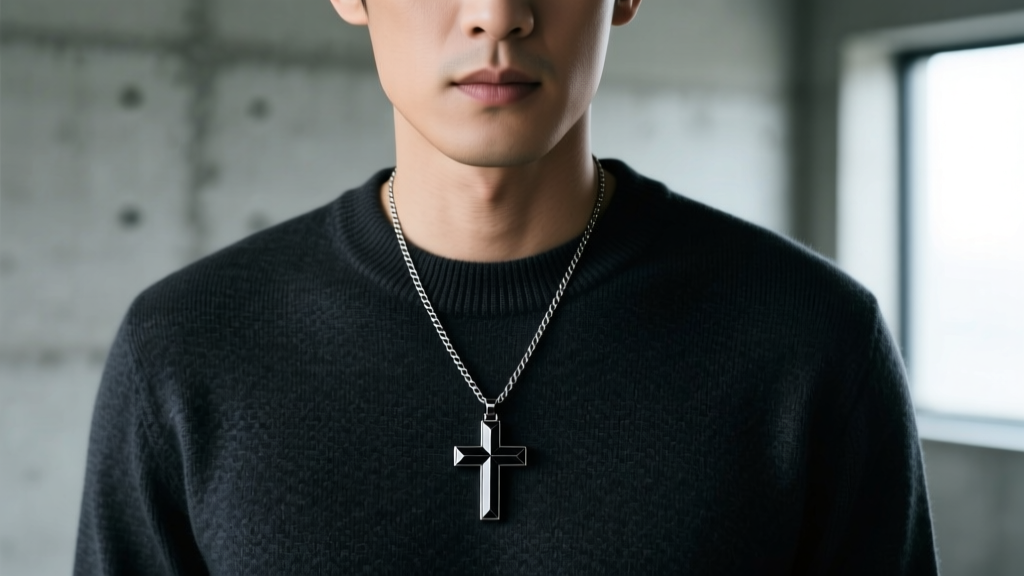
Furthermore, for men over 6 feet tall or with a chest circumference over 42 inches, upgrade from the standard 18-inch chain to a 20-inch or 22-inch chain. This ensures the pendant rests precisely at the lower sternum, providing a masculine, grounded silhouette.
Solving Chain Breakage & Clasp Failures
According to industry repair data compiled by the Gemological Institute of America (GIA) and various bench jewelers, the jump ring—the tiny metal loop connecting the clasp to the chain or the pendant to the bail—is the single most common point of failure in men's necklaces.
Upgrading the Jump Ring and Clasp
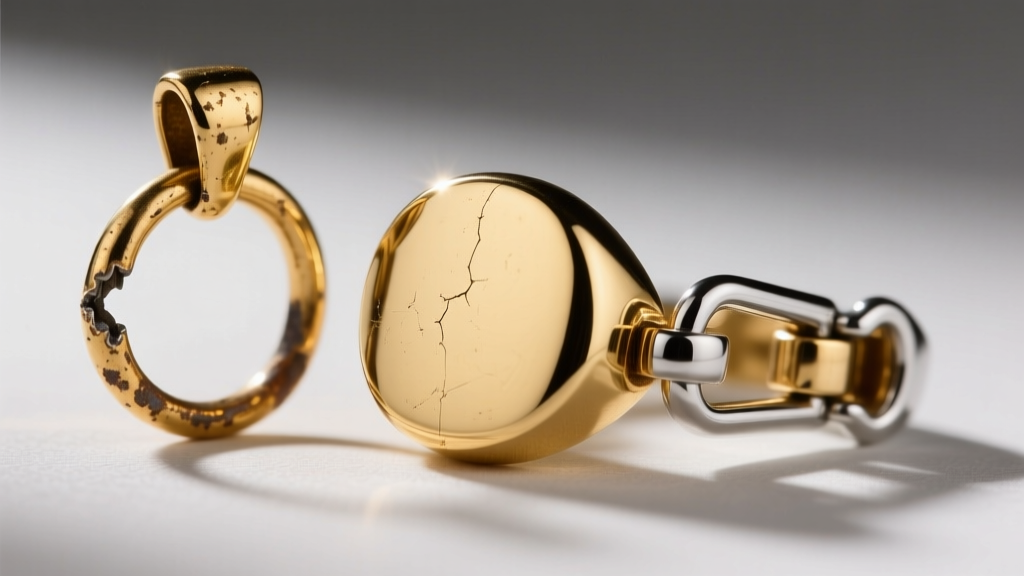
Mass-produced meaningful mens necklaces almost always feature 'split' jump rings that are simply bent shut. Over time, the friction of a heavy pendant pulling against the chest causes the gap to widen, eventually allowing the pendant to slip off and be lost forever.
The Fix: Take your sentimental necklace to a local bench jeweler and request a laser-welded or soldered jump ring. This fuses the metal gap completely shut. Additionally, discard the standard 'spring ring' clasp. Spring rings are notorious for failing under the tension of heavy men's chains. Upgrade to a lobster claw clasp or, for chains over 4mm, a tongue-in-groove box clasp with a figure-eight safety latch.
Avoiding the 'Cliché Trap': Elevating Personal Symbolism
Troubleshooting isn't just about physical repairs; it's about aesthetic longevity. Many men regret buying overly literal sentimental jewelry—such as massive angel wings or generic zodiac signs—because it ages poorly and feels more like a costume piece than a personal artifact.
Subtle Customization Techniques
To ensure your meaningful necklace remains a sophisticated staple in your wardrobe for decades, opt for abstract or concealed symbolism:
- Micro-Engraving: Instead of engraving a name across the front of a dog tag, use a jeweler's laser to engrave a fingerprint, a heartbeat EKG line, or a private set of GPS coordinates on the back of a minimalist geometric pendant.
- Concealed Gemstones: Rather than a large, flashy birthstone, opt for a bezel-set 2mm birthstone flush-mounted into the side or back of a matte tungsten or titanium signet pendant.
- Metallurgical Inlays: Incorporate a meaningful material via inlay. For example, a titanium pendant featuring a channel inlay of carbon fiber from a beloved car, or crushed turquoise from a significant travel destination.
Summary Checklist for Your Next Custom Piece
Before finalizing your purchase or commissioning a custom meaningful men's necklace, run it through this final troubleshooting checklist:
- Is the metal Grade 5 Titanium, 316L Steel, or Solid Gold to prevent skin reactions?
- Does the chain thickness (in mm) adequately support the pendant's weight (in grams)?
- Are the jump rings soldered or laser-welded shut?
- Is the chain length appropriate for your specific height and torso proportions?
- Is the symbolism subtle, abstract, and concealed to ensure long-term sartorial versatility?
By addressing these structural and aesthetic variables, you ensure that the physical necklace is as resilient and enduring as the meaning behind it.


