Name and Birthstone Necklace: Troubleshooting Common Flaws
Is your custom jewelry failing? Learn how to troubleshoot, repair, and prevent common flaws in your favorite name and birthstone necklace designs.

The Anatomy of a Custom Jewelry Failure
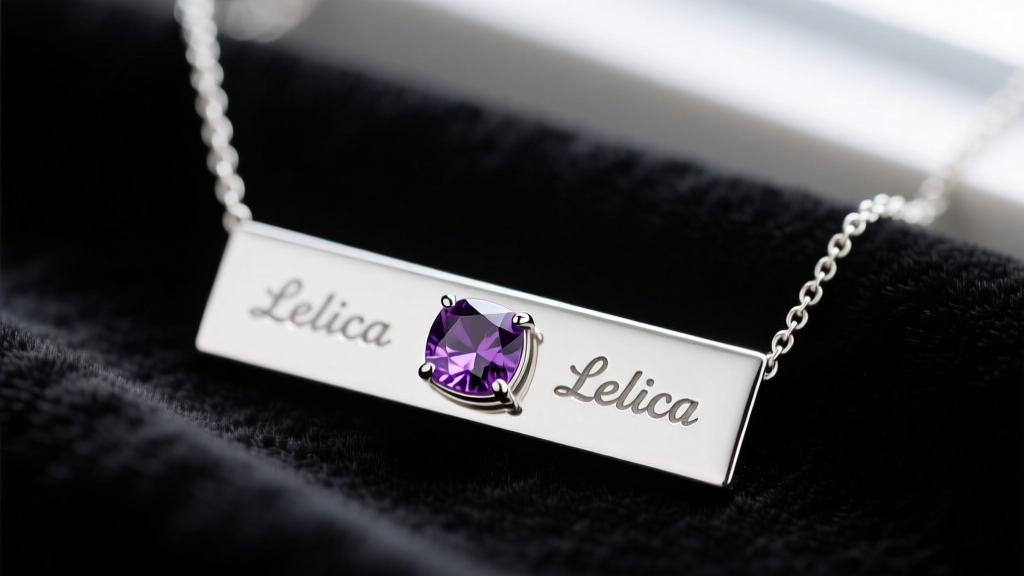
A custom name and birthstone necklace is more than just an accessory; it is a deeply personal artifact. However, the very elements that make these pieces unique—the asymmetrical weight distribution of a die-struck nameplate combined with the micro-stress of a dangling gemstone charm—create a perfect storm for structural failure. Unlike mass-produced, symmetrical pendants, custom nameplates act as rigid levers on flexible chains. When you introduce a birthstone charm into the mix, you compound the mechanical stress, leading to a high rate of chain snapping, prong wear, and clasp fatigue.
If your sentimental piece is constantly tangling, losing stones, or showing premature tarnish, you are likely dealing with fundamental design and material flaws. This guide dives deep into the metallurgy, gemology, and structural engineering required to troubleshoot and permanently fix your custom jewelry.
Troubleshooting Stone Loss and Prong Wear
The most heartbreaking failure in any birthstone necklace is the loss of the gemstone. This is rarely bad luck; it is almost always a failure of the setting technique relative to the stone's hardness. According to the Gemological Institute of America (GIA), birthstones vary wildly in durability on the Mohs scale. For instance, a sapphire (Mohs 9) can withstand the pressure of standard prongs, but an opal (Mohs 5.5-6.5) or a pearl (Mohs 2.5-4.5) will easily fracture or abrade when squeezed by tight metal claws.
The Prong Thickness Problem
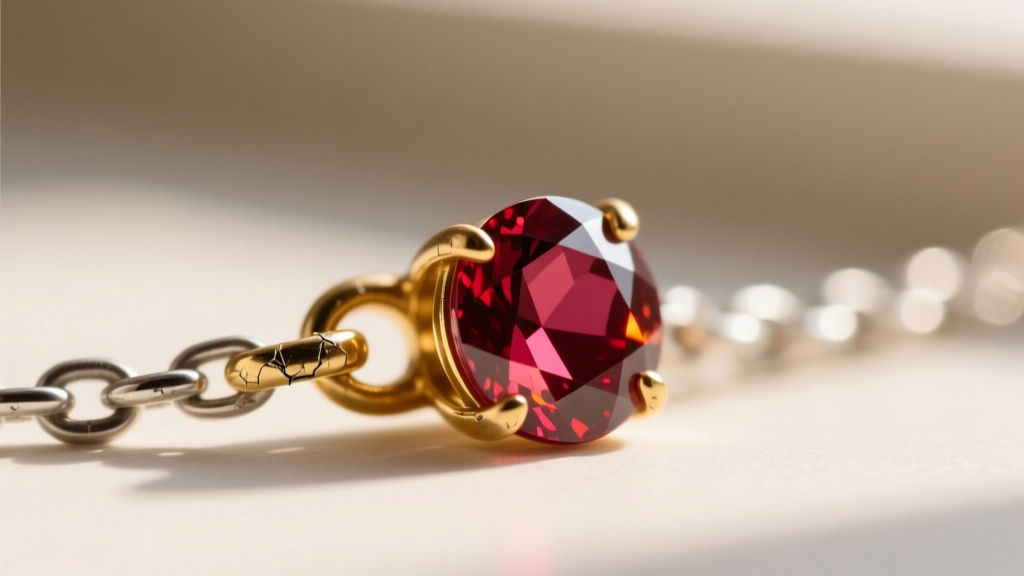
Many commercial jewelers use 0.3mm or thinner wire for prongs on delicate birthstone charms to maximize the visible surface area of the gem. While this looks elegant initially, a 0.3mm prong on a necklace that is worn daily will bend, catch on knitwear, and eventually lift away from the stone's girdle.
- The Fix: Request a minimum prong thickness of 0.5mm for daily-wear birthstones.
- The Upgrade: For softer stones like opal, turquoise, or pearl, demand a bezel or half-bezel setting. A bezel wraps a continuous rim of metal around the gem's equator, eliminating snag points entirely and distributing impact force evenly.
Chain Snapping: Weight Ratios and Clasp Failures
When a nameplate and a birthstone charm are worn together, they create a localized pendulum effect. Every time the wearer moves, the heavy nameplate swings, while the smaller birthstone charm bounces erratically on its jump ring. This kinetic energy transfers directly to the chain's weakest link: the jump ring connecting the chain to the clasp.
Matching Chain Gauge to Pendant Weight
A common troubleshooting error is pairing a heavy, multi-letter nameplate with a dainty 0.8mm cable chain. The chain will inevitably stretch, kink, and snap. Use the table below to ensure your chain gauge can support the combined weight of your custom piece.
| Chain Type | Gauge / Thickness | Max Safe Pendant Weight | Best Clasp Type |
|---|---|---|---|
| Cable Chain | 0.8mm | 3.5 grams | Spring Ring (Small) |
| Cable Chain | 1.2mm | 8.0 grams | Lobster Clasp (12mm) |
| Box Chain | 1.5mm | 15.0 grams | Lobster Clasp (15mm) |
| Rope Chain | 2.0mm | 25.0+ grams | Box Clasp with Safety |
"A nameplate acts as a rigid lever on a flexible chain. When a birthstone charm is added via an unsoldered jump ring, it creates a localized pendulum effect that accelerates metal fatigue at the chain's weakest link."
Soldering the Jump Rings
If your birthstone charm hangs from a split jump ring, it will eventually work its way open through friction. Have a professional jeweler laser-weld or torch-solder the jump ring shut. Laser welding is highly recommended for custom nameplates as it applies pinpoint heat, preventing thermal damage to nearby heat-sensitive birthstones like emeralds or opals.
Tarnish and Allergic Reactions: Material Grade Fixes
If your name and birthstone necklace is leaving green or black marks on your skin, or if the gold finish is rubbing off to reveal a brassy underlayer, you are dealing with material degradation. The Federal Trade Commission (FTC) Jewelry Guides strictly regulate metal stamping, yet many overseas manufacturers exploit loopholes with "flash plating."
Decoding the Plating and Alloys
To troubleshoot skin irritation and rapid tarnishing, you must identify the exact metallurgy of your piece:
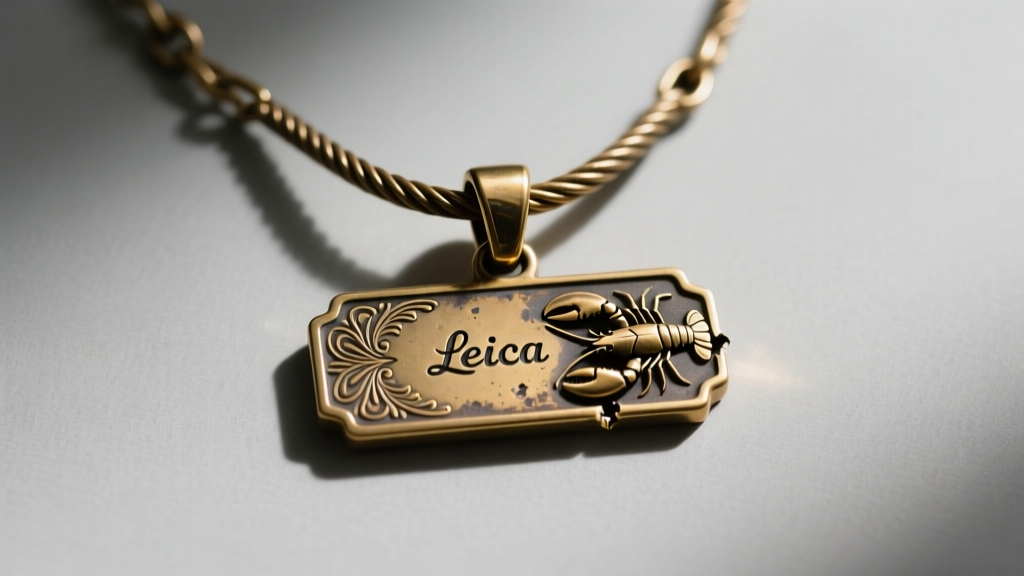
- Flash-Plated Brass: Often sold as "gold tone." The gold layer is less than 0.1 microns thick. It will wear off in weeks, exposing copper and zinc alloys that react with sweat to cause contact dermatitis. Solution: Discard or have it professionally stripped and replated with a thick layer of rhodium or solid gold.
- Gold Vermeil: By definition, vermeil must be a sterling silver (925) base plated with at least 2.5 microns of 10k, 14k, or 18k gold. If your vermeil is tarnishing quickly, the manufacturer likely skipped the crucial nickel-free barrier layer between the silver and gold. Solution: Seek out jewelers who use a palladium or platinum barrier layer before the final gold strike.
- Sterling Silver (925): Contains 7.5% copper, which oxidizes (tarnishes) when exposed to sulfur in the air and human sweat. Solution: Upgrade to Argentium Silver (935). Argentium replaces some of the copper with germanium, making it highly tarnish-resistant and naturally brighter without the need for rhodium plating.
Design Clashes: Balancing the Nameplate and Gemstone
Troubleshooting isn't just about structural integrity; it is also about visual mechanics. A common design flaw occurs when a delicate script-font nameplate is overwhelmed by a massive, bezel-set birthstone charm. The visual weight becomes lopsided, and the chain constantly slides to one side, forcing the wearer to readjust the necklace.
Correcting the Center of Gravity
To fix a necklace that refuses to lay flat against the collarbone, the center of gravity must be recalculated. Instead of hanging the birthstone charm from the center letter of the nameplate (which causes the nameplate to bow downward), have a jeweler solder the birthstone charm directly to the bottom edge of the nameplate's backing plate. Alternatively, utilize a "floating" design where the birthstone is integrated into the chain itself, sitting exactly two inches away from the nameplate. This distributes the weight across the clavicle rather than concentrating it at the sternum.
Expert Maintenance Checklist
Even a perfectly engineered name and birthstone necklace requires specific maintenance protocols to survive daily wear. The Jewelers of America warns against one-size-fits-all cleaning methods, especially when custom pieces mix durable metals with fragile organic gems.
- Never use ultrasonic cleaners on necklaces featuring opals, pearls, emeralds, or turquoise. The high-frequency vibrations will shatter the internal crystalline structure of these soft or included stones.
- Check the clasp spring mechanism monthly. If the lobster clasp lever feels sluggish or fails to snap back instantly, the internal spring is compromised by lotion buildup or metal fatigue. Replace it immediately before the necklace is lost.
- Apply cosmetics first. Hairspray, perfume, and lotions contain alcohols and volatile organic compounds that will strip anti-tarnish coatings and degrade the epoxy used in some budget birthstone settings.
- Store flat, not hanging. Hanging a heavy nameplate on a jewelry tree causes the chain links to stretch permanently over time due to constant gravitational pull. Store the piece flat in an anti-tarnish cloth pouch.
By understanding the mechanical and chemical vulnerabilities inherent in custom jewelry, you can transform a fragile, problematic accessory into a resilient, lifelong heirloom. Always consult a certified bench jeweler to execute structural upgrades like laser welding and bezel conversions, ensuring your personalized piece remains as enduring as the memories it represents.


