Troubleshooting Your Padlock Necklace: Stuck Clasps & Lost Keys
Is your padlock necklace stuck, tarnished, or missing its key? Learn expert troubleshooting steps to fix clasps, free shackles, and restore your jewelry.

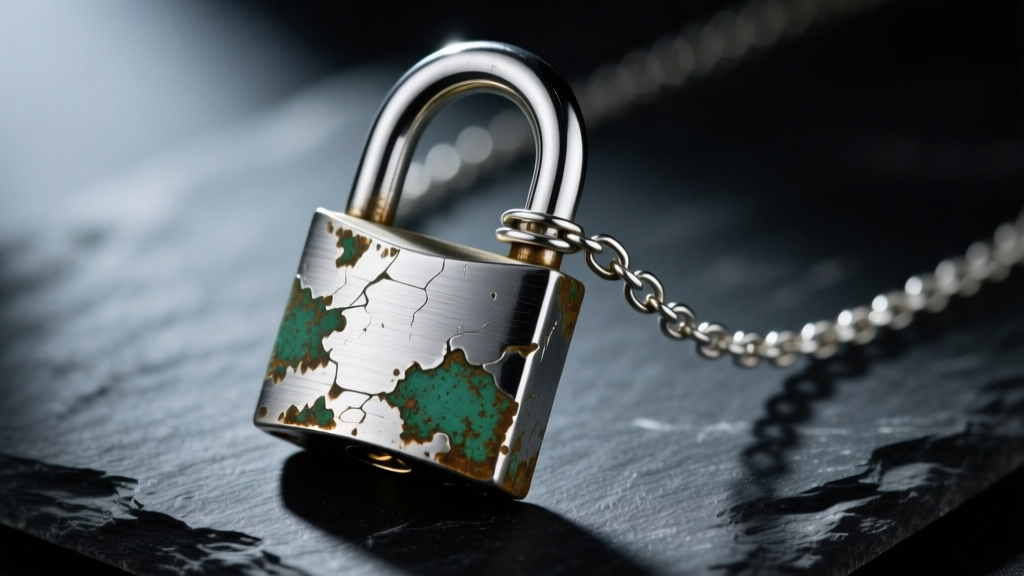
Padlock necklaces have transcended their origins as mere symbols of affection to become staple pieces in modern jewelry wardrobes. However, the intricate mechanical nature of a functional padlock pendant introduces unique failure points that standard pendants simply do not have. Whether you are dealing with a jammed shackle, a lost micro-key, or a snapped chain, troubleshooting a padlock necklace requires an understanding of both metallurgy and micro-mechanics. This comprehensive guide provides actionable, expert-level solutions to the most common mechanical and cosmetic failures associated with lock-style jewelry.
The Anatomy of Padlock Necklace Mechanisms
Before attempting any repairs, it is crucial to identify the specific mechanism of your necklace. The market is generally divided into two categories:
- Decorative Padlocks: These feature a solid lock body with a fixed shackle. The actual opening mechanism is a standard lobster claw, spring ring, or magnetic clasp hidden on the chain or the back of the pendant.
- Functional Miniature Padlocks: Often referred to as 'love locks,' these feature a moving shackle operated by a micro-keyway (typically 0.8mm to 1.2mm wide) and an internal spring-loaded pin tumbler or wafer mechanism.
Misidentifying the lock type is the leading cause of accidental damage during DIY troubleshooting. Applying excessive force to a decorative lock's fixed shackle will inevitably snap the solder joints, while treating a functional lock like a standard clasp will ruin the internal wafers.
Troubleshooting a Stuck or Jammed Shackle
A functional padlock shackle that refuses to pop open is almost always the result of microscopic debris accumulation or metal oxidation. Human sebum, dead skin cells, lotions, and environmental dust easily infiltrate the 0.5mm gap between the shackle and the lock body, eventually hardening into a cement-like barrier.
Step 1: Degreasing and Debris Removal
Do not immediately reach for liquid lubricants like WD-40. Petroleum-based oils attract more dust and can permanently cloud porous gemstones (like opals or turquoise) often set into the lock body. Instead, use an ultrasonic jewelry cleaner operating at 40 kHz. Fill the tank with warm distilled water and a few drops of mild, ammonia-free dish soap. Run the cleaner for three 3-minute cycles. The cavitation bubbles will penetrate the microscopic gaps around the shackle, dislodging hardened sebum without mechanical abrasion. According to the Gemological Institute of America (GIA), ultrasonic cleaning is highly effective for hard metals like 14k gold and 316L stainless steel, but should be avoided if your padlock features fracture-filled diamonds or soft organic gems.
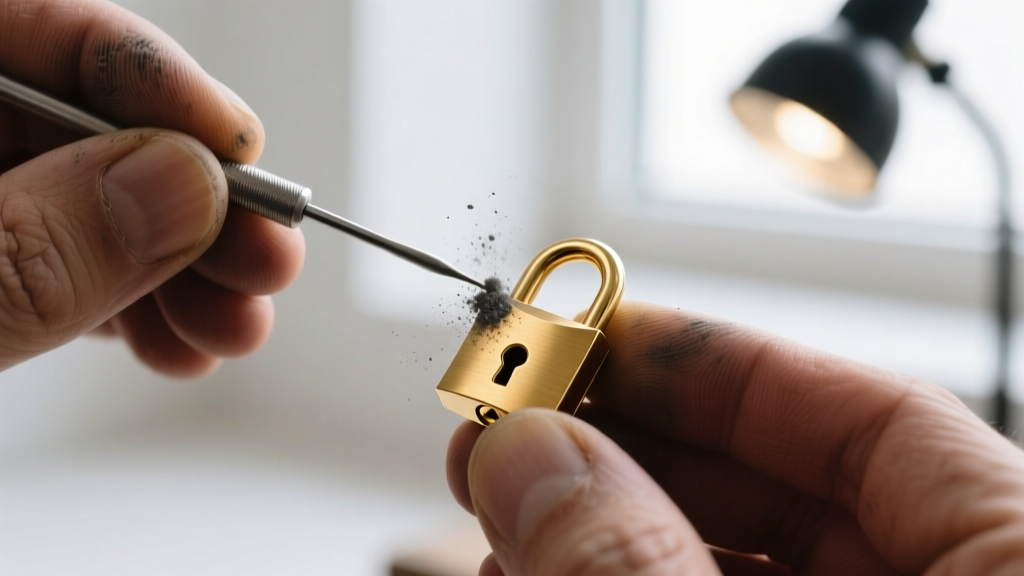
Step 2: Precision Lubrication and Thermal Expansion
If the ultrasonic bath fails, the internal spring may be corroded. Apply a minuscule amount of dry graphite powder or PTFE (Teflon) spray directly into the keyway and the shackle entry holes using a precision needle applicator. Insert the key and gently jiggle it to distribute the lubricant.
For sterling silver (925) padlocks, oxidation can cause the shackle to fuse to the lock body. You can use thermal expansion to break this bond. Submerge the lock body in hot (not boiling) water for 60 seconds. The outer brass or silver body will expand slightly faster than the steel internal spring, often providing the fractional millimeter of clearance needed for the shackle to release.
What to Do When You Lose the Padlock Key
Losing the micro-key to a functional padlock necklace is a common and frustrating issue. Because these keys are often made of soft brass or nickel-silver, they are also prone to snapping off inside the keyway. Your recovery strategy depends entirely on the lock's origin and value.
| Lock Type | Material & Value | Recovery Strategy |
|---|---|---|
| Mass-Market Novelty Lock | Zinc alloy / Low value | Use miniature bolt cutters to snip the 2mm shackle. Replace the entire pendant. |
| Branded Fine Jewelry Lock | 14k/18k Gold / High value | Contact the manufacturer. Many luxury brands keep keyway codes and can cut a replacement key or drill the lock safely. |
| Custom/Indie Maker Lock | Sterling Silver / Medium | Take to a master locksmith who specializes in micro-locks. They can often pick the 3-pin wafer system or impression a new key. |
| Sentimental 'Love Lock' | Brass or Steel / Sentimental | Use a Dremel tool with a diamond cutting wheel to carefully slice the shackle, preserving the engraved lock body as a fixed pendant. |
Chain and Clasp Failure Modes
The padlock pendant is only half the equation; the chain must support the mechanical stress of the lock's weight and the pulling force required to open it. A frequent failure mode is the snapping of the jump ring connecting the chain to the lock's shackle.
Upgrading Weak Links
Most mass-market padlock necklaces are strung on 1.0mm to 1.2mm cable chains. These thin chains have a tensile failure point of less than 3 pounds. When a user pulls on the necklace to unfasten it, the sudden kinetic shock easily exceeds this limit. To permanently solve this, upgrade your chain to a 2.0mm or 2.5mm wheat chain or box chain, which distribute lateral stress much more effectively. Furthermore, replace the standard split jump ring with a 3mm soldered jump ring. A soldered ring has no gap, eliminating the risk of the chain pulling apart under tension.
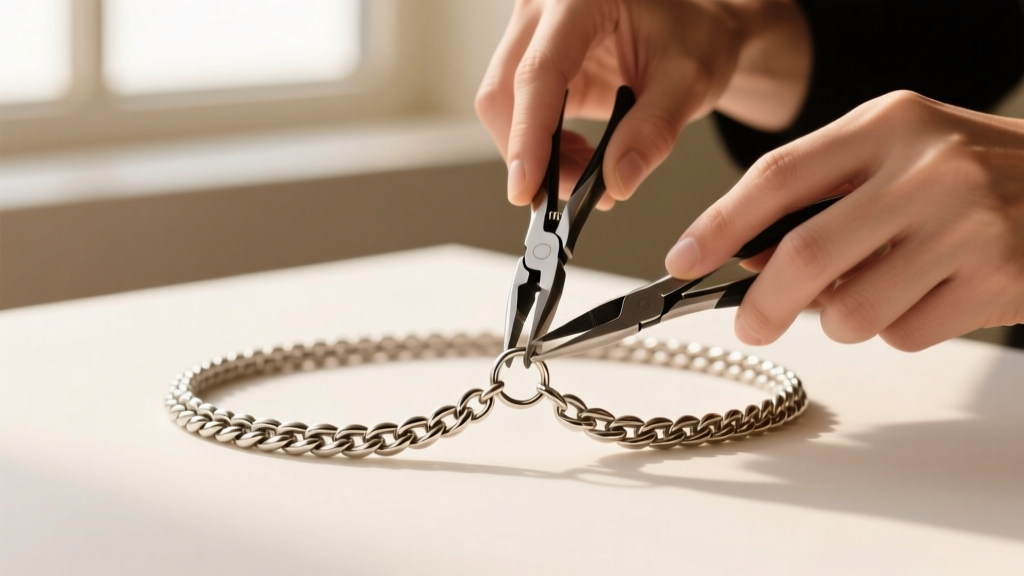
Fixing a Stiff Lobster Clasp
If the chain's lobster clasp becomes stiff or fails to snap back into place, the internal spring is likely compromised by lotion buildup or metal fatigue. While you can attempt to flush the clasp with isopropyl alcohol to dissolve oils, a fatigued spring cannot be repaired. The Federal Trade Commission (FTC) Jewelry Guides emphasize the importance of secure fastenings in precious metal jewelry to prevent loss. Always replace a failing lobster clasp with a high-quality stainless steel or solid gold trigger clasp rather than attempting to bend the lever back into shape, which will inevitably lead to a catastrophic snap.
Preventative Maintenance for Longevity
Preventing mechanical failure is vastly superior to troubleshooting it. Implement these three maintenance habits to ensure your padlock necklace remains functional for decades:
- The 'Dry Lock' Rule: Never wear a functional padlock necklace in the shower, pool, or ocean. Chlorine and saltwater rapidly corrode the microscopic steel springs inside the lock body, leading to irreversible seizing.
- Annual Graphite Servicing: Once a year, apply a tiny puff of dry lock graphite into the keyway and work the key in and out. This keeps the pin tumblers moving freely and prevents brass-on-brass galling.
- Proper Storage: Store the necklace fully unlocked. Leaving the shackle in the compressed, locked position for months at a time can cause the internal spring to take a 'set' (lose its tension memory), resulting in a shackle that no longer pops open when the key is turned.
By understanding the mechanical vulnerabilities of your jewelry and applying targeted, material-specific troubleshooting techniques, you can rescue a seemingly broken padlock necklace and restore both its function and its sentimental value.


