Material Guide: Choosing a Heart and Wings Necklace Metal
Compare metals for your heart and wings necklace. Discover durability, pricing, and tarnish resistance for silver, gold, and platinum pendant designs.

The Anatomy of a Heart and Wings Necklace: Why Material Matters
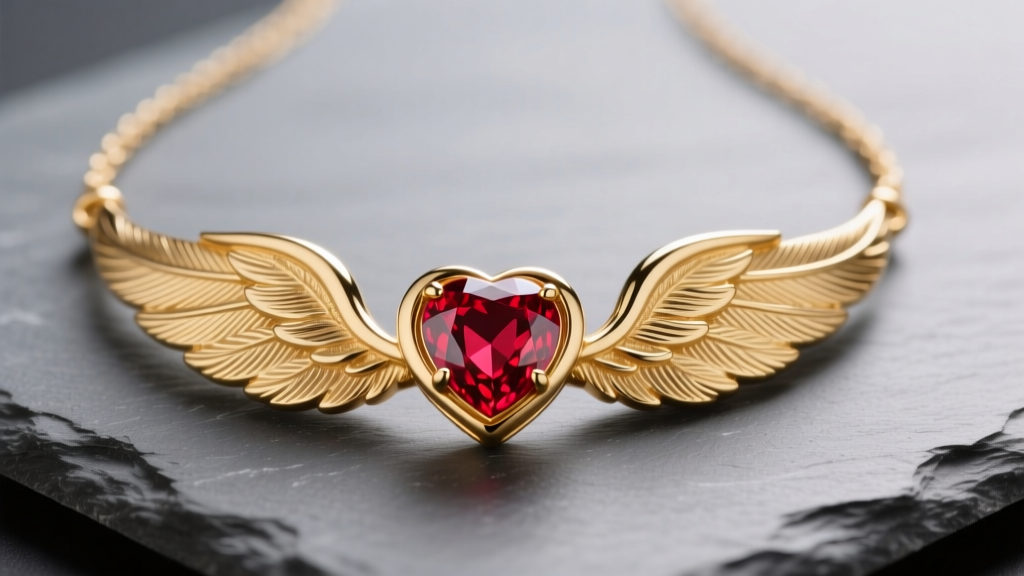
When selecting a heart and wings necklace, the aesthetic appeal of the motif often overshadows the metallurgical realities of the design. This specific silhouette—featuring a central heart flanked by outstretched, feathered wings—presents unique structural challenges for jewelers. The wing tips are inherently thin and prone to snagging, while the central heart often houses a gemstone requiring secure prongs. The metal you choose dictates not only the necklace's color and price but its long-term survivability against bending, casting porosity, and daily wear.
Most commercial pendants are created via lost-wax casting. In this process, thin extremities like wing tips cool faster than the thicker central heart, which can lead to shrinkage porosity if the sprue placement isn't optimized. Choosing a metal with the right Vickers Hardness (HV) and tensile strength is critical to ensuring the wings do not snap and the heart's gemstone remains secure. Below, we break down the exact material properties you need to consider before investing in this intricate design.
Precious Metals: Gold, Platinum, and Silver Compared
The foundation of any fine jewelry piece lies in its alloy composition. According to the Federal Trade Commission Jewelry Guides, precious metals must meet strict purity standards, but their alloying metals dramatically alter their physical behavior in intricate designs like wings and hearts.
14k vs. 18k Gold: The Hardness Dilemma
Gold is alloyed with metals like copper, silver, and zinc to increase its durability. For a heart and wings necklace, the karat weight directly impacts the structural integrity of the delicate feather tips.
- 14k Gold (58.5% Pure): With a Vickers Hardness (HV) of approximately 140-160, 14k gold is exceptionally resilient. It is the optimal choice for daily wear, as the thin wing tips will resist bending when caught on clothing. It also holds prongs tightly around the central heart's gemstone.
- 18k Gold (75% Pure): Softer and more malleable (HV 120-130), 18k gold offers a richer, deeper yellow or rose hue. However, to prevent the wing tips from snapping, jewelers must cast 18k gold pendants slightly thicker, which can slightly reduce the delicate, airy look of the feathers.
Note on White Gold: Both 14k and 18k white gold are plated with rhodium to achieve a bright white finish. On a textured wing motif, the rhodium will wear off the high-relief feathers quickly, requiring re-plating every 12 to 18 months to maintain a uniform color.
Sterling Silver (925): The Tarnish Factor
Sterling silver is an alloy of 92.5% silver and 7.5% copper. The Silver Institute notes that while silver is highly reflective, its copper content makes it highly susceptible to oxidation. With a low HV of 60-70, sterling silver is very soft. If you purchase a silver heart and wings necklace, expect the wing tips to bend easily. Furthermore, the deep crevices between the feathers will trap moisture and sulfur, leading to heavy tarnishing that is difficult to polish out without a specialized horsehair brush or ultrasonic cleaner.
Platinum (950): The Heavyweight Champion
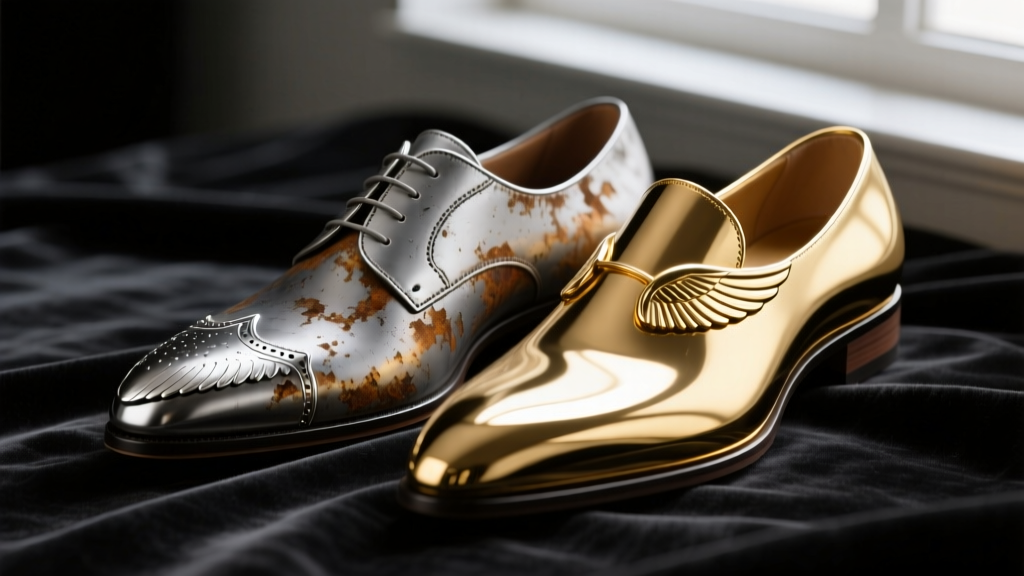
Platinum is dense, hypoallergenic, and highly resistant to wear. Unlike gold, which loses microscopic layers of metal when scratched, platinum merely displaces. This makes it the ultimate metal for the prongs securing a diamond in the central heart. However, platinum's high density means a solid platinum wings pendant will be significantly heavier than its gold counterpart. A pendant that weighs 4 grams in 14k gold might weigh 7 to 9 grams in platinum, necessitating a much sturdier chain to prevent neck strain and clasp failure.
Material Properties Comparison Chart
Use this data table to compare the physical properties and market pricing of the most common metals used for intricate winged heart pendants.
| Metal Alloy | Vickers Hardness (HV) | Tarnish Risk | Average Price Range (USD) | Best Application |
|---|---|---|---|---|
| Sterling Silver (925) | 60 - 70 | High | $40 - $120 | Occasional wear, budget-conscious buyers |
| 14k Yellow/White Gold | 140 - 160 | Low | $250 - $650 | Daily wear, intricate thin wing tips |
| 18k Yellow/Rose Gold | 120 - 130 | Very Low | $450 - $900 | Rich color, luxury heirloom pieces |
| Platinum (950) | 110 - 125 | None | $800 - $1,800+ | Secure heart gemstone prongs, heavy pendants |
Alternative & Base Metals: What to Avoid
When shopping for affordable heart and wings necklaces, you will encounter base metals. While budget-friendly, they come with severe metallurgical drawbacks:
- Brass and Bronze: These copper-heavy alloys oxidize rapidly, turning the skin green due to a reaction with skin acidity. They are also highly porous when cast into thin shapes, making brass wing tips incredibly brittle and prone to snapping at the base.
- Zamak (Zinc Alloy): Common in fast-fashion jewelry, Zamak is cast at low temperatures. It lacks the tensile strength to support gemstone prongs in the central heart; stones will frequently fall out as the metal deforms under minor pressure.
- Titanium (Grade 5): While incredibly strong (HV ~350) and lightweight, titanium cannot be easily resized or repaired using traditional jeweler's soldering techniques. If a titanium wing snaps off, the pendant is generally unrepairable.
Chain Pairing: Matching the Pendant Metallurgy
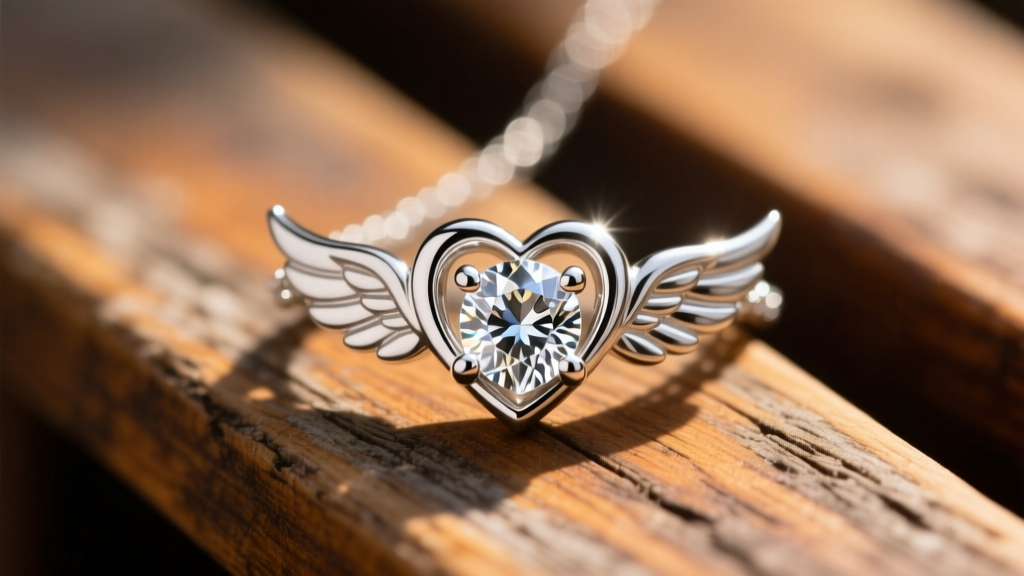
A common failure point in jewelry is a mismatched chain and pendant. The metallurgy and weight of your heart and wings pendant must dictate the chain's gauge and style.
For Silver and 14k Gold Pendants (Under 5 Grams)
Lightweight pendants pair best with delicate chains. A 0.9mm to 1.2mm rope chain or a 1.0mm cable chain provides enough tensile strength to hold the pendant without visually overpowering the intricate wing details. Ensure the clasp is a spring ring or a small lobster clasp, which keeps the overall weight balanced.
For Platinum and Solid 18k Gold Pendants (Over 6 Grams)
Heavier metals require robust chains to prevent the chain links from stretching or the clasp from failing. Opt for a 1.5mm to 2.0mm curb chain or a 1.5mm box chain. Box chains are particularly recommended for heavy pendants because their interlocking square links distribute weight evenly and resist kinking, which is vital when supporting a dense platinum heart.
Expert Care Tips for Intricate Wing Motifs
Maintaining a heart and wings necklace requires specific techniques to preserve the fine details of the feathers and the security of the heart's gemstone.
"Never use a standard silver polishing cloth on the deep crevices of a winged pendant. The cloth will only polish the high points, leaving the tarnished recesses looking dirty. Instead, use a soft horsehair detailing brush with a few drops of mild dish soap and warm water to gently agitate the dirt out of the feather grooves."
Additionally, be cautious with ultrasonic cleaners. While they are excellent for removing grime from intricate wing textures, the high-frequency vibrations can loosen gemstones if the heart's prongs are already worn thin. Always have a jeweler inspect the prongs under a 10x loupe annually before subjecting the piece to ultrasonic cleaning. By understanding the material properties and structural vulnerabilities of your chosen metal, you can ensure your necklace remains a pristine symbol of love and freedom for decades.


