How to Clean and Care for Your Custom Juice WRLD Necklace
Learn expert cleaning and maintenance tips for your Juice WRLD necklace. Protect iced-out pendants, prevent tarnish, and keep stones sparkling.

The Legacy and Anatomy of a Juice WRLD Necklace
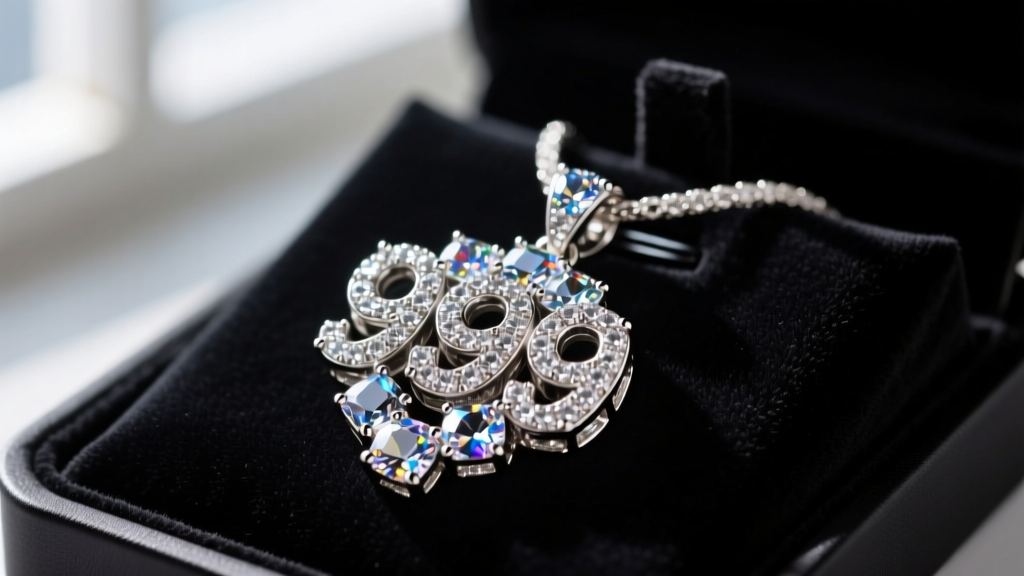
Jarad Higgins, known to the world as Juice WRLD, left an indelible mark not just on the music industry, but on hip-hop jewelry culture. His signature custom pieces—ranging from the iconic "999" pendants to intricate heart lockets and iced-out portrait chains—have inspired a massive market of replicas, fan-made tributes, and custom homages. However, owning a Juice WRLD necklace comes with a unique set of maintenance challenges. Hip-hop jewelry is typically characterized by heavy metal bases, intricate pave stone settings, and thick gold or rhodium plating. Without proper care, the brilliant sparkle of these tribute pieces can quickly dull, and the plating can degrade.
To maintain the structural integrity and visual brilliance of your pendant and chain, you must understand the materials involved. Most high-quality tribute pieces are crafted from a 925 sterling silver base, electroplated with 2.5 to 5.0 microns of 14k or 18k gold, and set with AAA-grade cubic zirconia (CZ) or VVS moissanite. Lower-tier replicas might use a brass base with a thin 0.5-micron flash plating. The cleaning protocol you adopt must be tailored to these specific material grades to avoid irreversible damage.
The Chemistry of Tarnish and Clouding
Before diving into the cleaning process, it is crucial to understand why your jewelry loses its luster. Tarnish on a silver-based Juice WRLD necklace is not a defect; it is a chemical reaction. When the copper alloyed within 925 sterling silver reacts with sulfur compounds in the air, sweat, or cosmetics, it forms silver sulfide—a dark, dull layer on the surface. According to the Jewelers of America, human sebum (skin oil) and everyday lotions accelerate this process significantly.
Furthermore, the stones in iced-out pendants are prone to "clouding." This is not internal damage to the CZ or moissanite, but rather a buildup of microscopic debris—dead skin cells, soap scum, and lotion—trapped beneath the pave prongs. Because hip-hop pendants feature hundreds of tightly set micro-stones, the surface area for debris accumulation is massive, blocking light refraction and making the stones appear gray or milky.
Step-by-Step Cleaning Protocol for Iced-Out Pendants
Cleaning a heavily iced pendant requires a gentle, methodical approach. Harsh chemicals like bleach, ammonia, or commercial silver dips will strip the gold electroplating and degrade the adhesive sometimes used in lower-tier pave settings. Follow this expert-approved routine to safely restore your chain and pendant.
1. The Warm Soapy Soak
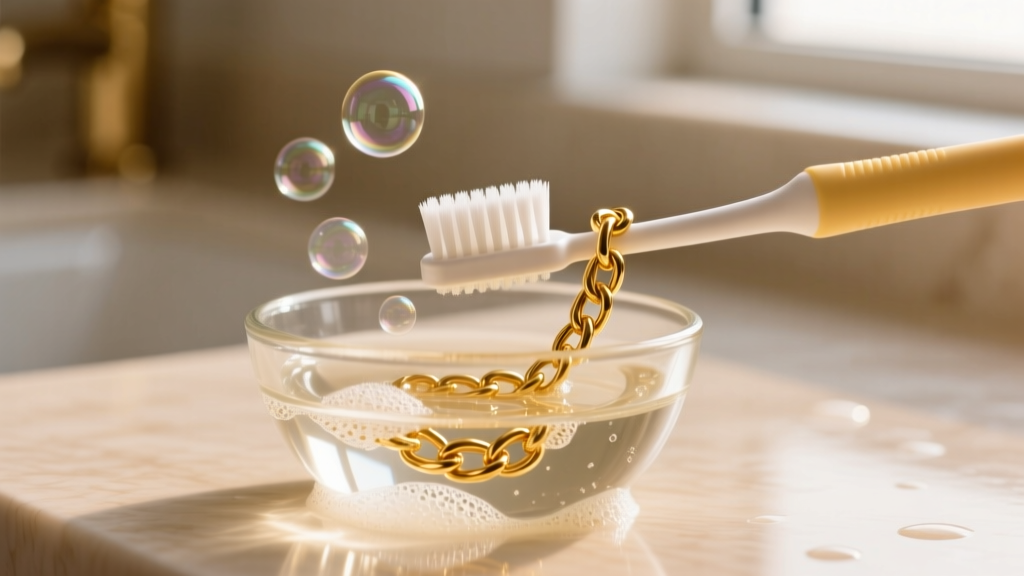
Fill a small glass bowl with distilled water (tap water contains chlorine and hard minerals that can leave spots) heated to roughly 95°F (35°C). Add three drops of a mild, phosphate-free dish soap, such as Dawn. Submerge your necklace and let it soak for exactly 10 to 15 minutes. This softens the sebum and lotion trapped under the stone prongs without compromising the metal plating.
2. The Micro-Brush Agitation
Remove the necklace from the solution. Using a brand-new, extra-soft baby toothbrush or a specialized jewelry detailing brush, gently agitate the surface. Do not scrub in harsh circles; instead, use light, flicking motions to dislodge debris from beneath the pave settings. Pay special attention to the bail (the loop connecting the pendant to the chain), as this is a primary friction point where grime accumulates.
3. The Distilled Rinse and Air Dry
Rinse the piece thoroughly under a gentle stream of lukewarm distilled water. Never plug the sink drain when rinsing fine jewelry. After rinsing, pat the piece gently with a clean, lint-free microfiber cloth. Allow it to air dry completely on a paper towel before storing. Trapped moisture against the skin or in a jewelry box can accelerate tarnishing.
Material-Specific Cleaning Guidelines
Not all tribute necklaces are created equal. Use the table below to determine the safest cleaning parameters based on your specific piece's construction.
| Base Material | Plating Type | Stone Type | Recommended Cleaning Method | What to Avoid |
|---|---|---|---|---|
| 925 Sterling Silver | 2.5+ Micron Gold/Rhodium | VVS Moissanite | Warm soapy soak, soft brush, microfiber dry | Silver dip solutions, ultrasonic cleaners |
| 925 Sterling Silver | 2.5+ Micron Gold/Rhodium | AAA Cubic Zirconia | Warm soapy soak, soft brush, microfiber dry | Steam cleaners, abrasive polishing cloths |
| Brass / Stainless Steel | PVD Coating | CZ / Glass | Damp microfiber wipe, mild soap if needed | Prolonged soaking, ultrasonic cleaners |
| Brass | Flash Plating (< 1 Micron) | CZ | Dry microfiber polishing only | Water immersion, any liquid cleaners |
The Ultrasonic Cleaner Trap: A Warning
Many collectors mistakenly believe that ultrasonic cleaners are the ultimate solution for hip-hop jewelry. While the Gemological Institute of America (GIA) notes that ultrasonic machines are excellent for solid gold and platinum pieces with secure stone settings, they are highly destructive to plated hip-hop jewelry. The high-frequency sound waves create microscopic cavitation bubbles that implode against the metal surface. On a solid 14k chain, this removes dirt. On an electroplated Juice WRLD necklace, this microscopic hammering will cause the gold or rhodium plating to flake, peel, and delaminate from the silver or brass base. Furthermore, the vibrations can loosen the delicate micro-prongs holding pave stones, leading to catastrophic stone loss.

Advanced Maintenance: Prong Tightening and Replating
Even with meticulous at-home care, a heavily worn pendant will eventually require professional intervention. The friction of the pendant rubbing against your chest, combined with the weight of the piece pulling on the bail, causes metal fatigue over time.
- Prong Inspection: Every six months, inspect the pave settings using a 10x jeweler's loupe. Look for lifted or flattened prongs. If a prong is no longer gripping the stone's girdle, the piece must be taken to a jeweler for laser retipping before the stone falls out.
- Replating (Re-dipping): If the gold plating on the high-friction areas (like the back of the pendant or the chain links) begins to wear through to the silver base, a professional jeweler can polish the piece and re-electroplate it. Expect to pay between $45 and $120 for a high-quality 2.5-micron replating job, depending on the pendant's surface area.
- Rhodium Flashing: For silver-toned pieces, a fresh flash of rhodium will restore the bright, white-metal luster and provide a temporary barrier against sulfur tarnishing.
Strategic Storage to Prevent Tarnish
How you store your Juice WRLD necklace when it is not being worn is just as critical as how you clean it. Tossing an iced-out pendant into a communal jewelry box guarantees two things: the chain will tangle, and the stones will scratch each other. While CZ and moissanite are hard (8.5 and 9.25 on the Mohs scale, respectively), they can still scratch the metal plating or abrade the girdles of adjacent stones.
Pro Tip: Always store your pendant and chain separately in individual anti-tarnish flannel pouches. For maximum protection, place a 3M anti-tarnish strip inside the pouch. These strips absorb airborne sulfur compounds and can extend the time between necessary cleanings by up to 12 months.
By understanding the specific material composition of your tribute jewelry and adhering to a strict, gentle cleaning protocol, you can ensure that your necklace remains as vibrant and impactful as the legacy it represents. Consistent care prevents the need for aggressive polishing, preserving the intricate details and the precious metal plating for years to come.


