Troubleshooting Affordable Luxury Necklaces: Tarnish & Clasp Fixes
Fix tarnish, broken clasps, and green skin with our expert troubleshooting guide for affordable luxury necklaces. Restore your vermeil and gold-filled chains.

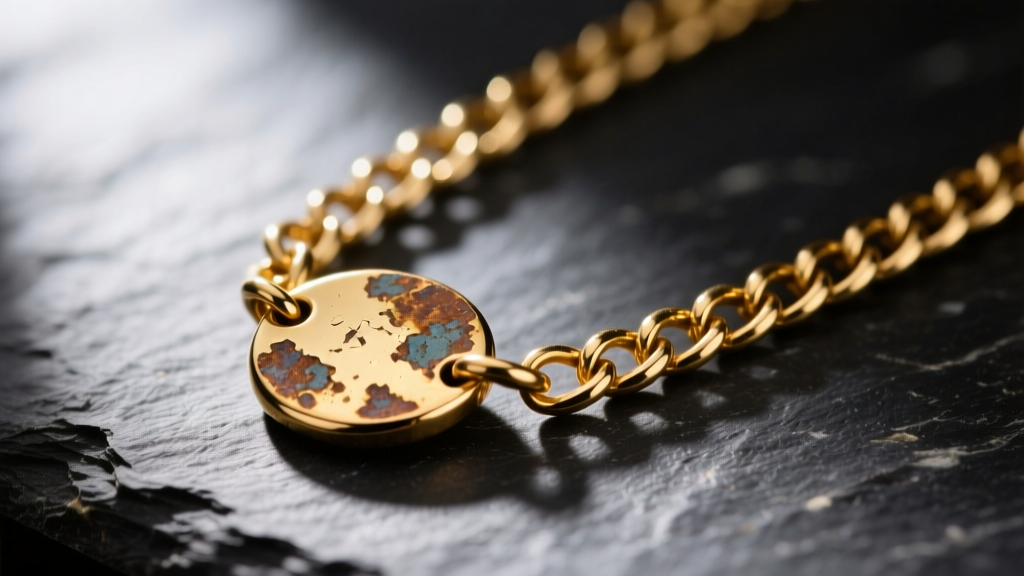
The demi-fine jewelry market has exploded, offering consumers the aesthetic appeal of high-end pieces without the exorbitant price tags. However, as we navigate the 2026 landscape of accessible elegance, buyers and collectors alike are encountering a shared frustration: the premature degradation of their favorite pieces. Affordable luxury necklaces—typically ranging from $50 to $250 and crafted from gold vermeil, gold-filled wire, or PVD-coated stainless steel—occupy a tricky middle ground. They are vastly superior to fast-fashion costume jewelry, yet they lack the immortal durability of solid 14k or 18k gold.
When your favorite pendant turns your skin green, or the clasp refuses to snap shut, the piece isn't necessarily ruined. By understanding the metallurgy and mechanics of these necklaces, you can diagnose, troubleshoot, and reverse the most common points of failure. This guide provides actionable, expert-level solutions to restore your demi-fine collection.
The Anatomy of Failure: Why Affordable Luxury Degrades
To troubleshoot effectively, you must first identify the foundational materials of your necklace. The Federal Trade Commission (FTC) Jewelry Guides strictly regulate terms like 'vermeil' and 'gold-filled,' but the market is flooded with misleading marketing jargon like 'gold-dipped' or 'gold-plated,' which often hide inferior base metals.
- Gold Vermeil: Must be a sterling silver (925) base plated with at least 10k gold, with a minimum thickness of 2.5 microns. Failure usually occurs when the plating is worn down to the 0.5-micron 'flash' level by unscrupulous manufacturers.
- Gold-Filled: Composed of a brass or copper core with a thick outer layer of solid gold (usually 14k) that constitutes at least 1/20th of the total weight. Highly durable, but vulnerable to deep scratches that expose the brass core.
- PVD Coated Stainless Steel: Physical Vapor Deposition binds gold molecules to a 316L surgical steel base. It is highly resistant to tarnish but can suffer from 'chipping' if struck against hard surfaces.
Problem 1: Rapid Tarnishing and the 'Green Skin' Effect
The most frequent complaint regarding affordable luxury necklaces is the dreaded green discoloration on the décolletage. This is not an allergic reaction; it is a predictable electrochemical reaction.
Diagnosing the Copper Chloride Reaction
When the thin gold layer on a vermeil or plated necklace wears away, the underlying base metal (often brass or copper-heavy alloys) is exposed to the acidic pH of human sweat, cosmetics, and environmental sulfur. The copper reacts to form copper chloride, a green salt that transfers directly to your skin.
Troubleshooting and Restoration Steps
- Immediate Mitigation: Wipe the chain down with a microfiber cloth dampened with isopropyl alcohol to remove acidic sweat and lotion buildup immediately after wearing.
- The Clear Coat Fallacy: Many online hacks suggest painting the chain with clear nail polish. Avoid this. Nail polish contains solvents that can degrade porous semi-precious stones and will eventually yellow, creating a sticky residue that attracts dirt.
- Professional Re-Plating: If your sterling silver vermeil necklace has lost its gold layer, take it to a local jeweler for electroplating. Request a minimum of 2.5 microns of 18k yellow gold to ensure the piece meets true vermeil standards and lasts for years.
- Rhodium Flashing for Silver: If the underlying sterling silver is tarnishing black, a jeweler can apply a microscopic layer of rhodium (a platinum group metal) to create an impenetrable, anti-tarnish barrier.
Expert Insight: 'Consumers often confuse tarnished silver with ruined gold. If your vermeil necklace turns black rather than green, the gold has worn off, exposing the sterling silver base. This is easily polished away with a treated jeweler's cloth, unlike green copper oxidation which requires re-plating.' — Bench Jeweler's Quarterly, 2025 Metallurgy Report
Problem 2: Clasp Slippage and Chain Breakage
A necklace is only as secure as its weakest link, which is almost always the clasp assembly. In the affordable luxury sector, manufacturers frequently cut costs by using low-grade, mass-cast findings that fail under minimal tensile stress.
Upgrading Your Findings: A Troubleshooting Matrix
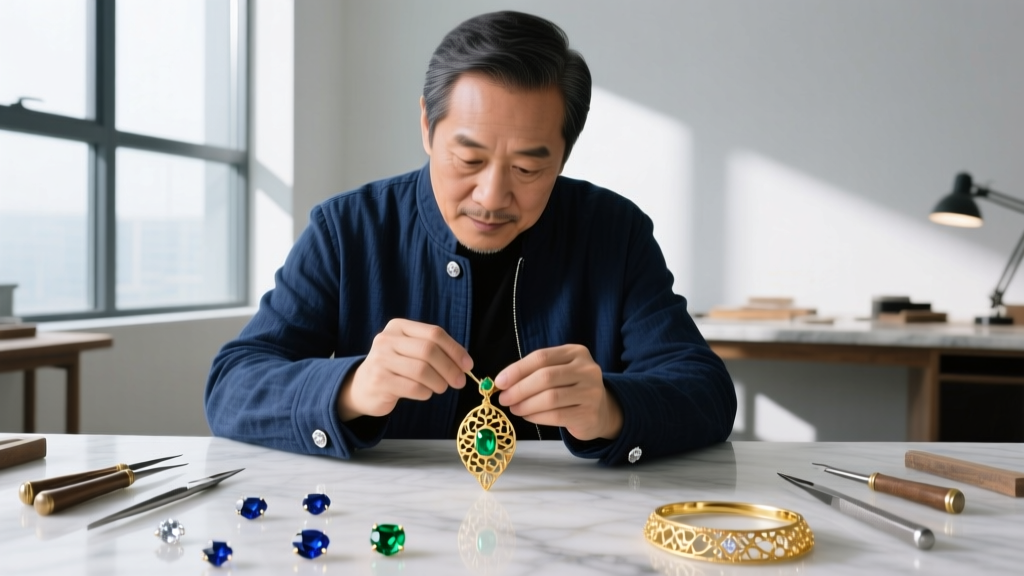
Instead of discarding a necklace with a broken clasp, use a pair of jewelry pliers to upgrade the finding. Below is a diagnostic table for common clasp failures and their permanent fixes.
| Clasp Type | Common Failure Mode | Troubleshooting Fix & Upgrade Path |
|---|---|---|
| Spring Ring | Internal carbon-steel spring rusts or loses tension, preventing the gate from closing. | Cut off and replace with a solid 925 sterling silver or 316L stainless steel lobster clasp. |
| Standard Lobster | The cast lever arm bends outward, causing the clasp to slip open when pulled. | Gently realign the arm using nylon-jaw pliers. Do not use steel pliers, which will mar the gold plating. |
| Magnetic | Neodymium magnet weakens over time, or the epoxy glue fails due to body heat. | Upgrade to a mechanical box clasp featuring a 'figure-8' safety wire for redundant security. |
| Bolt Ring | The threaded mechanism strips, leaving the necklace permanently locked or unable to close. | Replace entirely with a 5mm or 7mm gold-filled lobster clasp for superior tensile strength. |
Pro-Tip for Jump Rings: The split jump ring connecting the clasp to the chain is another major failure point. If the chain is slipping through the gap in the ring, ask your jeweler to solder the jump ring shut. This single $10 repair prevents the loss of necklaces worth hundreds of dollars.
Problem 3: Cloudy Gemstones and Porous Pearl Damage
Affordable luxury necklaces frequently feature semi-precious stones like moonstone, turquoise, and freshwater pearls to mimic the look of high jewelry. However, these materials require highly specific care protocols.
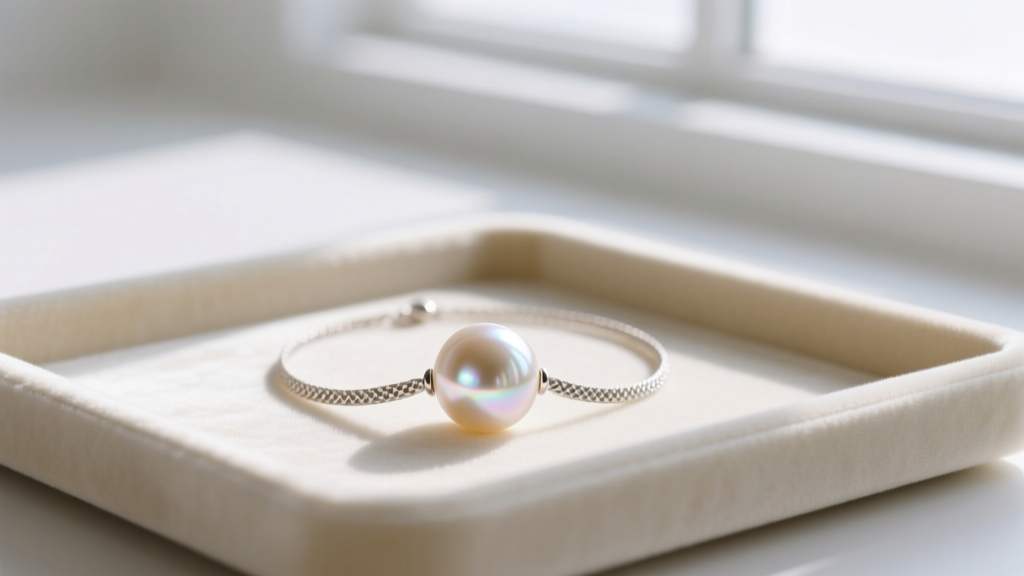
According to the Gemological Institute of America (GIA), organic gems like pearls and coral are incredibly soft (2.5 to 4 on the Mohs hardness scale) and highly porous. When a pearl pendant rests against the skin, it absorbs acidic perspiration, which slowly dissolves the calcium carbonate nacre, leading to a dull, etched surface.
Restoring Stone Luster Without Chemical Damage
- Never Use Ultrasonic Cleaners: The high-frequency vibrations will shatter opals, fracture emeralds, and strip the dye from agate and turquoise pendants.
- Avoid Commercial Silver Dips: Liquid tarnish removers contain thiourea and harsh acids that will permanently cloud the surface of porous stones and destroy pearl nacre on contact.
- The Baby Toothbrush Method: To clean cloudy gemstones, mix a drop of pH-neutral dish soap (like Dawn) into lukewarm distilled water. Gently agitate the stone with a soft-bristled baby toothbrush, rinse under a gentle stream of cool water, and pat dry with a lint-free microfiber cloth.
- Pearl Rehydration: If your freshwater pearls have lost their orient (luster), wipe them with a cloth very lightly dampened with purified water, and store them in a breathable cotton pouch. Pearls need ambient moisture; storing them in airtight plastic bags will cause them to crack and dehydrate.
The 2026 Maintenance Protocol: Preventative Care
Troubleshooting is reactive; maintenance is proactive. To maximize the lifespan of your affordable luxury necklaces, implement this three-step storage and care protocol.
- The 'Last On, First Off' Rule: Always put your necklace on after applying perfume, hairspray, and lotions. Conversely, remove it first when undressing to prevent snagging on fabrics, which stretches delicate cable chains.
- Anti-Tarnish Storage: Store each necklace individually in a ziplock bag equipped with a 3M anti-tarnish strip. These strips absorb ambient sulfur and hydrogen sulfide gases, effectively pausing the oxidation process for up to 12 months.
- Polishing vs. Abrading: Use a treated polishing cloth (such as a Sunshine cloth impregnated with jeweler's rouge) for the sterling silver components. Never use this cloth on the gold-plated sections, as the mild abrasives will strip the micron-thin gold layer straight off the base metal.
Conclusion
The allure of affordable luxury necklaces lies in their ability to deliver high-end design at an accessible price point. However, owning demi-fine jewelry requires a shift in mindset from passive wearing to active maintenance. By understanding the exact micron thickness of your plating, upgrading subpar clasps to surgical-grade alternatives, and respecting the chemical vulnerabilities of porous gemstones, you can easily troubleshoot common failures. With the right diagnostic approach, your favorite vermeil and gold-filled pieces will continue to elevate your wardrobe for years to come, proving that true luxury is defined not just by the initial purchase, but by the care it receives over time.


