Troubleshooting A Dull Cultured Freshwater Pearl Necklace
Is your cultured freshwater pearl necklace losing its luster? Learn expert troubleshooting tips to clean, restring, and restore your pearls.

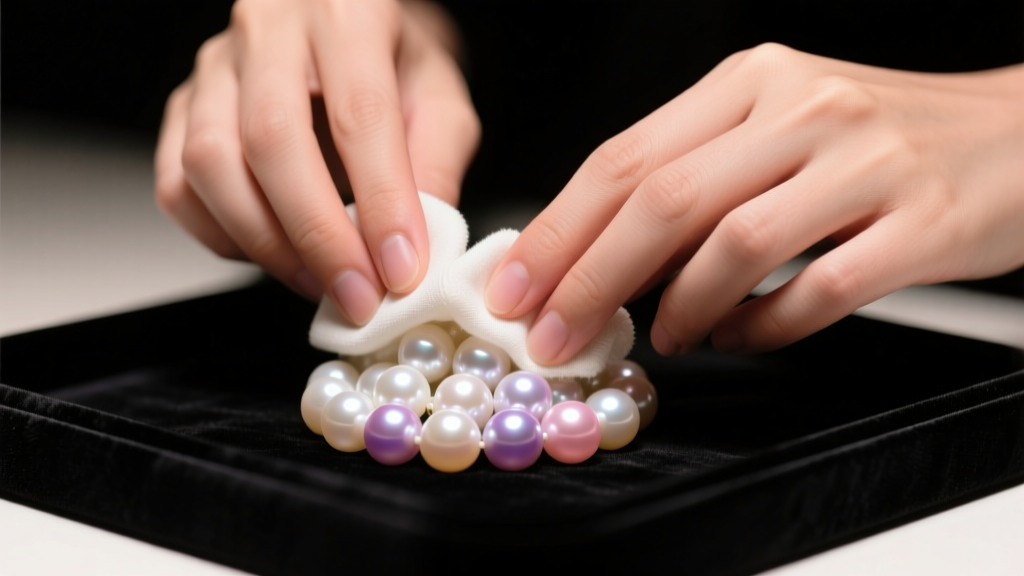
There is a distinct heartbreak that comes with pulling a beloved jewelry box from storage, only to find that your once-radiant cultured freshwater pearl necklace has lost its signature glow. Unlike crystalline gemstones such as diamonds or sapphires, pearls are organic gems. They are living archives of their environment, composed of delicate layers of aragonite and conchiolin. When a cultured freshwater pearl necklace begins to look chalky, yellowed, or structurally compromised, it is not merely 'dirty'—it is actively reacting to chemical or physical stressors.
In this comprehensive troubleshooting guide, we will diagnose the exact failure modes of freshwater pearls, from nacre etching to silk thread degradation. By understanding the material science behind your jewelry, you can implement targeted restoration techniques and establish a preventative care framework to preserve your necklace for decades.
The Anatomy of Pearl Deterioration: Why Pearls Lose Luster
To effectively troubleshoot a damaged necklace, you must first understand its microscopic structure. Cultured freshwater pearls are primarily grown in the Hyriopsis cumingii or Hyriopsis schlegeli mussels. Traditional tissue-nucleated freshwater pearls are composed of 100% solid nacre, while modern bead-nucleated varieties (often called Edison pearls) feature a mother-of-pearl shell bead coated with a nacre layer typically ranging from 0.8mm to 2.5mm thick.
Nacre itself is a composite material: microscopic hexagonal platelets of aragonite (calcium carbonate) bound together by conchiolin (an organic protein). The luster you see is the result of light refracting and reflecting through these translucent aragonite layers. When the necklace loses its luster, one of two things has happened:
- Aragonite Dissolution: Calcium carbonate is highly susceptible to acidic environments. When exposed to substances with a pH below 4.0, the aragonite platelets literally dissolve, leaving a microscopically rough, chalky surface that scatters light instead of reflecting it.
- Conchiolin Dehydration: The organic protein binder requires trace amounts of ambient moisture to remain flexible. When stored in airtight plastic or exposed to extreme heat, the conchiolin dries out, leading to internal micro-cracking and a yellowish-brown discoloration.
Troubleshooting Common Pearl Necklace Issues
Before attempting any cleaning or restoration, accurately diagnose the specific issue affecting your cultured freshwater pearl necklace. Use the diagnostic matrix below to identify the root cause and immediate required action.
| Issue | Visual Symptom | Root Cause | Immediate Action |
|---|---|---|---|
| Chalky Nacre | Dull, matte finish lacking overtone | Acidic exposure (sweat, perfume) | Wipe with damp microfiber |
| Yellowing | Warm, brownish tint to white pearls | Conchiolin dehydration | Rehydrate in humid environment |
| Fraying Silk | Gray fuzz at the knot, visible gaps | Tension and moisture degradation | Stop wearing; restring immediately |
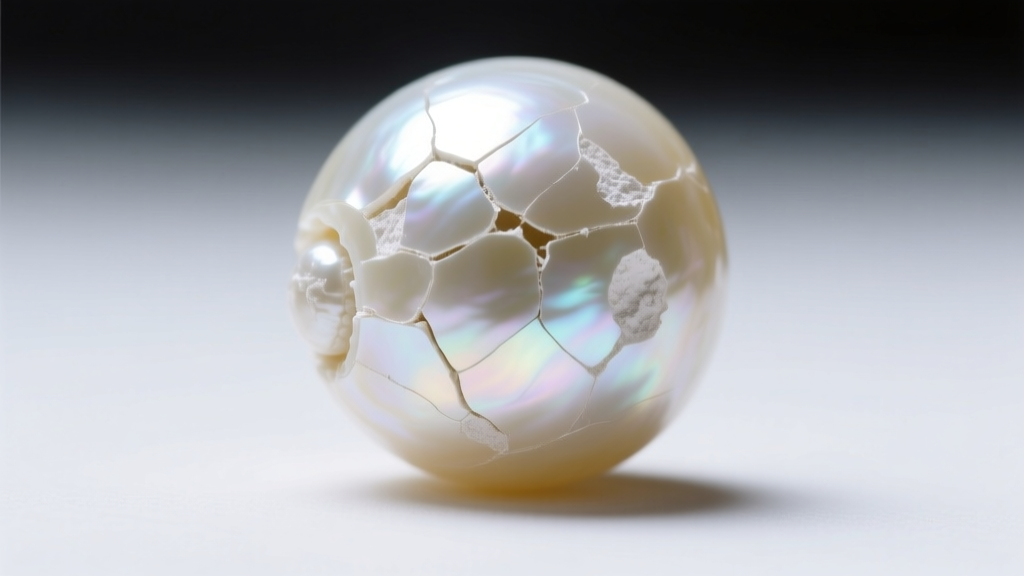
| Surface Pitting | Visible divots or rough patches | Chemical etching or physical impact | Consult a lapidary for polishing |
Issue 1: Chalky or Dull Nacre
If your pearls look like matte chalk rather than glowing orbs, they have likely suffered from acid etching. Human sweat has a pH ranging from 4.5 to 7.0, while cosmetics, hairsprays, and perfumes frequently drop below pH 4.0. According to the Gemological Institute of America (GIA), pearls rank between 2.5 and 4.5 on the Mohs hardness scale, making them exceptionally vulnerable to both chemical and physical abrasion. The acid eats away at the smooth aragonite platelets, destroying the mirror-like surface required for high luster.
Issue 2: Stretched or Fraying Silk Thread
High-quality pearl necklaces are strung on 100% silk thread, chosen for its softness and ability to knot securely between each pearl. However, silk is a natural protein fiber that degrades when exposed to moisture, body oils, and constant tension. If you notice the thread looking gray, fuzzy, or if the pearls slide freely between the knots rather than sitting snugly, the structural integrity of the necklace is compromised.
Issue 3: Discoloration and Yellowing
White freshwater pearls naturally possess a warm, creamy overtone, but an unnatural yellow or brownish tint indicates severe dehydration of the conchiolin. This is almost always a storage issue. Storing pearls in sealed plastic bags or safety deposit boxes without humidity control literally bakes the moisture out of the organic binder. Once conchiolin yellows deeply, the damage is often irreversible, though mild cases can be improved.
Step-by-Step Restoration: Cleaning and Polishing
If your cultured freshwater pearl necklace is suffering from surface dullness due to oils and mild acidic exposure, you can safely restore a degree of luster at home. Never use ultrasonic cleaners, steam cleaners, or commercial jewelry dips, as these will instantly destroy the nacre.
- The Distilled Water Wipe: Dampen a clean, lint-free microfiber cloth with distilled water (tap water contains chlorine and minerals that can leave residue). Gently wipe each pearl individually, applying zero pressure.
- The Castile Soap Treatment: For stubborn body oils, add a single drop of pH-neutral liquid castile soap to the damp cloth. Wipe the pearls, then immediately follow with a second cloth dampened only with distilled water to remove any soap residue.
- The Mineral Oil Trick: If the pearls remain slightly dull after cleaning, apply a microscopic drop of food-grade mineral oil to a soft cloth and buff the pearls. This temporarily fills in the micro-scratches caused by acid etching, restoring optical clarity and luster. Wipe off any excess oil before storing.
When to Restring: The 18-Inch Tension Test
A standard 18-inch princess-length necklace contains approximately 45 to 55 pearls, depending on their millimeter size. Over time, the silk stretches. To determine if your necklace requires professional restringing, perform the tension test: hold the necklace up by the clasp and let it hang freely. Gently run your fingers down the strand. If you can see more than 1/16th of an inch of thread between the knot and the pearl, or if the necklace gaps significantly when laid flat on a table, it must be restrung immediately to prevent a catastrophic break.
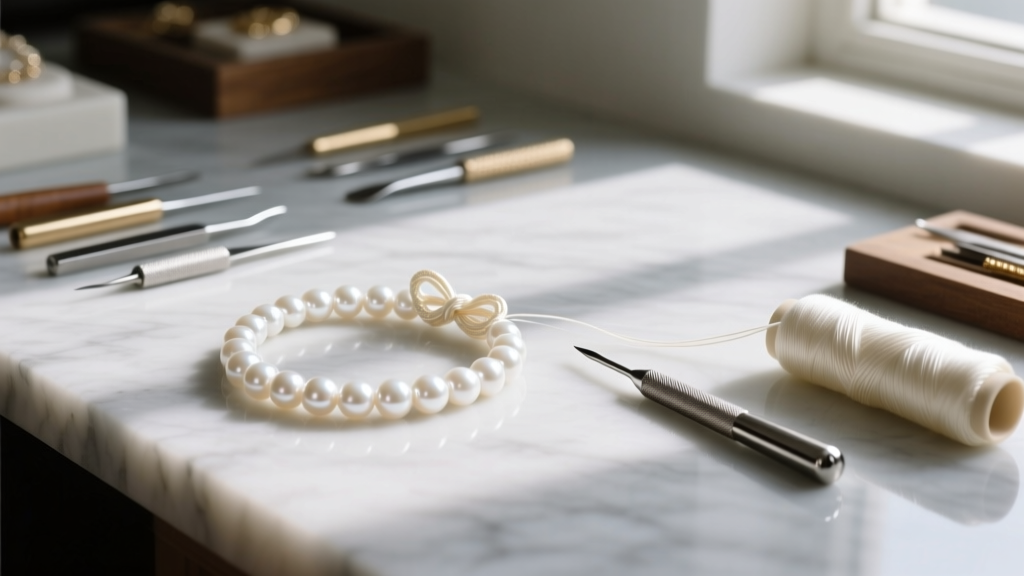
Professional jewelers typically use Size F or #2 silk thread for 7.0mm to 9.0mm freshwater pearls, ensuring the knot is large enough to prevent the pearl from slipping through the drill hole but small enough to remain discreet. A proper restringing job will also include 'French wire' (also known as gimp)—a tiny coiled metal spring placed over the silk at the clasp to prevent the metal jump ring from sawing through the thread. In 2026, expect to pay between $4.00 and $9.00 per inch for professional pearl restringing with individual hand-knotting.
Preventative Care Framework for Long-Term Preservation
Troubleshooting is only necessary when preventative measures fail. To protect the delicate aragonite and conchiolin structure of your cultured freshwater pearl necklace, adopt the following care framework endorsed by organizations like Jewelers of America:
- The 'Last On, First Off' Rule: Pearls must be the very last item you put on after applying makeup, perfume, and hairspray, and the very first item you take off when returning home. This eliminates 90% of chemical exposure.
- Proper Storage Environments: Never store pearls in airtight plastic or safety deposit boxes for extended periods. Store them in a soft cotton or linen pouch that allows for ambient air exchange. If you must use a safety deposit box, place a small, damp cotton ball in a separate, open container inside the box to maintain ambient humidity.
- Post-Wear Maintenance: Keep a dedicated jewelry microfiber cloth in your dressing area. Make it a habit to gently wipe down the entire strand of pearls before placing them back in their pouch. This removes the invisible layer of acidic sweat and skin oils that accumulates during wear.
By treating your cultured freshwater pearl necklace not just as an accessory, but as a delicate organic specimen, you can troubleshoot minor issues before they become permanent damage, ensuring your pearls retain their breathtaking luster for generations.


