True Religion Necklace Value: Is It Worth the Price in 2026?
We assess the true religion necklace value in 2026, analyzing base metals, plating thickness, and price-to-longevity ratios for smart buyers.

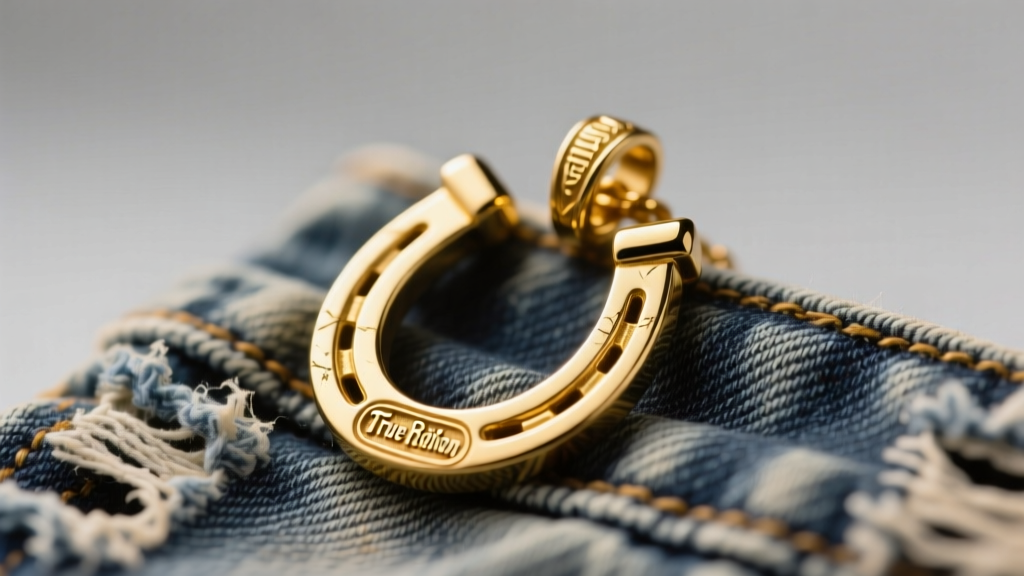
The True Religion Jewelry Appeal: Brand Tax vs. Design
The Y2K fashion revival has firmly cemented True Religion’s status as a nostalgia powerhouse in 2026. While the brand is synonymous with low-rise denim and the iconic horseshoe logo, their accessories line—specifically the true religion necklace collections—has seen a massive surge in search volume and social media features. But when you strip away the brand heritage and the early-2000s aesthetic, what are you actually paying for?
As a budget and value assessment, we must separate the 'brand tax' from intrinsic material value. A typical True Religion necklace retails between $58 and $148. In the broader jewelry market, this price point sits squarely in the 'demi-fine' or 'high-end fashion jewelry' tier. However, the materials used often tell a different story. To determine if a True Religion necklace is a smart financial and stylistic investment, we need to look closely at metallurgy, plating standards, and long-term wearability.
Material Breakdown: What Are You Actually Buying?
The most critical factor in assessing jewelry value is the base metal and the thickness of the precious metal plating. True Religion primarily utilizes brass or zinc alloy bases for their pendants and chains, finished with a layer of gold or silver-tone plating, and accented with cubic zirconia (CZ) or epoxy enamel.
According to the Federal Trade Commission (FTC) Jewelry Guides, the term 'gold plated' requires a minimum gold thickness of 0.175 microns (approximately 7 millionths of an inch). Most fashion jewelry brands, including True Religion, utilize 'flash plating,' which often falls below this threshold, sometimes measuring a mere 0.05 to 0.1 microns. This ultra-thin layer is primarily for color and initial shine, not longevity.
Comparative Material Analysis
| Brand / Tier | Base Metal | Plating / Material | Thickness / Purity | Est. Lifespan (Daily Wear) |
|---|---|---|---|---|
| True Religion (Fashion) | Brass / Zinc Alloy | Gold-Tone Flash Plating | < 0.175 microns | 3 - 6 Months |
| Gorjana (Demi-Fine) | Brass | 18k Gold Vermeil / Plating | ~1.0 - 2.0 microns | 1 - 2 Years |
| Mejuri (Demi-Fine) | Sterling Silver (925) | 14k Gold Vermeil | 2.5+ microns (FTC Standard) | 3 - 5+ Years |
| Etsy Custom (Fine) | Solid 10k / 14k Gold | Solid Alloy (No Plating) | 100% Solid | Lifetime |
Price Point Analysis: The $60 to $150 Spectrum
When shopping the official True Religion website or authorized department store retailers, you will generally encounter two distinct pricing tiers for their necklaces. Understanding what drives the cost in each tier helps clarify the value proposition.
Entry-Level Pendants ($50 - $80)
The entry-level tier usually features the classic horseshoe logo, small cross pendants, or simple CZ-studded initial necklaces. These pieces typically come on standard 18-inch cable chains. At $58 to $75, you are paying almost entirely for the trademarked logo and the Y2K aesthetic. The chains in this tier are notoriously lightweight and prone to tangling or snapping if caught on clothing. The value here is purely cosmetic and trend-driven.
Statement & Layered Pieces ($90 - $150)
The higher tier includes multi-layered chain sets, oversized enameled pendants, and heavily pavé-set cubic zirconia pieces. Priced between $98 and $148, these necklaces offer more visual impact and heavier base metals, which gives them a premium 'feel' in the hand. However, the increased surface area of the brass base means that when the flash plating inevitably wears off, the oxidation (the green skin effect caused by copper in the brass reacting with sweat and skin acidity) will be much more pronounced.
Longevity and Wear Test: Plating Failure Modes
To accurately assess value, we must predict failure modes. A True Religion necklace is not designed for 'shower-and-sleep' wear. In fact, exposure to water, lotions, perfumes, and the natural pH of your skin will accelerate the degradation of the flash plating.
- Friction Points: The clasps and the jump rings connecting the pendant to the chain are the first to show brass bleed due to constant metal-on-metal friction.
- Chemical Reactions: Zinc and brass alloys react poorly to chlorine and salt water. Wearing these pieces at the beach or in a pool will strip the plating in a matter of hours.
- Stone Setting Integrity: The cubic zirconia stones are typically held in place by adhesive rather than traditional prong settings. Over time, heat and moisture can weaken the glue, leading to lost stones.
The Verdict: Who Should Buy a True Religion Necklace?
Is a True Religion necklace worth the investment? The answer depends entirely on your definition of 'value.'
Buy it if: You are purchasing for short-term trend participation, styling for a specific Y2K-themed event, or if the nostalgic value of the horseshoe logo brings you genuine joy. It serves as an excellent, relatively low-risk fashion accessory that elevates a basic white tee and vintage denim combo.
Skip it if: You are looking for a daily-wear staple, have sensitive skin or metal allergies (nickel and copper in base alloys are common irritants), or expect the piece to retain any resale or intrinsic material value. From a pure cost-per-wear perspective, a $120 True Religion necklace that lasts six months is a worse financial decision than a $150 solid 10k gold chain that lasts a lifetime.
Better Alternatives in the Same Budget Tier
If you have $100 to $150 to spend and want maximum longevity without sacrificing style, consider these alternative routes:
- Gold Vermeil over Sterling Silver: Brands like Mejuri or Hey Harper offer gold vermeil (a strict standard of 2.5 microns of gold over a nickel-free sterling silver base). This prevents the 'green skin' reaction even if the gold eventually wears thin.
- Solid 10k Gold Chains: You can find delicate, solid 10k gold cable or box chains on Etsy or from specialized online jewelers for around $120-$140. While the pendant may be smaller, the chain will never tarnish, rust, or turn your skin green.
- Stainless Steel PVD Plating: If you prefer chunky, streetwear-inspired pendants, look for brands using 316L stainless steel with PVD (Physical Vapor Deposition) gold coating. PVD is exponentially more durable than electroplating and can survive years of daily wear and showering without fading.
Ultimately, the true religion necklace remains a cultural artifact of 2000s pop culture. Treat it as a fun, temporary fashion statement rather than a permanent jewelry box staple, and you will be perfectly satisfied with your purchase.


