The Ultimate Turquoise Inlay Necklace Buying Guide
Discover expert tips for buying a turquoise inlay necklace. Learn about stone treatments, Zuni styles, mine origins, and 2026 pricing.

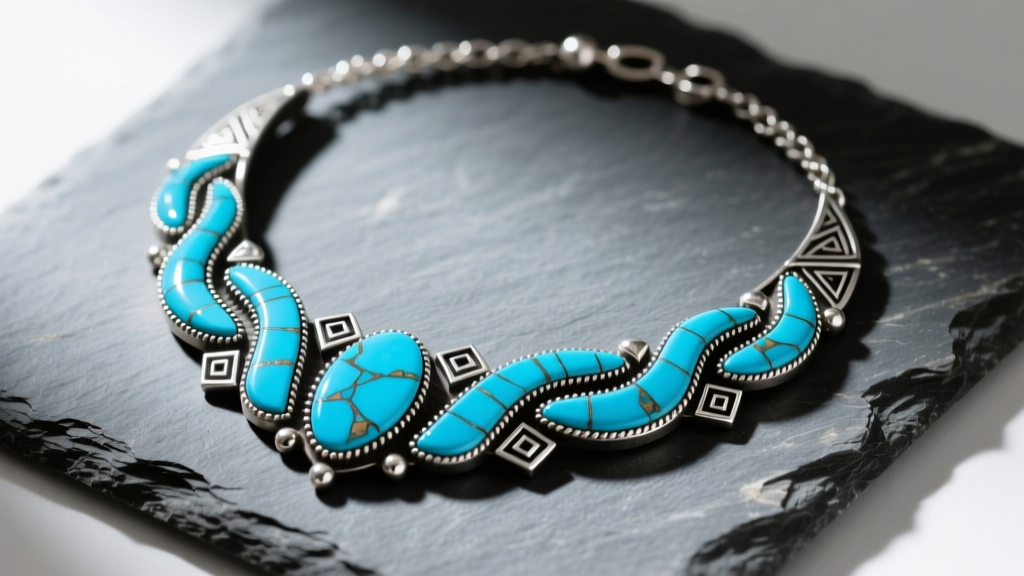
A turquoise inlay necklace is more than just a piece of jewelry; it is a masterclass in lapidary art and metallurgy. Whether you are drawn to the geometric precision of Zuni stone-to-stone work or the bold, channel-set statements of Navajo silversmiths, purchasing authentic inlaid turquoise requires a discerning eye. In 2026, with natural turquoise mines increasingly depleted and the market saturated with mass-produced imitations, understanding the nuances of stone treatment, metal purity, and artisan hallmarks is critical.
This comprehensive buying guide will equip you with the exact specifications, material grades, and pricing frameworks needed to invest in a genuine, high-quality turquoise inlay necklace.
The Architecture of Inlay: Channel, Stone-to-Stone, and Cobblestone
The term 'inlay' refers to the technique of setting cut stones flush within a metal or stone framework. However, not all inlay is created equal. The structural method used drastically affects the necklace's durability, value, and aesthetic.
1. Channel Inlay
In channel inlay, sterling silver or gold walls (channels) are soldered onto a backing plate. The turquoise is cut, shaped, and epoxied into these metal compartments. The metal dividers protect the fragile edges of the stone from chipping. This technique is heavily favored by Navajo artisans and offers a striking, high-contrast geometric look.
2. Stone-to-Stone (Zuni Mosaic)
A hallmark of Zuni Pueblo craftsmanship, stone-to-stone inlay involves fitting turquoise pieces directly against one another—or against coral, jet, and mother-of-pearl—without metal dividers. The stones are beveled at the base and glued to a solid backing. Because there is no metal buffer, the lapidary must grind the stones with microscopic precision to prevent cracking. This technique commands a premium due to the sheer labor intensity.
3. Cobblestone and Corn Row
Cobblestone inlay features stones with slightly raised, rounded, and uneven surfaces, mimicking natural cobblestones or kernel corn. The metal channels are usually deeply recessed and heavily oxidized to create dramatic shadows. This 3D effect is highly sought after by collectors for its tactile, organic appeal.
Decoding the Stone: Mine Origins and Treatments
The most common point of confusion for buyers is the distinction between natural, stabilized, and block turquoise. According to the Gemological Institute of America (GIA), over 90% of turquoise on the market undergoes some form of treatment, but not all treatments are created equal.
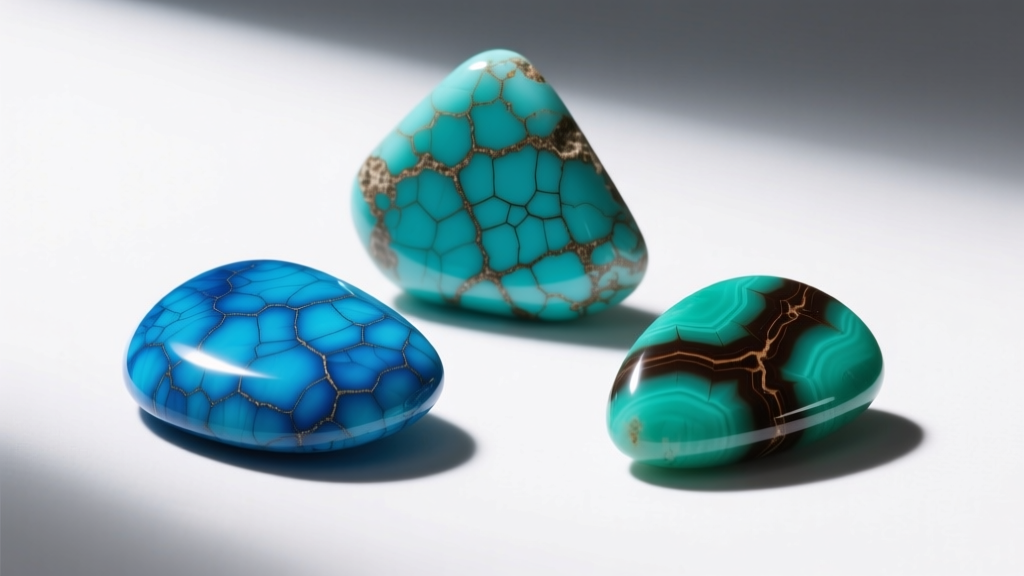
Natural vs. Stabilized Turquoise
- Natural (Untreated): Mined, cut, and polished with zero chemical alterations. It is rare, highly porous, and can change color over time as it absorbs skin oils. It is incredibly difficult to use in tight stone-to-stone inlay because the grinding process often shatters untreated stones.
- Stabilized: Soft, chalky turquoise is placed in a vacuum chamber and infused with a clear epoxy resin or polymer. This hardens the stone, locks in the color, and allows it to be precision-cut for flush inlay work. Note: Stabilization is an accepted, standard industry practice for inlay jewelry and does not diminish the value of high-grade stones.
- Block / Reconstituted: Turquoise dust mixed with dyes and plastics, or entirely synthetic materials. Avoid these at all costs; they hold no intrinsic or collectible value.
Turquoise Mine Origins & Characteristics
| Mine Origin | Color Profile | Matrix (Host Rock) | Market Status (2026) |
|---|---|---|---|
| Sleeping Beauty (AZ) | Uniform, vivid sky blue | None to minimal | Closed; high premium on vintage/new-old-stock |
| Kingman (AZ) | Light to deep blue | Black or golden spiderweb | Active; highly prized for webbed channel inlay |
| Bisbee (AZ) | Deep, intense blue | Chocolate brown to red | Closed; museum-grade collector pricing |
| Royston (NV) | Blue to vibrant green | Heavy, dark brown webbing | Active; popular for bold, rustic statement pieces |
Metalwork, Purity, and Authenticity Hallmarks
A genuine turquoise inlay necklace is almost exclusively crafted in sterling silver (.925) or, occasionally, coin silver (.900). Gold inlay exists but is significantly rarer and usually custom-commissioned.
Checking the Bezel and Backing
Flip the pendant or the necklace stations over. High-quality Native American inlay uses a solid sheet of sterling silver as the backing plate. If you see a honeycomb-like lattice or a hollowed-out back, the piece is likely a commercial import designed to save on silver weight. Furthermore, inspect the silver channels: they should be perfectly flush with the stone. Run your fingernail across the surface; if it catches on the metal or the stone, the lapidary work is subpar.
Verifying Authenticity and Hallmarks
The Indian Arts and Crafts Board strictly enforces the Indian Arts and Crafts Act of 1990, making it illegal to sell jewelry as 'Native American' unless it is made by a member of a state or federally recognized tribe. Look for:
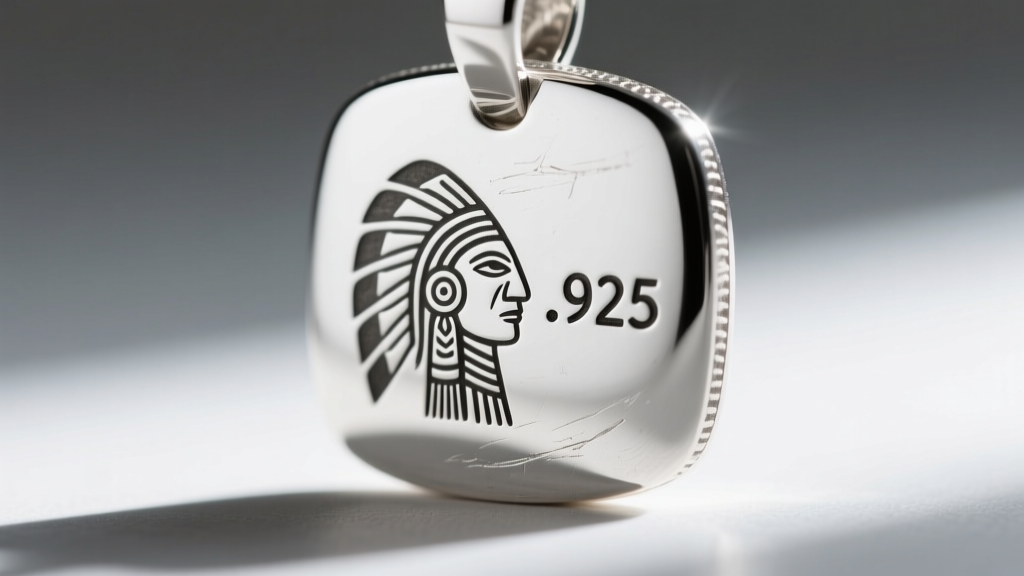
- Maker's Marks: Usually a stamped initial, a full name, or a unique symbol (like a bear paw or sun ray) on the back of the clasp or pendant.
- Purity Stamps: '.925' or 'Sterling'.
- Tribe Stamps: Some artists stamp 'Zuni', 'Navajo', or 'Hopi', though a specific artist hallmark is a stronger indicator of authenticity.
2026 Pricing Matrix: What Should You Pay?
Pricing a turquoise inlay necklace depends on the artist's reputation, the complexity of the inlay, and the origin of the stones. Use this framework to gauge market fairness:
- $150 - $350 (Commercial / Entry-Level): Mass-produced or apprentice-level work. Usually features stabilized turquoise from lesser-known mines, thinner silver gauges (20-22 gauge), and simple channel designs. Often imported or made by non-tribal artisans mimicking the style.
- $400 - $1,200 (Mastercraft / Contemporary): Authentic, hallmarked pieces by recognized Zuni or Navajo artisans. Features heavy sterling silver (18-16 gauge), complex stone-to-stone or cobblestone inlay, and high-grade stabilized or natural Kingman/Royston turquoise.
- $1,500 - $5,000+ (Museum / Vintage / Rare Mines): Pieces featuring verified natural Sleeping Beauty or Bisbee turquoise, crafted by award-winning master lapidaries (e.g., the Leekya or Lupe families). Vintage pieces from the 1970s 'boom' era also command these premiums due to the exhaustion of historic mines.
Expert Warning: If a vendor offers a complex, stone-to-stone Zuni inlay necklace featuring 'natural, untreated Sleeping Beauty turquoise' for under $300, you are likely looking at dyed howlite or block turquoise. True natural Sleeping Beauty rough is exceedingly scarce today.
Longevity and Care Protocols for Inlaid Jewelry
Turquoise is a relatively soft stone (Mohs hardness of 5 to 6), and the epoxy used in inlay work is sensitive to extreme conditions. To ensure your necklace survives for generations, adhere to these strict care protocols:
- Never Use Ultrasonic Cleaners: The high-frequency vibrations will shatter the turquoise and break the epoxy bonds holding the inlay together.
- Avoid Chemical Exposure: Remove your necklace before swimming (chlorine), bathing (soaps), or applying cosmetics and perfumes. Turquoise is porous and will absorb chemicals, leading to irreversible discoloration.
- Polishing the Silver: Use a dry, untreated microfiber cloth to buff the sterling silver. If you must use a silver polish, apply it carefully with a Q-tip, avoiding any contact with the turquoise stones, as the chemicals in tarnish-removers will strip the stone's polish.
By understanding the intricate balance of lapidary precision, metallurgical integrity, and geological rarity, you can confidently navigate the market. A well-chosen turquoise inlay necklace is not merely an accessory; it is a wearable piece of North American history and a lasting legacy of indigenous artistry.


